
BMW G 650 Xchallenge (MY2007) — Enduro
NastyNils / BMW Press

2008–2010 · Enduro · Buyer's Guide

G 650 Xchallenge (MY2007)

Agility Where Power Quits

The Machine's Character

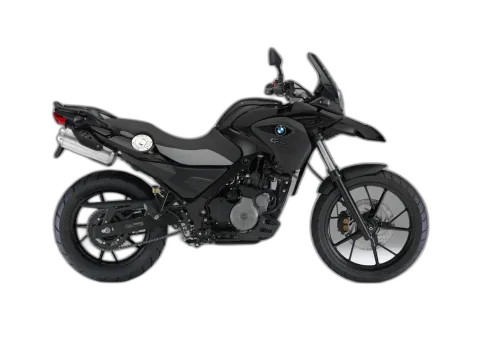
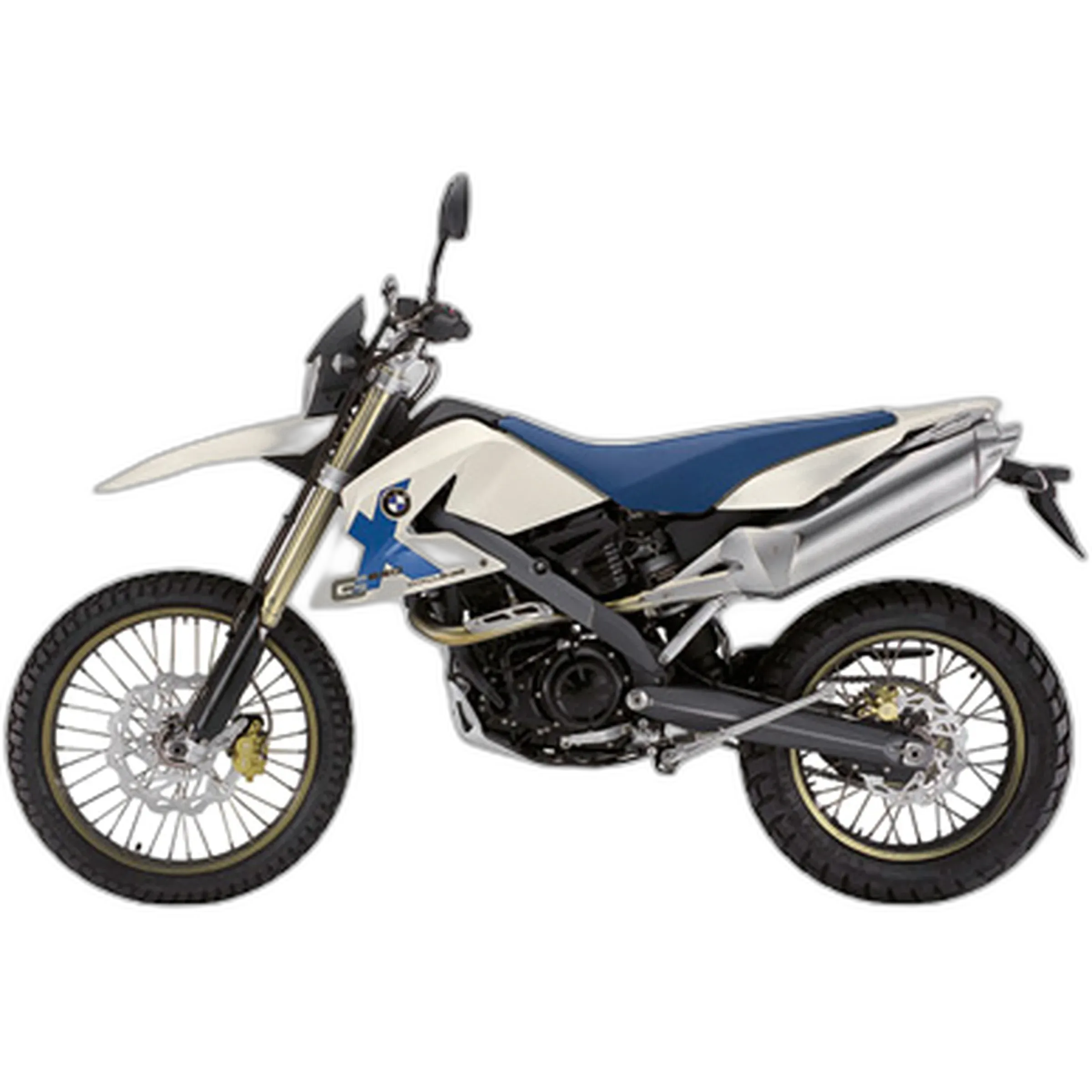
The G 650 Xchallenge is BMW's lightweight, off-road-first single, and it rides like a bike built by people who genuinely wanted to go fast in the dirt. The liquid-cooled 652 cc thumper makes 53 hp and 44 lb-ft, and it pulls harder off the bottom than the badge suggests; in the first two gears it'll loft the front without drama. A bridge-type steel tube frame, 10.6 in of travel at both ends, and fully adjustable air suspension put it in its own niche between heavy adventure machines and hardcore competition enduros. It's street-legal, and that changes what you can actually do with it.

On the dirt it's genuinely capable and surprisingly easy to trust, holding its line on gravel and steep descents while staying agile enough to embarrass bigger bikes in tight terrain. Long service intervals mean you can ride it far, work it hard, and get home without watching a maintenance clock. The honest caveats are real. The seat is punishingly hard over road miles, the 36.6 in (930 mm) seat height eliminates a lot of riders outright, the painted panels scratch where raw plastic wouldn't, and the stock air shock has a habit of losing pressure. Know all of that going in.

Hard Numbers

Spec sheets don't ride bikes, but they set the baseline.

Show full specs & equipment Hide specs & equipment
Key specifications
Power 53 hp (39 kW) @ 7,000 rpm
Torque 44 lb-ft (60 Nm) @ 5,250 rpm
Displacement 652 cc
Engine Single-cylinder
Cooling Liquid-cooled
Gearbox 5-speed
Final drive Chain
Fork Upside-down (USD)
Front brake 300 mm
Front tire 90/90-21
Rear tire 140/80-18
Wheelbase 59.1 in (1500 mm)
Ground clearance 9.8 in (250 mm)
Front travel 10.6 in (270 mm)
Rear travel 10.6 in (270 mm)
Seat height 36.6 in (930 mm)
Wet weight 348 lb (158 kg)
Fuel capacity 2.5 gal (9.5 L)

Equipment check

Chassis

  • Front Suspension Adjustable Standard
  • Rear Suspension Adjustable Standard

The Voice of Experience

Portrait of NastyNils

The test ride

Swing a leg over and the first thing you register is the height; once you're moving, it vanishes. On the pegs the tall bars set your body in a stance that feels right without thinking about it, and you can hold it through long terrain sections without your back complaining. The bike goes exactly where you point it. On steep downhill runs it tracks straight and never hunts. I ran it on worn tires across every slope I could find and it still had grip in reserve, steady enough that you stop reading the ground and just commit. The exhaust is subdued enough that riding home through towns after a dirt session never becomes a problem. Drop it in the rocks, though, and the mass turns honest fast; getting 348 lb back upright on a slope is real work.

Rated point by point — where it earns its keep

My own 0–100 score for this bike against the class, area by area — the marker on each bar is the class average.

What I keep coming back to is how much of this bike I can tune to the terrain. The fork takes independent compression and rebound adjustment, something BMW hadn't offered in this class before, and the air rear stacks preload on top of its own compression and rebound damping. It even ships with a pump and a small level indicator on the side, so I set it up for my weight and the day's ground instead of swallowing a factory compromise. Dialed in, the payoff shows on classic gravel cut with longitudinal grooves, where it stays planted and refuses to wander off line. That, more than any single trait, is the surface that flatters it. None of the adjustment is for show; you feel the difference the moment the ground changes character.

What sells the front brake is what you don't notice. Plenty of sport enduros quietly cut corners here, and you only find out the instant dirt turns to tarmac and you reach for real stopping power that isn't there. This bike spares you that discovery. When the surface turns hard and fast, the front end gives me proper confidence instead of a budget compromise, and in this class that's not a given.

Mechanically I never felt like I was nursing this bike. The aluminum hardware takes abuse and shrugs it off, so the parts that matter for keeping you moving hold up well. What ages is the skin, not the structure: the painted plastic surfaces collect the miles visibly while everything underneath stays solid. The other quiet advantage is how seldom it asks to be serviced. Stretch the maintenance windows out across a full season of regular riding and the saving in time and money is real, not a brochure line.

The thing I value most here is that the bike doesn't demand speed to reward you. Plenty of capable machines only come alive when you're pushing hard; this one is just as happy when you slow right down and pick your way through a tight little patch of ground, treating it as a playground rather than something to survive. Low-speed technical work is genuinely satisfying, not a chore you endure on the way to the fast stuff. That breadth is rare, and it's what makes the bike rewarding on the days you don't feel like hammering anything.

What surprised me most isn't the pull, it's the manners. Fuel injection has scrubbed out the vices that usually come with a big single. There's no chain snatch when you roll off, no rough lumpy running down low, and cold starts just happen. You get all the character of one big cylinder without paying the usual taxes for it. The throttle itself is the other story. Crack it open anywhere in the rev range and the motor answers instantly, no lag, no soft spot, nothing sitting between your wrist and the crank. That directness is what makes the bike feel serious rather than friendly. It never turns genuinely nasty, but it asks for a measure of respect from the first twist of the grip, and I'd rather have that honesty than a motor that flatters and does nothing.

The one comfort win BMW built in for free is cockpit height. The bar already sits far higher than most enduros leave the line, so the riser kit that usually goes on before a new owner's first ride simply never happens here. Where the badge works against the bike is the saddle. Step off a GS expecting that familiar long-haul plushness and you'll be sleeping on your stomach after the opening run. There's no touring pretense anywhere in it. This is a sports tool that happens to wear a roundel, and it never apologizes for the priorities behind it. Read it for what it is and nothing about the ergonomics catches you out.

The practical argument is simple: it deletes the support vehicle. A purpose-built dirt bike needs a truck and trailer just to get to the terrain, while this one is street-legal and carries itself to the dirt and back under its own power. The exhaust earns part of that too, fully legal and subdued enough that in regions where noise rules actually get enforced, threading back through populated areas never becomes an issue. That self-sufficiency is what sets it apart from a dedicated competition tool.

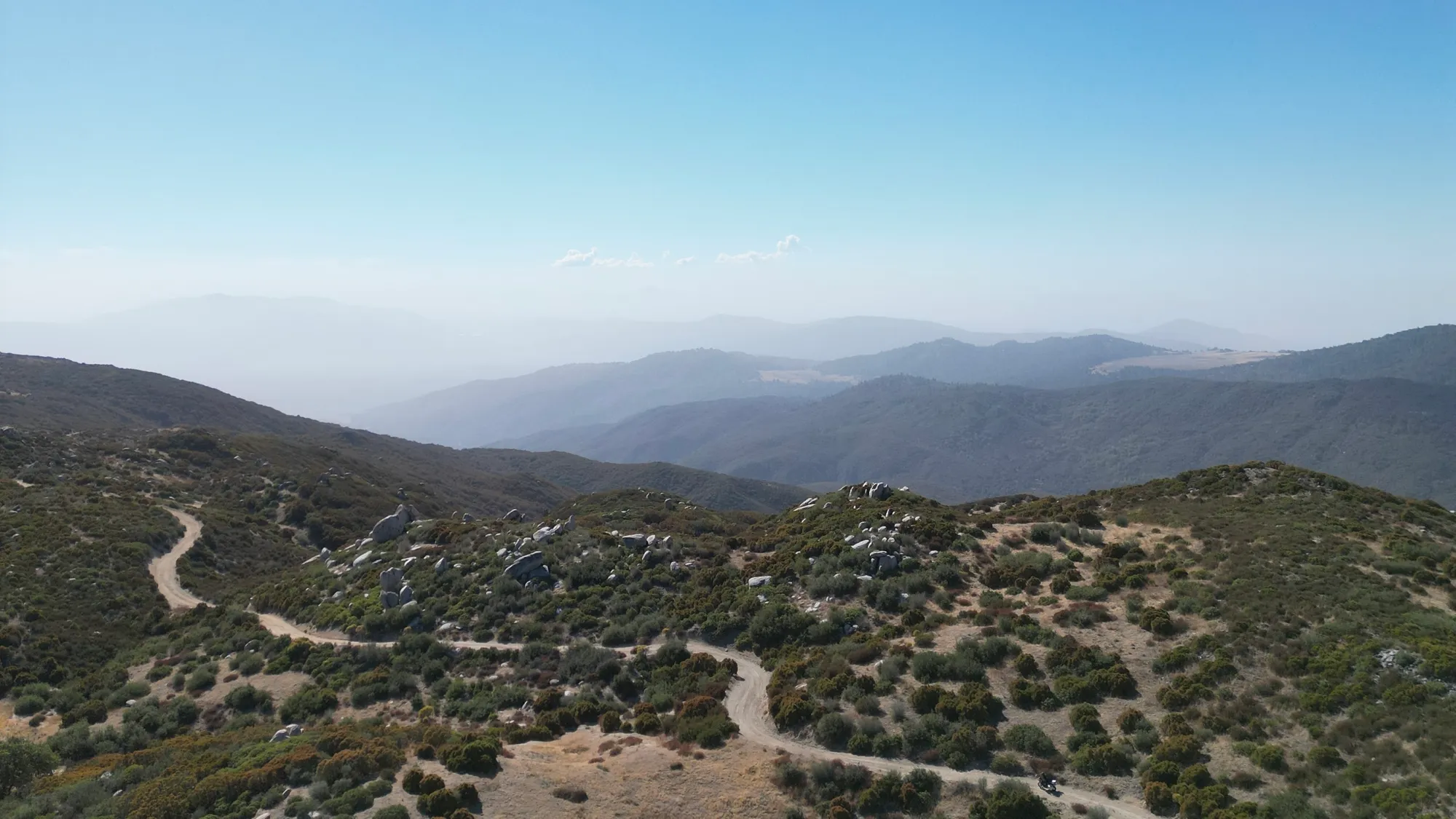
Aerial drone view of Palomar Divide Road winding through chaparral-covered mountain ridges in San Diego County. Multiple S-curve sections descend through sparse vegetation with distant valley views visible in the haze. Gravel and packed-earth surface.

The Truth on the Trail

This isn't a test-bench verdict. It's what I've pieced together from years of rider chatter: forum threads, paddock talk, owner conversations, and the steady stream of messages riders send me directly about this bike. The pattern is consistent. People rate how it rides and accept that living with one takes some effort.

The single riders keep coming back to

Most of the praise lands on the engine. Owners consistently call the 652 cc single smooth and torquey, pulling cleanly from low revs without the vibration big thumpers usually carry. The other recurring theme is weight, or the lack of it: riders rate it exceptionally light for a 650 dual-sport and easy to manage on tight, technical trails. Generous suspension travel at both ends rounds it out, giving it a genuine enduro feel.

Where ownership gets demanding

The gripes cluster around living with the bike. The standard air shock draws the most complaints; riders report it leaking and losing damping, and many fit a conventional coil-spring shock for dependable trail use. As a low-volume model long out of production, it also frustrates owners hunting spares, since several critical parts are no longer available new and must be sourced used or aftermarket. A few mention cold stalling and idle fueling glitches as well.

Known issues

  • Fuel line leakage (recall 08V-106)

    fuel systemrareRecall

    Fuel lines may have been damaged during manufacturing, leading to leaks at the fabric inlay or cracks in the line itself. BMW recalled all 2007 G 650 X models to replace the lines.

  • Roll gear pin mount fracture (recall 10V273000)

    drivetrainrareRecall

    The roll gear pin's mounting bracket can break, potentially causing chain derailment and rear wheel lockup. Recall involves replacing the bracket.

  • Premature rear air shock failure

    suspensioncommon

    The stock air shock frequently loses pressure and leaks, sometimes with no warning. Many owners replace it with a conventional coil-over shock.

The Expert Benchmark

Where this BMW G 650 Xchallenge pulls ahead of — or falls behind — its rivals on the numbers, and the typical bike in its class on character.

What kind of bike this is — character vs. the class

This bike Class average

Head-to-head: BMW G 650 Xchallenge vs. its rivals

The 'Should I Buy It?' Score

Forget spec-sheet bragging. Here's who the G 650 Xchallenge is actually built for.

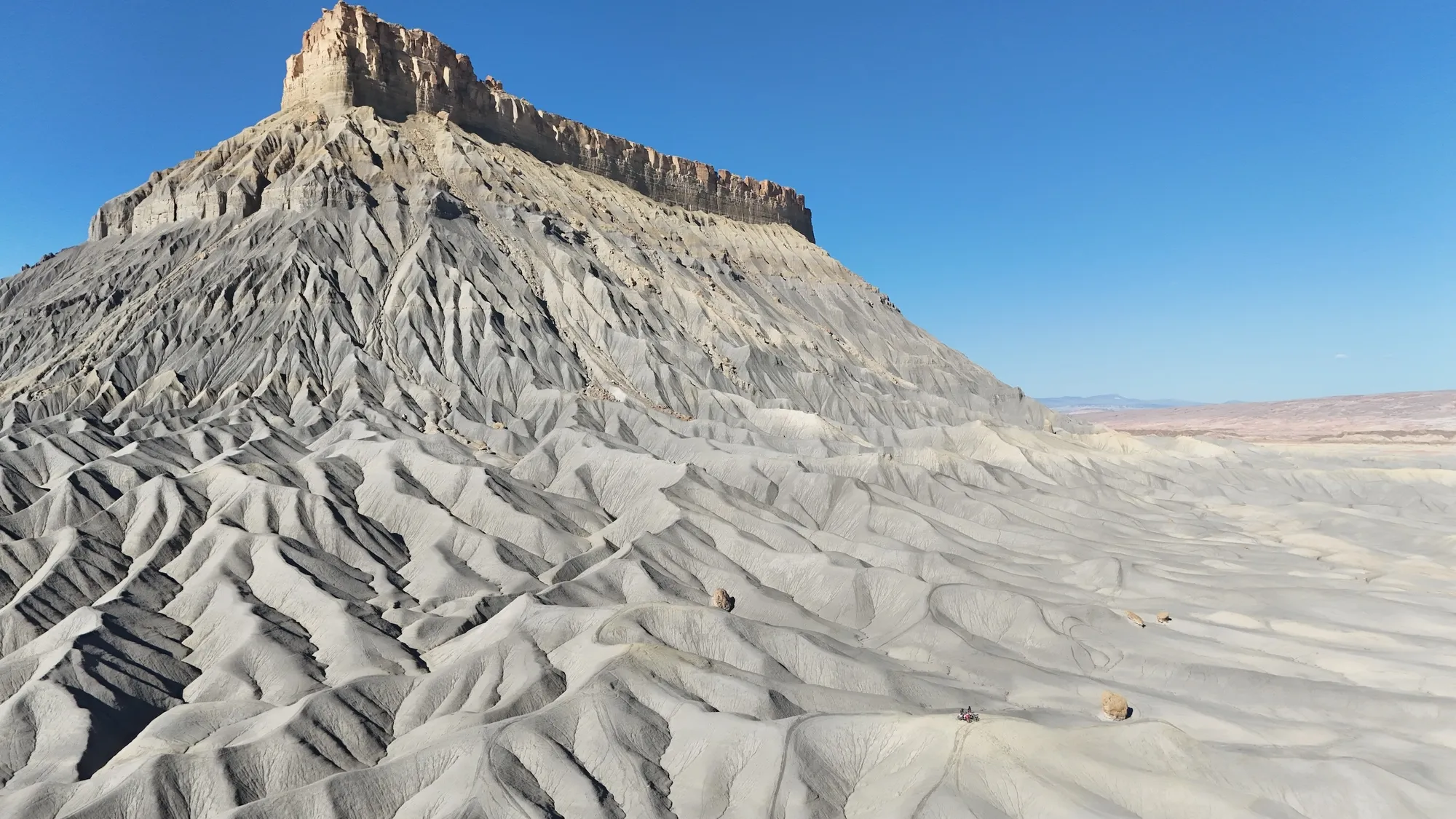
Factory Butte in Utah's high desert badlands, captured in daylight under clear blue sky. The formation's distinctive multi-colored strata and steep erosional gullies dominate the frame. Arid terrain with minimal vegetation stretches across the foreground and background. Typical American Southwest landscape.
NastyNils / Nastynils.com

Best motorcycle for Moab?

This is your tool. Light, air-sprung, and happy threading rock at walking pace or hooking up on fast gravel, it'll cover day trips and skill-maxing terrain without a trailer. Just budget for a better seat.

Made for Bar M / Kane Creek · Imperial Sand Dunes · Johnson Valley OHV Area
Best motorcycle for BDR routes?

It handles the dirt sections of a BDR better than most, and long service intervals cut your logistics. But the 2.5 gal tank and rock-hard seat make the long road links a grind, so plan fuel stops and shorter days.

Made for AZBDR — Arizona Backcountry Discovery Route · California BDR South · COBDR — Colorado Backcountry Discovery Route