Best motorcycle for Moab?
For slickrock, sand and technical day trips this is your kind of bike: tough, capable and simple. Just know the brakes can fade on long descents.
Made for Bar M / Kane Creek · Imperial Sand Dunes · Johnson Valley OHV Area

2002–2009 · Enduro · Buyer's Guide
The Bulletproof Thumper That Lasts
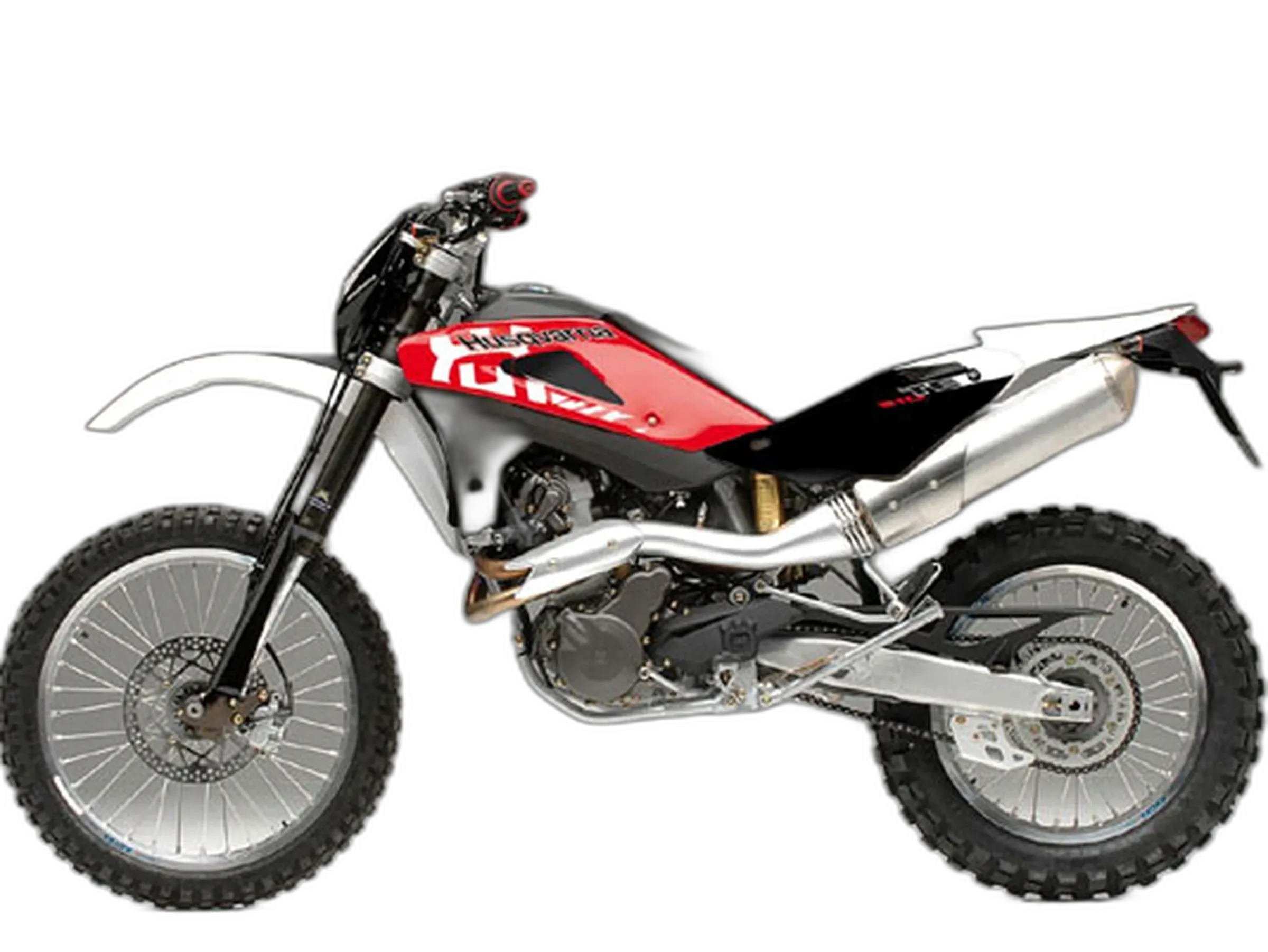
The TE 610 is a street-legal enduro built around a liquid-cooled 576 cc single that makes 54 hp at 7,000 rpm and 38 lb-ft of torque. Peak power isn't the point: usable pull across a broad rev range is. It sits in a steel single cradle frame with 11.8 in (300 mm) of fork travel, 12.6 in (320 mm) at the rear and 13.4 in (340 mm) of ground clearance. Electronics? There aren't any. No ABS, no traction control, no ride modes: just a six-speed gearbox, a chain and your right hand. Among street-legal enduros it's the one that bridges real dirt and the ride home. Honest hardware.
On the trail the long-travel suspension is compliant, and the bike stays civil on open back roads. It takes abuse well, wrenches easily and has strong aftermarket support, which matters on a bike you'll set up yourself. It suits you if you're an experienced off-road rider who wants one machine for technical ground and the pavement in between. The caveat is real: the timing chain can stretch in as little as 3,700–6,200 mi (6,000–10,000 km), the clutch shaft is a known weak point and hard starting is common. Buy with your eyes open.
Spec sheets don't ride bikes, but they set the baseline.
| Power | 54 hp (40 kW) @ 7,000 rpm |
|---|---|
| Torque | 38 lb-ft (52 Nm) @ 6,500 rpm |
| Displacement | 576 cc |
| Engine | Single-cylinder |
| Cooling | Liquid-cooled |
| Gearbox | 6-speed |
| Final drive | Chain |
| Fork | Telescopic |
| Front brake | 260 mm |
| Front tire | 90/90-21 |
| Rear tire | 140/80-18 |
| Ground clearance | 13.4 in (340 mm) |
| Front travel | 11.8 in (300 mm) |
| Rear travel | 12.6 in (320 mm) |
| Seat height | 35.4 in (900 mm) |
| Fuel capacity | 3.4 gal (13 L) |
Equipment check
Chassis
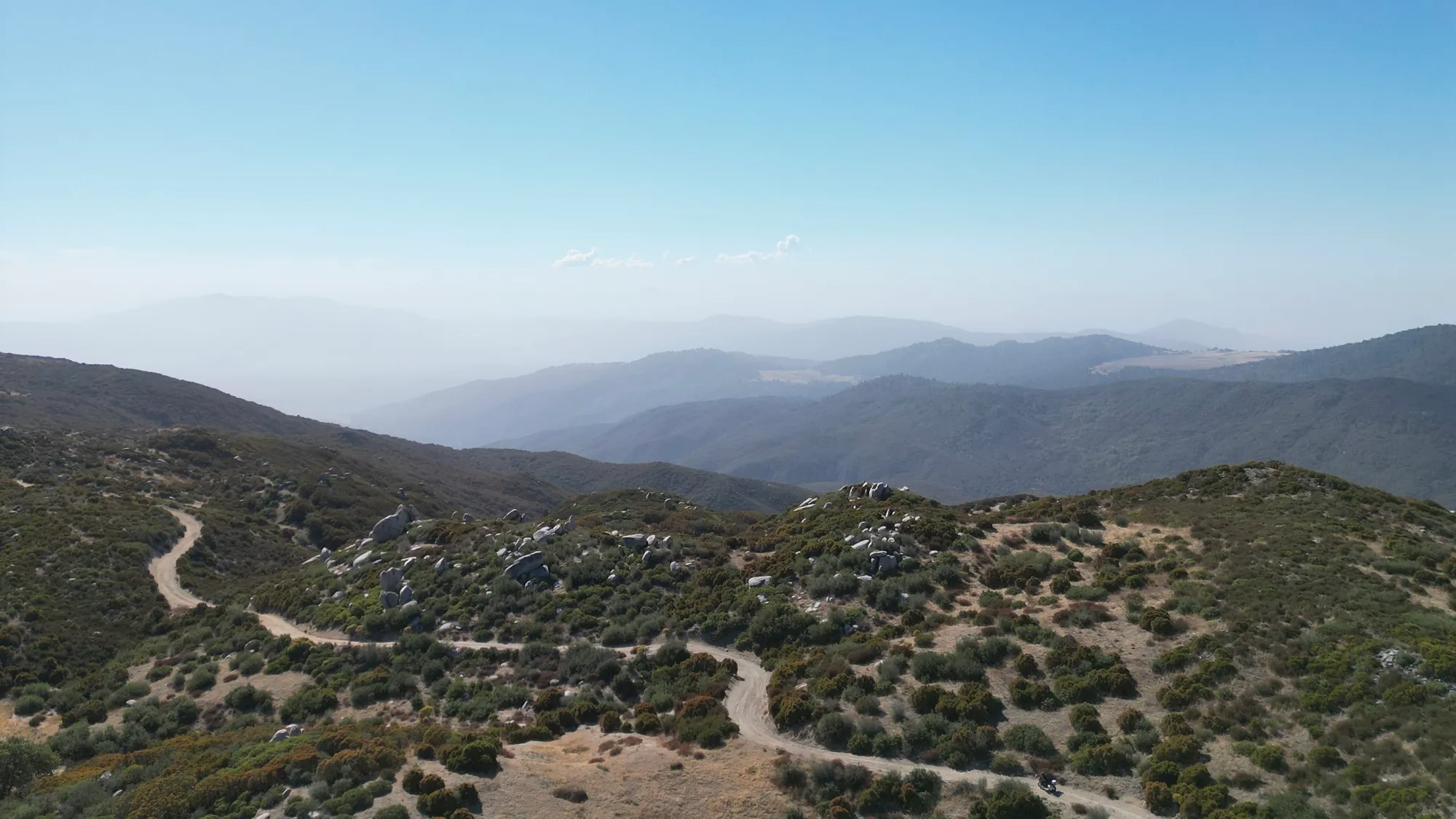
I've spent years listening to TE 610 riders: in paddocks, at club nights, in owner chats and in the messages that land in my inbox. The pattern is consistent: a strong, versatile dual-sport that holds up when it's looked after, and one that feels heavy and awkward when things get tight.
Three points of praise come up with equal weight. Owners use it for trail riding and multi-day adventure trips alike and call it a true all-rounder. They report plenty of low-end grunt, plus enough top-end speed for highway stretches. And many have put high mileage on it without major issues, provided the maintenance gets done and the oil is changed regularly. That's the deal.
The gripes center on low-speed work. Riders say the limited steering angle, slower turn-in and extra weight compared with dedicated enduro bikes make it cumbersome in technical off-road sections. The mass sits high too: you notice the top-heavy feel in slow maneuvers and when you have to pick the bike up off-road. Less often, owners mention pronounced vibration through the bars and pegs at higher rpm, tiring on longer road stints. Tight stuff is work.
Clutch shaft stress failure
The clutch shaft suffers from a poor geometry design that concentrates stress on a weak point, leading to premature fracture. Symptoms include loss of clutch operation and potential internal damage.
Head gasket failure
Occasional head gasket failures have been reported, potentially linked to overheating; requires disassembly of the top end.
Premature timing chain wear
The ratchet-style tensioner causes cycle of slack and excessive tension, leading to rapid stretching of the timing chain. Failure can occur in as little as 3,700–6,200 mi (6,000–10,000 km), often accompanied by a growling noise and metal in the oil.
Brake fade under prolonged use
Extended off-road descents or aggressive street riding can cause brake fade, characterized by a spongy lever feel and reduced stopping power. Regular bleeding and pad replacement help mitigate the issue.
Starting difficulties
Hard starting is frequently reported, often due to a weak battery, faulty starter relay, or fueling issues. The problem can be exacerbated by flooding in high-compression engines, requiring careful starting procedure.
Clutch slippage under heavy load
Worn clutch plates can cause slippage, especially under aggressive riding or high load conditions.
Front fork seal leakage
Fork seals may leak oil, leading to reduced damping performance and a harsh, uncontrolled ride. Early signs include visible oil on the fork legs and a progressive loss of smoothness.
Fuel starvation due to clogged fuel filters or petcock issues
Symptoms include hesitation during acceleration and poor performance, often caused by clogged fuel filters or a malfunctioning petcock.
Electrical connector failures causing engine stall
High vibration from the single-cylinder engine can loosen electrical terminals, causing intermittent low-voltage readings at the ECU. This results in sudden stalling or failure to restart, even with a healthy battery.
Rapid wear of rear chain and sprockets
The rear chain and sprockets may exhibit accelerated wear, requiring more frequent replacement.
Cam bearing axle wear
The cam bearing axle surface is insufficiently hardened, leading to premature wear after around 31,000 mi (50,000 km). This causes excessive valve train noise and loss of accurate valve lash adjustment.
Bodywork and frame cracks from impacts
Plastics and frame components can crack over time due to rough handling or impacts during off-road use.
Where this Husqvarna TE 610 pulls ahead of — or falls behind — its rivals on the numbers, and the typical bike in its class on character.
Power
Torque
Displacement
Seat height
Forget spec-sheet bragging. Here's who the TE 610 is actually built for.
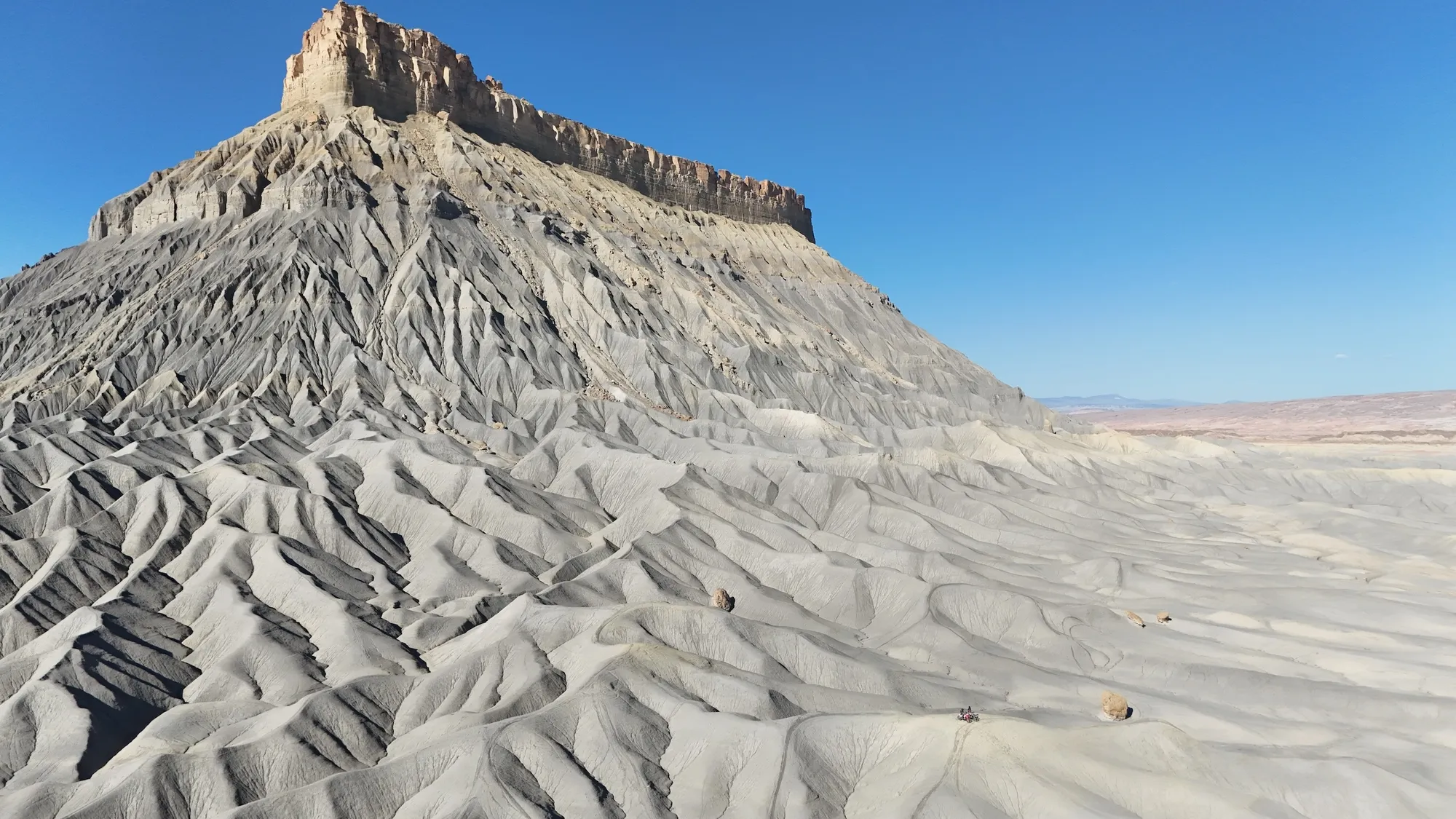
For slickrock, sand and technical day trips this is your kind of bike: tough, capable and simple. Just know the brakes can fade on long descents.
Made for Bar M / Kane Creek · Imperial Sand Dunes · Johnson Valley OHV Area
It'll handle the dirt on a multi-day route, but plan around it: 3.4 gal (13 L) of fuel, no factory luggage and a timing chain to watch. Works if you like logistics. Not the easy choice.
Made for AZBDR — Arizona Backcountry Discovery Route · California BDR South · COBDR — Colorado Backcountry Discovery Route
If this one isn't quite the fit, these are the bikes worth riding back-to-back against it.