
BMW F 650 GS Dakar (MY2000) — Adventure

2002–2007 · Adventure · Buyer's Guide

F 650 GS Dakar (MY2000)

The Thumper That Goes Anywhere

The Machine's Character

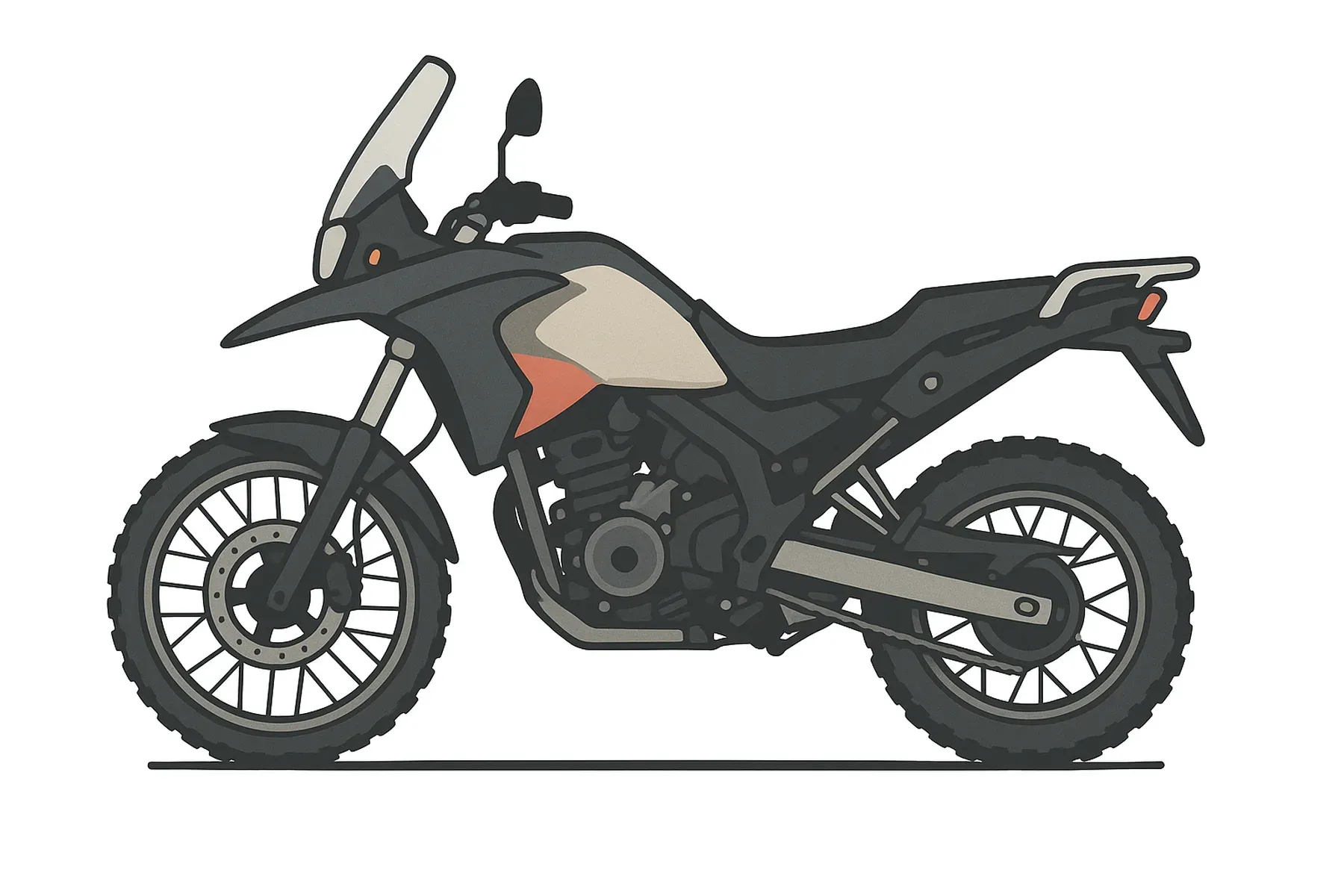
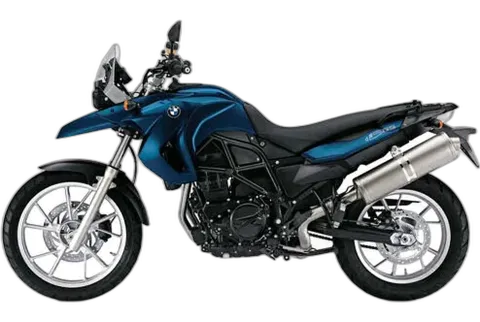
The Dakar is the F 650 GS built for dirt rather than dressed for it. The 652 cc liquid-cooled single puts out 50 hp and 44 lb-ft, and the torque number is the one that matters here, because it shows up early and stays useful. A 21-inch front wheel, 8.3 inches of suspension travel front and rear, and 7.1 inches of ground clearance give it real trail geometry instead of adventure styling. Five gears, chain final drive, 4.6 gallons of fuel, 421 lb wet. Nothing about the package is complicated, and that is exactly the point of it.

It rides the way a well-sorted single should, unhurried and easy to place, and the low weight means a wrong line in the dirt is a correction rather than a crisis. It ages well when someone actually looked after it, which is the whole game with a bike of this age. This one suits the rider who wants backcountry range without a heavyweight to wrestle at walking pace, and who rates simplicity over a spec sheet. The honest caveat: the 34.3 in seat asks something of shorter riders, and ABS was an option rather than standard equipment, so plenty of bikes out there don't have it.

Hard Numbers

Spec sheets don't ride bikes, but they set the baseline.

Show full specs & equipment Hide specs & equipment
Key specifications
Power 50 hp (37 kW)
Torque 44 lb-ft (60 Nm)
Displacement 652 cc
Engine Single-cylinder
Cooling Liquid-cooled
Gearbox 5-speed
Final drive Chain
Fork Telescopic
Front brake 300 mm
Front tire 90/90-21
Rear tire 130/80-17
Wheelbase 58.2 in (1479 mm)
Ground clearance 7.1 in (180 mm)
Front travel 8.3 in (210 mm)
Rear travel 8.3 in (210 mm)
Seat height 34.3 in (870 mm)
Wet weight 421 lb (191 kg)
Fuel capacity 4.6 gal (17.3 L)

Equipment check

Chassis

  • Rear Suspension Adjustable Standard

Comfort

  • Heated Grips Optional
  • Luggage System Optional

Safety

  • ABS Optional

The Voice of Experience

Portrait of NastyNils

The test ride

Start it up and the single settles into a low, even beat you feel through the pegs more than the bars. It is a working sound, not a soundtrack. The riding position is tall and roomy, wide bars, knees uncramped, and the view over traffic is a real part of why people keep these. Between 55 and 70 mph the vibration finds a level and just sits there, present but never punishing, and your hands stop registering it after twenty minutes. The tank is narrow where your legs meet it, so standing on the pegs feels natural rather than staged. What stays with me is how little the bike asks of you. Four hundred and twenty-one pounds sounds like a lot until you're sitting in it, and then it isn't.

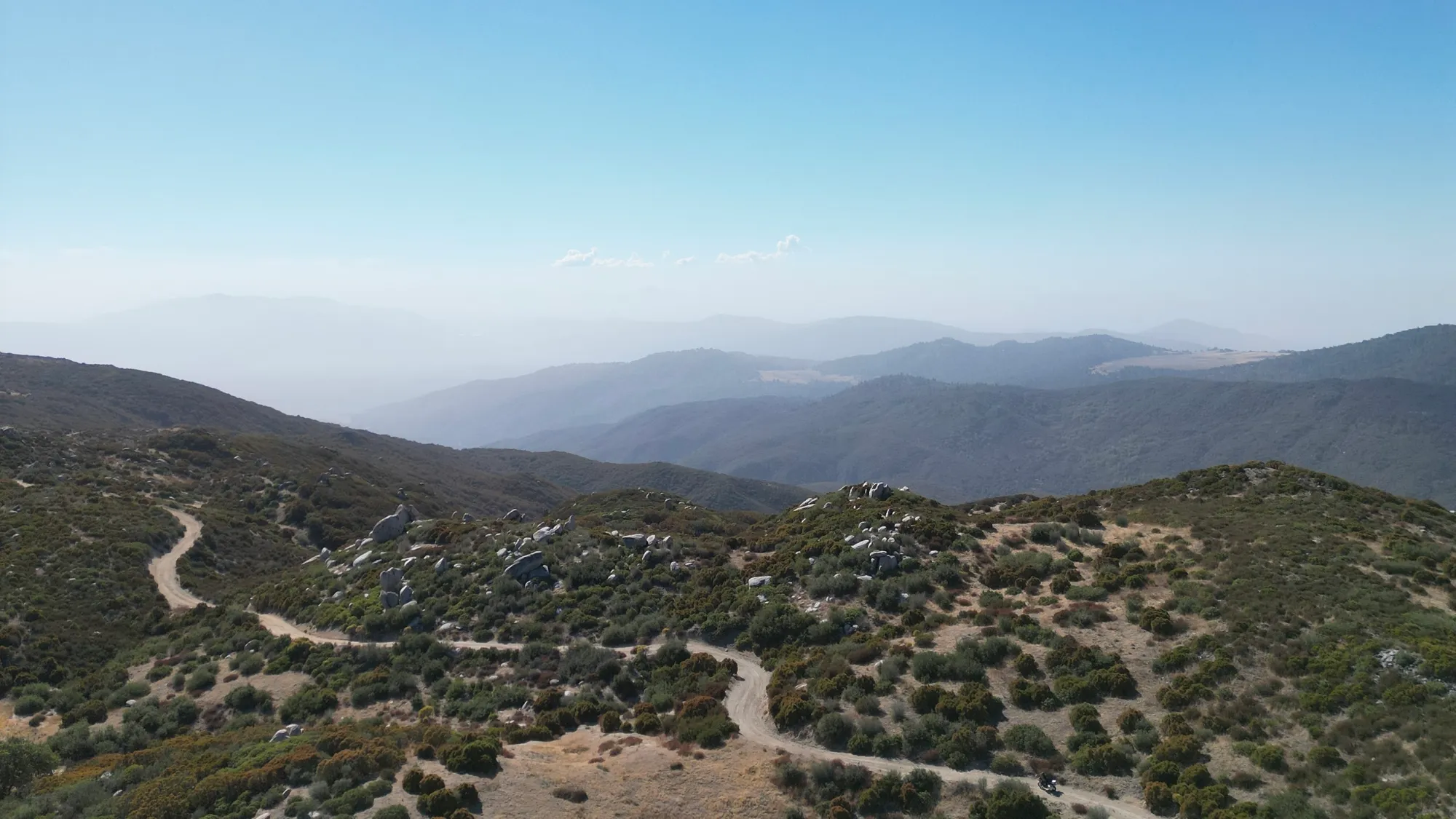
Aerial drone view of Palomar Divide Road winding through chaparral-covered mountain ridges in San Diego County. Multiple S-curve sections descend through sparse vegetation with distant valley views visible in the haze. Gravel and packed-earth surface.

The Truth on the Street

This section belongs to the riders, not to my own miles. Two decades of talking with owners at events, over coffee at club evenings, at gas stops on the way somewhere, plus the mail that arrives from people living with these bikes. What comes back about the Dakar is one steady story rather than scattered opinion, and owners are candid about both halves of it.

Where the Dakar earns its loyalty

Longevity leads almost every conversation. Owners talk about big odometer readings and very little trouble along the way, and they credit the solid, sturdy way the bike is put together. The single collects nearly as much affection for its low-down pull and its thumping character, happiest at an unhurried pace or on gentle dirt. Handling comes up just as often: neutral, easy to manage, the kind of bike riders say builds trust quickly whatever their experience level.

Where the complaints cluster

The power ceiling is the common one. Loaded up or facing a long climb, owners describe a bike working at its limit just to sit at highway pace, with no reserve when a pass opens up. The suspension draws a similar note: plush, but underdamped and imprecise once the pace rises on pavement, with a floating feel. Long highway stints bring up the buzz past 5,000 rpm and the numb hands and feet that follow, along with an engine several call dated and raw, one that asks for a deliberate hand. Brakes are mentioned least, and only as adequate, with a wooden feel.

Known issues

  • Handlebar clamping block recall (2007 models)

    chassis rare Recall

    On certain 2007 F650 GS motorcycles, the clamping blocks and top fork bridge were not manufactured to specification, allowing the handlebars to move out of position. A recall was issued to install a new top fork bridge and clamping blocks.

  • Water pump plastic gear failure

    cooling occasional

    The water pump is driven by plastic gears that can become brittle and snap with age, causing overheating. The pump seal may also fail. Replacement gears cost around £50, and upgrading as a preventative measure is advised.

  • Drive sprocket nut loosening

    drivetrain occasional

    The nut on the front drive sprocket can work loose, potentially damaging the shaft or causing chain issues. Adding thread lock or fitting the updated deeper nut is recommended.

  • Oil leaks from left side

    engine occasional

    Occasional oil weeps from the left side of the engine are reported, often from the generator cover or oil lines.

  • Wiring loom issues on older models

    electrics occasional

    High-mileage examples may develop wiring loom faults, leading to intermittent electrical problems. A thorough electrical system inspection is advised before purchase.

  • Cam rattle

    engine occasional

    Some owners report a slight rattling noise from the camshaft area, which is usually not serious but warrants investigation to rule out excessive wear.

The Expert Benchmark

Where this BMW F 650 GS Dakar pulls ahead of — or falls behind — its rivals on the numbers, and the typical bike in its class on character.

What kind of bike this is — character vs. the class

This bike Class average

The shape of the BMW F 650 GS Dakar — numbers and character vs. the average Adventure

Head-to-head: BMW F 650 GS Dakar vs. its rivals

The Long-Haul Verdict

Forget spec-sheet bragging. Here's who the F 650 GS Dakar is actually built for.

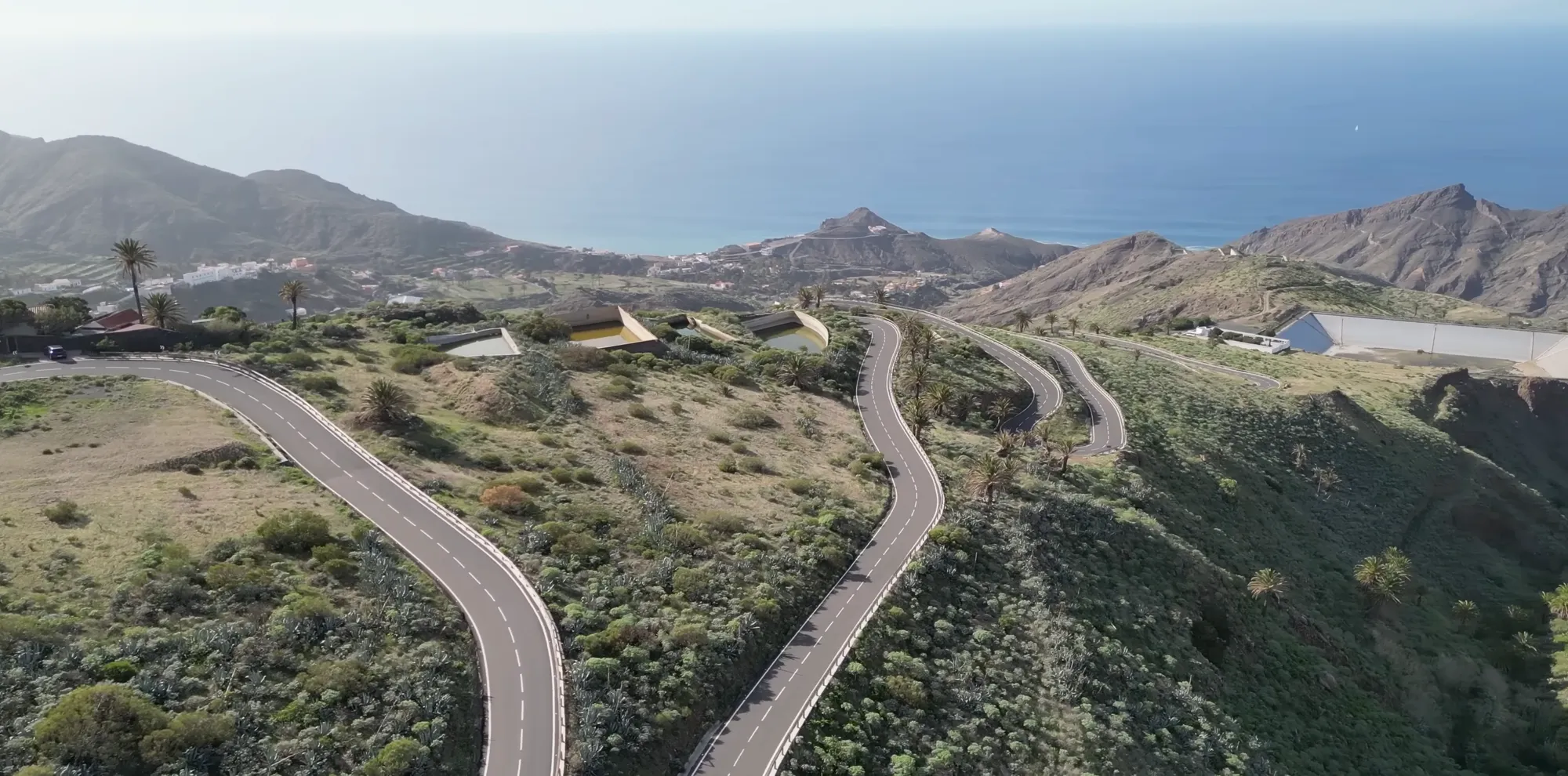
Aerial view of a winding asphalt road cutting through volcanic terrain on La Gomera, Canary Islands. The road curves through sparse green vegetation with rocky volcanic peaks visible in the background and a settled valley to the left. Clear lane markings, dry climate, partly cloudy sky.

Best motorcycle for BDR routes?

This is the natural fit. 4.6 gallons, 8.3 inches of travel and low running costs make BDR-style weeks realistic, as long as you accept 50 hp and five gears on the transit miles.

Made for AZBDR — Arizona Backcountry Discovery Route · California BDR South · COBDR — Colorado Backcountry Discovery Route
Best motorcycle for Highway 1?

You will like the comfort and the view more than the pace. It stays settled at highway speed, but a 200 to 400 mile day on a 50 hp single is a slower kind of day than you may be after.

Made for Black Hills · Blue Ridge Parkway · Cherohala Skyway

Alternatives to the BMW F 650 GS Dakar

If this one isn't quite the fit, these are the bikes worth riding back-to-back against it.

Any price note compares both bikes at the same age — the youngest age both have on the used market — against this BMW F 650 GS Dakar. “cheaper/pricier” is what that bike costs second-hand, not how worn it is.