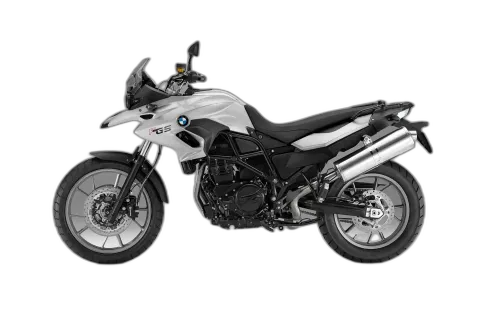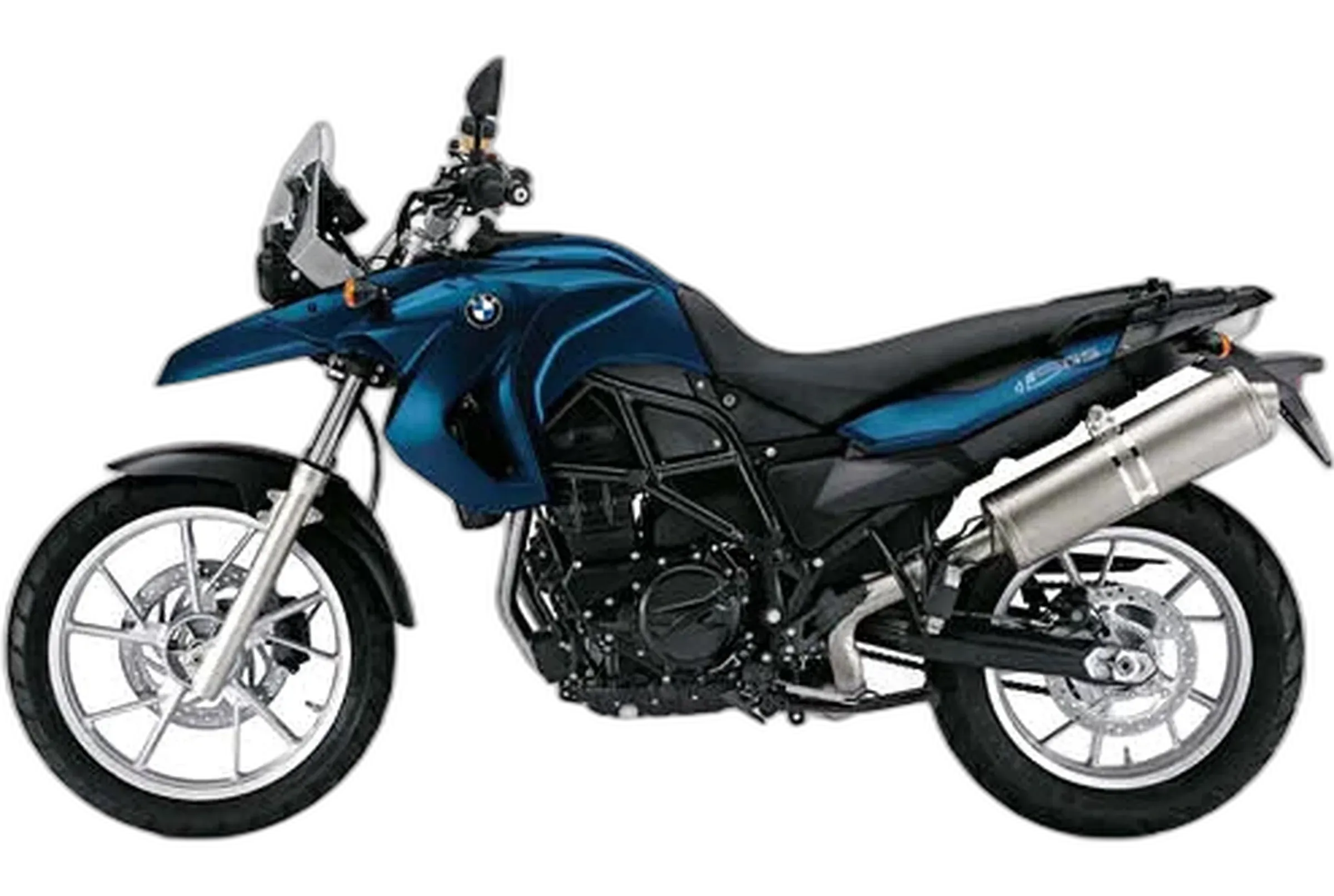
BMW F 650 GS (K72) — Adventure
BMW Press

2008–2012 · Adventure · Buyer's Guide

F 650 GS (K72)

The Approachable GS That Delivers

The Machine's Character

The K72 takes the 798 cc parallel twin it shares with the F 800 GS and softens its edges for the road. Peak is 71 hp at 7,000 rpm, but the figure that actually shapes the bike is 55 lb-ft at 4,500 rpm, low enough in the rev range that you rarely feel like you're working for forward motion. A 19-inch front wheel, 17-inch rear, chain drive and six speeds put it in the road-leaning half of the middleweight adventure class. There is no traction control, no ride modes, no screen full of menus. ABS was an option, not a fixture.

It rides the way the numbers suggest. At 439 lb wet with a 32.3 in seat, it stays composed right up to the top of its 118 mph range. The honest caveat is travel: 7.1 in front and 6.7 in rear is short for serious off-road work, and the fork offers no adjustment at all, so the dirt ceiling here is gravel and graded forest road rather than rocky trail. Aging is a running-gear story, not an engine story. Steering head bearings can go notchy inside the first 6,000 to 12,000 miles, and the water pump seal is worth checking between 25,000 and 37,000 miles.

Hard Numbers

Spec sheets don't ride bikes, but they set the baseline.

Show full specs & equipment Hide specs & equipment
Key specifications
Power 71 hp (52 kW) @ 7,000 rpm
Torque 55 lb-ft (75 Nm) @ 4,500 rpm
Displacement 798 cc
Engine Parallel twin
Cooling Liquid-cooled
Gearbox 6-speed
Final drive Chain
Fork Telescopic
Front brake 300 mm
Front tire 110/80-19
Rear tire 140/80-17
Wheelbase 62.0 in (1575 mm)
Front travel 7.1 in (180 mm)
Rear travel 6.7 in (170 mm)
Seat height 32.3 in (820 mm)
Wet weight 439 lb (199 kg)
Fuel capacity 4.2 gal (16 L)
Top speed 118 mph (190 km/h)
Fuel economy 60 mpg (US)

Equipment check

Chassis

  • Rear Suspension Adjustable Standard

Comfort

  • Heated Grips Optional
  • Luggage System Optional

Safety

  • ABS Optional

The Voice of Experience

Portrait of NastyNils

The test ride

Thumb the starter and the twin settles into a flat, slightly offbeat idle that never turns theatrical. There's a fine buzz through the pegs and grips from about 5,000 rpm up, present but not the kind that numbs your hands over a morning. The bar is wide and high enough to keep your shoulders open, the seat is narrow where it meets your legs so 32.3 inches reads taller on paper than it feels with a boot down, and the pegs sit low enough for real leg room. At 70 mph the fixed screen pushes clean air across your chest and turbulence around your helmet, which is the thing you'll notice most on a long day. With no cruise control, the right wrist stays employed. The tank and the 60 mpg mean you stop for coffee well before you stop for gas.

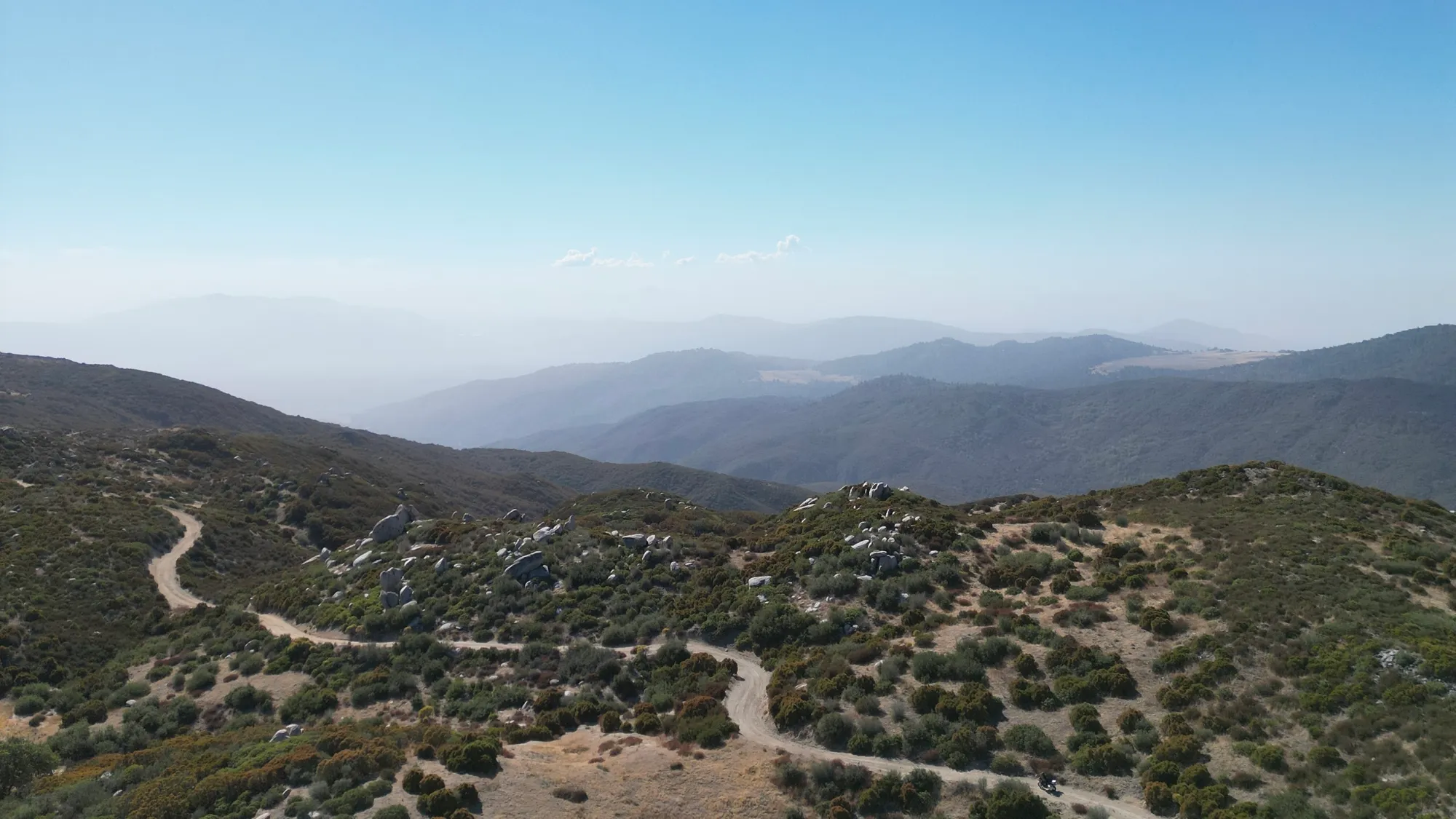
Aerial drone view of Palomar Divide Road winding through chaparral-covered mountain ridges in San Diego County. Multiple S-curve sections descend through sparse vegetation with distant valley views visible in the haze. Gravel and packed-earth surface.

The Truth on the Street

None of this comes from a spec sheet or a launch event. It's years of listening: riders catching me at rallies, owners talking at club meets, and the notes people send me long after they've bought the thing. On the K72 the pattern barely shifts. Riders describe a bike that fits them easily, then hand over a short list of things they changed.

Fit First, Everything Else After

The loudest thread is fit rather than pace. Newer and shorter riders tell me the low seat and modest weight let them handle the bike at walking speed without drama, and that the throttle asks nothing of a nervous right hand. Running costs come up unprompted too: around 60 mpg in normal use, from an engine most of them keep low in the rev range.

Where The Grumbles Cluster

The seat is the first thing most owners change. An hour is the number that keeps coming up, and aftermarket saddles are common on the bikes that have covered real distance. Shifting draws steady comment too, notchy when cold and around service time. Two quieter complaints recur: paint and hardware corrode if the bike isn't looked after, and the top of the rev range gives back less than the middle.

Known issues

  • Charcoal canister water ingestion causing stall (recall)

    fuel system occasional Recall

    A vacuum in the canister can draw water from the ventilation hose into the charcoal canister, leading to engine stalling. Affected 2008–2010 models; BMW issued a free fix to reroute the hose.

  • Front brake disc fasteners too short (recall)

    brakes rare Recall

    On some early 2008 production, the length of brake disc fasteners was insufficient, risking loosening. BMW recalled 373 units to replace them with longer fasteners.

  • Drive chain may break (recall)

    drivetrain rare Recall

    BMW recalled 2008-2009 F 650 GS and F 800 GS machines built between September 2007 and March 2009 because the drive chain was not produced to specification and could break over time. A broken chain trapped between rear wheel and frame can lock the wheel. Dealers replaced chain and sprockets free of charge.

  • Water pump / oil pump seal leak

    cooling occasional

    The seal between the water pump and oil pump can fail, causing oil to mix with coolant or leak externally. Occurs typically between 25,000-37,000 miles (40,000-60,000 km).

  • Premature steering head bearing wear

    chassis common

    Lubrication from the factory is often insufficient, leading to notchy steering and looseness within the first 6,000-12,000 miles (10,000-20,000 km). Re-greasing and re-torquing is required, and some owners replace the bearings.

  • Throttle position sensor / idle stalling

    electrics occasional

    Faulty TPS can cause erratic idling, stalling when clutch is pulled, and surging. A reset procedure (ignition on, open/close throttle 3 times) often temporarily fixes it, but replacement may be needed.

  • Oil leak at left-side cam cover

    engine occasional

    The cam cover gasket can weep oil, particularly on higher-mileage bikes. Replacement of the gasket resolves the issue.

  • Corrosion on fasteners and spokes

    bodywork common

    Engine bolts, wheel spokes, and the engine underside are prone to corrosion, especially on bikes used in wet weather without regular protection.

The Expert Benchmark

Where this BMW F 650 GS pulls ahead of — or falls behind — its rivals on the numbers, and the typical bike in its class on character.

What kind of bike this is — character vs. the class

This bike Class average

The shape of the BMW F 650 GS — numbers and character vs. the average Adventure

Head-to-head: BMW F 650 GS vs. its rivals

The Long-Haul Verdict

Forget spec-sheet bragging. Here's who the F 650 GS is actually built for.

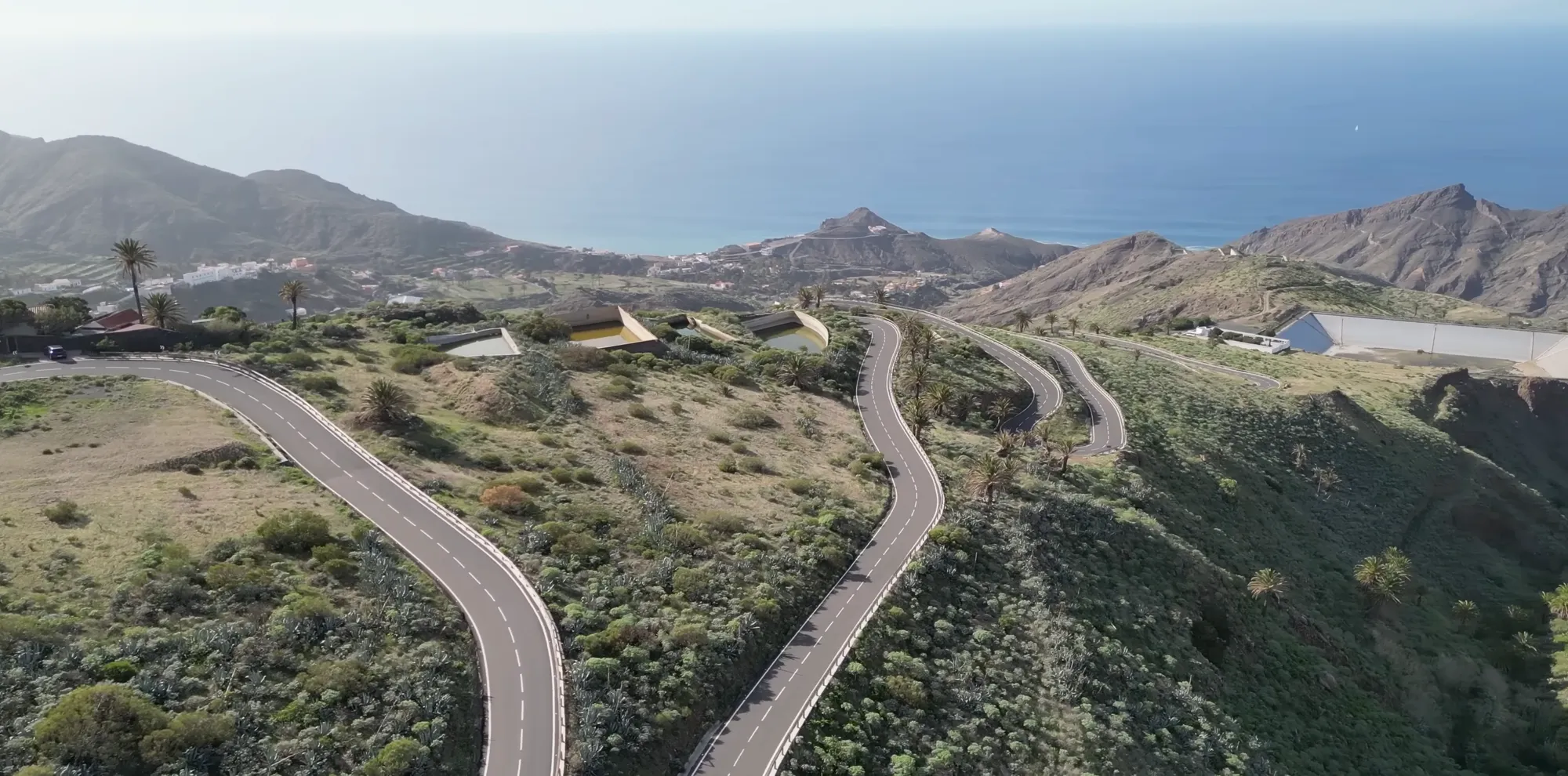
Aerial view of a winding asphalt road cutting through volcanic terrain on La Gomera, Canary Islands. The road curves through sparse green vegetation with rocky volcanic peaks visible in the background and a settled valley to the left. Clear lane markings, dry climate, partly cloudy sky.

Best touring motorcycle for long distance?

Solo with soft bags over Beartooth and Going-to-the-Sun, it's genuinely good: stable, frugal, easy to place. Two-up and fully loaded, 71 hp and a fixed screen start asking more of you than you want.

Made for Beartooth Highway · Blue Ridge Parkway · Going-to-the-Sun Road
Best motorcycle for Highway 1?

This is the sweet spot. Days of 200 to 400 miles on Blue Ridge or Highway 1 suit the upright seat, the 55 lb-ft mid-range, and a fuel bill you barely register.

Made for Black Hills · Blue Ridge Parkway · Cherohala Skyway

What's new versus the previous generation

If you're cross-shopping the older generation, here's what changed.

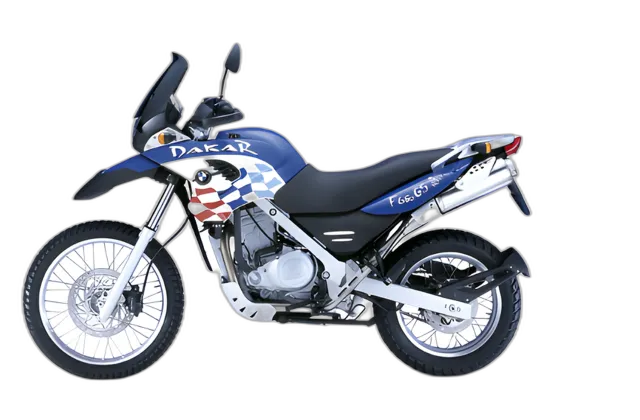
BMW F 650 GS Dakar (MY2000)

Previous generation · 2002–2007

BMW F 650 GS Dakar (MY2000)

The Thumper That Goes Anywhere

Compare to the previous model →

Alternatives to the BMW F 650 GS

If this one isn't quite the fit, these are the bikes worth riding back-to-back against it.

Any price note compares both bikes at the same age — the youngest age both have on the used market — against this BMW F 650 GS. “cheaper/pricier” is what that bike costs second-hand, not how worn it is.