
Kawasaki Versys 650 (LE A) — Sport Tourer
Kawasaki Press

2007–2009 · Sport Tourer · Buyer's Guide

Versys 650 (LE A)

3.5 / 5 NastyNils Rating · against its class

The Supermoto You Can Tour

The Machine's Character

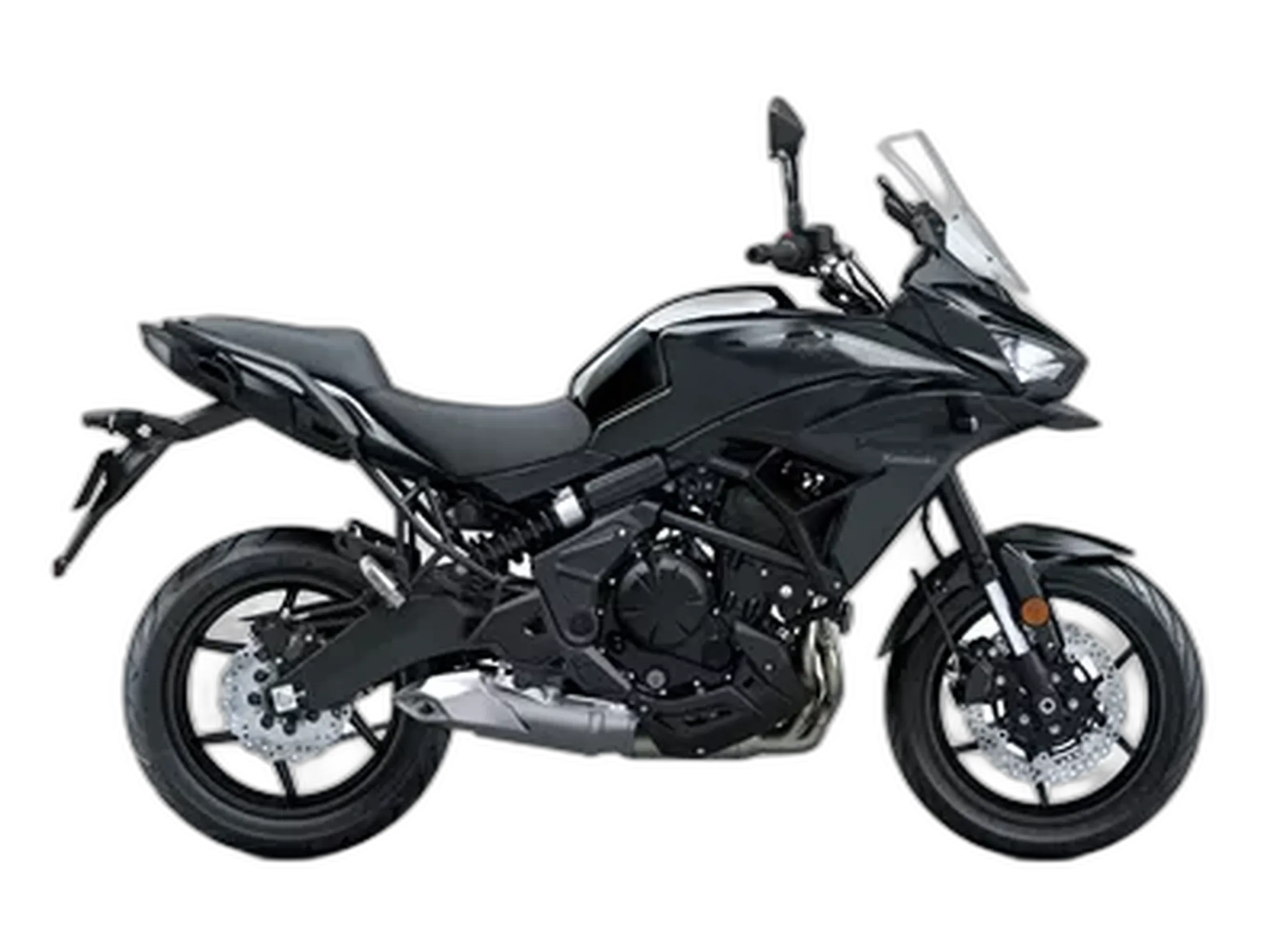
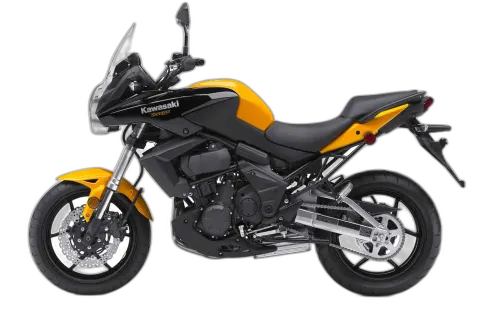
The first Versys 650 is a bike that refuses to pick a lane. Kawasaki took its 649 cc liquid-cooled parallel twin, the engine family it shares with the ER-6n, and tuned it for pull down low and in the midrange rather than a big peak figure: 64 hp at 8,000 rpm and 45 lb-ft at 6,800 rpm. It sits in a steel-tube frame with long-travel suspension that's adjustable at both ends, 17-inch wheels on road tires, and a wide handlebar. The result doesn't fit cleanly into any segment. You can call it a sport-tourer. What it really is, is a tall, light-steering road bike built for the roads you actually ride.

At 454 lb (206 kg) wet it steers easily, and it is at its best on tight, broken back roads where you sit up and push it from one bend to the next. It holds up well mechanically and is cheap to run, though on a high-mileage example you should check the charging system, fork seals and clutch cable. It suits the rider who puts corners and everyday good sense ahead of outright speed. The honest caveat: by sport-touring standards 64 hp is modest, and holding high freeway speeds for long stretches makes the engine labor. Long interstate days with a passenger aren't what it does best.

Hard Numbers

Spec sheets don't ride bikes, but they set the baseline.

Show full specs & equipment Hide specs & equipment
Key specifications
Power 64 hp (47 kW) @ 8,000 rpm
Torque 45 lb-ft (61 Nm) @ 6,800 rpm
Displacement 649 cc
Engine Parallel twin
Cooling Liquid-cooled
Gearbox 6-speed
Final drive Chain
Fork Telescopic
Front brake 300 mm
Front tire 120/70-17
Rear tire 160/60-17
Seat height 33.1 in (840 mm)
Wet weight 454 lb (206 kg)
Fuel capacity 5.0 gal (19 L)
Top speed 128 mph (206 km/h)
Fuel economy 40 mpg (US)

Equipment check

Chassis

  • Front Suspension Adjustable Standard
  • Rear Suspension Adjustable Standard

Comfort

  • Heated Grips Optional

Safety

  • ABS Optional

The Voice of Experience

Portrait of NastyNils

The test ride

Swing a leg over and the first thing you notice is the seat. It's wide, and at 33.1 in (840 mm) that width eats into your inseam more than the number suggests. Once you're rolling, you sit tall behind a wide bar with a commanding view over traffic, a perch that makes a crowded street feel calm. The cockpit stays out of your way. Nothing asks for attention, and the finely segmented fuel readout tells you more than the usual crude bar display. What surprised me most was how little the twin talks back through the grips and pegs. There's very little vibration at road pace. The small screen does a better job than it looks, keeping the blast off your chest at legal highway speeds, even for bigger riders. In stop-and-go traffic you rarely have to reach for the clutch.

Rated point by point — where it earns its keep

My own 0–100 score for this bike against the class, area by area — the marker on each bar is the class average.

Hold it at full lean with the throttle open and one flick of the bar puts it on a new line, cleanly, without arguing. The fork is calibrated properly and still has reserve left when the surface turns ugly, and the rear stays planted on corner exit instead of squatting out from under you. Nothing off-road here, but the longer travel means broken asphalt and real bumps pass underneath without upsetting anything. It works on the roads that actually exist.

Brake hard while leaned over and it stays honest, holding the line instead of fighting to stand the bike up. That is the part that matters most on a road you don't know. Where I want more is at the lever. One finger simply won't pull full bite from the front, so you end up wrapping most of your hand around it when the pace picks up. It stops fine. It just asks for more effort than a sporting ride should require.

Wide bar, upright seat, and a screen that actually does its job. Steering input lands almost as fast as you think it, and sitting tall gives you a read on traffic that a leaned-forward bike never will. The small screen holds coverage up through highway cruising, and even bigger riders stay out of the blast. My one real gripe is the saddle. It is broad enough that the practical seat height climbs, and shorter riders will be reaching for the ground. Kawasaki sold a lower seat through the accessory catalog for exactly that reason.

The cockpit is refreshingly free of nonsense. Everything works smoothly and nothing demands attention while you ride. I particularly rate the fuel readout, which is segmented finely enough to be genuinely useful rather than the crude handful of bars most bikes give you. The limit shows up on the freeway. Push past its comfortable cruising pace and the motor starts to labor. Sustained high-speed running is not the job this bike was built to do.

What I keep coming back to is how little sense it makes on paper and how much it makes on a mountain road. Give it a stretch of switchbacks with changing radii, sit upright, and push it from one corner to the next. In the tight stuff it feels like a supermoto. The only thing that gives the game away is that nothing vibrates. It fits no segment cleanly, which is either its one flaw or the whole reason to own it, depending on what you came looking for.

Throttle response is the quiet strength here. There is almost none of the on-off snatch that plagued so many bikes calibrated for the emissions rules of the era, and that is no small thing. It picks up cleanly from walking pace, before the tach has really woken up, so in stop-and-go traffic you rarely find yourself reaching for the clutch to keep things tidy. Smooth from the bottom, all the way up.

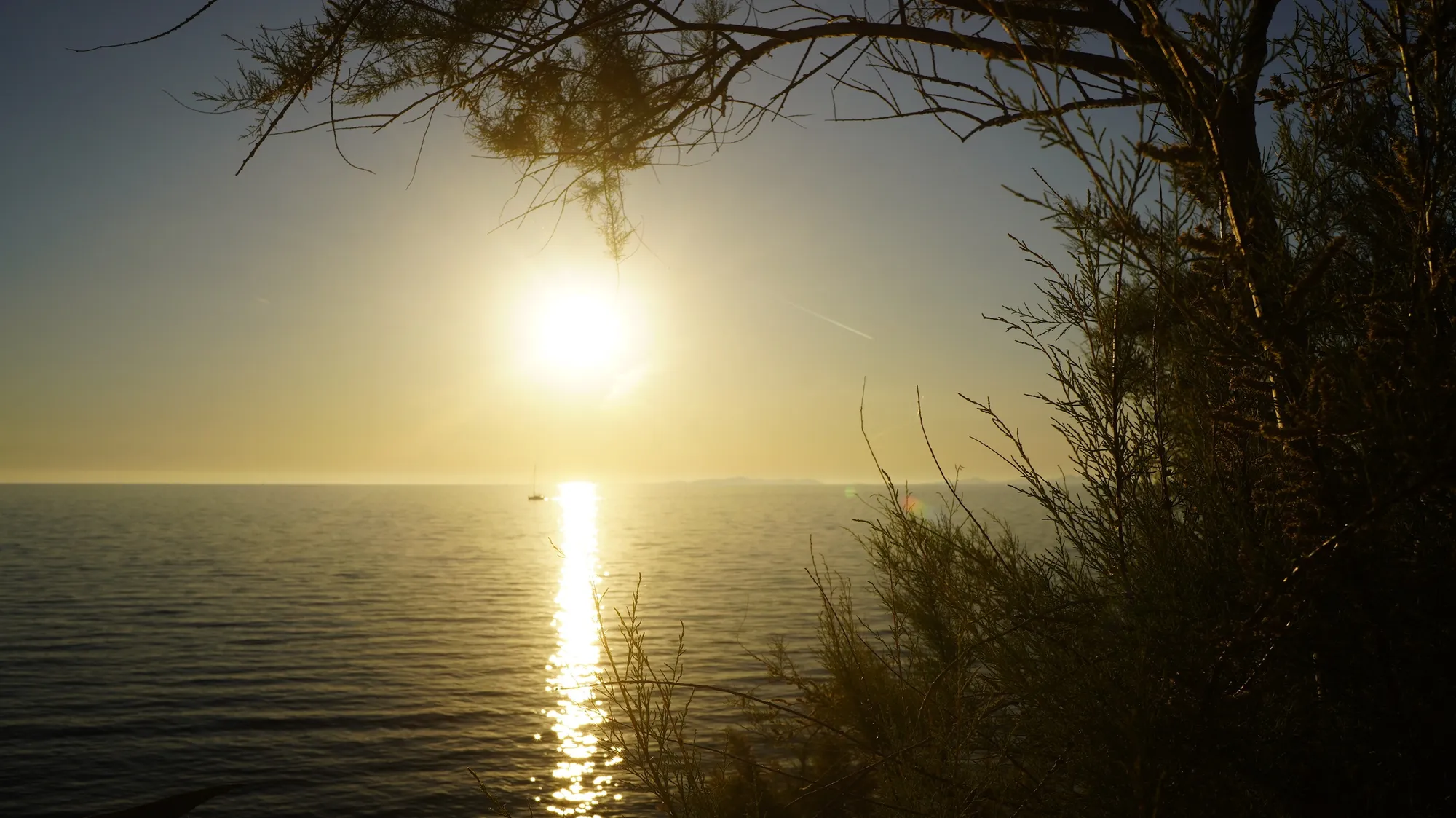
Sunset over the Adriatic Sea near Primosten, Croatia. Golden hour light bathes calm water in warm tones, with a small sailboat on the distant horizon. Rocky vegetation frames the right foreground. Clear skies and gentle conditions.

Known issues

  • Stator / charging system failure

    electrics occasional

    The stator is prone to failure at higher mileages (often beyond 60,000 km) due to the shunt-type regulator. Upgrading to a series regulator is a common preventive measure. Symptoms include battery drain and stalling.

  • Electrical gremlins

    electrics occasional

    Some owners report intermittent electrical issues, including poor connections, failing regulators/rectifiers, and corroded wiring, leading to warning lights or starting problems.

  • Fork seal leaks

    suspension occasional

    Front fork seals may start weeping or leaking, particularly after prolonged touring or when the bike accumulates higher mileage.

  • Clutch cable fraying

    drivetrain occasional

    Early models sometimes suffered from clutch cable fraying or snapping, which was often addressed under warranty. Regular inspection and lubrication can help prevent failure.

The Expert Benchmark

Where this Kawasaki Versys 650 pulls ahead of — or falls behind — its rivals on the numbers, and the typical bike in its class on character.

What kind of bike this is — character vs. the class

This bike Class average

The shape of the Kawasaki Versys 650 — numbers and character vs. the average Sport Tourer

Head-to-head: Kawasaki Versys 650 vs. its rivals

The Long-Haul Verdict

Forget spec-sheet bragging. Here's who the Versys 650 is actually built for.

Aerial view of a winding asphalt road cutting through volcanic terrain on La Gomera, Canary Islands. The road curves through sparse green vegetation with rocky volcanic peaks visible in the background and a settled valley to the left. Clear lane markings, dry climate, partly cloudy sky.

Best motorcycle for Highway 1?

For 200 to 400 mile days on Highway 1 or the Blue Ridge, it fits if you keep the pace relaxed. The upright seat and small screen work well. The engine just won't enjoy long stretches at high freeway speed.

Made for Highway 1 / Big Sur · Black Hills · Blue Ridge Parkway
Best motorcycle for Tail of the Dragon?

This one is yours. On tight Appalachian roads you sit up and press it from bend to bend, and the light steering and planted suspension reward clean technique more than raw speed.

Made for Tail of the Dragon · Back of the Dragon · Blue Ridge Parkway

Best touring motorcycle for long distance?

Be honest with yourself. With 64 hp and no factory luggage or cruise control, crossing the country two-up and fully loaded will wear on it. Ride it solo with light bags and the park roads are a joy.

Made for Beartooth Highway · Blue Ridge Parkway · Going-to-the-Sun Road