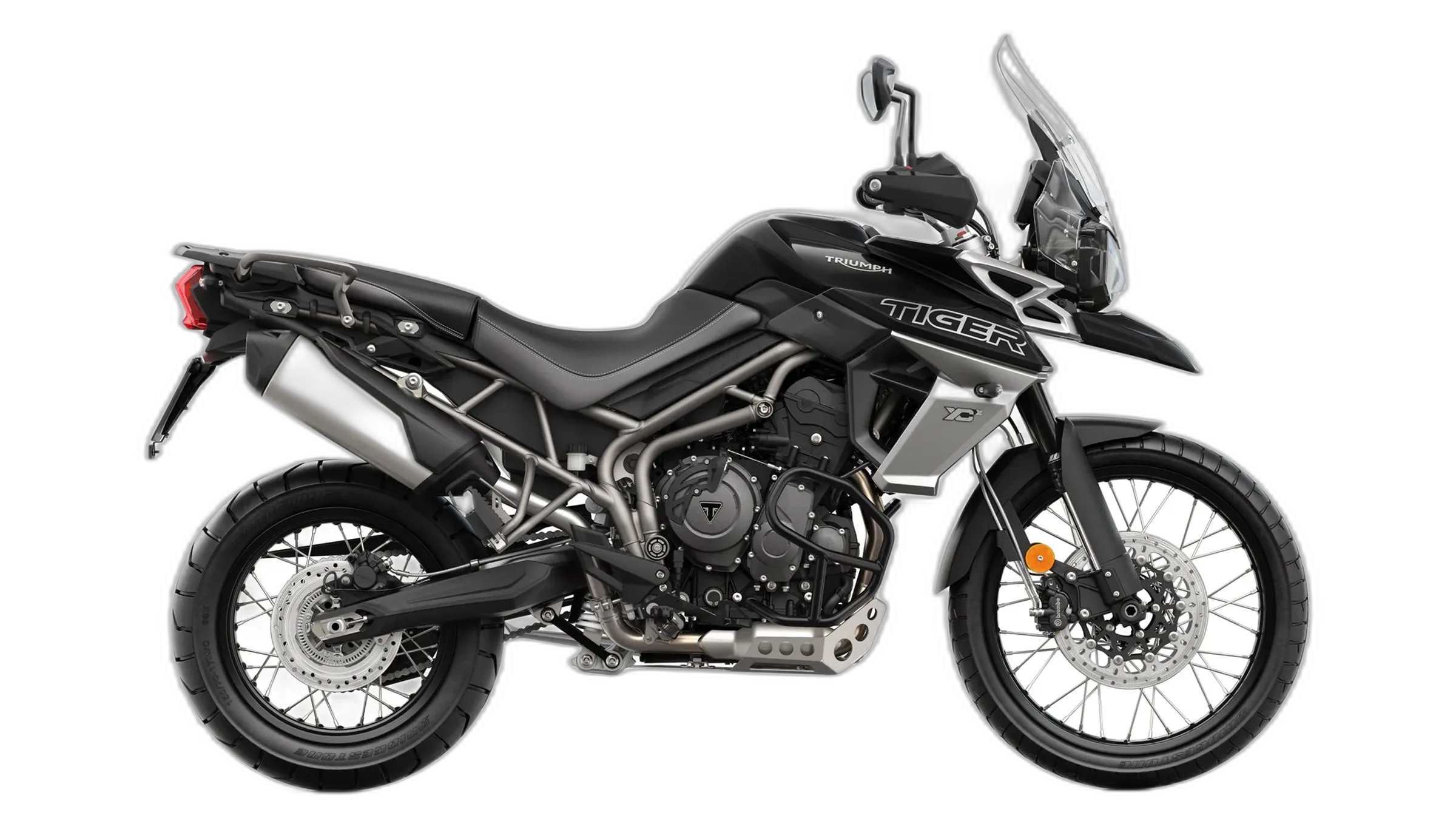

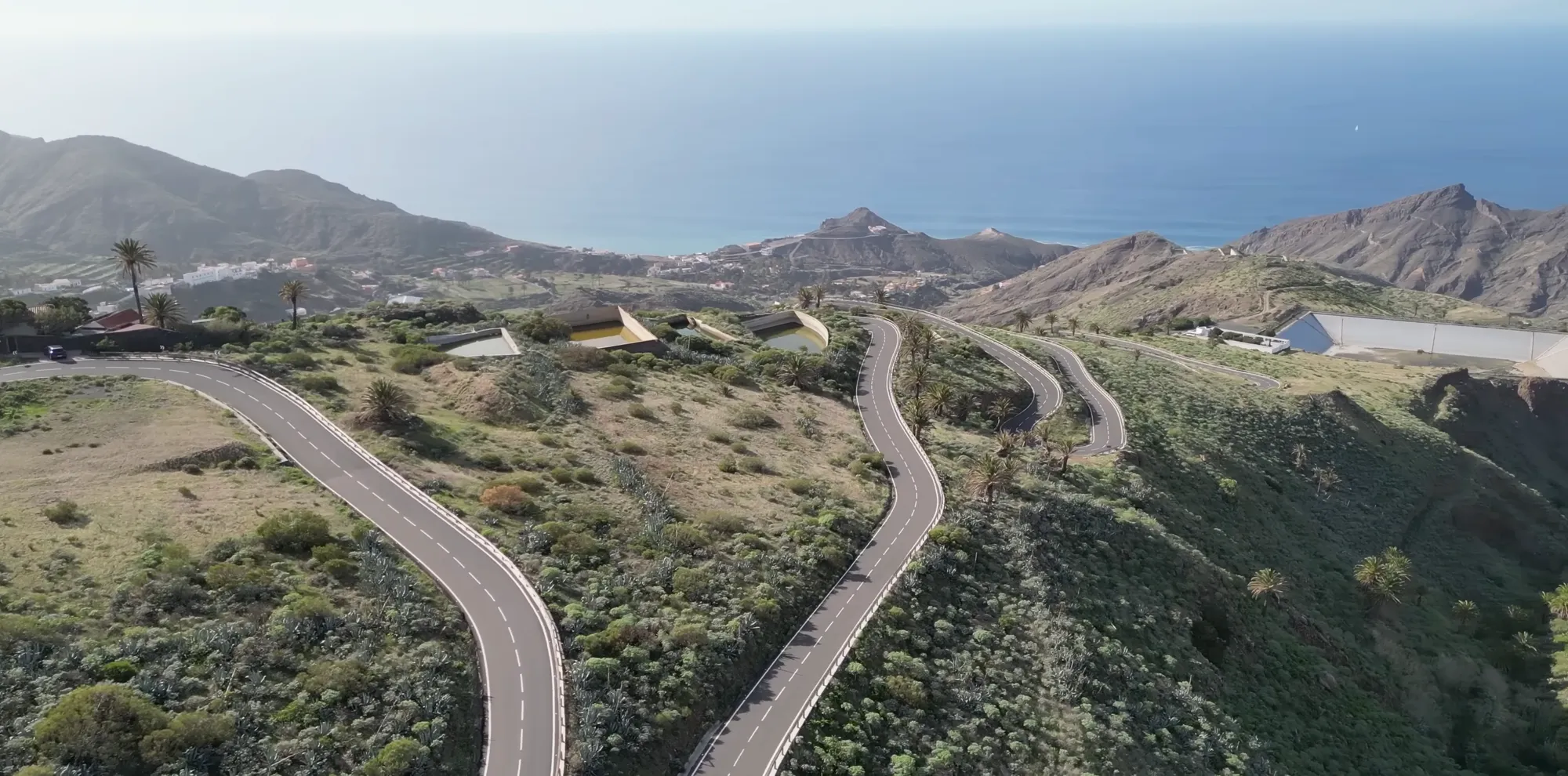
Triumph Tiger 800 XCx (MY2015) — Adventure
NastyNils / Triumph press archive

2015–2019 · Adventure · Buyer's Guide

Tiger 800 XCx (MY2015)

The Triple That Delivers Daily

The Machine's Character

The XCx is built around a 799 cc inline-three making 94 hp and 58 lb-ft, and those figures read smaller on paper than they feel from the saddle. Triumph wrapped that engine in a real adventure chassis: a 21-inch front wheel, 8.7 inches of fork travel, 8.5 inches at the rear, 8.7 inches of ground clearance, with ABS, traction control and ride modes standard. That places it firmly inside the middleweight adventure class rather than at its soft edge. The XCx equipment level carries what a long trip actually needs and skips the rest.

Ownership settles into a simple pattern. At 487 lb wet with a 33.1-inch seat, it asks for a full leg at the curb, then pays you back with a 5.0-gallon tank and 54 mpg, so one fill covers a serious chunk of a day. Build quality holds up over the miles. This is the bike for a rider who wants gravel roads on the itinerary, not the whole itinerary. The XC bodywork suggests more dirt ambition than the bike's character delivers, and the starting fault some of these develop (fuel pump or EMS relay) is the thing to check before money changes hands.

Hard Numbers

Spec sheets don't ride bikes, but they set the baseline.

Show full specs & equipment Hide specs & equipment
Key specifications
Power 94 hp (70 kW) @ 9,250 rpm
Torque 58 lb-ft (79 Nm) @ 7,850 rpm
Displacement 799 cc
Engine Inline-three
Cooling Liquid-cooled
Gearbox 6-speed
Final drive Chain
Fork Upside-down (USD)
Front brake 308 mm
Front tire 90/90-21
Rear tire 150/70-17
Wheelbase 60.8 in (1545 mm)
Ground clearance 8.7 in (220 mm)
Front travel 8.7 in (220 mm)
Rear travel 8.5 in (215 mm)
Seat height 33.1 in (840 mm)
Wet weight 487 lb (221 kg)
Fuel capacity 5.0 gal (19 L)
Top speed 124 mph (200 km/h)
Fuel economy 54 mpg (US)

Equipment check

Chassis

  • Front Suspension Adjustable Standard
  • Rear Suspension Adjustable Standard
  • Cruise Control Standard

Comfort

  • Heated Grips Optional
  • Adjustable Windscreen Standard
  • Adjustable Seat Height Standard

Safety

  • ABS Standard
  • Traction Control Standard
  • Ride Modes Standard

The Voice of Experience

Portrait of NastyNils

The test ride

First thing you notice is the noise. The triple has that layered, slightly hollow howl that gets better the harder you work it, and it never turns coarse on you. Vibration stays low enough that the mirrors still show what is behind you at highway speed. The riding position is upright and roomy, the bars fall to hand without a stretch, and the seat is broad enough that you stop thinking about it after the first hour. Switchgear is logical, so you can change a setting at speed without dropping your eyes. What stays with me is how little the bike asks of you at a normal road pace. Four hundred miles in, nothing aches and nothing has worn thin. It just keeps rolling, and you keep wanting to be on it.

Rated point by point — where it earns its keep

My own 0–100 score for this bike against the class, area by area — the marker on each bar is the class average.

Seven in the morning, office bound, and this is still the bike I want to swing a leg over. That's the whole trick of it. Utility and appetite land in the same machine here, and I never caught myself treating a ride as a chore. The kit reflects the same restraint: the segment asks for a certain list, the XCx supplies it, and nothing on the bike is there to pad a brochure. The XC dress is where I'd temper expectations. It reads dirt, it rides road.

The triple is the reason I keep talking about this bike. It pulls with real intent, feels eager the moment you ask, and I never found a coarse spot anywhere from idle to the top of the tach. Silk-smooth with muscle behind it is not a combination that comes along often, and it's what turns a long day into an easy one. Strength and refinement usually cost each other something. Here they don't.

Read the output figures and you'll walk up to this Tiger expecting less than it delivers. I did. Then you get on, and the skepticism goes away inside the first stretch of road. What the bike does under you simply isn't what the paper suggests, and the gap is wide enough that data alone will send you to the wrong conclusion. This is one I'd want a rider to ride before judging it.

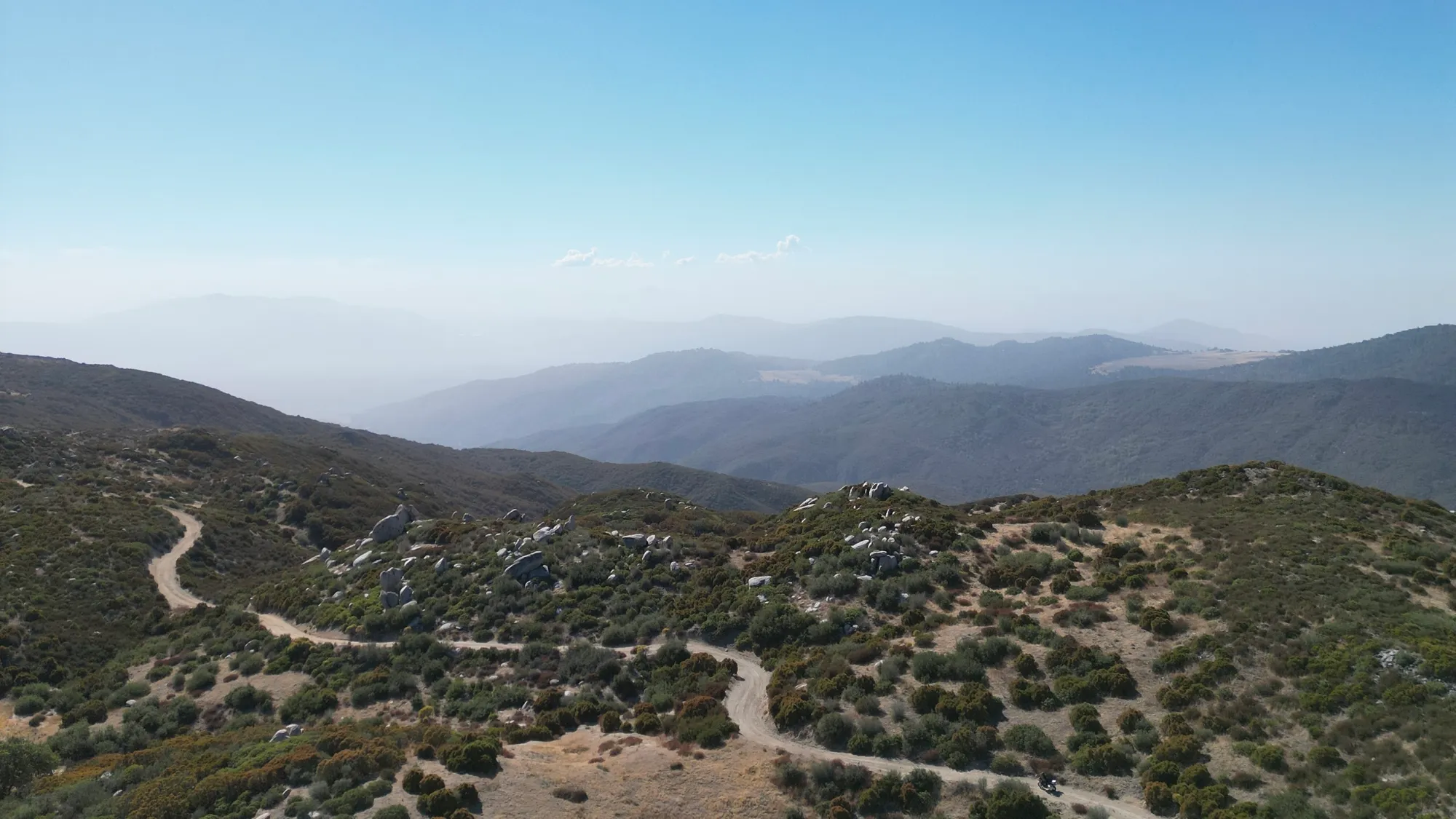
Aerial drone view of Palomar Divide Road winding through chaparral-covered mountain ridges in San Diego County. Multiple S-curve sections descend through sparse vegetation with distant valley views visible in the haze. Gravel and packed-earth surface.

The Truth on the Street

This part of the guide isn't mine. It comes from years of listening: conversations at events, riders comparing notes a season or two into ownership, and the messages that land in my inbox once someone has lived with the bike long enough to have a settled view. On this Tiger, the feedback sorts itself into unusually tight clusters.

Where the owner praise concentrates

Two things dominate. Owners talk about durability and finish that hold up over serious mileage, and they talk about the triple: drive available low in the rev range, a rush at the top, and a spread that suits highway miles as readily as a good backroad. Loose surfaces draw steady approval as well, with riders describing real competence on gravel and dirt and crediting the off-road modes and switchable traction control for the confidence. Electronics get called intuitive rather than intrusive, and comfort holds across long days in the saddle.

The gripes riders keep raising

Low-speed handling comes up most. With fuel carried high, owners describe a top-heavy, slightly vague feel at walking pace and awkwardness where the going gets tight. Riders over 200 lb say the stock springs run soft, diving and wallowing once the pace climbs. Sixth gear draws its own complaint: geared low enough that freeway work means revs, vibration and more fuel used. A few owners mention rear pad material coming apart early and marking the rotor.

Known issues

  • Intermittent starting failure (fuel pump/EMS relay)

    engine occasional

    Engine cranks but fails to start, often linked to fuel pump pressurization or EMS relay malfunction. Multiple owners report recurrence after component replacement. Appears to affect earlier models within generation.

  • Coolant hose clamp leaks

    cooling rare

    Loose hose clamps may allow minor coolant seepage; retightening resolves the issue. Not widespread.

  • Rear suspension rattle

    suspension occasional

    A rattling noise from the rear suspension area, reported across multiple XCx bikes; no impact on performance but annoying.

The Expert Benchmark

Where this Triumph Tiger 800 XCx pulls ahead of — or falls behind — its rivals on the numbers, and the typical bike in its class on character.

What kind of bike this is — character vs. the class

This bike Class average

The shape of the Triumph Tiger 800 XCx — numbers and character vs. the average Adventure

Head-to-head: Triumph Tiger 800 XCx vs. its rivals

The Long-Haul Verdict

Forget spec-sheet bragging. Here's who the Tiger 800 XCx is actually built for.

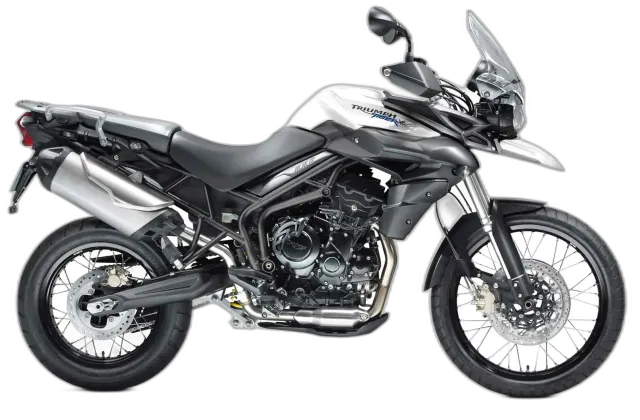
Aerial view of a winding asphalt road cutting through volcanic terrain on La Gomera, Canary Islands. The road curves through sparse green vegetation with rocky volcanic peaks visible in the background and a settled valley to the left. Clear lane markings, dry climate, partly cloudy sky.

Best touring motorcycle for long distance?

You'll cover the big routes in comfort, and 54 mpg from a 5.0-gallon tank keeps the stops rare. It's a 487 lb middleweight, so pack with some discipline and it will hold up all season.

Made for Beartooth Highway · Blue Ridge Parkway · Going-to-the-Sun Road
Best motorcycle for Highway 1?

This is your sweet spot. Upright, comfortable, quick enough to enjoy a good road for 300 miles, and it never demands anything from you on the dull stretches in between.

Made for Black Hills · Blue Ridge Parkway · Cherohala Skyway

Best motorcycle for BDR routes?

The 21-inch front and 8.7 inches of travel are real, so graded dirt and forest roads are fair game. Plan a route with dirt sections in it rather than a route made entirely of them.

Made for AZBDR — Arizona Backcountry Discovery Route · California BDR South · COBDR — Colorado Backcountry Discovery Route

What's new versus the previous generation

If you're cross-shopping the older generation, here's what changed.

Triumph Tiger 800 XC (A08)

Previous generation · 2011–2014

Triumph Tiger 800 XC (A08)

Triple Smoothness, Real Dirt Credentials

Compare to the previous model →

Alternatives to the Triumph Tiger 800 XCx

If this one isn't quite the fit, these are the bikes worth riding back-to-back against it.

Any price note compares both bikes at the same age — the youngest age both have on the used market — against this Triumph Tiger 800 XCx. “cheaper/pricier” is what that bike costs second-hand, not how worn it is.