·

BMW F 800 GS Adventure (K75) — Adventure
NastyNils / BMW Press

2013–2018 · Adventure · Buyer's Guide

F 800 GS Adventure (K75)

The Long-Haul Dirt Hauler

The Machine's Character

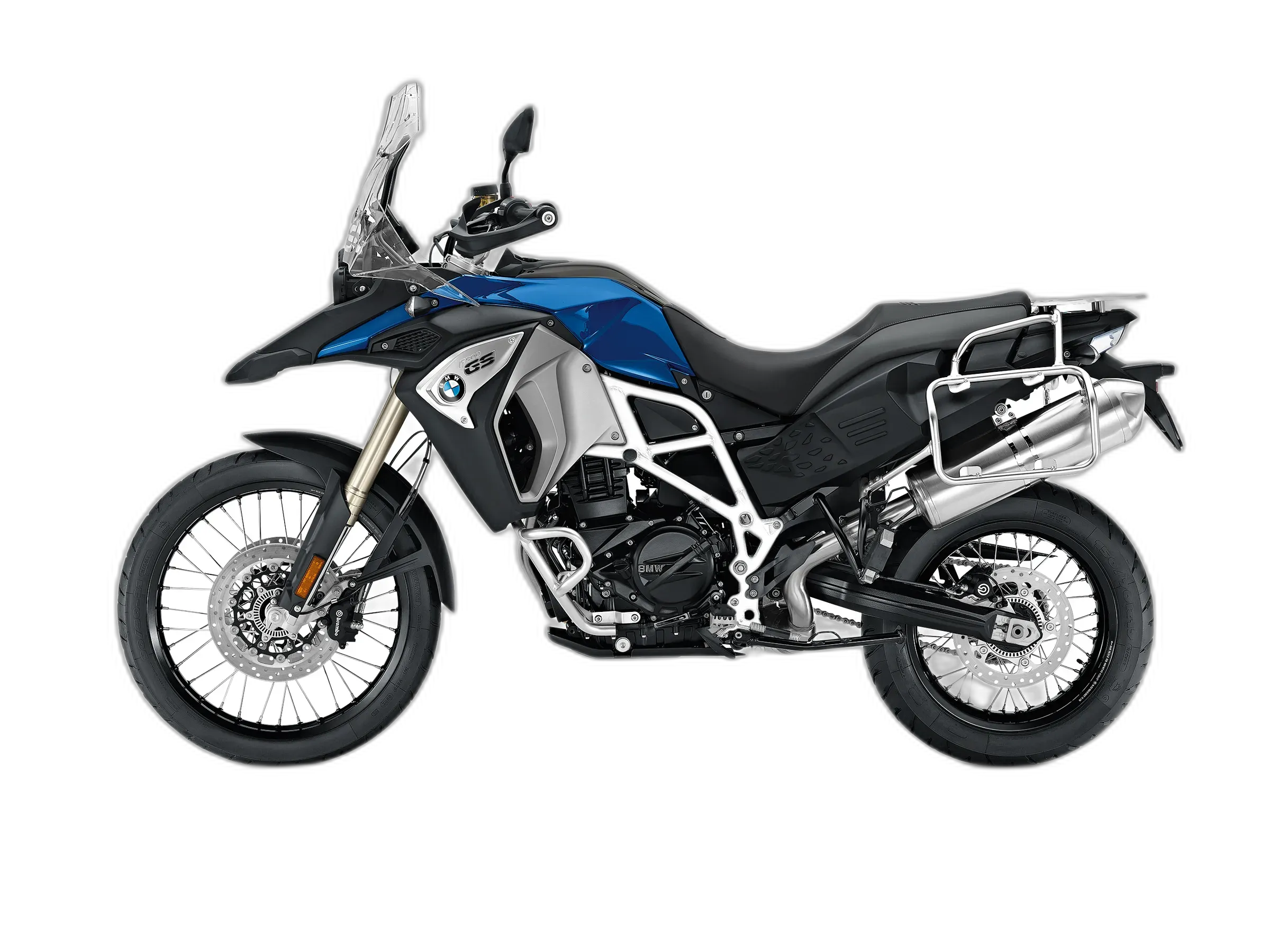
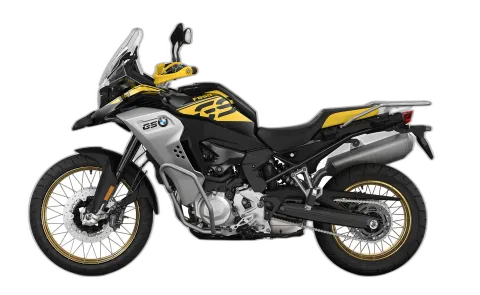
The F 800 GS Adventure takes the middleweight parallel-twin and builds it out for distance. The 798 cc engine makes 86 hp and 61 lb-ft, enough to keep a loaded bike moving without ever feeling frantic. What sets this version apart is the hardware wrapped around it: a 6.3 gal (24 L) tank, a reinforced subframe, a 21-inch front wheel, and 9.1 in (230 mm) of front travel that let it treat a gravel turnoff as a real option instead of a photo opportunity. In its class it lands as one of the most genuinely versatile middleweights, equally at home crossing a state or crossing a dry riverbed.

It ages honestly if you stay ahead of it. Wheel and steering-head bearings wear early, especially off-road, so they want inspecting at every tire change, and the immobiliser antenna ring around the ignition can turn temperamental. This is the bike for the rider who wants one machine for pavement and dirt and refuses to treat the dirt part as decoration. In tight terrain it shrinks around you in a way bigger adventure bikes never quite manage, which is a big part of why owners hold onto them. Just know the electronics are sparse and hard freeway miles two-up are not where it shines.

Hard Numbers

Spec sheets don't ride bikes, but they set the baseline.

Show full specs & equipment Hide specs & equipment
Key specifications
Power 86 hp (63 kW) @ 7,500 rpm
Torque 61 lb-ft (83 Nm) @ 5,750 rpm
Displacement 798 cc
Engine Parallel twin
Cooling Liquid-cooled
Gearbox 6-speed
Final drive Chain
Fork Telescopic
Front brake 300 mm
Front tire 90/90-21
Rear tire 150/70-17
Wheelbase 62.0 in (1575 mm)
Ground clearance 9.3 in (235 mm)
Front travel 9.1 in (230 mm)
Rear travel 8.5 in (215 mm)
Seat height 35.0 in (890 mm)
Wet weight 505 lb (229 kg)
Fuel capacity 6.3 gal (24 L)
Top speed 124 mph (200 km/h)
Fuel economy 50 mpg (US)

Equipment check

Chassis

  • Electronic Suspension BMW ESA (Electronic Suspension Adjustment) Damping tuning to styleAuto load leveling Optional
  • Rear Suspension Adjustable Standard

Comfort

  • Heated Grips Optional
  • Adjustable Windscreen Standard

Safety

  • ABS Standard
  • Traction Control Optional
  • Ride Modes Optional

The Voice of Experience

Portrait of NastyNils

The test ride

Roll up to where the asphalt ends and you find yourself turning onto the gravel without the usual mental math about weight or whether there's room to turn around. That confidence is the first thing you notice. The standing position is the second. It's genuinely comfortable, comfortable enough that you stay up on the pegs through long trail sections instead of hunting for the next smooth patch to sit back down. On rough ground the bike stays good-natured and quietly covers for your mistakes. The catch shows up on the highway. At a relaxed two-up cruise the wind protection and seat hold up fine, but wind it out to pass and the vibration and mechanical noise climb fast, with the cable-pull throttle feeling heavy under your right hand the whole time.

Rated point by point — where it earns its keep

My own 0–100 score for this bike against the class, area by area — the marker on each bar is the class average.

What jumps off the spec sheet for me is efficiency. This parallel twin is genuinely frugal, and married to the oversized tank, the distance it covers between fill-ups reshapes how a whole day of riding gets planned. Instead of routing around gas stops, I could point at where I actually wanted to go and let the fuel gauge look after itself. On a long trip that kind of independence counts for more than almost any headline figure the brochure quotes.

Comfort draws a clear line between cruising and pushing. Two-up and fully loaded at a settled highway pace, the fairing and saddle kept me content for hours. Demand a hard overtake and it changes fast: buzz and mechanical racket climb to a pitch that makes sustained speed genuinely tiring. Riders who regularly stitch together long stretches of interstate will want more displacement. The support tech is thin as well, with no lean-sensitive assistance and no way to pair a phone.

The real handling story is how little this bike asks of you when the going gets tight. Less weight and less width than a full-size adventure rig means less anxiety about correcting a mistake, and that reduced overhead quietly turns into more actual riding. There's a ceiling, though. The suspension is tuned soft, and with a passenger aboard it goes lazy and slow to respond. The front fork offers no adjustment at all, so once it softens up, firming it back is simply off the table.

Practicality here comes down to breadth, and very few bikes reach this far. Serious weather protection and genuine all-day touring composure usually ship in a machine that gets skittish the instant the tarmac runs out. Real off-road ability usually arrives at the cost of road manners going the other way. What impresses me is that this one shoulders both without the balance feeling forced, folding wind cover, long-haul comfort, a big fuel supply, and honest trail skill into one coherent tool. Even current rivals struggle to assemble that mix with the same conviction.

Off-road is where this bike quietly overdelivers. Terrain I'd have argued myself out of on something heavier the day before became routine, and I stepped off after long, rough days genuinely satisfied rather than beaten up. The standing position earns its own credit. It stays relaxed enough to hold for real distances, so I rode entire broken sections upright on the pegs instead of sitting back at the first opening. Machines of this displacement seldom let you ride that way.

If there's a sour note on this powertrain, it's the throttle mechanism rather than the motor itself. The bike runs a mechanical cable instead of an electronic connection, and after time on newer machinery the response feels weighty and a little blunt, taking a fraction longer to deliver the exact opening you dialed in. It works fine and it stays dependable. What it can't hide is its generation, and you feel that every time a situation calls for a fast, fine adjustment of the right hand.

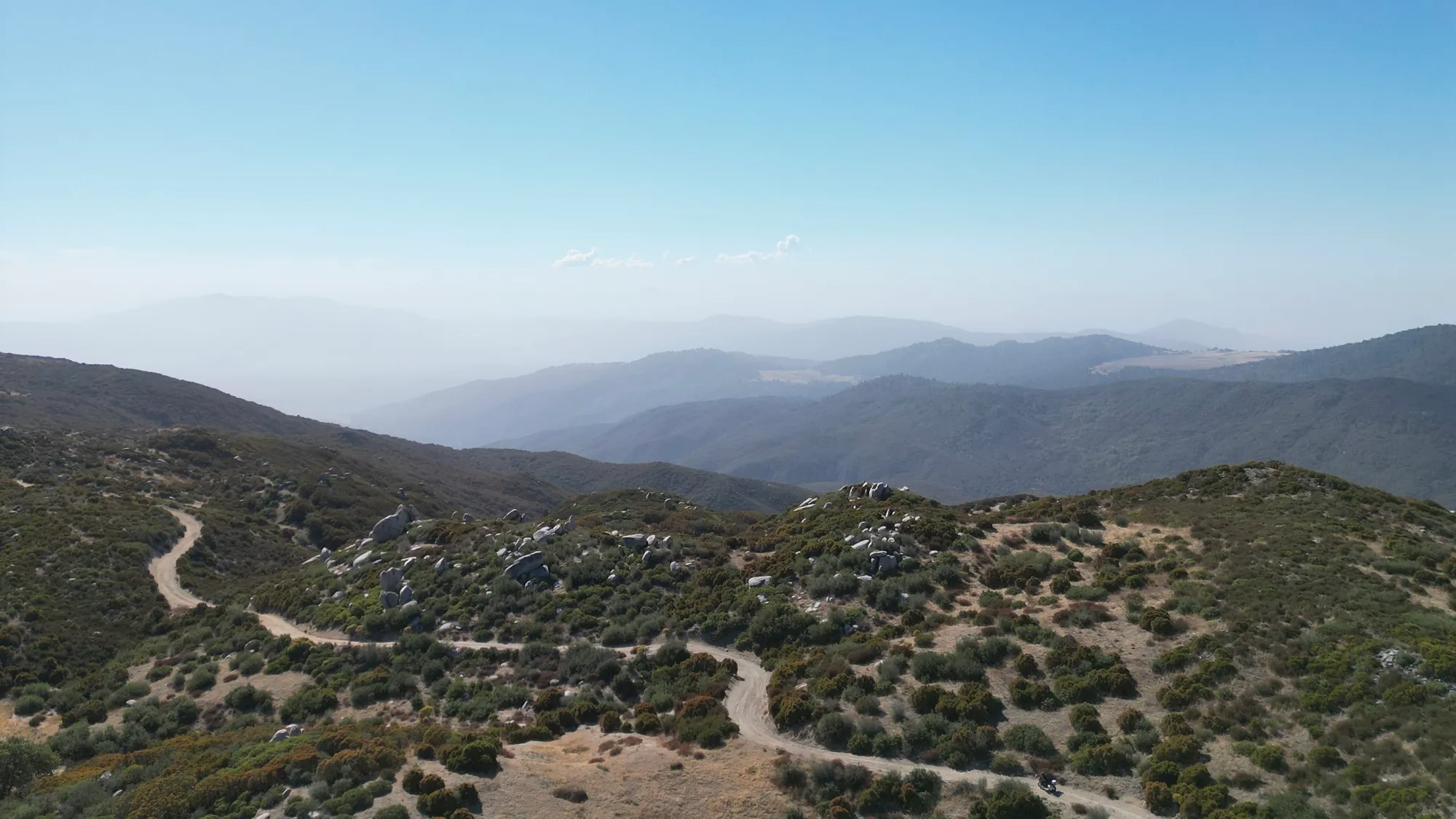
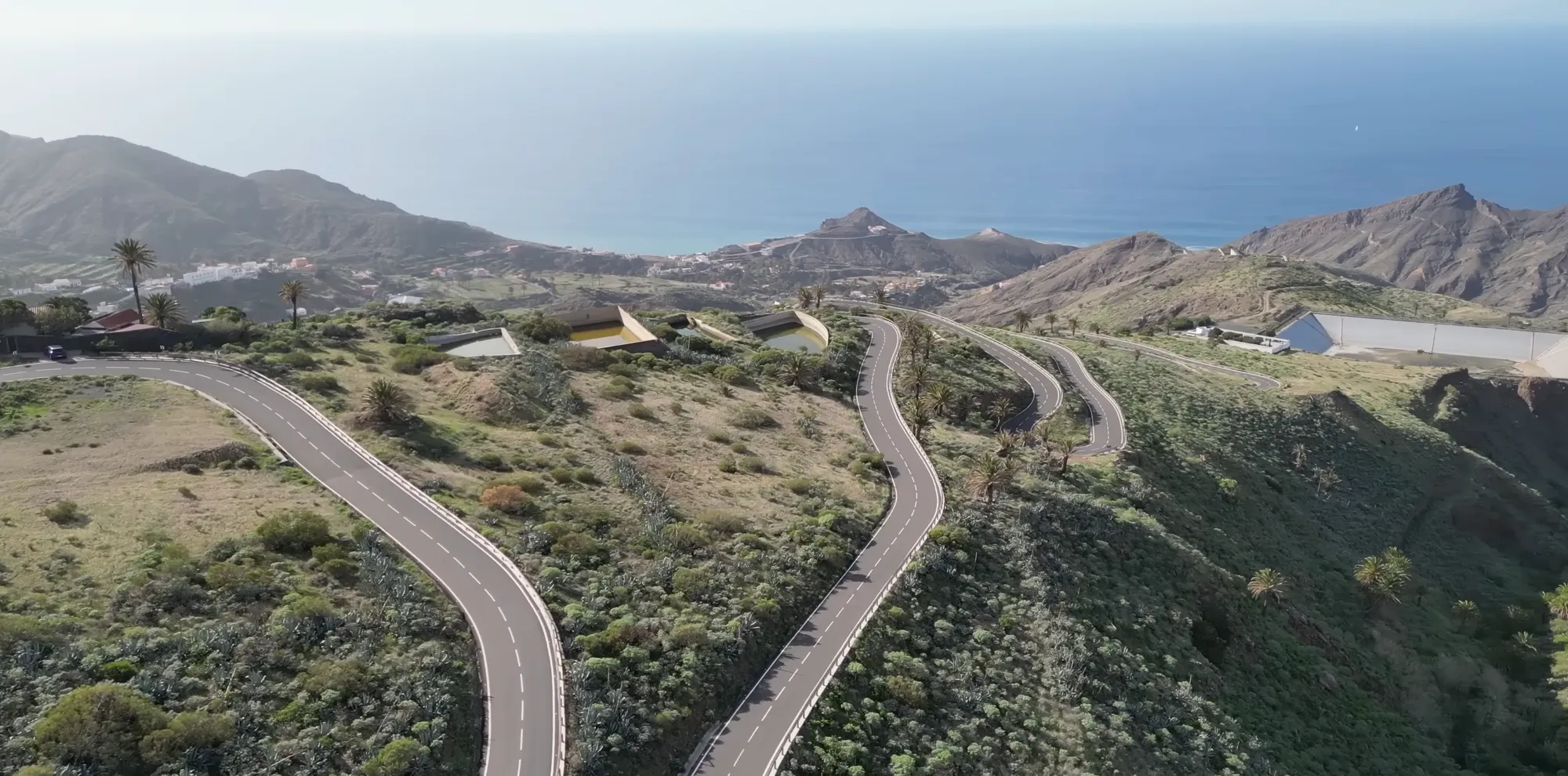
Aerial drone view of Palomar Divide Road winding through chaparral-covered mountain ridges in San Diego County. Multiple S-curve sections descend through sparse vegetation with distant valley views visible in the haze. Gravel and packed-earth surface.

The Truth on the Street

Known issues

  • Wheel bearing failure

    chassisoccasional

    Front and rear wheel bearings can fail early, especially on bikes used off‑road. Symptoms include grinding, play, and noise. Inspect at every tyre change.

  • Steering head bearing failure

    chassiscommon

    Bearings wear prematurely, leading to a notchy feel, instability, and resistance to steering input. Regular servicing and early replacement (often with tapered rollers) recommended.

  • Immobiliser ring antenna failure

    electricsrare

    The antenna ring around the ignition barrel can fail, preventing the bike from starting. Often intermittent at first. Replacement antenna or bypass with a tuning module is required.

  • Stator failure on early K75 models

    electricsoccasional

    Stator failures are a known F800-series weakness: the stator sits in a confined, poorly-ventilated cavity and can overheat and fail. BMW addressed this with a redesigned vented flywheel (added cooling holes) that improves stator cooling — the fix this Adventure generation already carries from the factory — and a revised part (# 12317707594) is more reliable.

  • Corroded fasteners and engine paint

    bodyworkoccasional

    Fairing bolts, footpeg mounts, and engine casing paint are susceptible to surface corrosion, particularly on bikes used in winter or stored outdoors. Regular application of anti‑corrosion spray minimises deterioration.

The Expert Benchmark

Where this BMW F 800 GS Adventure pulls ahead of — or falls behind — its rivals on the numbers, and the typical bike in its class on character.

What kind of bike this is — character vs. the class

This bike Class average

The shape of the BMW F 800 GS Adventure — numbers and character vs. the average Adventure

Head-to-head: BMW F 800 GS Adventure vs. its rivals

The Long-Haul Verdict

Forget spec-sheet bragging. Here's who the F 800 GS Adventure is actually built for.

Aerial view of a winding asphalt road cutting through volcanic terrain on La Gomera, Canary Islands. The road curves through sparse green vegetation with rocky volcanic peaks visible in the background and a settled valley to the left. Clear lane markings, dry climate, partly cloudy sky.

Best touring motorcycle for long distance?

For coast-to-coast park runs the big tank and 50 mpg range are a real gift, and the comfort holds at a steady cruise. Loaded two-up, though, this middleweight would rather you not lean on the throttle for hours at a time.

Made for Beartooth Highway · Blue Ridge Parkway · Going-to-the-Sun Road
Best motorcycle for Highway 1?

Day stages of sweepers and scenery suit it well, with the comfort and range for 200 to 400 mile loops. Just know the soft, fixed-fork front end loses some crispness once you load it two-up.

Made for Black Hills · Blue Ridge Parkway · Cherohala Skyway

Best motorcycle for Moab?

Light, slim, and confident once the asphalt ends, it lets you commit to technical lines and stay on the pegs all day. For serious slickrock and sand skill work, it genuinely earns its keep.

Made for Bar M / Kane Creek · Imperial Sand Dunes · Johnson Valley OHV Area

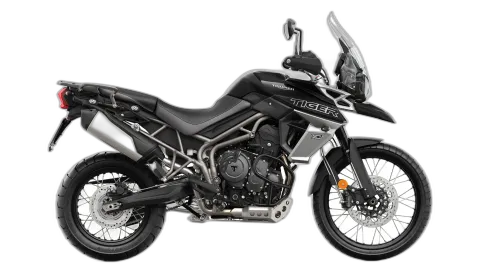
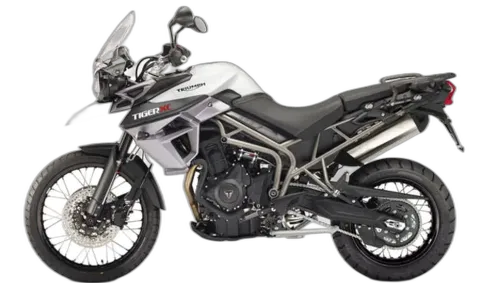
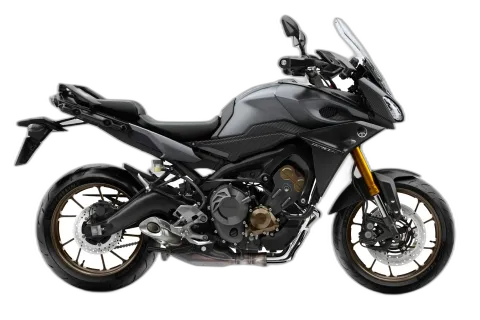
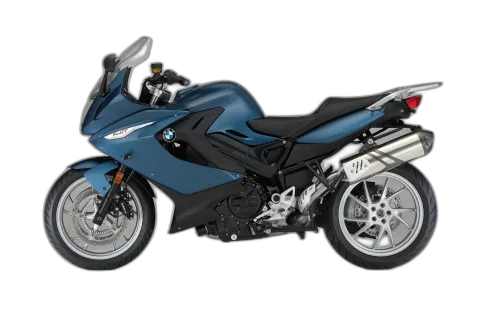
Alternatives to the BMW F 800 GS Adventure

If this one isn't quite the fit, these are the bikes worth riding back-to-back against it.

Any price note compares both bikes at the same age — the youngest age both have on the used market — against this BMW F 800 GS Adventure. “cheaper/pricier” is what that bike costs second-hand, not how worn it is.