
Triumph Tiger 800 (MY2011) — Adventure
NastyNils / Triumph Press

2011–2014 · Adventure · Buyer's Guide

Tiger 800 (MY2011)

The Triple That Does Everything

The Machine's Character

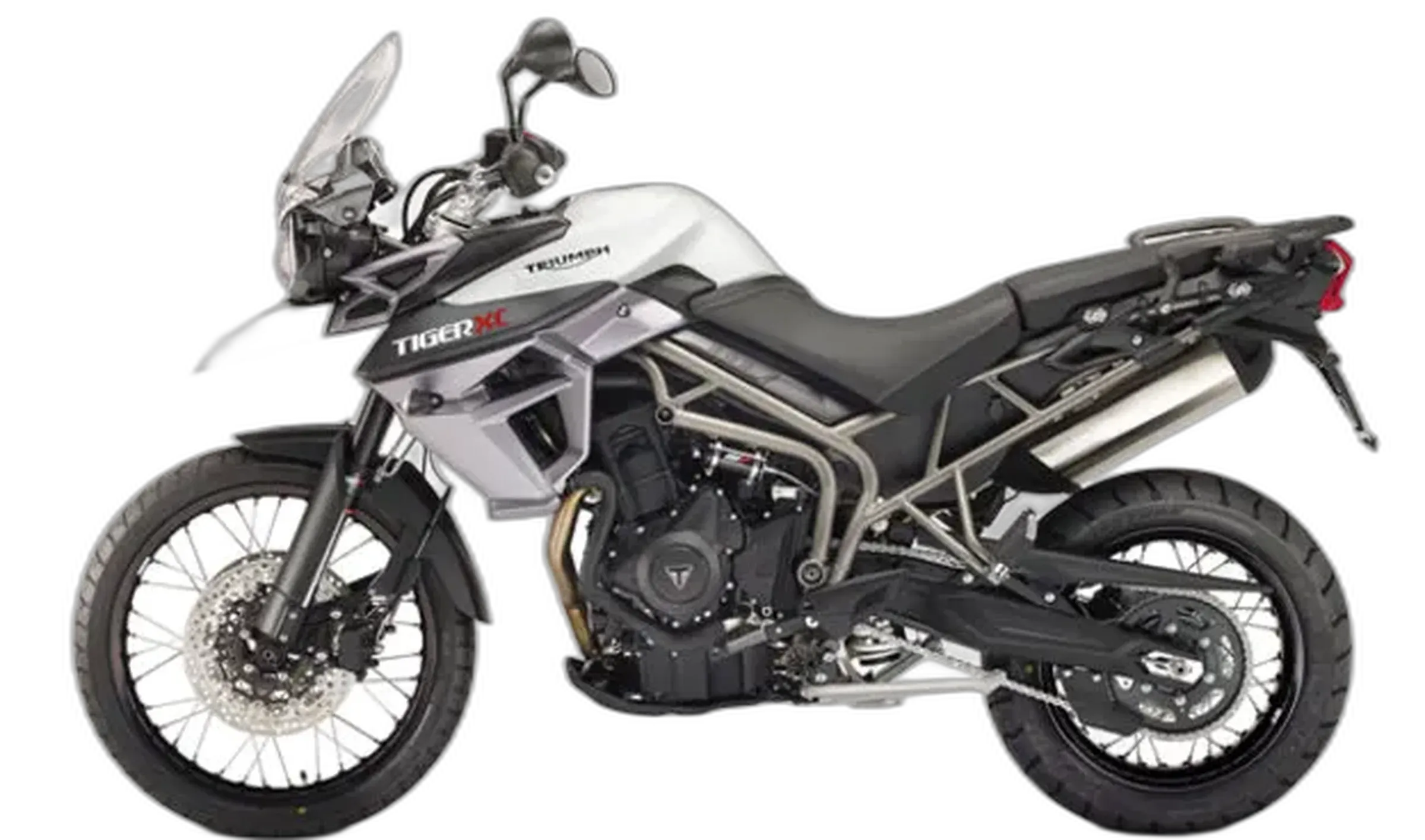
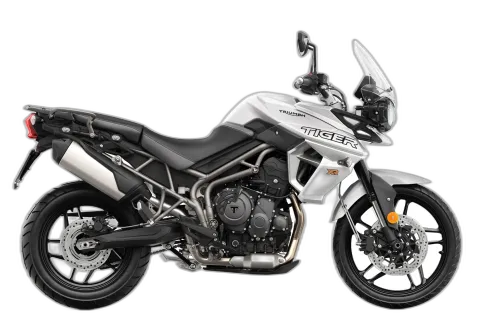
The Tiger 800 is built around a 799 cc inline-three that pulls clean from town speed out to highway pace, with 94 hp and 58 lb-ft spread across a wide, usable band. This is a middleweight adventure bike that puts its weight on the road side of the ledger without giving up light trail work. The 19-inch front wheel and generous travel keep it planted, and the triple hands it a character most machines in this space simply don't have. It reads as the reliable partner for the long escape, and that triple growl under load is what makes it stick in your memory after the ride ends.

On the road it rides lighter than its 463 lb suggests, turning in quickly and holding a line without fuss. It ages well, too. Reliability is its strongest measured trait, and the accessory program was built into the bike from the start, so kitting it out for real travel is straightforward. It fits the rider who wants one machine for big miles, national parks, and the occasional gravel detour. The honest caveat sits in the suspension: the base bike leaves you next to nothing to adjust, so heavy loads and hard mountain pace put you on Triumph's factory settings and nothing else.

Hard Numbers

Spec sheets don't ride bikes, but they set the baseline.

Show full specs & equipment Hide specs & equipment
Key specifications
Power 94 hp (70 kW)
Torque 58 lb-ft (79 Nm)
Displacement 799 cc
Engine Inline-three
Cooling Liquid-cooled
Gearbox 6-speed
Front tire 100/90-19
Rear tire 150/70-17
Wheelbase 61.2 in (1555 mm)
Ground clearance 8.3 in (210 mm)
Front travel 7.1 in (180 mm)
Rear travel 6.7 in (170 mm)
Seat height 31.9 in (810 mm)
Wet weight 463 lb (210 kg)
Fuel capacity 5.0 gal (18.9 L)

Equipment check

Comfort

  • Heated Grips Optional
  • Adjustable Seat Height Standard
  • Luggage System Optional

Connectivity

  • Tire Pressure Monitoring (TPMS) Optional

Safety

  • ABS Optional

The Voice of Experience

Portrait of NastyNils

The test ride

Settle in and the ergonomics land right for an average-height rider before you touch a thing. The aluminum bar sits wide and well-shaped, the seat spreads your weight naturally, and two height settings mean most people find their fit. The clutch pull is light and the gearbox stacks up without hunting, and over a long day in traffic that refinement is what saves your left hand. The triple's voice sits behind you, smooth and willing. That compact screen does more than its size promises, pushing enough air over your chest to keep highway miles from grinding you down. One irritation you meet on the move is the trip computer: working it means stretching forward to the dash and off the bars at exactly the wrong moment.

Rated point by point — where it earns its keep

My own 0–100 score for this bike against the class, area by area — the marker on each bar is the class average.

Sit on it and the fit lands before you've touched a single control. Two seat heights cover most people, and for an average-height rider the geometry does the rest, spreading your weight through a wide, well-shaped aluminum bar and a seat that supports rather than perches. The screen is the surprise. It's a compact piece on a modest fairing, but it moves enough air over your chest to keep long highway stints from wearing you down, without walling you off the way a full touring setup can. My one gripe lives on the dash: the trip computer sits far enough forward that reading it means reaching for it, and doing that while the bike's moving is never the moment you want.

First grab at the front lever, especially straight off a sportbike, it feels soft, and I nearly wrote it down as underdone. That was a misread. Commit properly and it stops the bike hard, with feel that stays precise all the way through the stroke instead of going wooden at the end. Once I recalibrated, the logic clicked: the modulation is measured on purpose, matched to how the whole machine is set up rather than tuned for a first-impression bite it doesn't need. It fits.

This is where the triple stops being a talking point and starts earning its keep. The heavier crank was supposed to cost it some agility, and I kept waiting to feel that penalty. It never showed. Bar pressure or a shift of weight, either one gets an immediate, precise answer, and it settles onto whatever line I picked and holds it. Brake in late and the front stays composed, taking the load without folding, closer to how a naked bike behaves than a loaded tourer, with real reserve left when it's time to commit. The honest limit is adjustment. On the base bike you get hydraulic rear preload and nothing else, no compression, no rebound, so a hard pace or a heavy load puts you on the factory settings and keeps you there.

For real travel, this Tiger gets the big things right and leaves a couple of chores on your plate. The tank holds enough to route through empty country without mapping every gas station or babysitting the gauge, which is the kind of range that actually opens up a trip. What impressed me more is the accessory program: it runs deep and was clearly drawn up alongside the chassis rather than bolted on later. You find recesses molded under the seat for tank-bag straps, small evidence that someone thought about loaded touring from the first sketch. It leaves third-party suppliers almost nothing to do. Two things I'd flag before you commit. The center stand is a paid add-on, and on a bike meant for chain maintenance, tire work, and careful packing, I'd order it at the dealer without a second thought. And it runs a chain rather than a shaft, so tension and lube move from background tasks into part of how you plan the miles.

What I respect here is the range this bike covers without ever feeling watered down. There's a restricted version for newer riders, but the full machine keeps something in reserve for an experienced hand no matter where you're working it. The engine character and the chassis balance hold together across the whole spread, town crawl to hard road pace, and neither end feels dialed back to make the other work. It stays genuinely engaging the longer you ride it, which is the harder trick for a bike this broadly aimed.

The 799 triple is the reason I'd keep coming back to this thing. It hangs on the throttle hard and clean, no lag, no stumble off the bottom, and the band is broad enough that top gear covers you from town speed clear out to the highway without the motor ever protesting. Dropping a cog isn't work you owe the engine, it's a choice you make just to hear it breathe, and it pays you back for it. The rest is refinement I only noticed when the day got long: a light clutch pull and a gearbox that stacks its ratios without hunting for them. In stop-and-go traffic that's the part that saves your left hand.

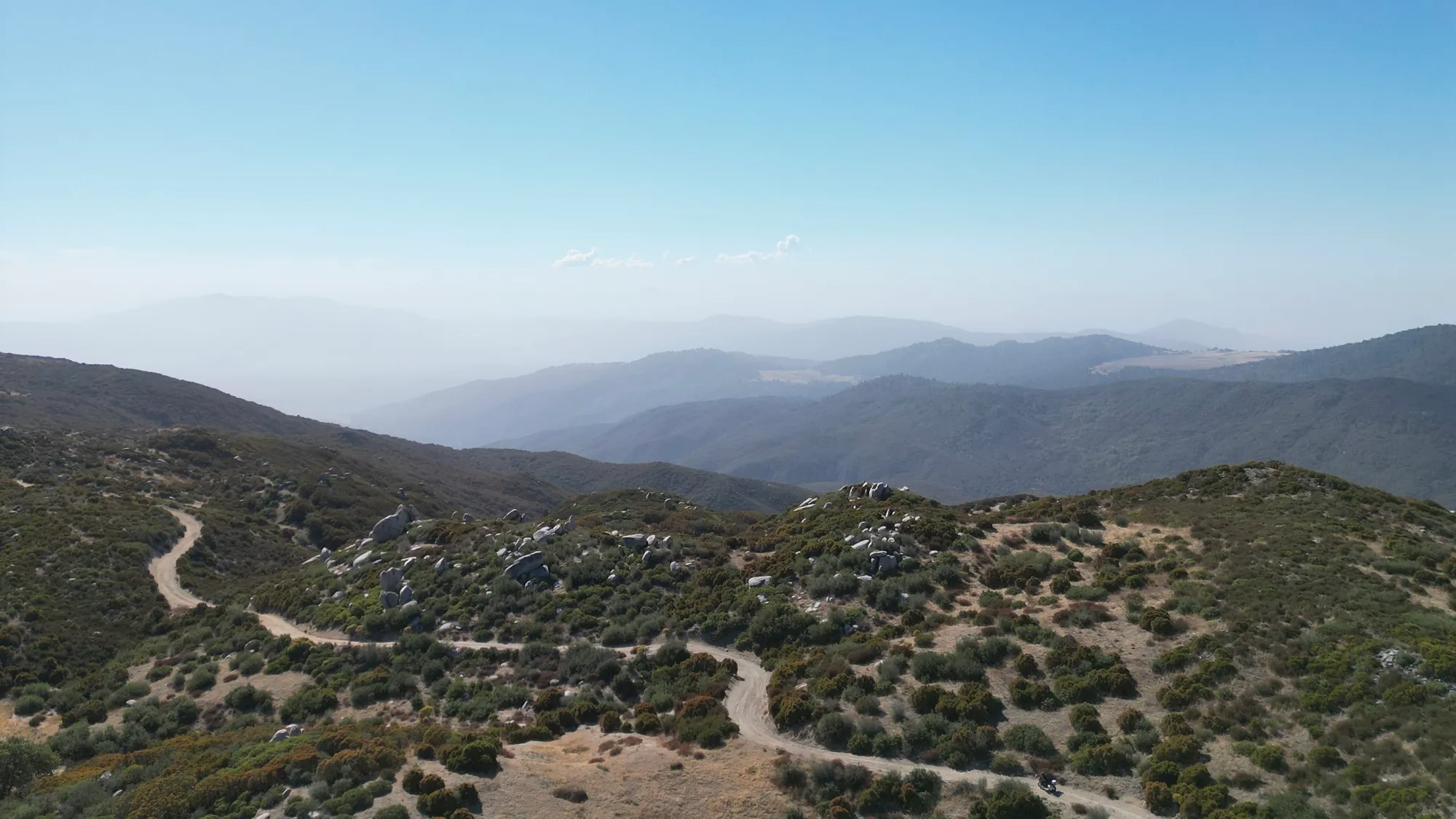
Aerial drone view of Palomar Divide Road winding through chaparral-covered mountain ridges in San Diego County. Multiple S-curve sections descend through sparse vegetation with distant valley views visible in the haze. Gravel and packed-earth surface.

The Truth on the Street

Known issues

  • ECU stalling on deceleration

    electricsoccasionalRecall

    On affected models (built Sept 2010–Aug 2011), the engine could unexpectedly stall during deceleration. Triumph recalled the motorcycles to update the engine management software.

  • Optional center stand spring failure

    bodyworkoccasionalRecall

    The return spring on the accessory center stand could fracture, causing the stand to drop and potentially contact the road. A recall replaced the spring with a stronger design.

The Expert Benchmark

Where this Triumph Tiger 800 pulls ahead of — or falls behind — its rivals on the numbers, and the typical bike in its class on character.

What kind of bike this is — character vs. the class

This bike Class average

The shape of the Triumph Tiger 800 — numbers and character vs. the average Adventure

Head-to-head: Triumph Tiger 800 vs. its rivals

The Long-Haul Verdict

Forget spec-sheet bragging. Here's who the Tiger 800 is actually built for.

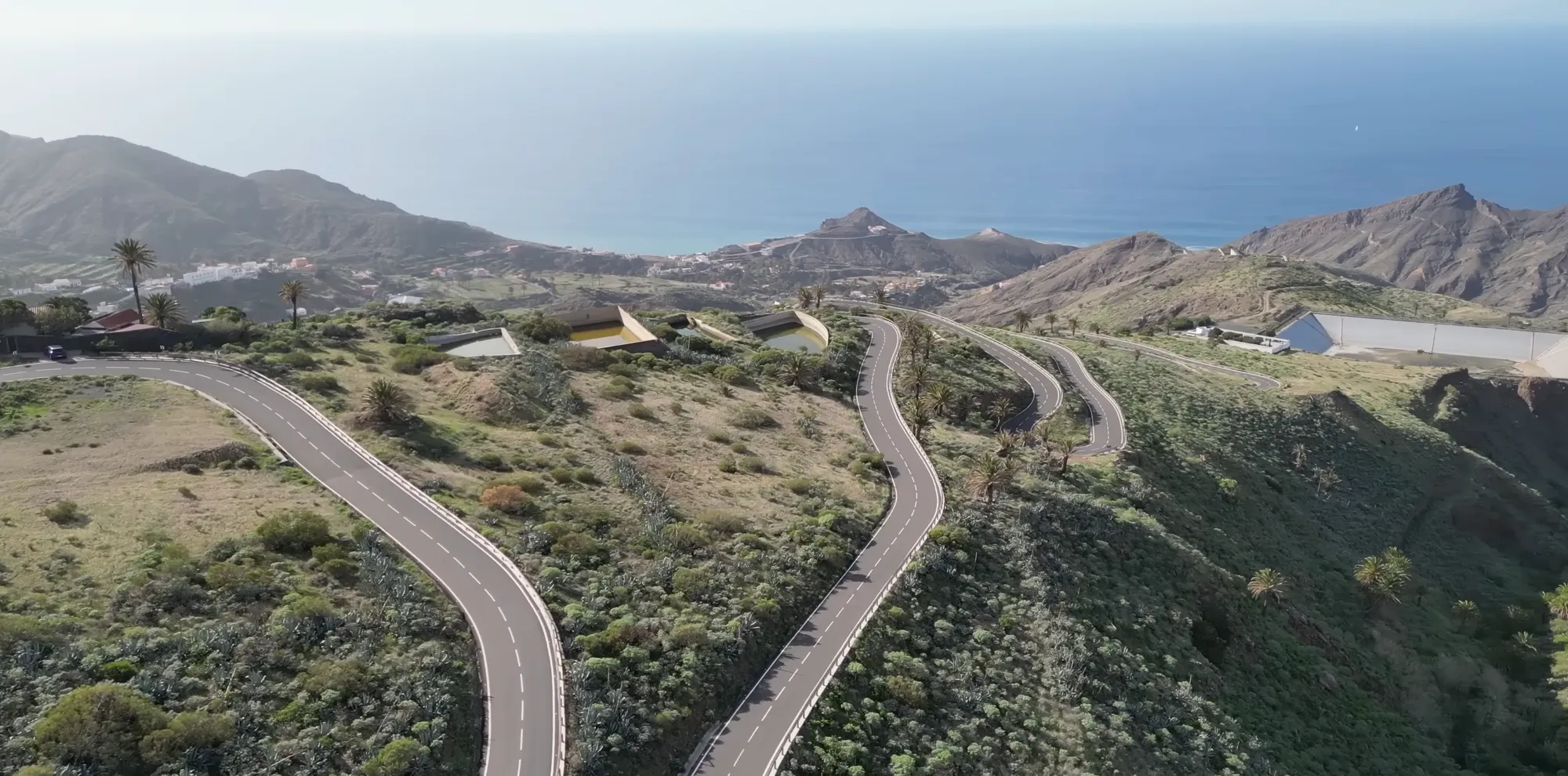
Aerial view of a winding asphalt road cutting through volcanic terrain on La Gomera, Canary Islands. The road curves through sparse green vegetation with rocky volcanic peaks visible in the background and a settled valley to the left. Clear lane markings, dry climate, partly cloudy sky.

Best touring motorcycle for long distance?

If you're chasing Going-to-the-Sun and Beartooth two-up with the bags full, this Tiger has the range, comfort, and load space for it. Just know the base suspension won't let you tune for the extra weight.

Made for Beartooth Highway · Blue Ridge Parkway · Going-to-the-Sun Road

Best motorcycle for Highway 1?

Day-long runs on Highway 1 or the Blue Ridge play right into this bike's hands. It turns in eagerly, stays comfortable at pace, and the triple keeps things interesting without wearing you out.

Made for Black Hills · Blue Ridge Parkway · Cherohala Skyway
Best motorcycle for BDR routes?

For BDR logistics the range and load capacity are here, and it's a genuine middleweight. But it leans to the road, the suspension doesn't adjust, and the chain adds to your maintenance list on long dirt.

Made for AZBDR — Arizona Backcountry Discovery Route · California BDR South · COBDR — Colorado Backcountry Discovery Route

Alternatives to the Triumph Tiger 800

If this one isn't quite the fit, these are the bikes worth riding back-to-back against it.

Any price note compares both bikes at the same age — the youngest age both have on the used market — against this Triumph Tiger 800. “cheaper/pricier” is what that bike costs second-hand, not how worn it is.