·

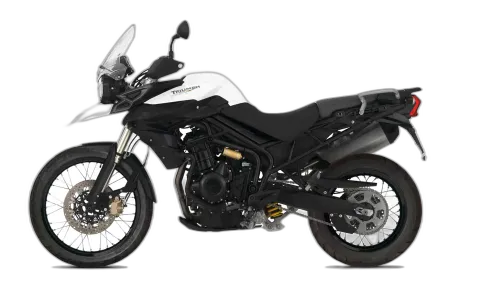
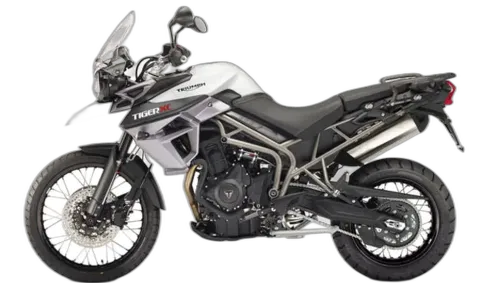
Triumph Tiger 800 XC (A08) — Adventure

2011–2014 · Adventure · Buyer's Guide

Tiger 800 XC (A08)

Triple Smoothness, Real Dirt Credentials

The Machine's Character

The Tiger 800 XC is built around a 799 cc inline-three that makes 94 hp and 58 lb-ft, and that engine sets the whole tone. It spins up eagerly with a smoothness you rarely find at this size, yet carries more punch than the middleweight adventure norm. Add 8.7 inches of front travel, 8.5 in the rear, and a 21-inch front wheel, and you get a bike that reads graded dirt and gravel as easily as it reads a highway. It earned its place as one of the reference middleweight adventure bikes of its era.

On the road it rides light and relaxed, and it ages well. The build feels dependable, the controls stay easy, and comfort holds up mile after mile, which is exactly what this category demands. It's the right bike for riders who want one machine for long tours and confident forays onto dirt roads. The honest caveat: this is a travel enduro, not a hardcore off-road tool. Point it at real jumps and the suspension runs short, and it grows wide at the cylinders when you stand for long technical stretches. Know that going in and it rarely disappoints.

Hard Numbers

Spec sheets don't ride bikes, but they set the baseline.

Show full specs & equipment Hide specs & equipment
Key specifications
Power 94 hp (70 kW) @ 9,300 rpm
Torque 58 lb-ft (79 Nm) @ 7,850 rpm
Displacement 799 cc
Engine Inline-three
Cooling Liquid-cooled
Gearbox 6-speed
Final drive Chain
Fork Upside-down (USD)
Front brake 308 mm
Front tire 90/90-21
Rear tire 150/70-17
Wheelbase 61.7 in (1568 mm)
Front travel 8.7 in (220 mm)
Rear travel 8.5 in (215 mm)
Seat height 33.2 in (844 mm)
Wet weight 474 lb (215 kg)
Fuel capacity 5.0 gal (18.9 L)

Equipment check

Comfort

  • Heated Grips Optional

Safety

  • ABS Optional

The Voice of Experience

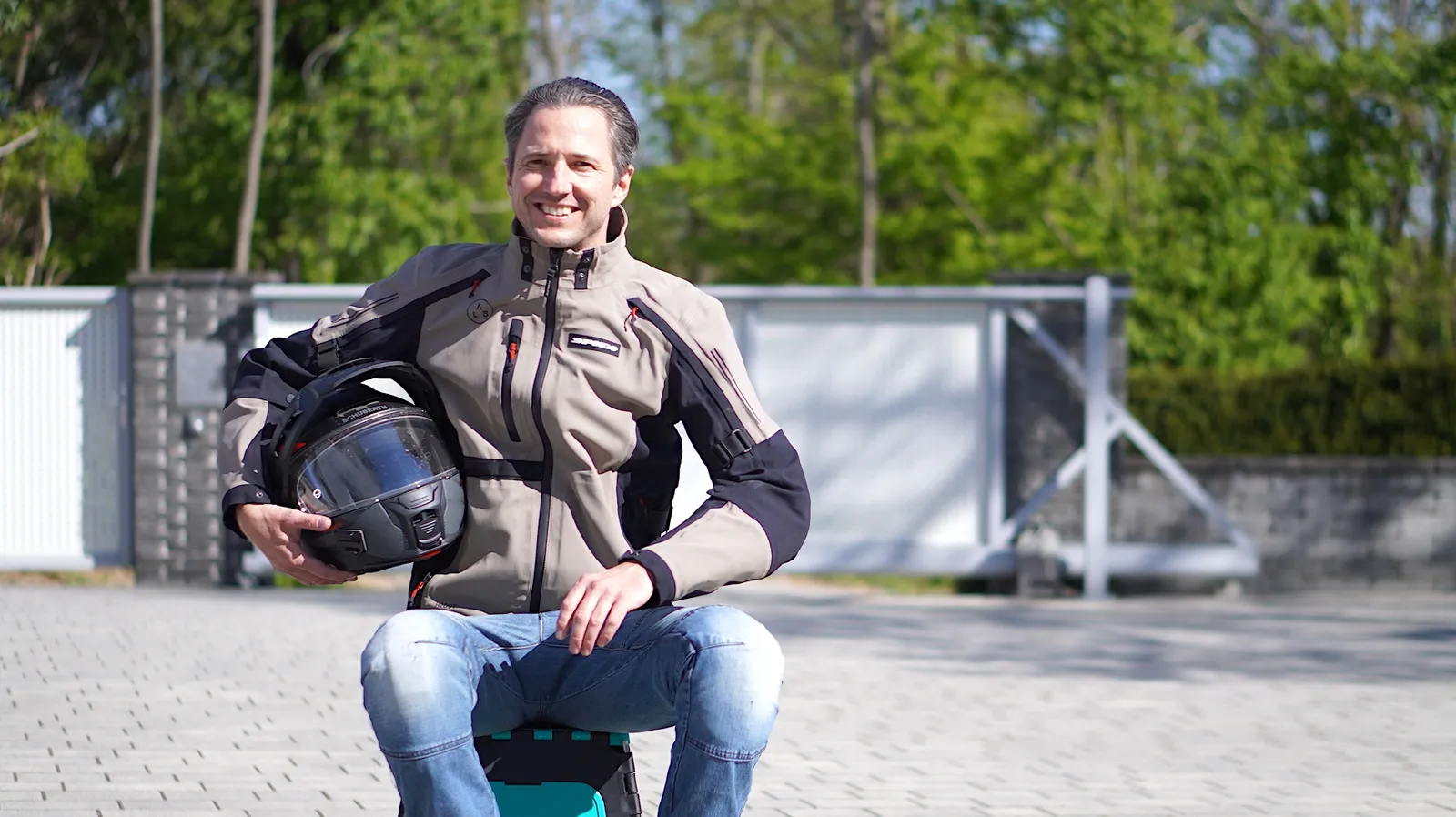
Portrait of NastyNils

The test ride

Fire it up and the triple sounds hoarse and mechanical, raspy in a way that suits the bike's honest character. There's almost no vibration coming through, which a few riders will miss if buzz is how they judge a motor. Your hands find every control without thinking, the levers and switches sitting right where you reach. Two full days in the saddle and the seat never became the reason to stop. Where it does ask something of you is standing. It's slim between your knees at the seat but widens at the cylinder head, and the bar sits low, so extended stretches on the pegs wear you down. On pavement, though, it just feels natural, easy to place and easy to trust.

Rated point by point — where it earns its keep

My own 0–100 score for this bike against the class, area by area — the marker on each bar is the class average.

Sit down and this bike gives me nothing to argue about. The seat carried me through two full days without once earning a complaint, and the controls land under my fingers without a thought, so I never hunted for a lever or a switch. The picture changes the moment I stand on the pegs. It's narrow under me but fills out at the cylinder heads, putting more between my knees than a single or a boxer ever does, and with the mass sitting a little high that adds up to genuine fatigue over a long standing stretch. The stock bar compounds it by sitting too low for sustained off-road work. Triumph lists a taller one in its own catalog, and for anyone planning real dirt miles I'd treat fitting it as essential from the outset.

What caught me off guard is the suspension quality. I don't walk up to an adventure bike expecting this kind of build, yet on a cold day with grip at a premium and nothing sportier than touring tires fitted, it stayed settled and let me keep leaning on it. Off the tarmac the composure holds over rock and deep ruts where things usually turn loose, and it goes where I point it rather than squirming underneath me. The honesty lives at the edges. The tall spoked front and the long wheelbase make the initial lean-in something you set up on purpose rather than snap off, and if I point it at genuine jumps it runs out of suspension, fork first and shock right behind. For the riding this chassis is built around, I never once felt short-changed.

This is where the bike delivers on its category for me. Down a long chain of mountain bends whose radii never settle, I stopped wrestling the machine and just let it run, the whole group settling onto one line together. That total absorption is the whole point of an adventure bike. And it isn't only a road trick. The sharp motor and sorted chassis carry straight onto a closed circuit, where the laps come out genuinely fun even though the Tiger never sets out to be a race bike.

Day to day, this Tiger asks almost nothing of me. It's steady enough that I'd put a novice on it for low-speed drills, yet it still nudges me to twist the throttle the instant a clear road opens up. The one real compromise shows up in the dirt. The catalytic converter tucks up under the belly close to the combustion chamber, tidy for road packaging but costly for ground clearance as soon as the surface turns rough. The alloy skid plate guards the hardware underneath; getting the lost clearance back is another matter.

I've ridden plenty of middleweight triples, and this one holds its manners no matter what I ask of it. Feed in power gently through a slow technical crawl and it arrives exactly as metered; open it up on a fast sweeper and the same predictability holds, with a smoothness that stays honest right across the rev band instead of only at a lazy cruise. There's real bite underneath, willing and eager in a way most rivals of this size can't match, so I rarely have to chase the top of the tach for a good time. The one catch is for riders who need a motor to shake before they feel alive. This triple stays too polished for that, and to them it can read a little cold. For me, the refinement is exactly the reward.

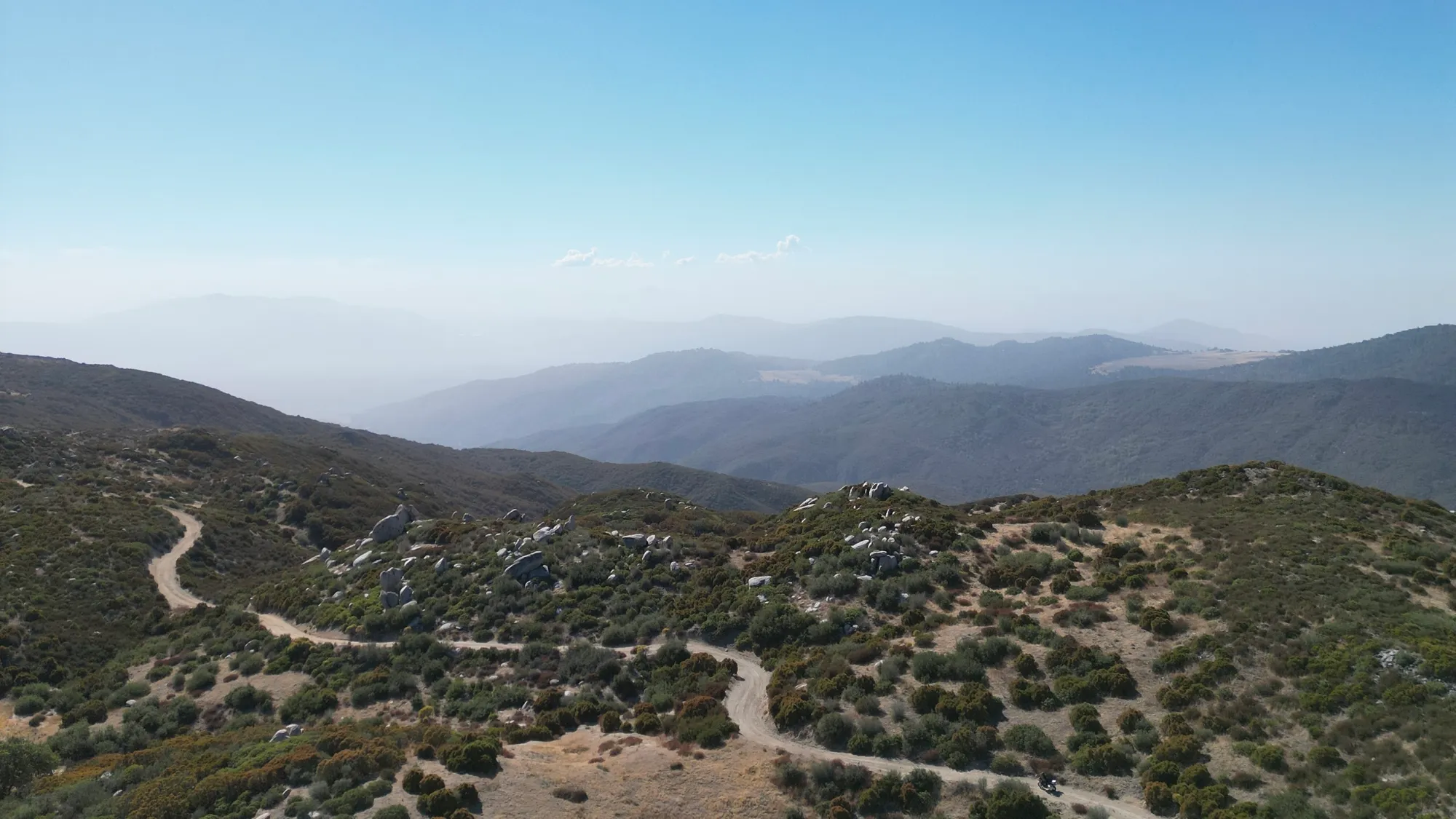
Aerial drone view of Palomar Divide Road winding through chaparral-covered mountain ridges in San Diego County. Multiple S-curve sections descend through sparse vegetation with distant valley views visible in the haze. Gravel and packed-earth surface.

The Truth on the Street

Known issues

  • Engine stalling due to ECU software bug (recall 11V434000)

    electricsoccasionalRecall

    On early 2011–2012 models, the engine management software could cause the engine to stall during deceleration or display low idle rpm. A dealer‑applied software update permanently resolves the issue.

  • Top‑box mounting clip missing / insecure (recall R‑11V393000)

    bodyworkrareRecall

    On certain 2011–2012 bikes equipped with the optional top box, a missing clip could allow the locking handle to disengage, resulting in the top box detaching while riding.

  • Starter motor fails to restart when engine is hot

    electricsoccasional

    Several owners report that the starter struggles or refuses to crank after the engine has been fully warmed up, particularly after a brief stop. The exact cause is not universally identified but may relate to heat soak in the starter motor.

  • Immobilizer failure leaves riders stranded

    electricsrare

    Sporadic reports of the factory immobilizer antenna ring failing, preventing the bike from recognising the key and leaving the rider unable to start the engine.

  • Coolant leaks from loose hose clamps

    coolingrare

    A few owners have observed coolant seepage when spring‑type hose clamps lose tension over time; tightening or replacing the clamps is a simple fix.

  • Faulty fuel level sender

    electricsrare

    Isolated cases of the fuel gauge reading empty despite fuel in the tank, believed to be caused by a failed fuel‑level sender unit.

The Expert Benchmark

Where this Triumph Tiger 800 XC pulls ahead of — or falls behind — its rivals on the numbers, and the typical bike in its class on character.

What kind of bike this is — character vs. the class

This bike Class average

The shape of the Triumph Tiger 800 XC — numbers and character vs. the average Adventure

Head-to-head: Triumph Tiger 800 XC vs. its rivals

The Long-Haul Verdict

Forget spec-sheet bragging. Here's who the Tiger 800 XC is actually built for.

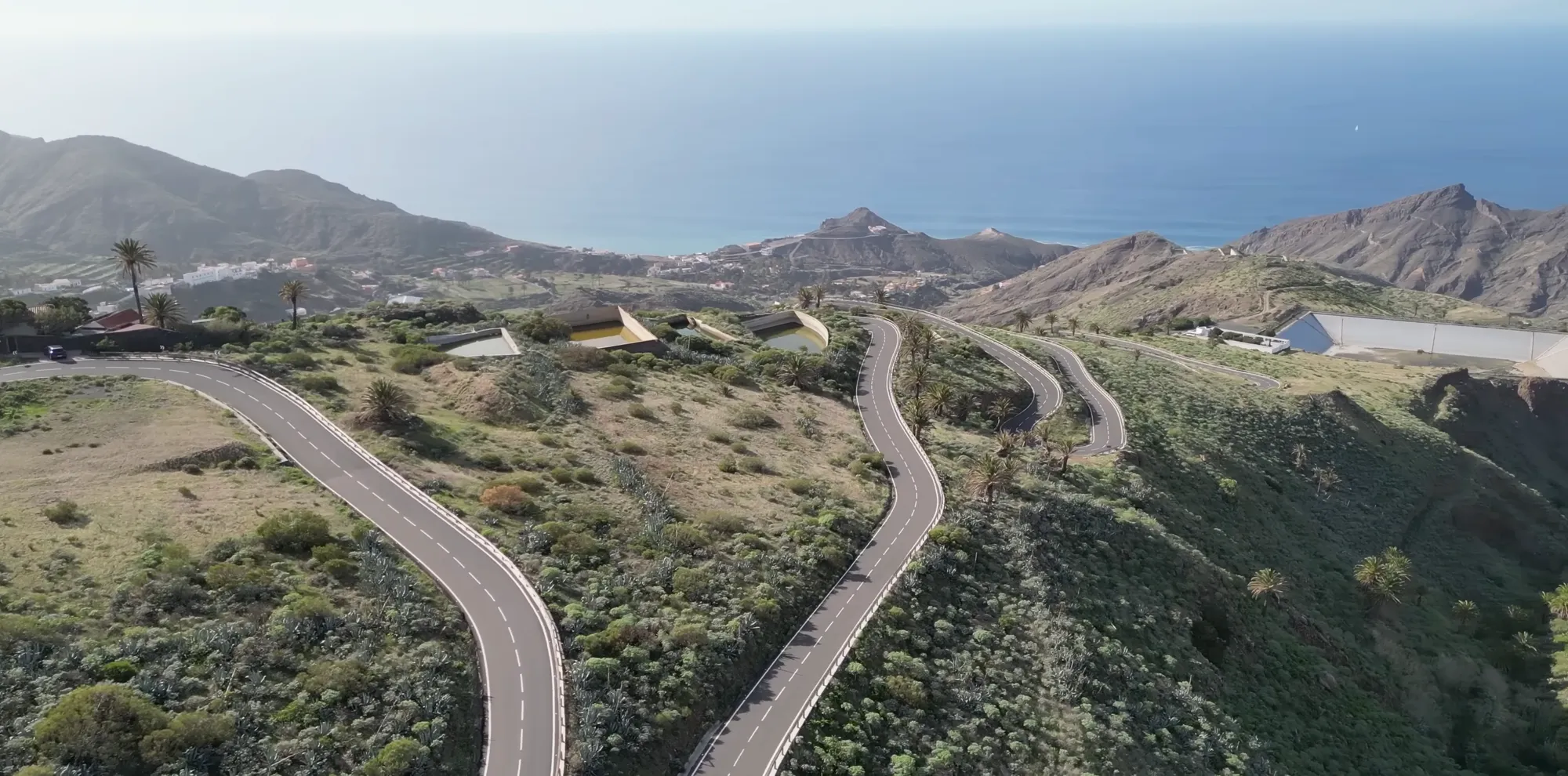
Aerial view of a winding asphalt road cutting through volcanic terrain on La Gomera, Canary Islands. The road curves through sparse green vegetation with rocky volcanic peaks visible in the background and a settled valley to the left. Clear lane markings, dry climate, partly cloudy sky.

Best motorcycle for Moab?

For graded dirt and gravel passes it stays confident and composed. Push into slickrock jumps and genuinely technical sections and the short travel and width start to hold you back.

Made for Bar M / Kane Creek · Imperial Sand Dunes · Johnson Valley OHV Area
Best motorcycle for Highway 1?

On shifting-radius mountain roads it settles into a clean line and finds real flow, with chassis quality that keeps day-long twisty rides genuinely fun.

Made for Black Hills · Blue Ridge Parkway · Cherohala Skyway

Best touring motorcycle for long distance?

This is where it shines. The all-day seat, easy manners, and dependable build make long coast-to-coast park routes comfortable, loaded or two-up.

Made for Beartooth Highway · Blue Ridge Parkway · Going-to-the-Sun Road

Alternatives to the Triumph Tiger 800 XC

If this one isn't quite the fit, these are the bikes worth riding back-to-back against it.

Any price note compares both bikes at the same age — the youngest age both have on the used market — against this Triumph Tiger 800 XC. “cheaper/pricier” is what that bike costs second-hand, not how worn it is.