
Honda XL750 Transalp (RD16-3-E_Clutch) — Adventure
Honda press archive

2026 · Adventure · A variant of the XL750 Transalp

XL750 Transalp E-Clutch (RD16-3-E_Clutch)

Differences between the standard XL750 Transalp and the E-Clutch

4 / 5 NastyNils Rating · against its class

Smooth Hands, Real Miles

The Machine's Character

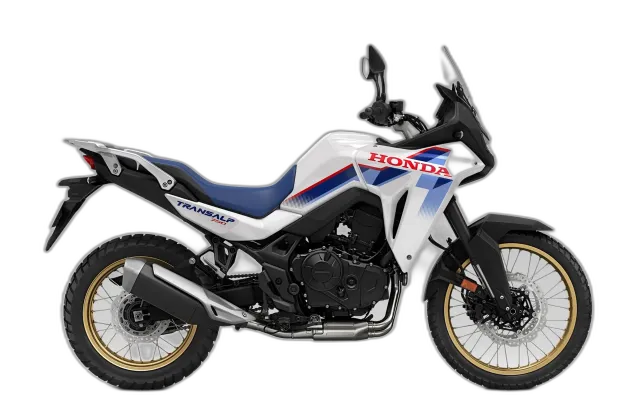
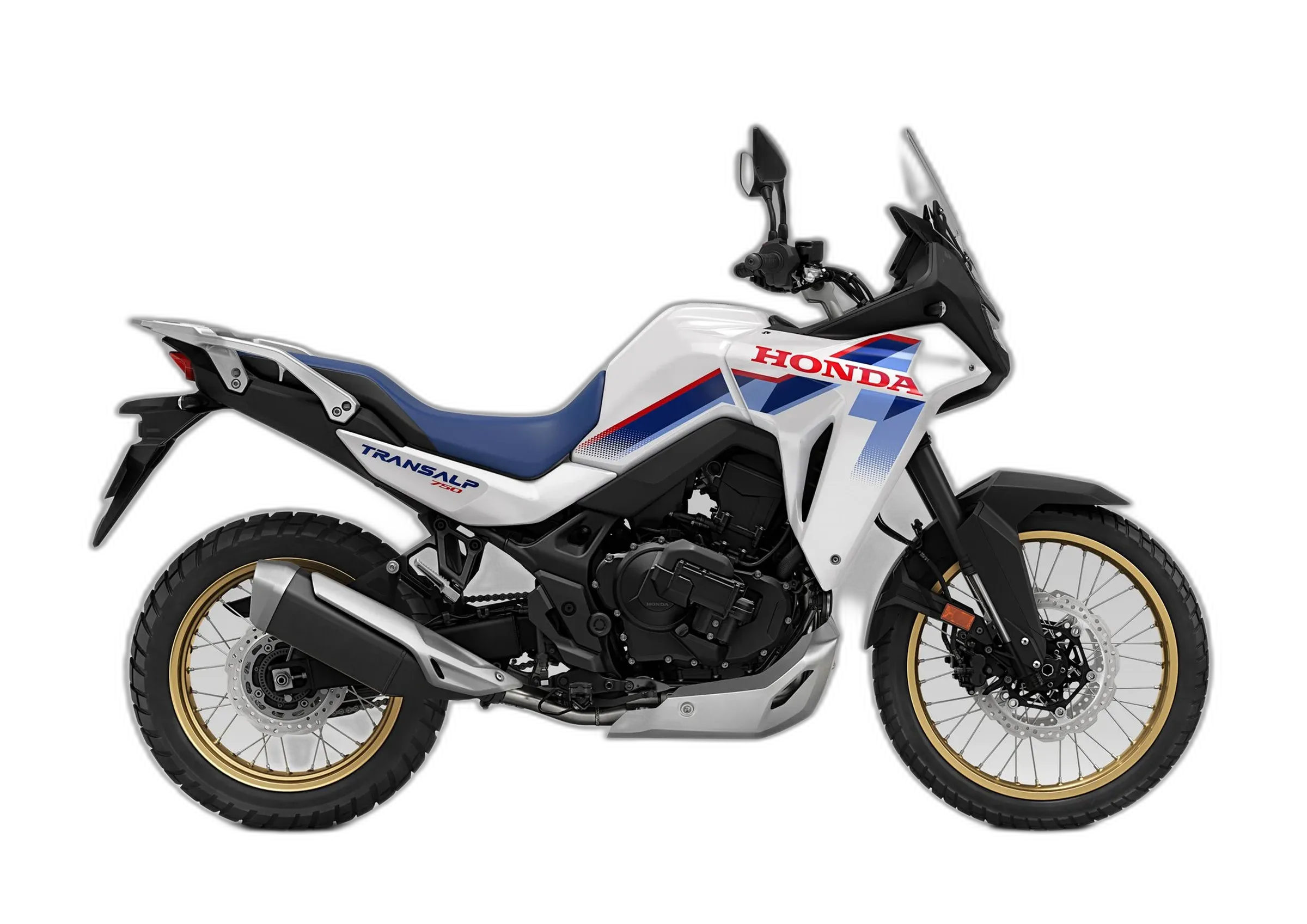
The Transalp is Honda doing what Honda does best: a middleweight adventure bike built for real roads, not brochure fantasies. The 755 cc parallel twin makes 92 hp and 55 lb-ft. It pulls well through the midrange and still loves to rev. It sits in a steel trellis frame on a 21-inch front wheel and an 18-inch rear, with 8.3 in (210 mm) of ground clearance. This E-Clutch trim keeps the standard bike's ABS, traction control, ride modes, TFT and smartphone connectivity, then adds Honda's electronic clutch, a downshift quickshifter and a USB port. With the E-Clutch you don't have to pull the lever for gear changes.

This is one of the friendliest adventure bikes in its class to live with. Handling is light and accessible, it stays calm at highway speed, and it has plenty of lean clearance when a mountain pass tightens up. The engine is built to last and is cheap to run, which is exactly what an adventure bike owes you. The caveat is at the back. The shock is soft for heavier riders or a loaded bike, and preload is the only adjustment. Rear travel is 7.5 in (190 mm), so treat it as a gravel-road traveler, not a hard-core trail tool. It suits the rider who wants one bike for the commute, weekend passes and multi-day trips with some dirt in them.

Hard Numbers

Spec sheets don't ride bikes, but they set the baseline.

Show full specs & equipment Hide specs & equipment
Key specifications
Power 92 hp (68 kW) @ 9,500 rpm
Torque 55 lb-ft (75 Nm) @ 7,250 rpm
Displacement 755 cc
Engine Parallel twin
Cooling Liquid-cooled
Gearbox 6-speed
Final drive Chain
Fork Upside-down (USD)
Front brake 310 mm
Front tire 90/90-21
Rear tire 150/70-18
Wheelbase 61.4 in (1560 mm)
Ground clearance 8.3 in (210 mm)
Front travel 7.9 in (200 mm)
Rear travel 7.5 in (190 mm)
Seat height 33.5 in (850 mm)
Wet weight 459 lb (208 kg)
Fuel capacity 4.5 gal (16.9 L)

Equipment check

Chassis

  • Front Suspension Adjustable Standard
  • Rear Suspension Adjustable Standard

Comfort

  • Heated Grips Optional
  • Luggage System Optional

Connectivity

  • TFT Display Standard
  • Smartphone Connectivity Standard
  • Navigation Standard
  • USB Charging Port Standard

Drivetrain

  • Quickshifter Optional

Lighting

  • LED Headlight Standard

Safety

  • ABS Standard
  • Traction Control Standard
  • Ride Modes Standard

What the XL750 Transalp E-Clutch Adds — Differences vs the Standard XL750 Transalp

The XL750 Transalp E-Clutch (RD16-3-E_Clutch) builds on the standard XL750 Transalp: the upgraded hardware, the key spec changes and where its character shifts. The full ride, specs, scoring and verdict are all right here on this page.

Equipment the E-Clutch adds vs the standard XL750 Transalp

Added
USB Charging Port

Premium hardware the E-Clutch brings

  • Transmission Quickshifter Down An up-and-down quickshifter for clutchless downshifts; the standard blips on upshifts only.
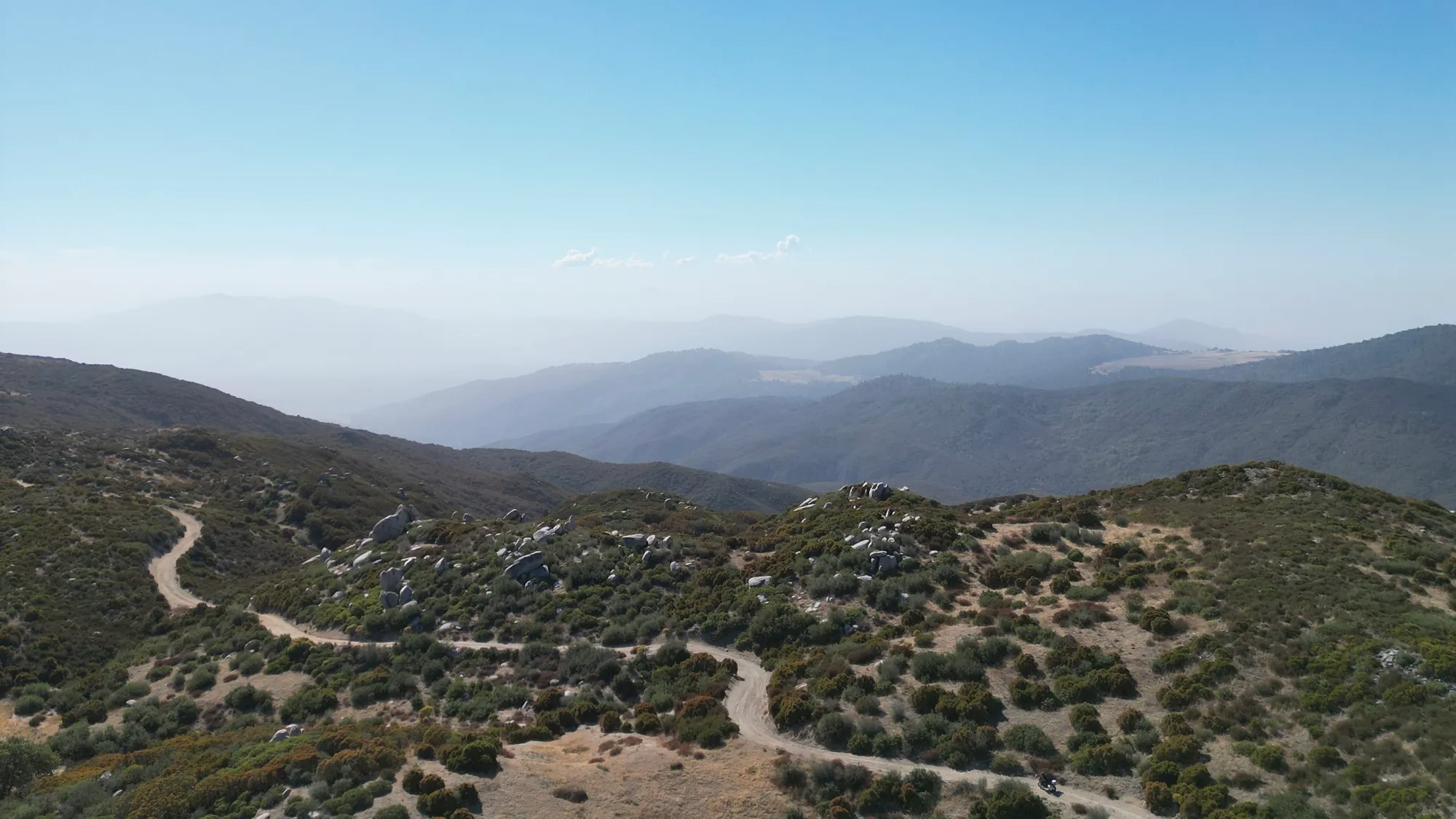
Aerial drone view of Palomar Divide Road winding through chaparral-covered mountain ridges in San Diego County. Multiple S-curve sections descend through sparse vegetation with distant valley views visible in the haze. Gravel and packed-earth surface.

Known issues

  • Soft rear shock with no damping adjustment

    suspension occasional

    The shock spring is too soft for heavier riders or loaded touring, causing wallowing and reduced confidence. Preload can be increased, but no compression/rebound tuning is available on base models.

  • Uncomfortable stock seat

    bodywork common

    Many owners find the seat overly firm and unsupportive after about an hour of riding, causing discomfort. The low-seat accessory helps but doesn't fully resolve the issue.

  • Snatchy low-speed throttle

    engine occasional

    Throttle response can be abrupt on initial opening at low engine speeds, even in Rain mode, making smooth slow-speed riding difficult.

The Expert Benchmark

Where this Honda XL750 Transalp pulls ahead of — or falls behind — its rivals on the numbers, and the typical bike in its class on character.

What kind of bike this is — character vs. the class

This bike Class average

The shape of the Honda XL750 Transalp — numbers and character vs. the average Adventure

Head-to-head: Honda XL750 Transalp vs. its rivals

The Long-Haul Verdict

Forget spec-sheet bragging. Here's who the XL750 Transalp is actually built for.

Aerial view of a winding asphalt road cutting through volcanic terrain on La Gomera, Canary Islands. The road curves through sparse green vegetation with rocky volcanic peaks visible in the background and a settled valley to the left. Clear lane markings, dry climate, partly cloudy sky.

Best motorcycle for Highway 1?

For long days mixing curves and scenery, it fits. It's light in the bends, calm on the highway, and easy on the wallet. Plan on a better seat before your first 300-mile day.

Made for Black Hills · Blue Ridge Parkway · Cherohala Skyway
Best touring motorcycle for long distance?

It will get you over Beartooth reliably and cheaply. Riding two-up or fully loaded is where it struggles, though: the soft rear shock only adjusts for preload, and the stock seat won't last all day.

Made for Beartooth Highway · Blue Ridge Parkway · Going-to-the-Sun Road

Best motorcycle for BDR routes?

It's dependable and easy to handle, with a 21-inch front, and it will happily run the gravel sections of a BDR. With 7.5 in of rear travel and a soft shock, set it up for loaded travel before tackling rough terrain.

Made for AZBDR — Arizona Backcountry Discovery Route · California BDR South · COBDR — Colorado Backcountry Discovery Route

What's new versus the previous generation

If you're cross-shopping the older generation, here's what changed.

Honda XL750 Transalp (RD16)

Previous generation · 2022–2024

Honda XL750 Transalp (RD16)

The Middleweight That Disappears Under You

Compare to the previous model →