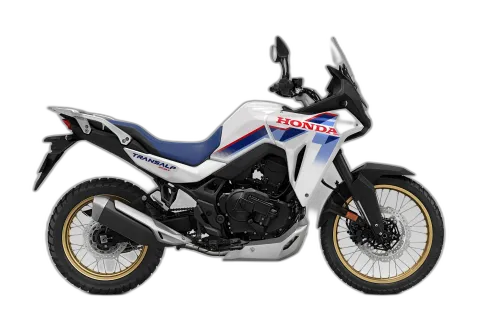

Honda XL750 Transalp (RD16-3) — Adventure
Honda press archive

2026 · Adventure · Buyer's Guide

XL750 Transalp (RD16-3)

3.5 / 5 NastyNils Rating · against its class

Easy Miles, Honest Capability

The Machine's Character

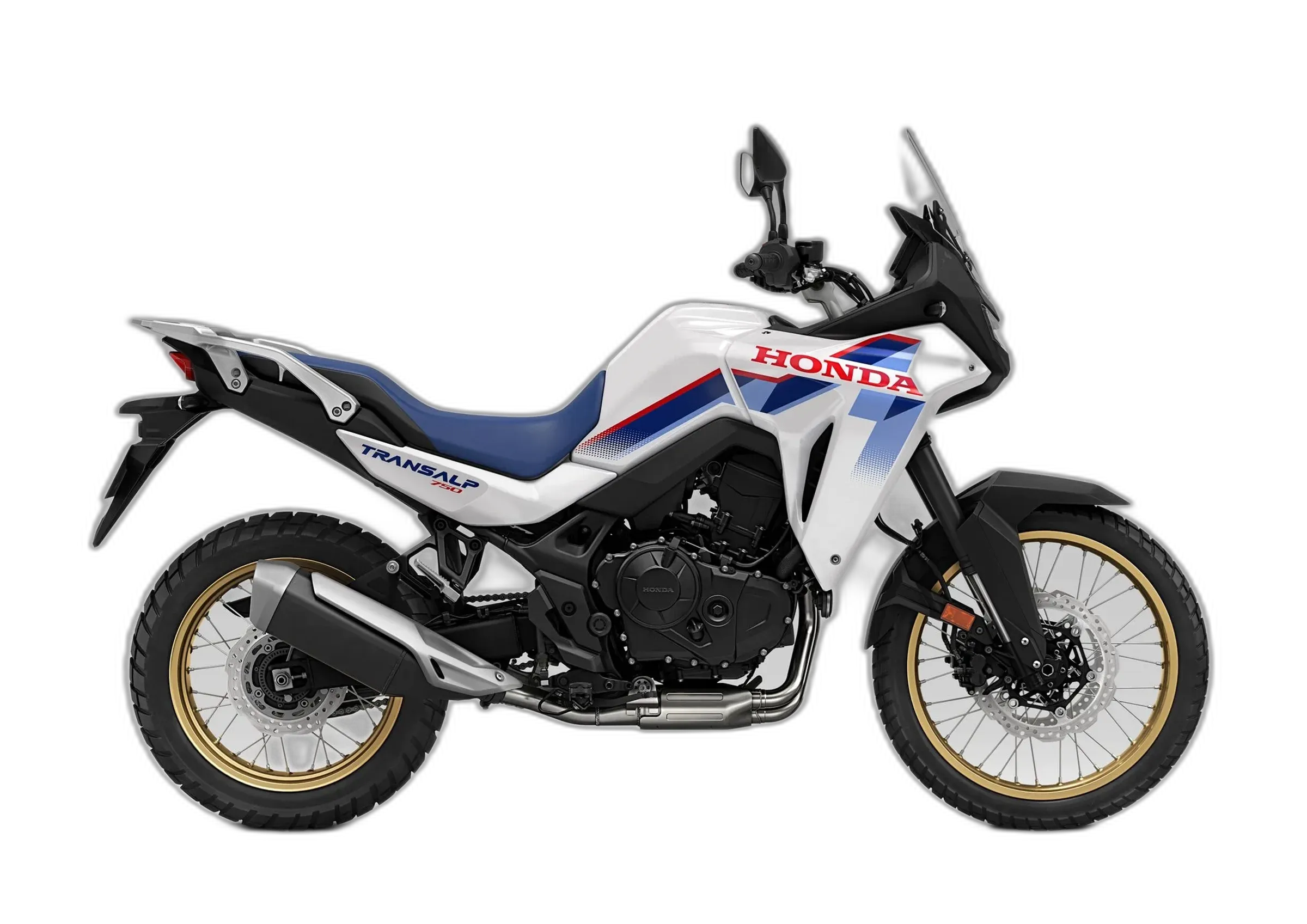
Honda built this one around a 755 cc parallel twin making 92 hp at 9,500 rpm and 55 lb-ft at 7,250 rpm, then wrapped it in genuine adventure hardware instead of a styling package. A 21-inch front wheel, an 18-inch rear, 7.9 in (200 mm) of fork travel and 8.3 in (210 mm) of ground clearance mean the geometry is honest. What lifts it past the numbers is how complete it is: adjustable suspension front and rear, ABS, traction control and ride modes, a slipper clutch and a TFT screen running Honda RoadSync with navigation.

It rides light for its class. At 459 lb (208 kg) wet the Transalp feels smaller than it measures, and the 61.5 in (1562 mm) wheelbase keeps it calm at highway speed without making it lazy on a tight mountain road. That combination ages well. Running costs stay low, and the engine is built to keep going long after the novelty wears off. It suits a rider who wants one bike for pavement, gravel and the occasional multi-day route. The caveats are a 33.7 in (856 mm) seat, a 4.4 gal (16.7 L) tank, and a stock seat and rear shock that a loaded touring week will expose.

Hard Numbers

Spec sheets don't ride bikes, but they set the baseline.

Show full specs & equipment Hide specs & equipment
Key specifications
Power 92 hp (68 kW) @ 9,500 rpm
Torque 55 lb-ft (75 Nm) @ 7,250 rpm
Displacement 755 cc
Engine Parallel twin
Cooling Liquid-cooled
Gearbox 6-speed
Final drive Chain
Fork Upside-down (USD)
Front brake 310 mm
Front tire 90/90-21
Rear tire 150/70-18
Wheelbase 61.5 in (1562 mm)
Ground clearance 8.3 in (210 mm)
Front travel 7.9 in (200 mm)
Rear travel 7.5 in (190 mm)
Seat height 33.7 in (856 mm)
Wet weight 459 lb (208 kg)
Fuel capacity 4.4 gal (16.7 L)

Equipment check

Chassis

  • Front Suspension Adjustable Standard
  • Rear Suspension Adjustable Standard

Comfort

  • Heated Grips Optional

Connectivity

  • TFT Display Standard
  • Smartphone Connectivity Honda RoadSync Integrated navigationHandsfree phone integration Standard
  • Navigation Standard

Drivetrain

  • Quickshifter Optional
  • Slipper Clutch Standard

Lighting

  • LED Headlight Standard

Safety

  • ABS Standard
  • Traction Control Standard
  • Ride Modes Standard
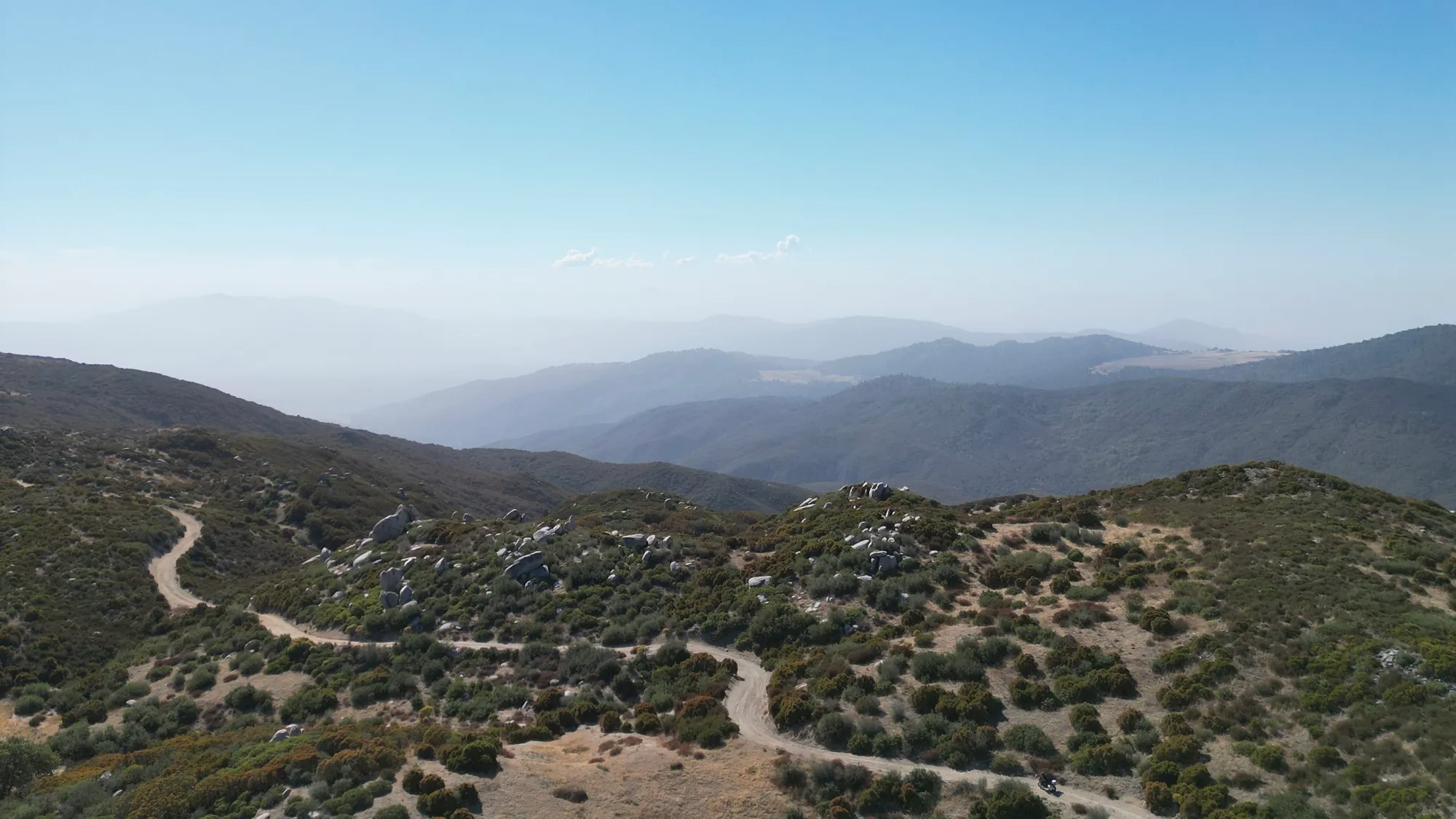
Aerial drone view of Palomar Divide Road winding through chaparral-covered mountain ridges in San Diego County. Multiple S-curve sections descend through sparse vegetation with distant valley views visible in the haze. Gravel and packed-earth surface.

Known issues

  • Soft rear shock with no damping adjustment

    suspension occasional

    The shock spring is too soft for heavier riders or loaded touring, causing wallowing and reduced confidence. Preload can be increased, but no compression/rebound tuning is available on base models.

  • Uncomfortable stock seat

    bodywork common

    Many owners find the seat overly firm and unsupportive after about an hour of riding, causing discomfort. The low-seat accessory helps but doesn't fully resolve the issue.

  • Snatchy low-speed throttle

    engine occasional

    Throttle response can be abrupt on initial opening at low engine speeds, even in Rain mode, making smooth slow-speed riding difficult.

The Expert Benchmark

Where this Honda XL750 Transalp pulls ahead of — or falls behind — its rivals on the numbers, and the typical bike in its class on character.

What kind of bike this is — character vs. the class

This bike Class average

The shape of the Honda XL750 Transalp — numbers and character vs. the average Adventure

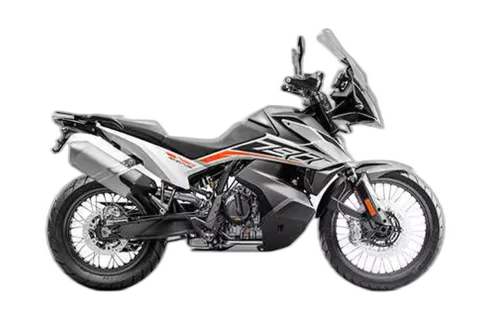
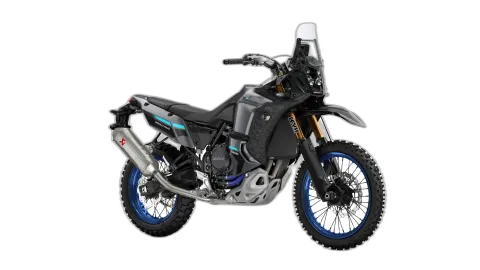
Head-to-head: Honda XL750 Transalp vs. its rivals

The Long-Haul Verdict

Forget spec-sheet bragging. Here's who the XL750 Transalp is actually built for.

Aerial view of a winding asphalt road cutting through volcanic terrain on La Gomera, Canary Islands. The road curves through sparse green vegetation with rocky volcanic peaks visible in the background and a settled valley to the left. Clear lane markings, dry climate, partly cloudy sky.

Best motorcycle for Highway 1?

Two hundred to four hundred mile days on the Blue Ridge or Highway 1 suit it well. It carries speed calmly and stays light in the tight stuff. The seat is the part you will want to fix first.

Made for Black Hills · Blue Ridge Parkway · Cherohala Skyway
Best touring motorcycle for long distance?

For Trail Ridge and Going-to-the-Sun it is calm, steady and cheap to run all day. Two-up and fully loaded, budget for a better seat and more shock spring before you commit to the big route.

Made for Beartooth Highway · Blue Ridge Parkway · Going-to-the-Sun Road

Best motorcycle for BDR routes?

The 21-inch front, real suspension travel and low running costs make it a sensible BDR tool. Plan your fuel around the 4.4 gal (16.7 L) tank and sort the shock before a loaded week.

Made for AZBDR — Arizona Backcountry Discovery Route · California BDR South · COBDR — Colorado Backcountry Discovery Route

What's new versus the previous generation

If you're cross-shopping the older generation, here's what changed.

Honda XL750 Transalp (RD16-2)

Previous generation · 2025

Honda XL750 Transalp (RD16-2)

Easy Miles, Honest Grit

Compare to the previous model →

Variants, Models & Special Editions

The Honda XL750 Transalp also comes in these variants, models and special editions. Each has its own page covering only what differs from the standard XL750 Transalp — equipment, electronics, specs and used price.