Honda XL750 Transalp (RD16-2) — Adventure
NastyNils / Honda Press

2025 · Adventure · Buyer's Guide

XL750 Transalp (RD16-2)

Easy Miles, Honest Grit

The Machine's Character

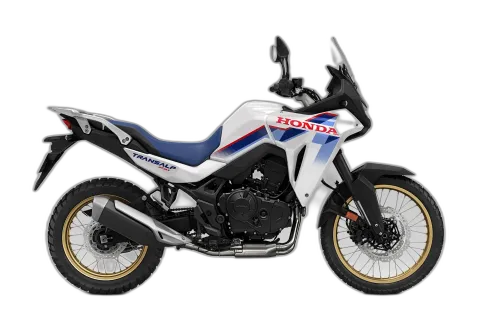
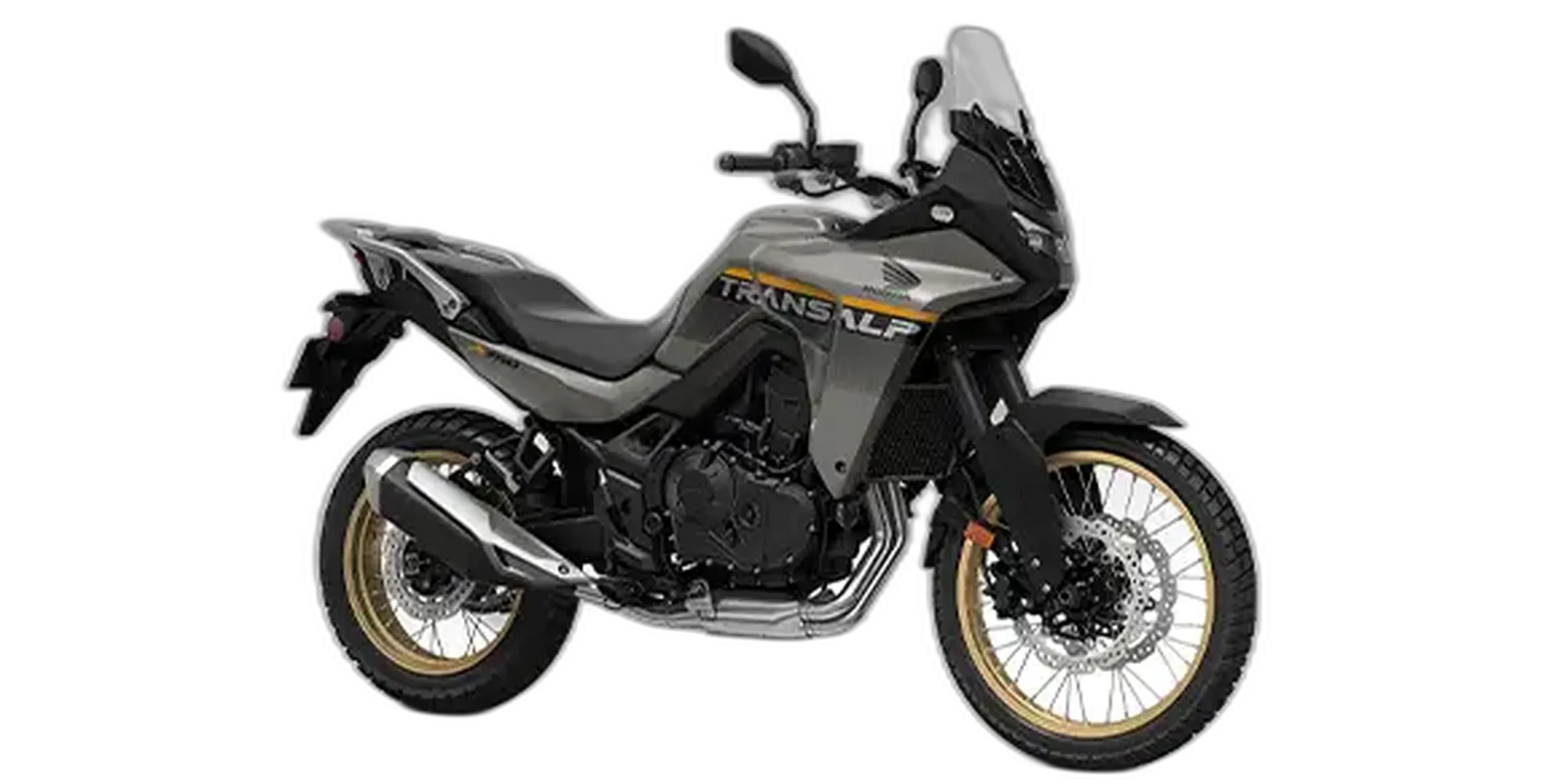
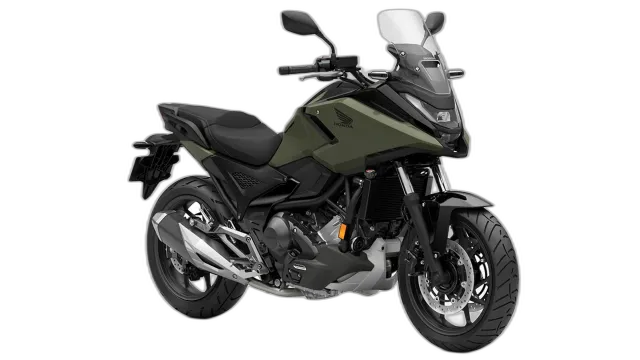
Honda's middleweight adventure bike is built around a 755 cc parallel twin with a 270-degree crank, good for 92 hp at 9,500 rpm and 55 lb-ft at 7,250 rpm. The chassis is genuine all-road hardware: a 21-inch front wheel, an 18-inch rear, 7.9 inches of travel up front and 7.5 at the back, with 8.3 inches of ground clearance under it. A Showa upside-down fork and a Pro-Link shock carry the load. The rider aids are standard rather than upsell material, with ABS, traction control, ride modes and wheelie control run from a 5-inch TFT and a thumb joystick.

On the road it rewards riders who value calm over drama. The measured strengths line up with that: accessible handling, easy controls, and steady manners at highway speed. Running costs stay low and the engine is built to stack up years rather than headline numbers, which is where the real ownership case sits. It suits one-bike riders who commute, chase mountain passes on weekends, and still want graded dirt on the menu. The honest caveat: at 33.7 inches the seat asks for some leg, the spring rates are calibrated for a solo rider without luggage, and 4.4 gallons puts a leash on empty stretches.

Hard Numbers

Spec sheets don't ride bikes, but they set the baseline.

Show full specs & equipment Hide specs & equipment
Key specifications
Power 92 hp (68 kW) @ 9,500 rpm
Torque 55 lb-ft (75 Nm) @ 7,250 rpm
Displacement 755 cc
Engine Parallel twin
Cooling Liquid-cooled
Gearbox 6-speed
Final drive Chain
Fork Upside-down (USD)
Front brake 310 mm
Front tire 90/90-21
Rear tire 150/70-18
Wheelbase 61.5 in (1562 mm)
Ground clearance 8.3 in (210 mm)
Front travel 7.9 in (200 mm)
Rear travel 7.5 in (190 mm)
Seat height 33.7 in (856 mm)
Wet weight 463 lb (210 kg)
Fuel capacity 4.4 gal (16.7 L)
Top speed 121 mph (195 km/h)

Equipment check

Chassis

  • Front Suspension Adjustable Standard
  • Rear Suspension Adjustable Standard

Comfort

  • Heated Grips Optional
  • Luggage System Optional

Connectivity

  • TFT Display Standard
  • Smartphone Connectivity Standard
  • Navigation Standard
  • USB Charging Port Standard

Drivetrain

  • Quickshifter Standard
  • Slipper Clutch Standard

Lighting

  • LED Headlight Standard

Safety

  • ABS Standard
  • Traction Control Standard
  • Ride Modes Standard

The Voice of Experience

Portrait of NastyNils

The test ride

Swing a leg over and the 33.7-inch seat makes itself known before you've moved an inch. Once rolling, the 463 pounds quietly stop mattering. The 270-degree twin gives off a low, offbeat thrum you feel through the pegs more than the bars, and it stays civil at cruising revs instead of buzzing your palms numb by lunchtime. The riding position is upright and roomy, the bar is wide and falls straight to hand, and there's enough space to stand up without folding yourself over the tank. The joystick under your left thumb works with gloves on, so you're not stabbing at the screen while the road is still moving. At real road pace the fixed screen keeps the air off your chest and the noise level low enough for a full day.

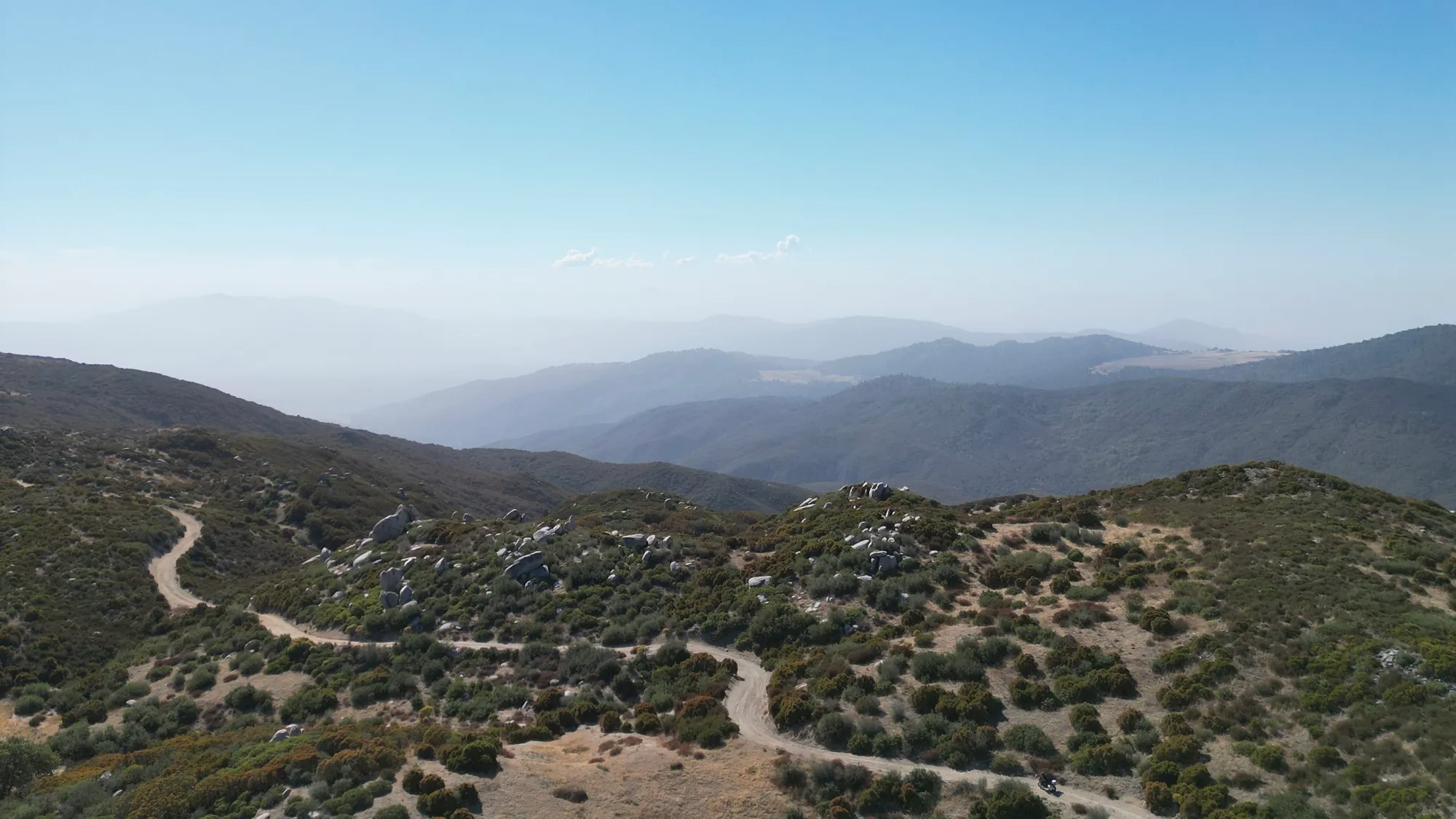
Aerial drone view of Palomar Divide Road winding through chaparral-covered mountain ridges in San Diego County. Multiple S-curve sections descend through sparse vegetation with distant valley views visible in the haze. Gravel and packed-earth surface.

The Truth on the Street

None of this came out of a press kit. It came from years of riders talking to me: parking-lot conversations after a ride, owners catching me at club nights, and unprompted messages landing in my inbox. The Transalp chatter sorts itself fast, warm about how the bike rides and very specific about what irritates them.

What Owners Keep Praising

The 755cc twin gets mentioned most. Owners describe strong drive through the middle of the range, a top end that stays willing, and tractability that covers street and light trails equally well. Comfort sits close behind, with big-mileage days ending without complaint about the seat or the riding position. Fuel use draws steady approval too, the tank stretching further between stops than people expected.

Where the Grumbling Starts

The complaints begin with the suspension, coming at it from the opposite direction. Heavier riders and anyone pressing on off-road report the fork and shock using up their travel and bottoming. The left-hand switchgear takes its own steady criticism: horn and hazard sit awkwardly, and bulky gloves find the hazard when the turn signal was the aim. Owners also keep flagging the reset, with custom ABS and traction settings dropping back to default at every ignition cycle, and the rear ABS needing a menu walk to switch off.

Known issues

  • Vulnerable oil pan location off-road

    engine rare

    The oil pan sits low and forward, leaving it exposed to damage from rocks or obstacles when riding off-road, potentially causing catastrophic oil loss.

The Expert Benchmark

Where this Honda XL750 Transalp pulls ahead of — or falls behind — its rivals on the numbers, and the typical bike in its class on character.

What kind of bike this is — character vs. the class

This bike Class average

The shape of the Honda XL750 Transalp — numbers and character vs. the average Adventure

Head-to-head: Honda XL750 Transalp vs. its rivals

The Long-Haul Verdict

Forget spec-sheet bragging. Here's who the XL750 Transalp is actually built for.

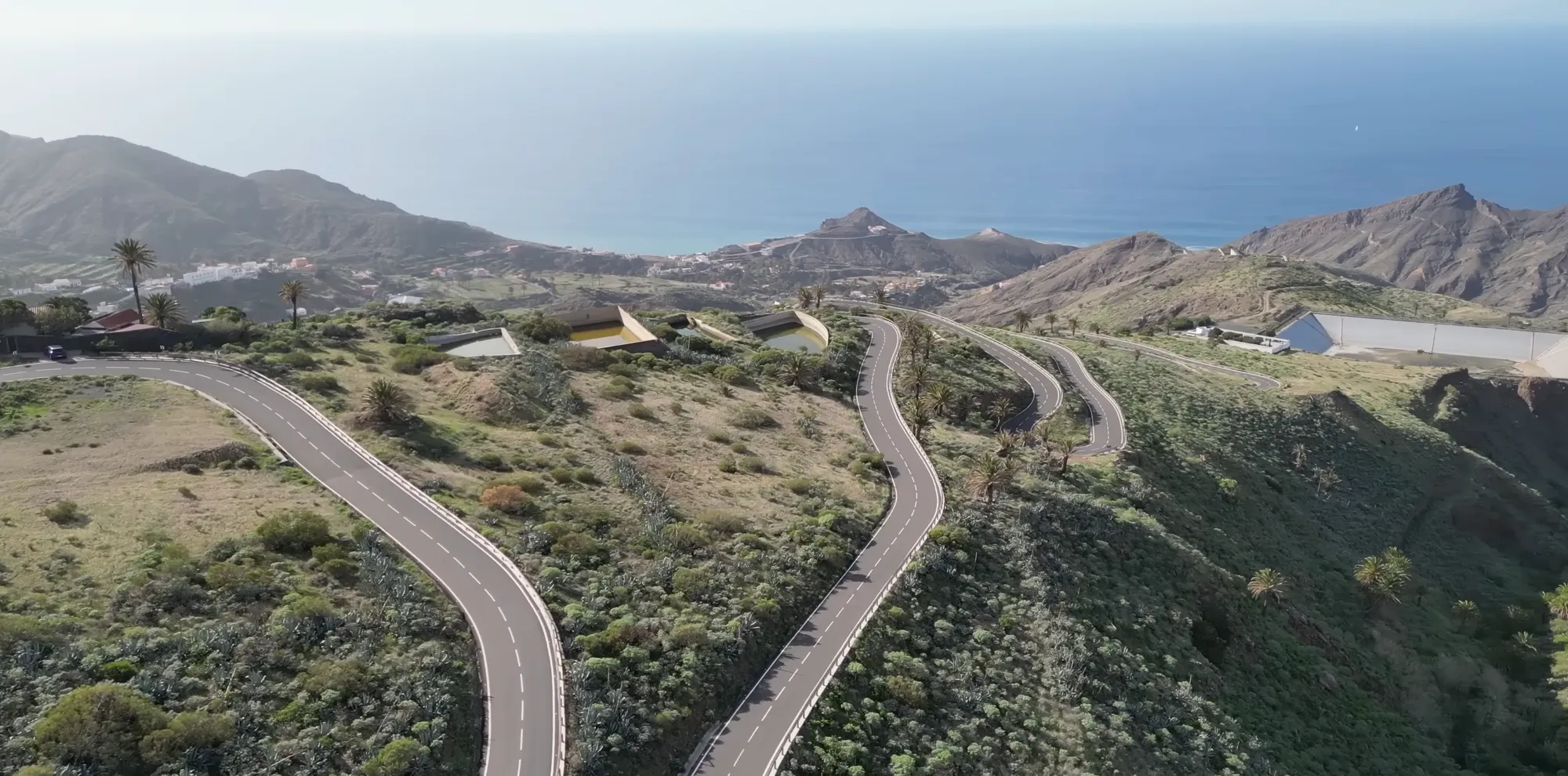
Aerial view of a winding asphalt road cutting through volcanic terrain on La Gomera, Canary Islands. The road curves through sparse green vegetation with rocky volcanic peaks visible in the background and a settled valley to the left. Clear lane markings, dry climate, partly cloudy sky.

Best motorcycle for Highway 1?

Yes for the day you have in mind. It has real lean clearance for a mountain road and stays composed on the highway link-ups. Just know there's no cruise control for the dull miles in between.

Made for Black Hills · Blue Ridge Parkway · Cherohala Skyway
Best touring motorcycle for long distance?

It will run the big routes, comfortably, solo. Two-up with full luggage is where it strains: the springs are set for one rider, the tank holds 4.4 gallons, and there's no cruise control.

Made for Beartooth Highway · Blue Ridge Parkway · Going-to-the-Sun Road

Best motorcycle for BDR routes?

This is your sweet spot. A 21-inch front, 8.3 inches of clearance and 463 pounds make multi-day BDR sections realistic. Budget for a skid plate before the first trip.

Made for AZBDR — Arizona Backcountry Discovery Route · California BDR South · COBDR — Colorado Backcountry Discovery Route

What's new versus the previous generation

If you're cross-shopping the older generation, here's what changed.

Honda XL750 Transalp (RD16)

Previous generation · 2022–2024

Honda XL750 Transalp (RD16)

The Middleweight That Disappears Under You

Compare to the previous model →

Alternatives to the Honda XL750 Transalp

If this one isn't quite the fit, these are the bikes worth riding back-to-back against it.

Any price note compares both bikes at the same age — the youngest age both have on the used market — against this Honda XL750 Transalp. “cheaper/pricier” is what that bike costs second-hand, not how worn it is.