By NastyNils·
Motorcycle comparison · Supersport
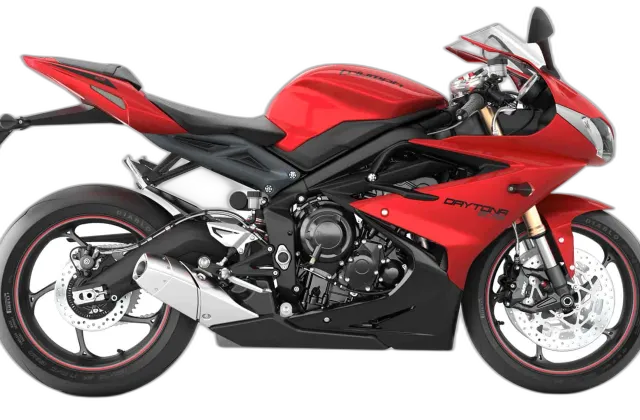
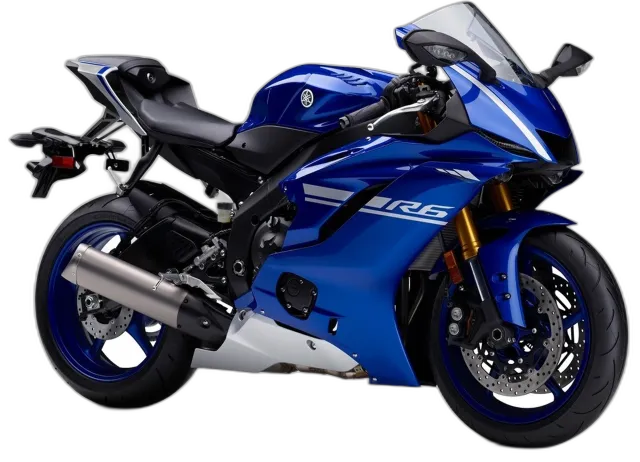
Triumph Daytona 675 (MY2013) vs Yamaha YZF-R6 (13S)
Triumph Daytona 675 vs Yamaha YZF-R6: which one to buy for the riding you do.
You'll feel a mid-corner ripple come up the Triumph Daytona 675's fork, and it's still talking to you at full lean. The Yamaha YZF-R6's fork feeds that ripple back just as clearly. Its steering holds a razor-fine line.
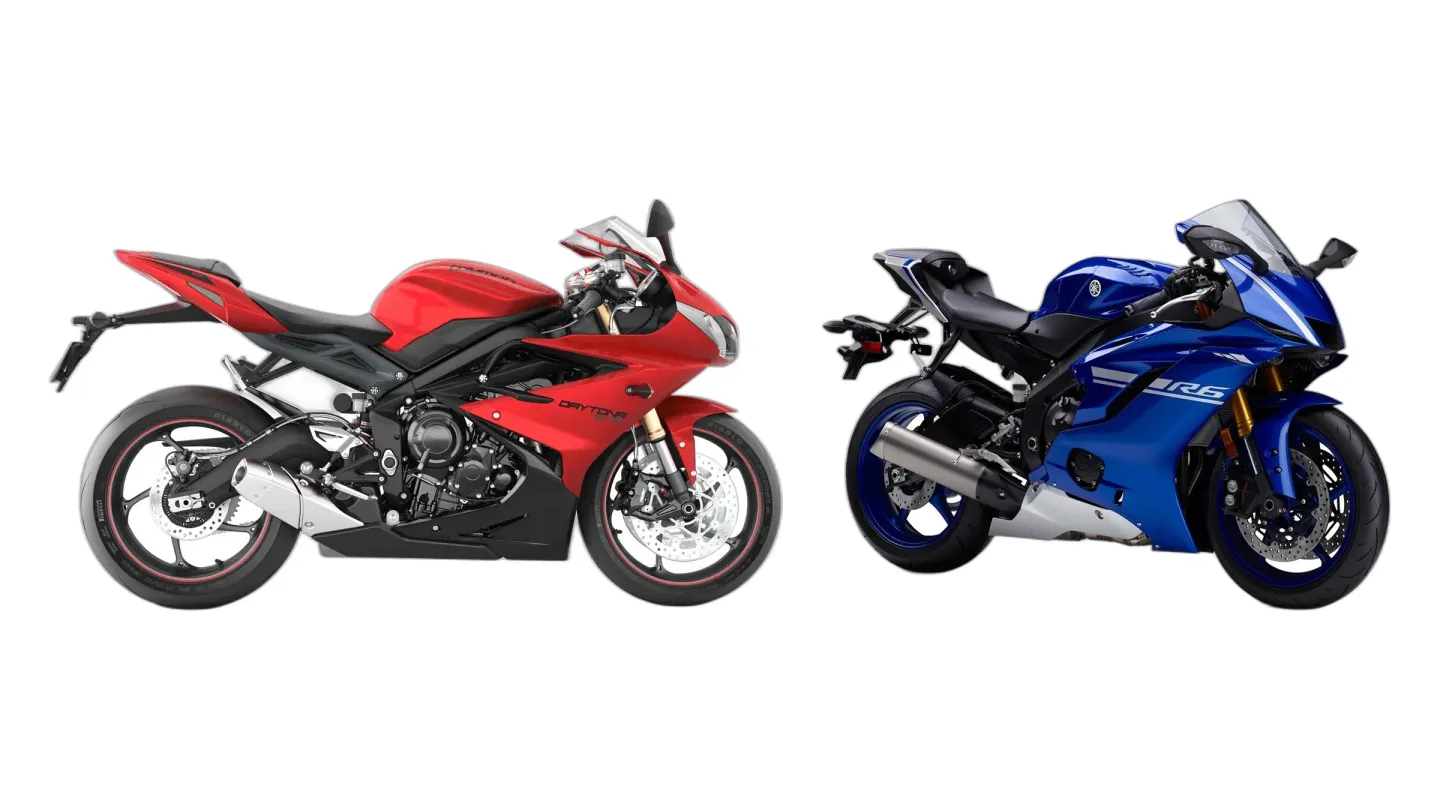
So which one do you buy?
The Daytona 675 has the edge if…
Sporty riding on twisty roads
By a nose: Daytona 675
On a winding road, the Daytona 675 comes out a touch ahead. What tips it: harder acceleration. You wouldn't bet much on a gap like that.
The YZF-R6 has the edge if…
Racetrack use
A touch ahead: YZF-R6
On a closed course, the YZF-R6 edges ahead. Not by enough to settle it.
Which one's the smarter buy
No clear winner on value
The Daytona 675 costs less, but that gap doesn't make it the clear better buy. Neither bike wins on value alone.
What makes each one tick
Daytona 675
The Daytona 675's triple doesn't run out of pull, hauling from the middle of the revs to the top while its intake and exhaust howl. That howl gets addictive. At WeatherTech Raceway Laguna Seca, the light chassis snaps it into each turn right where you've aimed it. The nose drops in and stays put.
YZF-R6
The YZF-R6's four doesn't wake up until the revs climb high, then screams all the way to its redline. You'll downshift constantly to pass. A hard squeeze of the brake lever on smooth pavement doesn't unsettle the chassis, and the front keeps sending back feedback. It carves a smooth circuit with almost no effort.
Nils rode the YZF-R6 in Japan in 2007 (NastyNils Testride).
The Voice of Experience

What actually separates them
- The Daytona 675 has the lower seat: 32.3 in (820 mm) vs 33.5 in (850 mm).
- The Daytona 675 has the lower wet weight: 406 lb (184 kg) vs 414 lb (188 kg).
- The Daytona 675 makes more peak torque: 55 lb-ft (74 Nm) vs 49 lb-ft (66 Nm).
Which one for the way you ride
Comfortable long-distance riding
Wrong job for both
Big miles aren't where either one shines. You'll be watching for the next rest stop.
Count commuting and running costs as a draw. The deal on the table and the condition of the bike matter more here.
Who each one is built for
What's good, and what you'll live with
Daytona 675
What owners say
Strengths
- Superb handling and agility
- Thrilling triple‑cylinder engine
- Confidence‑inspiring front‑end feedback
- Excellent value in the middleweight class
YZF-R6
What owners say
Strengths
- Exceptional handling precision
- Screaming high-rpm engine
Trade-offs
- Virtually no low-end torque
- Punishing ergonomics for daily use
Known problems to check before you buy
Daytona 675
- Transmission pivot plate wear The factory pivot plate can wear, leading to imprecise gear shifts or difficulty shifting.
- EXUP valve cable stretching The exhaust valve cables stretch over time, causing a check engine light and potentially altering exhaust back‑pressure. Resolved by dealer adjustment, replacing the cables, or installing a servo buddy.
- Counter shaft oil seal leak Oil weeps from the counter shaft seal on the left side of the engine.
YZF-R6
- Fork seal leaks Front fork seals can weep suspension oil down the stanchions, especially under heavy use or following dirt ingress.
What they cost used
These prices compare a 10-year-old Daytona 675 with a 10-year-old YZF-R6.
- Daytona 675
- about $8,700
- YZF-R6
- about $9,900
At ten years old, the Triumph Daytona 675 sits around $8,700 while the Yamaha YZF-R6 runs about $9,900. That's a $1,200 gap in the Daytona's favor. These are US market estimates, not live listings.
What they share
- Cooling
- Liquid-cooled
- Gearbox
- 6-speed
- Final drive
- Chain
- Fork
- Upside-down (USD)
- Front brake
- 310 mm
- Front tire
- 120/70-17
- Rear tire
- 180/55-17
Where the spec sheets split
| Daytona 675 | YZF-R6 | |
|---|---|---|
| Seat height | 32.3 in (820 mm) | 33.5 in (850 mm) |
| Wet weight | 406 lb (184 kg) | 414 lb (188 kg) |
| Daytona 675 | YZF-R6 | |
|---|---|---|
| Displacement | 675 cc | 599 cc |
| Engine | Inline-three | Inline-four |
| Power | 126 hp (94 kW) | 129 hp (95 kW) |
| Torque | 55 lb-ft (74 Nm) | 49 lb-ft (66 Nm) |
| Daytona 675 | YZF-R6 | |
|---|---|---|
| Fuel capacity | 4.6 US gal (17.4 L) | 4.6 US gal (17.3 L) |
What comes fitted, what costs extra
| Daytona 675 | YZF-R6 | |
|---|---|---|
| ABS | Option | Not offered |
| Quickshifter | Option | Not offered |
Head to head, area by area
Both bikes on the same scale, one area at a time.