By NastyNils·
Motorcycle comparison · Sport Tourer
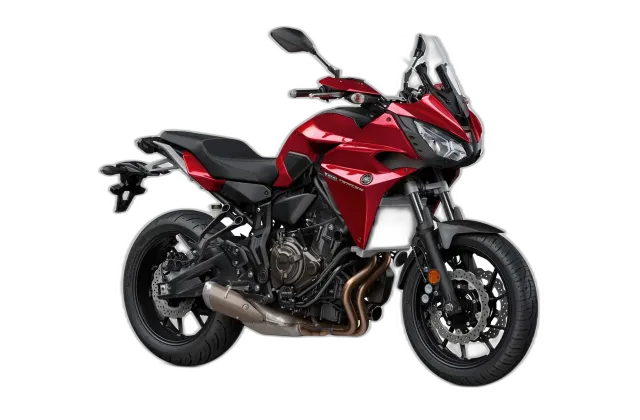
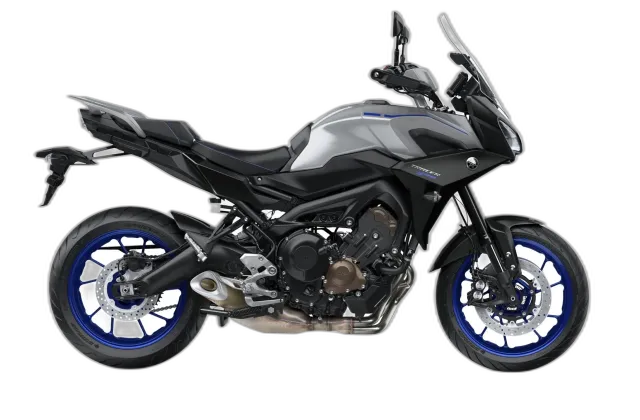
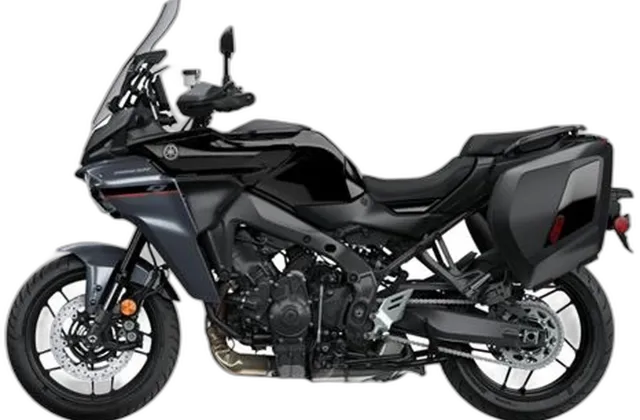
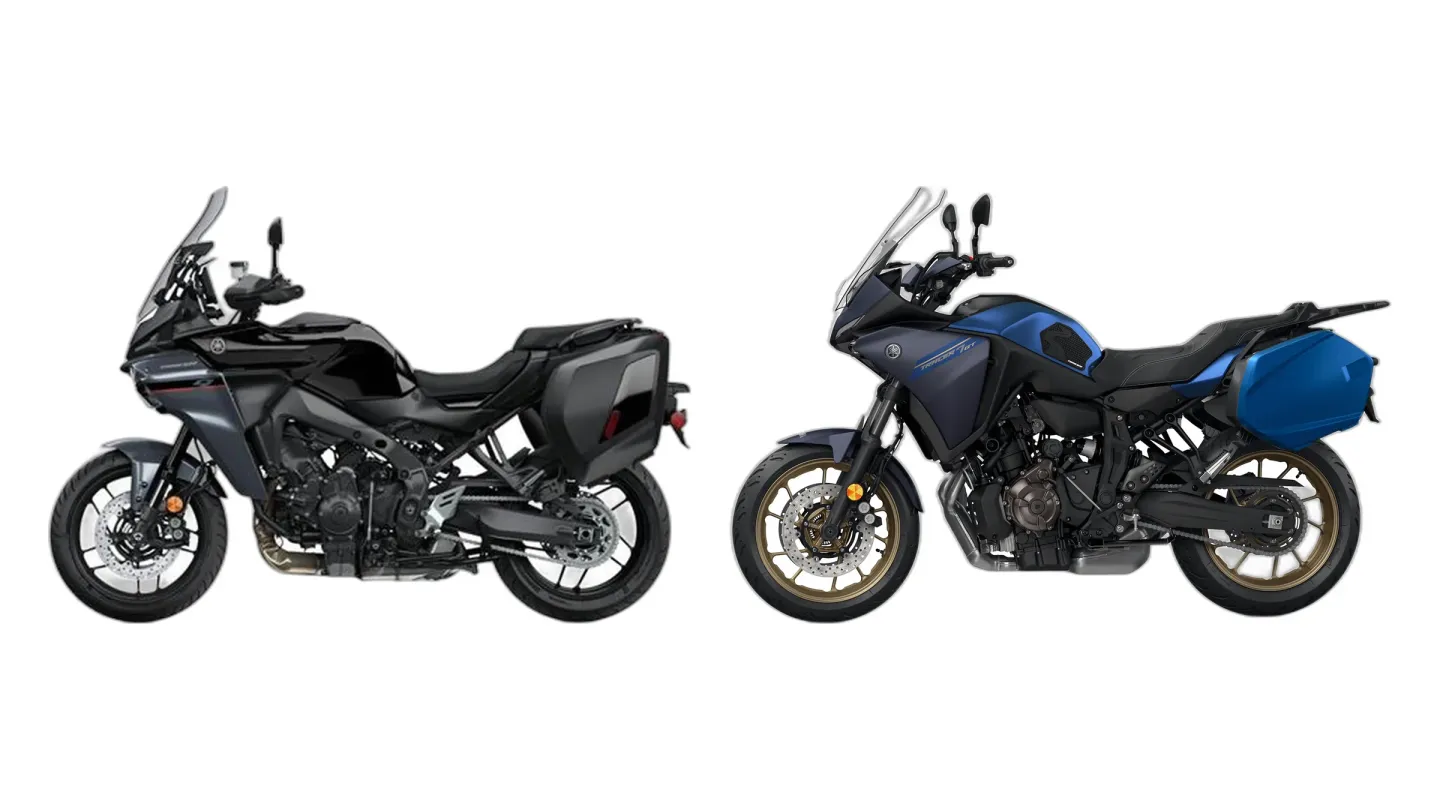
Yamaha Tracer 9 (MY2021) vs Tracer 7 GT (MTT690)
Yamaha Tracer 9 vs Tracer 7 GT: which one's easier to live with on a long trip.
A lazy gear and a quick twist of the wrist, and the Yamaha Tracer 9 doesn't hesitate as it pulls from down low, intake roaring toward the top. The Yamaha Tracer 7 GT's twin saves its shove for the middle of the rev range. Past that, it's still spinning with a lively edge.
So which one do you buy?
The Tracer 9 has the edge if…
Keeping running costs low
Nose ahead: Tracer 9
The Tracer 9 should be a little cheaper to keep on the road. It's a small gap.
Sporty riding on twisty roads
Edges it: Tracer 9
Once the road starts to bend, the Tracer 9 noses ahead. Put it down to harder acceleration and stronger brakes. Your own skill counts for more than a gap this size.
The Tracer 7 GT has the edge if…
Comfortable long-distance riding
By a nose: Tracer 7 GT
Deep into a long ride, the Tracer 7 GT asks slightly less of your back and shoulders. It's down to better wind protection. A small margin, and seat fit can overrule it.
What makes each one tick
Tracer 9
The Tracer 9 sets you upright on a plush seat, and it's still comfortable when the sun's going down. The triple doesn't turn overwhelming on highway miles or on a mountain road. With a passenger aboard, the brake lever hauls down 463 lb (210 kg) of bike plus a second rider. The pillion pad goes the distance.
Tracer 7 GT
A tight back road wakes the Tracer 7 GT up, since its compact chassis doesn't carry much heft to throw around. At corner entry, the front end tucks in exactly where it's aimed. The suspension's set up firm. It won't trade a precise line for plush comfort. The CP2 engine revs freely at any pace.
Nils rode the Tracer 7 GT in 2023 (NastyNils Testride).
The Voice of Experience

What actually separates them
- The Tracer 9 has the lower seat: 31.9 in (810 mm) vs 33.1 in (840 mm).
- The Tracer 7 GT has the lower wet weight: 432 lb (196 kg) vs 463 lb (210 kg).
- The Tracer 9 makes more peak power: 119 hp (88 kW) vs 73 hp (54 kW).
Which one for the way you ride
A confidence-building first motorcycle
No verdict: Tracer 9
The Tracer 9 has too much motor for a first bike. Get your basics down on something smaller.
On commuting, these two are a wash. That's where your budget and your inseam get the final say.
Who each one is built for
What's good, and what you'll live with
Tracer 9
What owners say
Strengths
- Punchy CP3 triple engine
- All-day comfort for two
- Excellent value for money
Tracer 7 GT
What owners say
Strengths
- Characterful and flexible CP2 engine
What they share
- Cooling
- Liquid-cooled
- Gearbox
- 6-speed
- Final drive
- Chain
- Front brake
- 298 mm
- Front tire
- 120/70-17
- Rear tire
- 180/55-17
Where the spec sheets split
| Tracer 9 | Tracer 7 GT | |
|---|---|---|
| Seat height | 31.9 in (810 mm) | 33.1 in (840 mm) |
| Wet weight | 463 lb (210 kg) | 432 lb (196 kg) |
| Tracer 9 | Tracer 7 GT | |
|---|---|---|
| Displacement | 890 cc | 689 cc |
| Engine | Inline-three | Parallel twin |
| Power | 119 hp (88 kW) | 73 hp (54 kW) |
| Peak power at | 10,000 rpm | 8,750 rpm |
| Torque | 69 lb-ft (93 Nm) | 49 lb-ft (67 Nm) |
| Peak torque at | 7,000 rpm | 6,500 rpm |
| Tracer 9 | Tracer 7 GT | |
|---|---|---|
| Fuel economy | 47 mpg (US) / 5 L/100 km | 55 mpg (US) / 4.3 L/100 km |
| Fuel capacity | 4.8 US gal (18 L) | 4.5 US gal (17 L) |
| Tracer 9 | Tracer 7 GT | |
|---|---|---|
| Fork | Upside-down (USD) | Telescopic |
| Wheelbase | 59.1 in (1500 mm) | 57.5 in (1460 mm) |
What comes fitted, what costs extra
| Tracer 9 | Tracer 7 GT | |
|---|---|---|
| Cornering ABS | Standard | Not offered |
| Traction Control | Standard | Not offered |
| Ride Modes | Standard | Not offered |
| Electronic Suspension | Option | Not offered |
| Manually Adjustable Front Suspension | Not offered | Standard |
| Cruise Control | Standard | Not offered |
| Quickshifter | Option | Not offered |
| Slipper Clutch | Standard | Not offered |
| Smartphone Connectivity | Option | Not offered |
| Tire Pressure Monitoring (TPMS) | Option | Not offered |
| Luggage System | Option | Standard |
Head to head, area by area
Both bikes on the same scale, one area at a time.