
Yamaha Tracer 7 GT (MTT690) — Sport Tourer
Yamaha Press

2021–2024 · Sport Tourer · Buyer's Guide

Tracer 7 GT (MTT690)

4 / 5 NastyNils Rating · against its class

Nimble Twin, Honest Miles

The Machine's Character

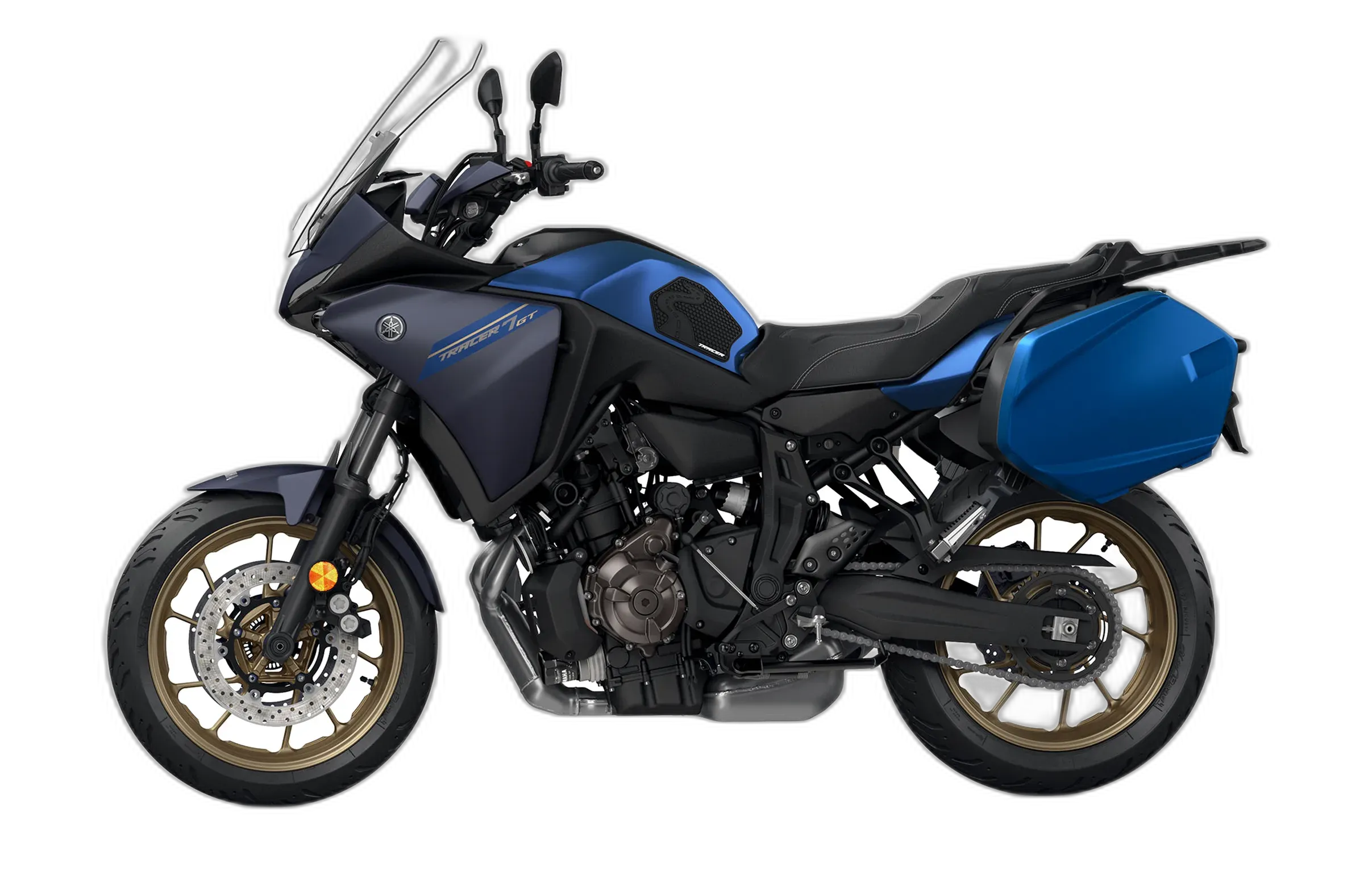
The Tracer 7 GT is built around Yamaha's 689 cc CP2 parallel twin, and that engine sets the tone for everything around it: 73 hp, 49 lb-ft, and a torque peak that arrives at 6,500 rpm rather than somewhere near the redline. Yamaha hung it in a steel diamond frame, kept wet weight down to 432 lb, and gave it adjustable suspension at both ends, which is not something you find often in this corner of the sport-touring class. The GT package brings a taller windscreen you set by hand, a color TFT display, LED lighting, and ABS.

On the road it reads as a light, accessible sport-tourer rather than a big-bore machine, and that shapes exactly who it fits. Riders who want something that shrinks around them in traffic and still sits steady at interstate speed get a lot here, with genuine reliability and 55 mpg behind it. The caveat is the brief itself. This is a middleweight, so two-up and fully loaded you will be working the gearbox on long climbs, the suspension is set on the firm side, and the heated grips are an extra rather than part of the deal.

Hard Numbers

Spec sheets don't ride bikes, but they set the baseline.

Show full specs & equipment Hide specs & equipment
Key specifications
Power 73 hp (54 kW) @ 8,750 rpm
Torque 49 lb-ft (67 Nm) @ 6,500 rpm
Displacement 689 cc
Engine Parallel twin
Cooling Liquid-cooled
Gearbox 6-speed
Final drive Chain
Fork Telescopic
Front brake 298 mm
Front tire 120/70-17
Rear tire 180/55-17
Wheelbase 57.5 in (1460 mm)
Seat height 33.1 in (840 mm)
Wet weight 432 lb (196 kg)
Fuel capacity 4.5 gal (17 L)
Fuel economy 55 mpg (US)

Equipment check

Chassis

  • Front Suspension Adjustable Standard
  • Rear Suspension Adjustable Standard

Comfort

  • Heated Grips Optional
  • Adjustable Windscreen Standard
  • Luggage System Standard

Connectivity

  • TFT Display Standard

Lighting

  • LED Headlight Standard

Safety

  • ABS Standard
Sunset over the Adriatic Sea near Primosten, Croatia. Golden hour light bathes calm water in warm tones, with a small sailboat on the distant horizon. Rocky vegetation frames the right foreground. Clear skies and gentle conditions.

The Truth on the Street

Over the years I've heard a lot about the Tracer 7 GT from the people who own one: in the paddock, at club nights, over coffee after group rides, and in the emails and messages riders send me directly. Put together, it all points the same way. Owners are warm about the engine and the way the bike corners, and most of the complaints are about touring comfort and practicality, not the core motorcycle.

A twin owners keep praising

The engine comes up more than anything else. Riders describe the CP2 as a twin with real character, pulling strongly through the midrange and still lively when you let it rev, so it stays fun at an easy pace and just as fun when they push on. The chassis comes a close second. Owners call it eager and accurate, and tight, twisting roads are where they say it feels most at home.

Where the touring brief runs thin

The gripes come from individual owners, not from a big group. Taller riders mention buffeting at highway speed even with the screen all the way up. Others miss a center stand, and heated grips are only available as an option. Two-up riders mention there's no luggage rack, the grab handles are awkward and the pillion seat is only average. A few also find the firm setup tiring on long trips over imperfect asphalt.

The Expert Benchmark

Where this Yamaha Tracer 7 GT pulls ahead of — or falls behind — its rivals on the numbers, and the typical bike in its class on character.

What kind of bike this is — character vs. the class

This bike Class average

The shape of the Yamaha Tracer 7 GT — numbers and character vs. the average Sport Tourer

Head-to-head: Yamaha Tracer 7 GT vs. its rivals

The Long-Haul Verdict

Forget spec-sheet bragging. Here's who the Tracer 7 GT is actually built for.

Aerial view of a winding asphalt road cutting through volcanic terrain on La Gomera, Canary Islands. The road curves through sparse green vegetation with rocky volcanic peaks visible in the background and a settled valley to the left. Clear lane markings, dry climate, partly cloudy sky.

Best motorcycle for Highway 1?

This is your bike. 200 to 400 mile days on the Blue Ridge or Highway 1 suit it exactly: light and willing where the road bends, settled and steady on the slab connecting the good parts.

Made for Black Hills · Blue Ridge Parkway · Cherohala Skyway
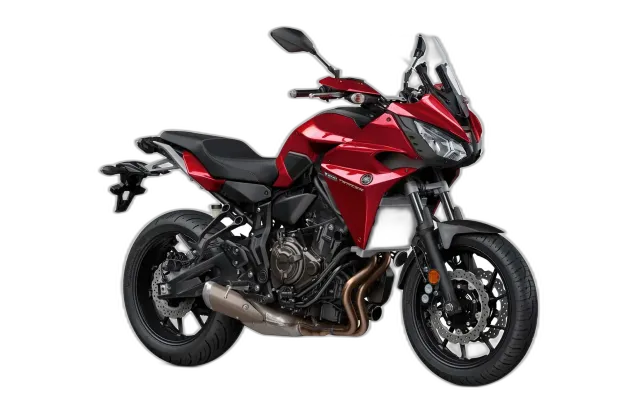
Best motorcycle for Tail of the Dragon?

For repeat runs on Appalachian twisties, the firm setup and honest steering work for you, not against you. Adjustable suspension at both ends means you can keep dialing it in.

Made for Back of the Dragon · Blue Ridge Parkway · Cherohala Skyway
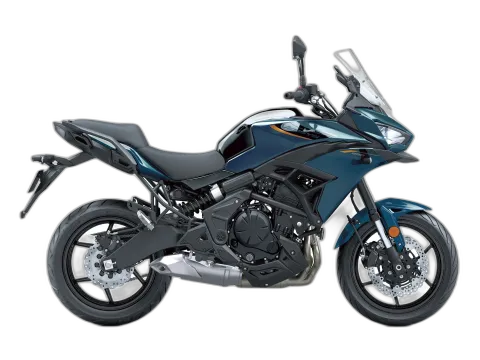
Best touring motorcycle for long distance?

It will cover the distance and sip fuel doing it. But two-up and fully loaded you are asking a middleweight to work hard, with no cruise control, though the luggage system at least comes standard.

Made for Beartooth Highway · Blue Ridge Parkway · Going-to-the-Sun Road

What's new versus the previous generation

If you're cross-shopping the older generation, here's what changed.

Yamaha Tracer 700 (MY2016)

Previous generation · 2016–2019

Yamaha Tracer 700 (MY2016)

Light Bike, Real Miles

Compare to the previous model →