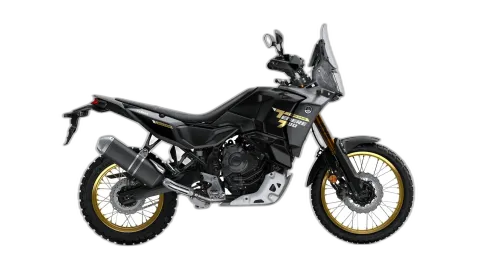
Yamaha MT-07 (RM33) — Naked Bike
Yamaha Press

2021–2024 · Naked Bike · Buyer's Guide

MT-07 (RM33)

Built to Beg for More

The Machine's Character

The RM33 MT-07 runs a 689 cc liquid-cooled parallel twin with an uneven firing order, which is why it sounds and behaves closer to a V-twin than a conventional twin. It makes 73 hp at 8,750 rpm and 49 lb-ft at 6,500 rpm, and the way it stacks torque under the midrange matters more to the ride than either number. At 406 lb wet on a 55.1 in wheelbase, it sits at the accessible end of Yamaha's Hyper Naked family, below the MT-09 and MT-10. Equipment is deliberately lean: ABS, LED headlight, smartphone connectivity, and little else.

That adds up to a bike you trust early and still enjoy a year in. It steers light, holds a line through tight stuff, and costs almost nothing to run at 58 mpg. Reliability is a strong suit, and aftermarket support is deep enough that most of the factory compromises have a fix waiting. The compromises are real, though. The fork carries no adjustment at all, the suspension runs soft under heavier riders, there is no traction control, and in fast sweepers the chassis is merely competent. Buy it for back roads and daily miles, not for sustained high speed.

Hard Numbers

Spec sheets don't ride bikes, but they set the baseline.

Show full specs & equipment Hide specs & equipment
Key specifications
Power 73 hp (54 kW) @ 8,750 rpm
Torque 49 lb-ft (67 Nm) @ 6,500 rpm
Displacement 689 cc
Engine Parallel twin
Cooling Liquid-cooled
Gearbox 6-speed
Final drive Chain
Fork Telescopic
Front brake 298 mm
Front tire 120/70-17
Rear tire 180/55-17
Wheelbase 55.1 in (1400 mm)
Seat height 31.7 in (805 mm)
Wet weight 406 lb (184 kg)
Fuel capacity 3.7 gal (14 L)
Top speed 130 mph (210 km/h)
Fuel economy 58 mpg (US)

Equipment check

Chassis

  • Rear Suspension Adjustable Standard

Connectivity

  • Smartphone Connectivity Standard

Lighting

  • LED Headlight Standard

Safety

  • ABS Standard

The Voice of Experience

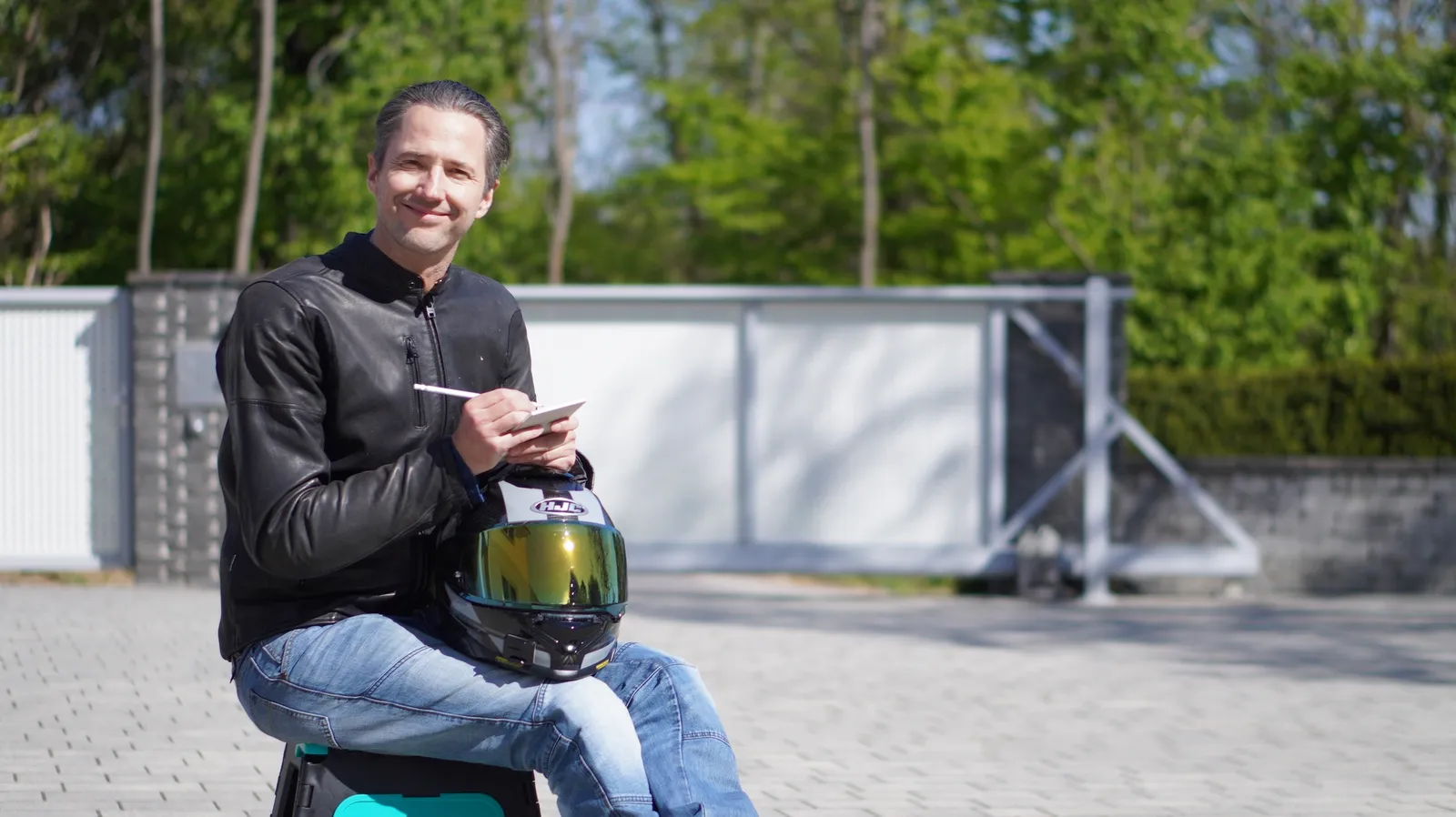
Portrait of NastyNils

The test ride

The first thing that registers is how ordinary the reach is. A 31.7 in seat, a wide bar that hands you leverage without stretching you forward, and a knee angle that suits big and small bodies alike. Clutch pull is feather light, which you appreciate about ten minutes into stop-and-go traffic. Once you're rolling, the off-beat exhaust note fills in behind you with a texture you feel as much as hear. Hold a steady 6,000 rpm on the interstate and that texture hardens into buzz through the bars and pegs, and your hands go numb sooner than you'd like. The seat is the other clock running. It's fine for the first hour, then it stops holding you up and you start hunting for a position. Wind pressure handles the rest of the pacing: 70 mph already feels like plenty.

Rated point by point — where it earns its keep

My own 0–100 score for this bike against the class, area by area — the marker on each bar is the class average.

Narrow, technical roads are where I enjoy this bike most. It turns with very little effort at the bar and settles onto the line I picked, so back-to-back switchbacks come easy and I never feel like I'm wrestling anything. Open the radius and the picture changes. Through fast sweepers the chassis tracks but gives me nothing to lean on, and I back off well before I've run out of ideas. A soft basic setup is a big part of that. My heavier test riders had it squatting into its clearance before the corner was finished, and with a passenger aboard the damping simply runs out of answers. The fork offers nothing to dial in, so you manage the problem with your inputs instead. One habit to build early: shut the throttle hard on the way down the gearbox and the rear tire will skip, with nothing in the driveline to smooth it over.

Wheelies kept happening during this test, and not one of them was arranged for a camera. The bike keeps putting the idea in front of you until you take it. What earns my respect is how calm it stays while you do. Nothing wanders, nothing goes light in a way you didn't ask for, and the fun never turns into a moment you have to save. Provocation and steadiness at the same time is a rare combination.

The front brake never became a topic during this test. There is real stopping force available when I want a fistful of it, and the lever meters it out finely enough that I can brake deep into a tight turn and place the bike exactly where I intended. Nothing about it asks for technique or allowances. I never once wished for something different.

This twin has an opinion, and I like that in a motor. It answers the throttle right now and wants revs badly enough that I used the whole gearbox for the pleasure of it rather than out of necessity. Outright shove is where it has slipped. Ridden back to back with the class, it comes up a little short on punch. Never slow, just no longer the one that stings you.

Body size hardly matters on this machine, which I don't get to say often. Riders from both ends of the height range climbed off without a word about legroom or reach, because the knee bend stays open and the bar is wide enough to hand you leverage instead of pulling your arms out. The clutch is the other quiet win. Light at the lever, clean in its take-up, and precise enough that a mile of stop-and-go asks nothing of your left hand. Two things wear on me over a long day. The gearbox accepts every shift I give it, yet the lever reports almost nothing on the way through, so I'm assuming the gear went home rather than knowing it, and this specification has no quickshifter to settle the question. The seat is the bigger fault. The padding is generous and the wrong kind, and it stops holding you up long before you're ready to stop riding.

There is no traction control fitted here, and of everything left off this specification, that is the piece I would want back. The character that makes the bike fun is exactly what makes the gap show: a machine this eager to spin the rear deserves a net under it on wet or dusty pavement. Managing wheelspin stays a manual skill, and it is one worth owning before you buy rather than after.

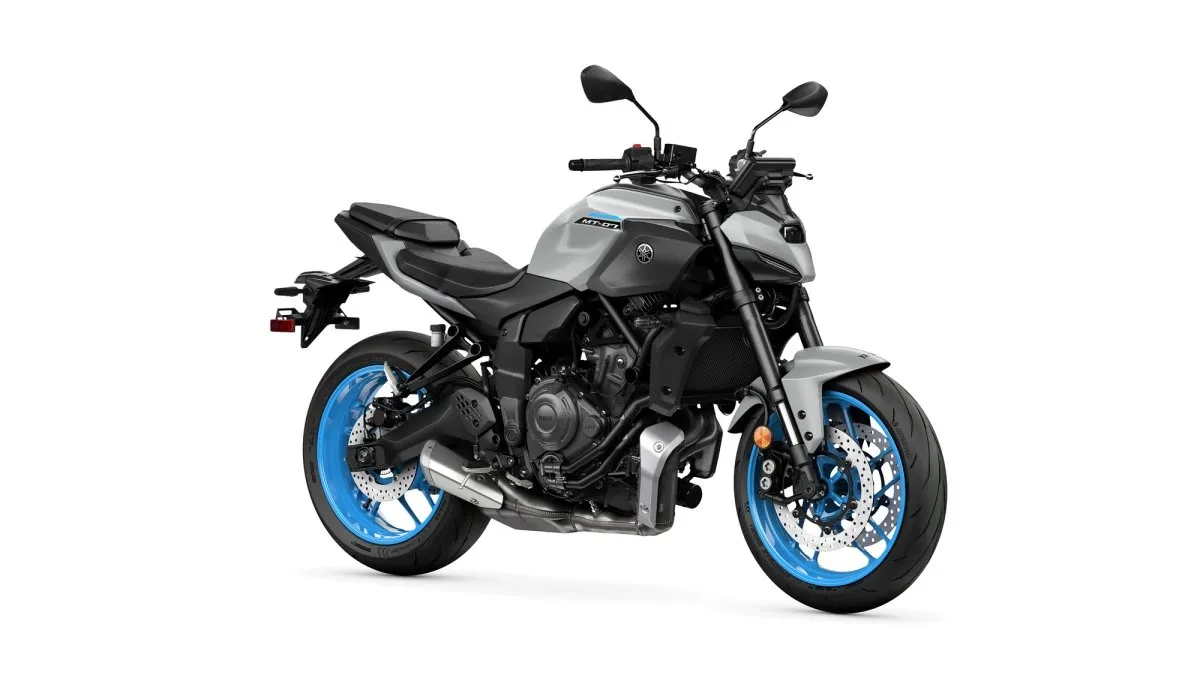
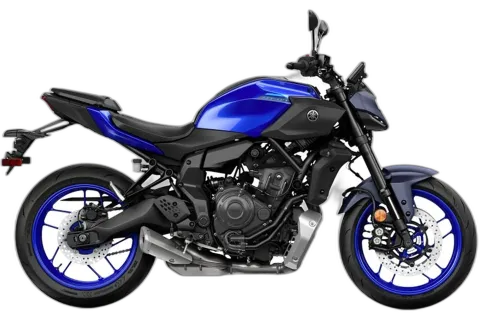
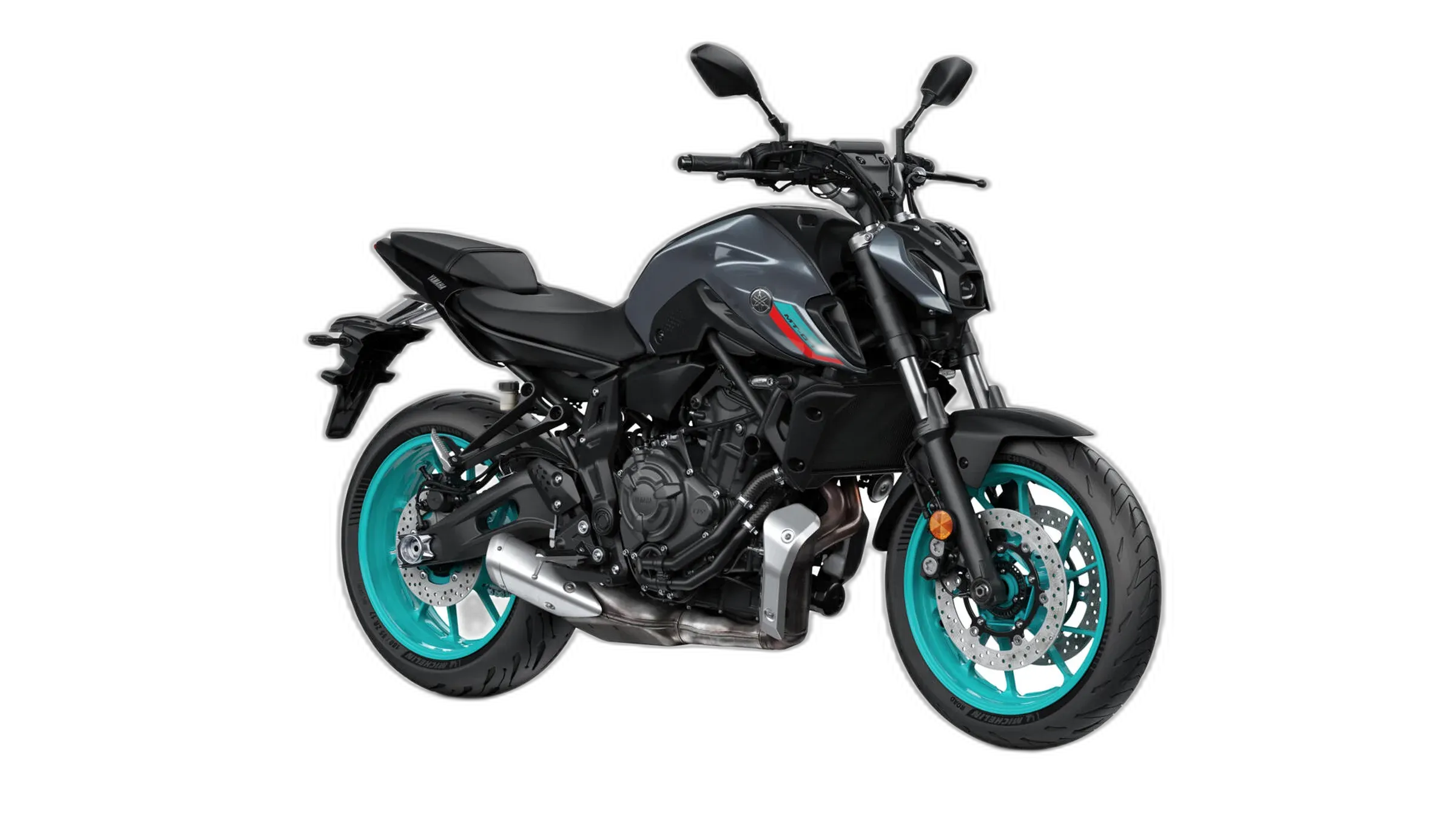
Yamaha MT-07 (RM33 generation, 2025 US model in Cyan Storm). Studio press shot on white background, three-quarter front-right perspective. Parallel-twin engine fully exposed, naked-bike chassis, blue rims and fork legs, no rider, no fairing.
Yamaha
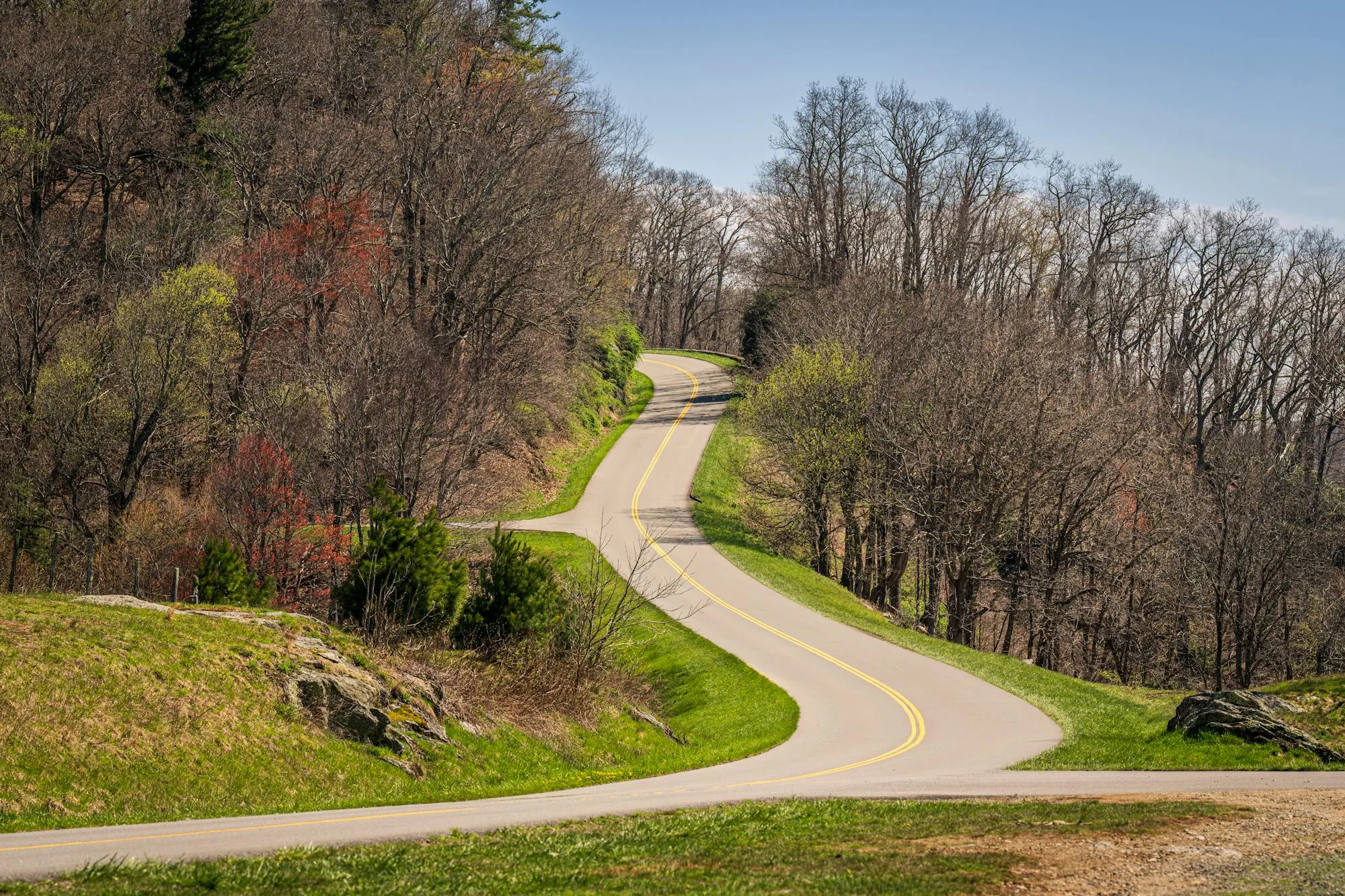
A winding asphalt road descending through the Appalachian Mountains, likely the famous Tail of the Dragon section in Tennessee and North Carolina. Multiple technical right-hand and left-hand curves are visible in this aerial perspective, surrounded by deciduous forest in spring foliage. Clear sunny conditions, well-maintained asphalt with yellow center lines marking the curves.
Mark Stebnicki / Pexels

The Truth on the Street

This part of the guide is not my test notes. It is what I have picked up over years of listening: conversations in the paddock, riders catching me at club nights, talk in parking lots after a ride, and the steady stream of messages from people who own one and put miles on it every week. For the MT-07 the pattern barely varies. Deep affection for how it runs and how it steers, followed almost immediately by a short list of things owners change.

The Motor Gets The First Word

Ask an owner what keeps them on this bike and the motor comes up before anything else. Riders describe a crossplane twin with a firing character closer to a V-twin, and torque that arrives early and keeps building through the middle of the rev range. They call it the defining quality of the machine, and plenty of them rank it as the best engine anyone offers in this class. Low weight is the next thing said, usually in the same breath. Owners talk about one of the lightest bikes in the segment, quick to change direction, easy to slot through traffic, no effort to move around at walking pace. Riders new to bikes, and riders returning after years away, keep describing power that never gets ahead of them and a low seat that takes the anxiety out of stopping. The same owners then use it for commuting, weekend loops, mountain roads and light touring without feeling they gave anything up.

What It Costs To Keep

Cost surfaces on its own, without me raising it. Owners rate this as the most enjoyment per dollar in the middleweight class, and they support that with what it takes to keep rather than what it cost to buy. Fuel consumption is reported as among the lowest of anything at this displacement. Service work is affordable, front pads last a long stretch, valve inspections fall far apart, and parts are cheap and easy to source. Long-term owners describe the engine as proven and robust, and many expect it to run well past 60,000 miles (100,000 km) with nothing more than regular maintenance.

The Short List Owners Change

One criticism outweighs the rest by a wide margin: the fork. Riders call it too soft for spirited riding, point out there is nothing to adjust, and report the bike getting unsettled at higher speeds and over broken pavement. Experienced owners treat a suspension upgrade as a planned purchase, not a maybe. The seat is next, with padding that gives up after an hour or ninety minutes and pillion accommodation described as very limited. Finish draws steady comment too: plastics that feel cheap, surface corrosion on the swingarm and frame near the welds and chain slider, coolant pipe paint that needs diligent protection. Vibration through bars and pegs at sustained highway speeds comes up regularly, along with numb hands and mirrors that stop being useful. Range confidence closes the list, since the gauge holds full too long, then drops fast, and the low fuel light behaves unpredictably. Early bikes also get flagged for offering nothing electronic beyond ABS.

Known issues

  • Clutch may not disengage properly despite lever fully pulled

    drivetrain occasional

    A new clutch disc supplier (from December 2022) applied an anti-corrosive agent that mixes with worn friction plate material under heat, forming a viscous substance that causes plates to stick together. The motorcycle can unexpectedly move forward from a standstill with a gear engaged. Affects all CP2 platform models (MT-07, XSR700, Tracer 7, Ténéré 700) from the same production period.

  • Yamaha OEM accessory lower engine guard can impair rear brake pedal travel

    brakes occasional

    The Yamaha original accessory "lower engine protection" (crash bar/engine guard) can restrict rear brake pedal travel after installation, reducing braking effectiveness. Primarily affects motorcycles used in driving schools where the accessory is commonly fitted.

  • Non-adjustable front fork too soft; instability at pace

    suspension very common

    The stock front fork is a non-adjustable damper-rod design. It is too soft for spirited riding, causing front-end dive under braking, instability at higher speeds, and lack of composure on rough surfaces. The most commonly reported complaint across professional reviews and owner forums. Aftermarket solutions (progressive springs, cartridge kits) are widely recommended.

  • Stock seat causes discomfort beyond 60–90 minutes

    bodywork very common

    The stock rider seat is too firm and flat for rides exceeding approximately one hour. The pillion seat is small and inadequate. This significantly limits touring usability. Aftermarket comfort seats, gel pads, or sheepskin covers are common remedies.

  • Noticeable vibration through handlebars and footpegs at sustained highway rpm

    engine common

    The CP2 parallel twin produces vibrations that are transmitted through handlebars and footpegs, particularly at sustained cruising speeds around 6,000 rpm. Causes numbness in hands and feet on longer rides. Mirrors become blurry/unusable at higher speeds. Inherent engine characteristic of the parallel-twin layout. Bar-end weights and rubber-mounted mirrors are common aftermarket remedies.

  • Fuel gauge reads inaccurately; erratic low-fuel warning

    electrics very common

    The fuel gauge shows full for an extended period after refueling, then drops rapidly through the lower range. The low fuel warning light may flash prematurely or erratically. Caused by the tank shape (wide at top, narrow at bottom) combined with a float-type sender. Documented across all CP2 platform models (MT-07, XSR700, Tracer 7), confirming it is a platform-level design issue.

  • Front LED turn signals loosen from vibration

    electrics occasional

    The front indicator/turn signal lights can work loose from vibration or minor impacts. The rubber mounting piece can cave into the signal socket. Left side more commonly affected. Requires periodic retightening.

  • Surface rust on swingarm (especially near welds and chain slider area) and frame

    chassis common

    Surface rust develops on the swingarm, particularly near welds and below the chain slider. The chain slider mounting design does not fully protect the swingarm from chain contact, causing paint damage that accelerates corrosion. Rust can also appear on frame sections. Attributed to thin/low-quality surface treatment. Documented across all MT-07 generations including 2021+ and across other CP2 platform models (XSR700).

  • Coolant pipes: thin paint peels, exposing metal to corrosion

    cooling occasional

    The metal coolant pipes have thin/low-quality paint that peels or flakes, especially with wet riding. The exposed metal then rusts. Related to general cost-cutting on surface finishes. Also documented on XSR700 (same CP2 platform). Some owners have received warranty replacement for affected pipes.

The Expert Benchmark

Where this Yamaha MT-07 pulls ahead of — or falls behind — its rivals on the numbers, and the typical bike in its class on character.

What kind of bike this is — character vs. the class

This bike Class average

The shape of the Yamaha MT-07 — numbers and character vs. the average Naked Bike

Head-to-head: Yamaha MT-07 vs. its rivals

The 'Should I Buy It?' Score

Forget spec-sheet bragging. Here's who the MT-07 is actually built for.

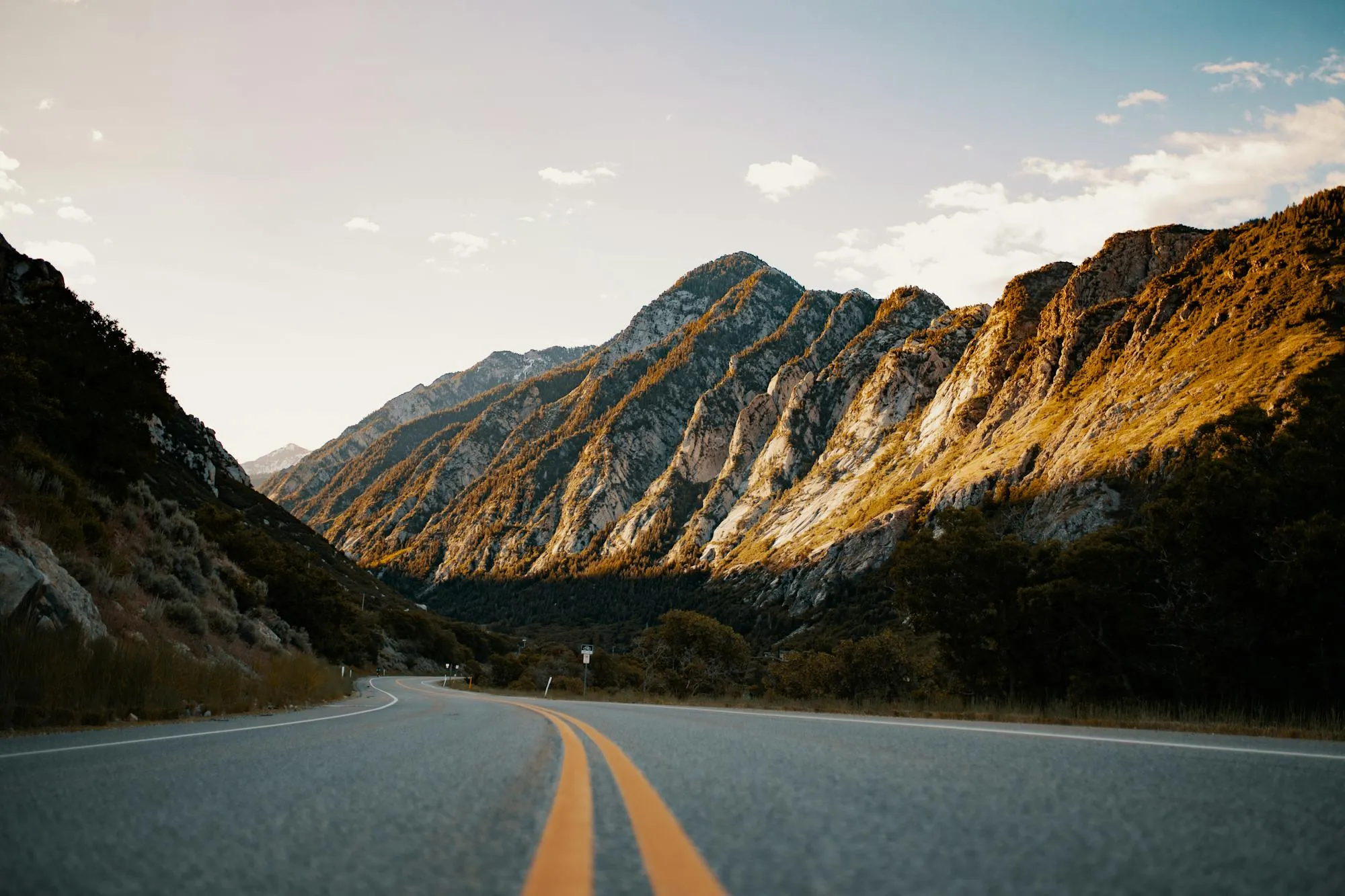
A scenic view of Angeles Crest Highway winding through rugged Southern California canyon terrain. Rocky mountainsides with golden earth tones frame the asphalt road with tight sweeping curves. Double yellow center line visible, sparse vegetation along the shoulders, clear blue sky with white clouds. Daylight, dry conditions. Iconic location for canyon-road enthusiasts.
Josh Sorenson / Pexels

Best motorcycle for Angeles Crest?

For tight, technical canyon work it's excellent and cheap enough to ride every weekend. Push into fast open sweepers and it's the soft, non-adjustable fork that holds you back, not the motor.

Made for Angeles Crest Highway · Coronado Trail / US 191 · Highway 1 / Big Sur

Best motorcycle for Tail of the Dragon?

This is home ground. Repeated direction changes, light steering, a front brake you can lean on, and running costs low enough that the drive from Knoxville pays for itself.

Made for Back of the Dragon · Blue Ridge Parkway · Cherohala Skyway

Best motorcycle for Bay Area?

It threads city traffic easily, returns 58 mpg, and still has enough character left for a Skyline run on Sunday. Just plan around the seat once the day stretches past an hour.

Made for Bay Area Ridge Roads · San Francisco / Bay Area · Skyline Boulevard / Alice's Restaurant

What's new versus the previous generation

If you're cross-shopping the older generation, here's what changed.

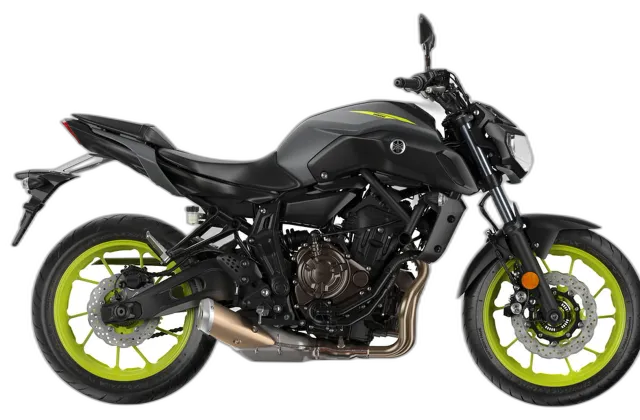
Yamaha MT-07 (RM17)

Previous generation · 2018–2020

Yamaha MT-07 (RM17)

The Reliable City Hustler

Compare to the previous model →

Alternatives to the Yamaha MT-07

If this one isn't quite the fit, these are the bikes worth riding back-to-back against it.

Any price note compares both bikes at the same age — the youngest age both have on the used market — against this Yamaha MT-07. “cheaper/pricier” is what that bike costs second-hand, not how worn it is.