·

Yamaha Tracer 700 (MY2016) — Sport Tourer
Yamaha Press

2016–2019 · Sport Tourer · Buyer's Guide

Tracer 700 (MY2016)

3.5 / 5 NastyNils Rating · against its class

Light Bike, Real Miles

The Machine's Character

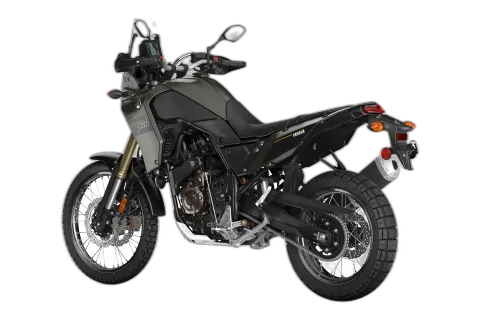
The Tracer 700 takes the MT-07's 689cc parallel twin, wraps it in a half-fairing with handguards and a hand-adjustable screen, and turns it into a genuine road-trip tool. The 270-degree crank gives the engine a lively, off-beat character, and its 73 hp and 50 lb-ft arrive low enough in the range to feel useful everywhere you ride. At 432 lb wet it sits at the light end of the sport-touring class. This is a bike that proves you do not need a liter engine or a heavy chassis to cover real ground and still enjoy every corner along the way.

On the road it feels commanding and relaxed at once, with a tall 32.9-inch perch, wide bars, and enough legroom for long days in the saddle. It sips fuel at 45 mpg, runs a simple chain final drive, and carries a solid reliability record for the miles you put on it. It suits the rider who wants day-long twisties and lighter touring without the bulk or the running costs of a big machine. The honest caveat: power is modest by the touring benchmark once you load it heavy two-up, the front fork gives you nothing to dial in, and the ABS can cut in sooner than you would like.

Hard Numbers

Spec sheets don't ride bikes, but they set the baseline.

Show full specs & equipment Hide specs & equipment
Key specifications
Power 73 hp (54 kW) @ 9,000 rpm
Torque 50 lb-ft (68 Nm) @ 6,500 rpm
Displacement 689 cc
Engine Parallel twin
Cooling Liquid-cooled
Gearbox 6-speed
Final drive Chain
Fork Telescopic
Front brake 282 mm
Front tire 120/70-17
Rear tire 180/55-17
Seat height 32.9 in (835 mm)
Wet weight 432 lb (196 kg)
Fuel capacity 4.5 gal (17 L)
Fuel economy 45 mpg (US)

Equipment check

Chassis

  • Manually Adjustable Rear Suspension Standard

Comfort

Safety

  • ABS Standard
Sunset over the Adriatic Sea near Primosten, Croatia. Golden hour light bathes calm water in warm tones, with a small sailboat on the distant horizon. Rocky vegetation frames the right foreground. Clear skies and gentle conditions.

The Truth on the Street

This one I've tracked for years, less from spec sheets than from riders themselves: long owner conversations, questions that surface at events, and the notes that land in my inbox. Put it together and the read is consistent. Praise clusters around how the bike behaves, and the grumbles gather almost entirely around the gear bolted to it.

What Riders Talk Up First

The motor leads every conversation. Owners keep circling back to the twin's eager, syncopated punch, and to how little the bike weighs under them, praising the way it turns at crawling speed without effort. Comfort earns steady mention, the roomy stance and supportive seat suiting a wide range of builds. Many also reckon the package delivers well above what they paid.

Where The Doubts Land

The complaints stay fixed on the kit. The raised screen draws the loudest, riders describing the rough, noisy air it throws at the helmet. The soft suspension gets flagged nearly as often, calm at an easy pace and loose once things speed up, with nothing up front to adjust. Plenty call the front brake vague and the ABS too quick to step in. Others want more rider electronics, and smaller hands struggle with a clutch that bites at the very end of its reach.

Known issues

  • Premature ABS intervention

    brakes occasional

    The ABS triggers too easily under hard braking, even on dry, high-grip surfaces, reducing control and confidence when riding aggressively.

  • Cam chain tensioner ticking

    engine occasional

    Some owners report a persistent ticking noise from the cam chain tensioner, especially when cold, which dealers may dismiss as normal.

  • Switchgear gremlins

    electrics rare

    A few owners have experienced intermittent issues with switchgear, including indicator or horn buttons sticking or failing.

  • Surface corrosion and seized fasteners

    bodywork occasional

    Exposed fasteners, engine case bolts, and the exhaust system can corrode quickly if not protected, and bolts are prone to seizing.

The Expert Benchmark

Where this Yamaha Tracer 700 pulls ahead of — or falls behind — its rivals on the numbers, and the typical bike in its class on character.

What kind of bike this is — character vs. the class

This bike Class average

The shape of the Yamaha Tracer 700 — numbers and character vs. the average Sport Tourer

Head-to-head: Yamaha Tracer 700 vs. its rivals

The Long-Haul Verdict

Forget spec-sheet bragging. Here's who the Tracer 700 is actually built for.

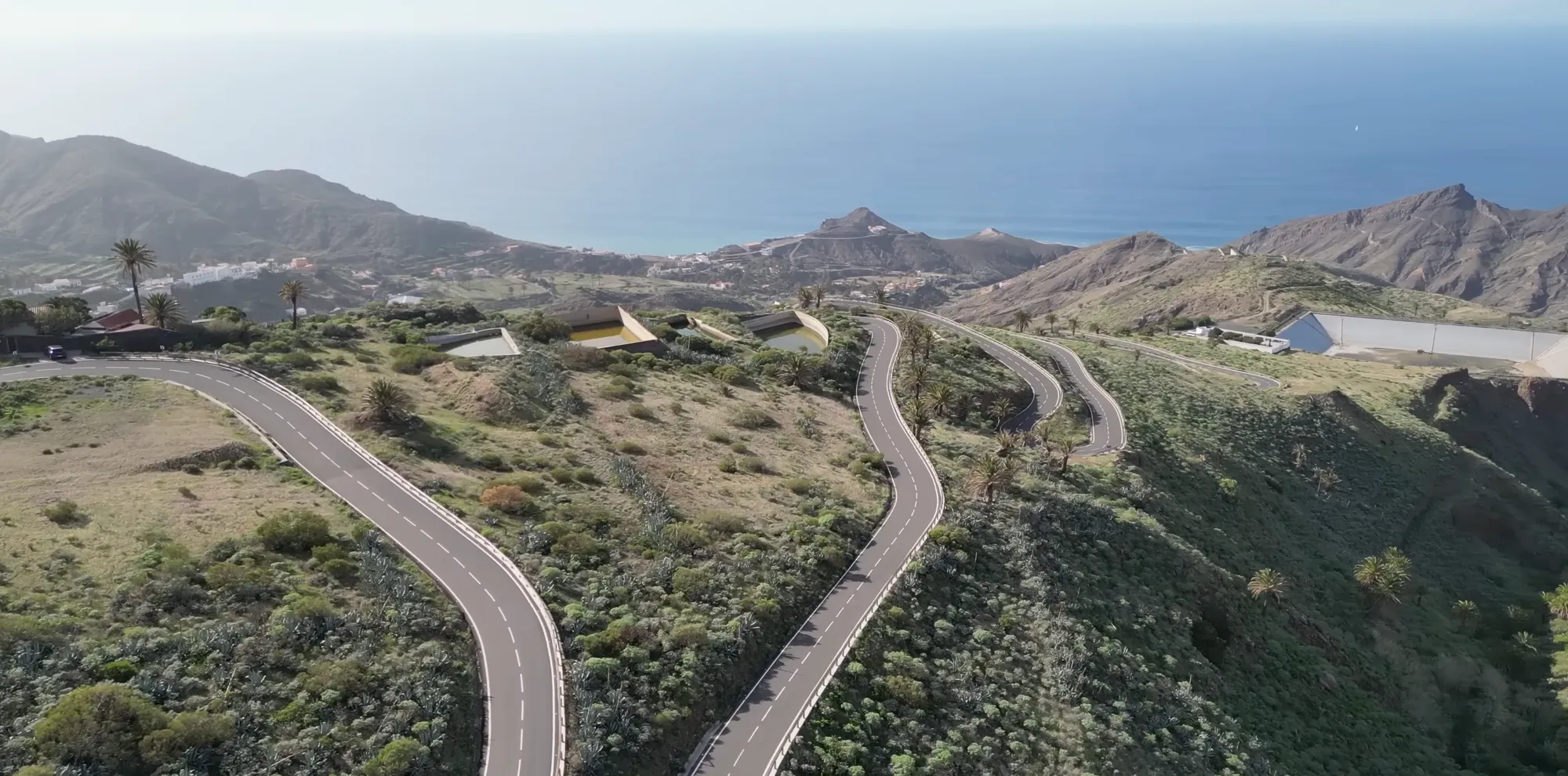
Aerial view of a winding asphalt road cutting through volcanic terrain on La Gomera, Canary Islands. The road curves through sparse green vegetation with rocky volcanic peaks visible in the background and a settled valley to the left. Clear lane markings, dry climate, partly cloudy sky.

Best motorcycle for Highway 1?

If your ideal weekend is 200 to 400 miles of Blue Ridge or Highway 1 sweepers with real comfort, this light Tracer nails it. It carves the twisties and glides the straights without wearing out you or your wallet.

Made for Black Hills · Blue Ridge Parkway · Cherohala Skyway

Best motorcycle for Tail of the Dragon?

For working technique on the Dragon and Cherohala, the featherweight chassis is a gift. It changes direction instantly and rewards clean lines, so you can chase skill over speed all day long.

Made for Tail of the Dragon · Back of the Dragon · Blue Ridge Parkway

Best touring motorcycle for long distance?

Straight talk: for coast-to-coast miles fully loaded two-up, 73 hp and this light frame ask a lot of the bike. It will get you there and sip fuel, but heavy touring is where it works hardest.

Made for Beartooth Highway · Blue Ridge Parkway · Going-to-the-Sun Road

Find it in these lists

Compare it with every bike that shares the same spec or equipment.