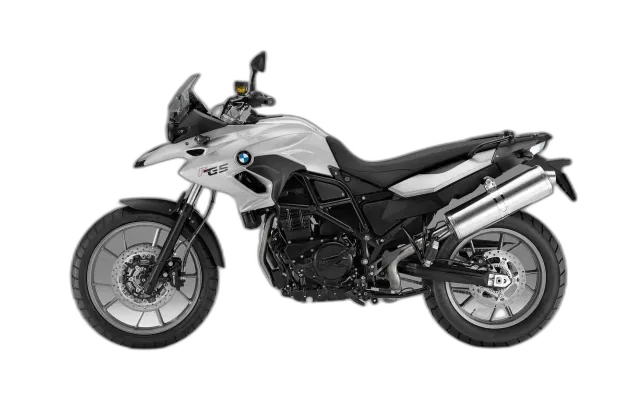
BMW F 750 GS (MY2018) — Adventure
BMW Press

2018 · Adventure · Buyer's Guide

F 750 GS (MY2018)

Big GS Feel, Manageable Size

The Machine's Character

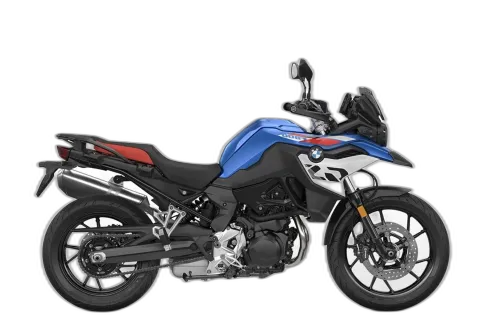
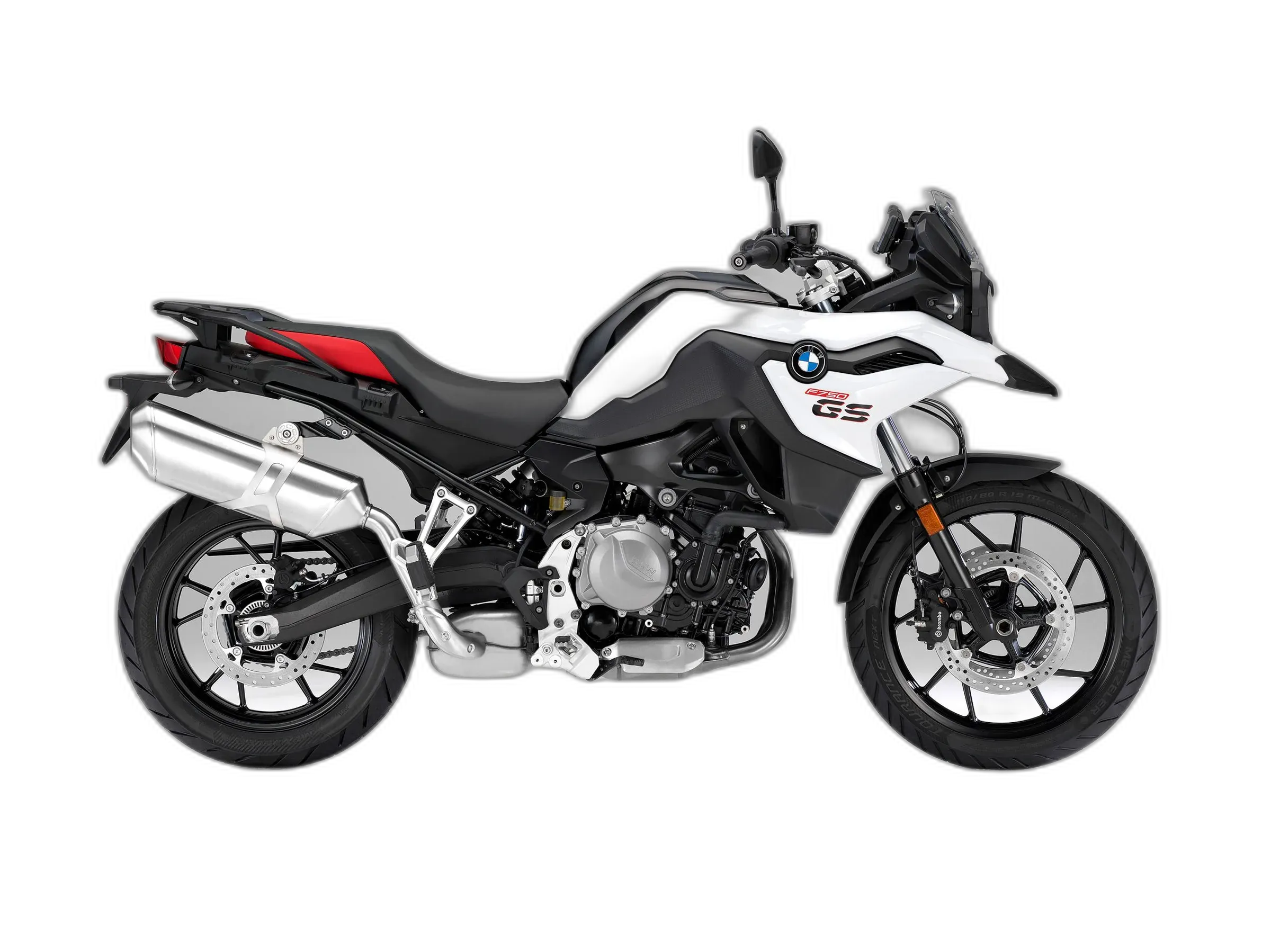
The F 750 GS is the road-biased member of the GS family, and the badge undersells what is underneath it. The engine is an 853 cc liquid-cooled parallel twin with a 270-degree firing order, good for 77 hp at 7,500 rpm and 61 lb-ft at 6,000 rpm, the same architecture that carries the F 850 GS in a softer state of tune. Around it sits a steel monocoque frame, a 19-inch front wheel, chain final drive, and a 32.1 in seat. ABS, traction control, and ride modes are standard, along with a slipper clutch, LED headlight, and a USB port.

On the road it behaves the way a BMW is supposed to: composed, predictable, never asking much of the rider. It steers light at parking speed despite 494 lb wet, and it settles into a highway cruise without fidgeting. That makes it a genuinely good fit for riders stepping up to a big-feeling machine, and for anyone who wants luggage capacity, range, and low running costs more than they want dirt credentials. The caveat is real. With 5.9 in of front travel and 7.0 in at the rear, this is a bike for pavement and graded gravel, not for serious backcountry.

Hard Numbers

Spec sheets don't ride bikes, but they set the baseline.

Show full specs & equipment Hide specs & equipment
Key specifications
Power 77 hp (57 kW) @ 7,500 rpm
Torque 61 lb-ft (83 Nm) @ 6,000 rpm
Displacement 853 cc
Engine Parallel twin
Cooling Liquid-cooled
Gearbox 6-speed
Final drive Chain
Fork Telescopic
Front brake 305 mm
Front tire 110/80-19
Rear tire 150/70-17
Wheelbase 61.4 in (1559 mm)
Ground clearance 7.5 in (190 mm)
Front travel 5.9 in (151 mm)
Rear travel 7.0 in (177 mm)
Seat height 32.1 in (815 mm)
Wet weight 494 lb (224 kg)
Fuel capacity 4.0 gal (15 L)
Fuel economy 57 mpg (US)

Equipment check

Chassis

  • Rear Suspension Adjustable Standard
  • Cruise Control Optional

Comfort

  • Heated Grips Optional
  • Adjustable Seat Height Optional
  • Luggage System Optional

Connectivity

  • TFT Display Optional
  • Smartphone Connectivity Optional
  • USB Charging Port Standard
  • Keyless System Optional
  • Tire Pressure Monitoring (TPMS) Optional

Drivetrain

  • Quickshifter Optional
  • Slipper Clutch Standard

Lighting

  • LED Headlight Standard

Safety

  • ABS Standard
  • Cornering ABS Optional
  • Traction Control Standard
  • Ride Modes Standard

The Voice of Experience

Portrait of NastyNils

The test ride

Thumb the starter and the 270-degree twin gives you an offbeat, loping beat instead of a flat drone. It is the best part of the soundtrack. There is a light buzz through the pegs in the middle of the rev range that you stop noticing after twenty minutes. The riding position is upright and roomy, the bars wide and close, and at 32.1 in the seat lets most riders get boots flat at a light. Rolling, the 494 lb hides itself well. What stands out on a long day is how little the bike asks of you: hands stay relaxed, the switchgear falls where your thumbs already are, and the front end tells you what the 19-inch wheel is doing without shouting about it. You finish a tank of fuel less worn out than the mileage suggests.

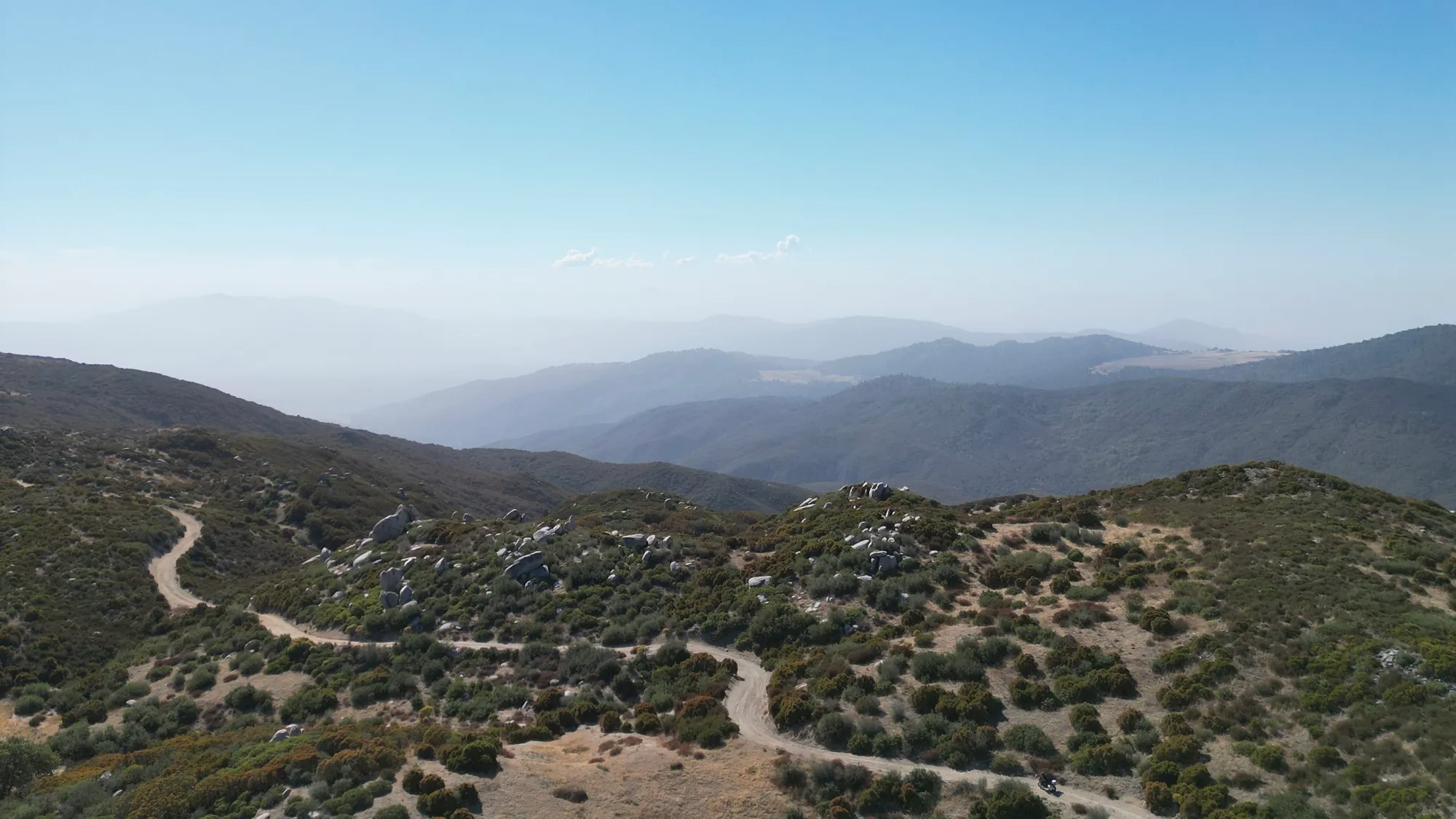
Aerial drone view of Palomar Divide Road winding through chaparral-covered mountain ridges in San Diego County. Multiple S-curve sections descend through sparse vegetation with distant valley views visible in the haze. Gravel and packed-earth surface.

The Truth on the Street

Ride enough years and you hear the same bike described a hundred different ways. This is not my verdict but the community's, collected from pit lane small talk, club evenings, riders I meet at gas stops, and the mail owners send me directly. On this one the conversation keeps landing in the same two or three places.

What Owners Keep Coming Back To

Most of it starts with the 853 cc twin. Owners talk about strong, smooth delivery and the rumble the 270-degree crank gives it, and anyone coming off an F 700 GS calls out the jump in refinement. After that comes how little effort the bike demands: clean throttle pickup, a clutch that is easy on the left hand, steering neutral enough to settle new owners quickly. Long stints draw few complaints, helped by the seat and suspension height options that let riders of very different builds get on with it. Build quality gets steady, unshowy praise.

Where The Praise Runs Out

The complaints are fewer and come from a smaller group. Some owners never take to the noise the engine makes, describing it as coarse under load and less polished than a triple or a four. Others raise cost: the price of entry runs above comparable machinery, and the options list climbs from there.

Known issues

  • Connecting rod screw connection defect – engine replacement recall

    engine rare Recall

    During quality monitoring BMW discovered that the screw connection for the connecting rods may not have been correctly made on some early production F 750 GS and F 850 GS models. This led to a delivery stop and a safety recall requiring complete engine replacement. Affected VINs were limited and the remedy was performed free of charge.

  • Cam chain tensioner noise and potential failure

    engine occasional

    Owners report a rattling noise from the cam chain area, especially on cold starts, which can worsen over time. In some cases the tensioner may fail, leading to timing chain slack and potential engine damage. Regular inspection and early replacement of the tensioner is advised.

  • Dirt ingestion when used in dusty off-road conditions

    engine rare

    Riders using the F 750 GS on gravel or dirt roads report that dust and debris can enter the airbox and intake, potentially fouling the air filter quickly and, in extreme cases, causing engine wear. This is primarily a concern for owners who ride BDR-style routes or extended unpaved surfaces.

The Expert Benchmark

Where this BMW F 750 GS pulls ahead of — or falls behind — its rivals on the numbers, and the typical bike in its class on character.

What kind of bike this is — character vs. the class

This bike Class average

The shape of the BMW F 750 GS — numbers and character vs. the average Adventure

Head-to-head: BMW F 750 GS vs. its rivals

The Long-Haul Verdict

Forget spec-sheet bragging. Here's who the F 750 GS is actually built for.

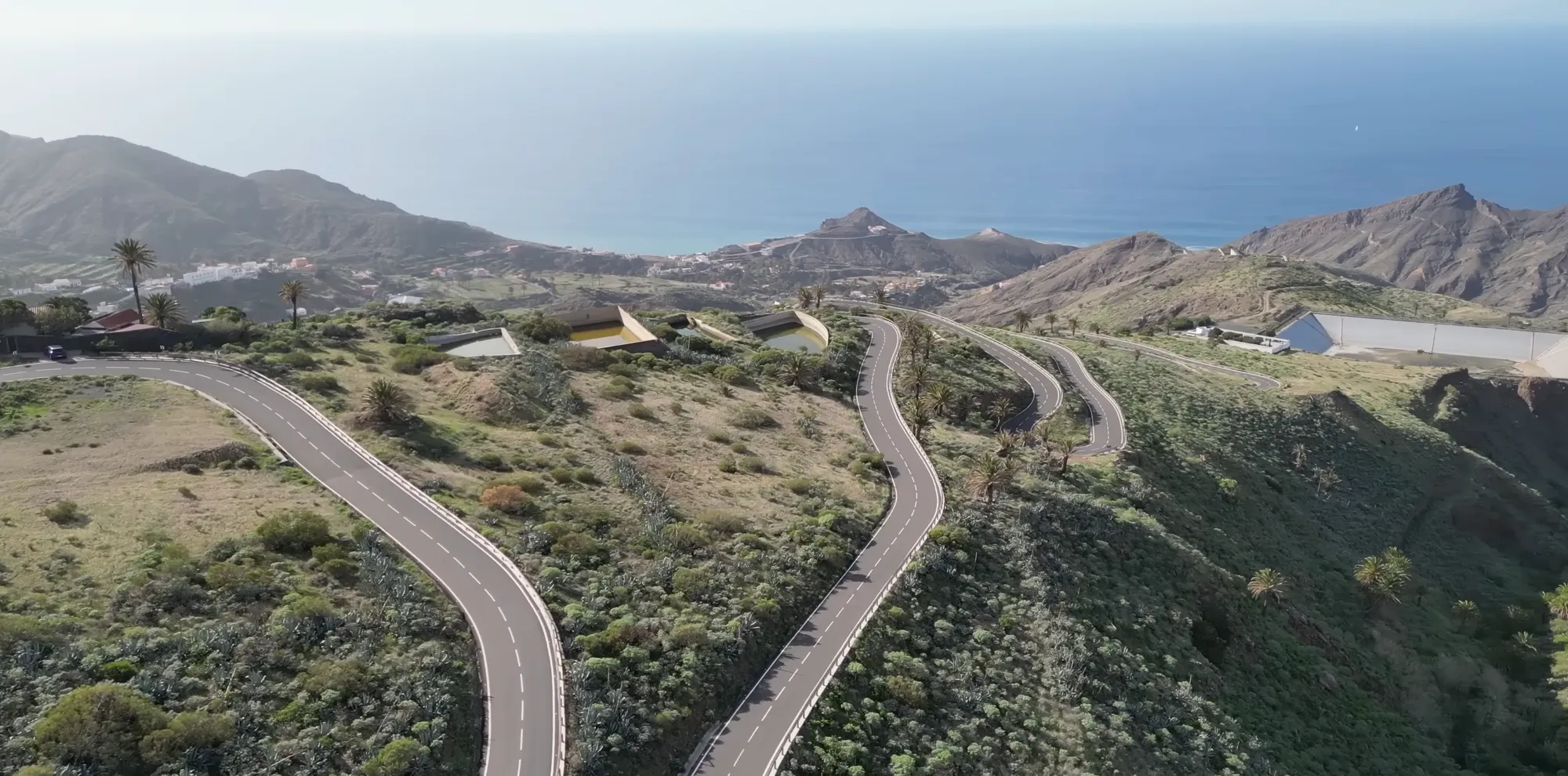
Aerial view of a winding asphalt road cutting through volcanic terrain on La Gomera, Canary Islands. The road curves through sparse green vegetation with rocky volcanic peaks visible in the background and a settled valley to the left. Clear lane markings, dry climate, partly cloudy sky.

Best motorcycle for Highway 1?

Twisty pavement and 200-mile days are exactly where this one lives: light steering, calm at speed, cheap to feed. Do not expect it to feel urgent when you lean on it hard.

Made for Black Hills · Blue Ridge Parkway · Cherohala Skyway
Best touring motorcycle for long distance?

Two-up and loaded it is honest rather than effortless. 77 hp and 494 lb handle the big western routes fine, but a 4.0 gal tank means you plan fuel stops on the empty stretches.

Made for Beartooth Highway · Blue Ridge Parkway · Going-to-the-Sun Road

Best motorcycle for BDR routes?

It will run graded gravel all day and swallow your gear. On rocky, rutted sections the 5.9 in of front travel runs out before your nerve does, so pick your routes accordingly.

Made for AZBDR — Arizona Backcountry Discovery Route · California BDR South · COBDR — Colorado Backcountry Discovery Route

What's new versus the previous generation

If you're cross-shopping the older generation, here's what changed.

BMW F 700 GS (MY2012)

Previous generation · 2012–2019

BMW F 700 GS (MY2012)

GS Soul Without The Weight

Compare to the previous model →

Alternatives to the BMW F 750 GS

If this one isn't quite the fit, these are the bikes worth riding back-to-back against it.

Any price note compares both bikes at the same age — the youngest age both have on the used market — against this BMW F 750 GS. “cheaper/pricier” is what that bike costs second-hand, not how worn it is.