BMW F 800 GS (K80) — Adventure
NastyNils / BMW Press

2024 · Adventure · Buyer's Guide

F 800 GS (K80)

The Middleweight That Clicks Immediately

The Machine's Character

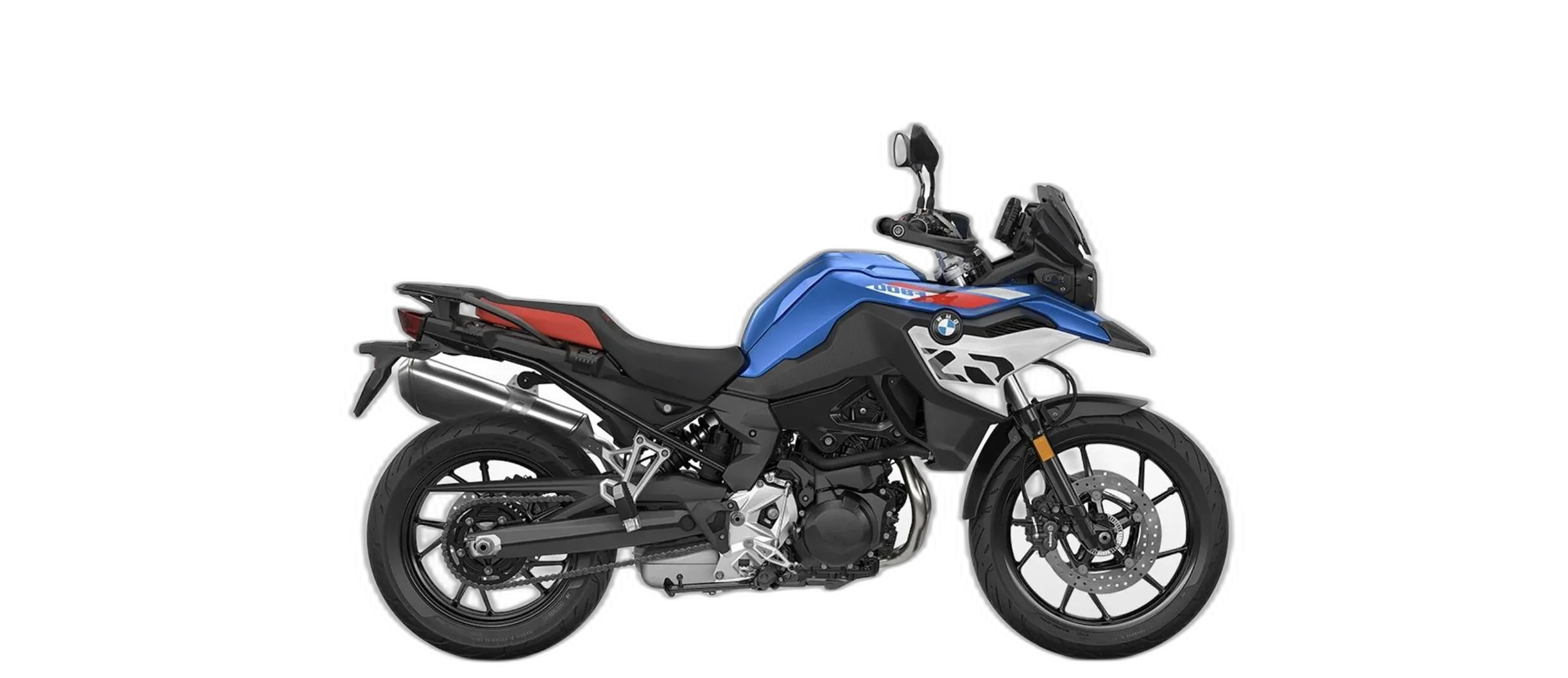
The F 800 GS borrows the 895 cc parallel twin from the pricier F 900 GS and holds it electronically to 87 hp. You give up little for that: the same 67 lb-ft and the same mid-range shove are there, with only the top of the rev range trimmed back. Around that engine sits a steel trellis frame, road-biased suspension, and a 6.5-inch TFT screen running BMW Ride Modes Pro. It lands squarely in the middle of the adventure class, built to be a bike a wide range of riders can actually use rather than one chasing a single headline number.

On the road it reads as a deliberate balance: comfortable enough for long days, sharp enough to enjoy the corners, without pretending to be a pure tourer or a sport bike in costume. The accessible seat height and easy manners make it a genuine all-rounder for riders who split their time between commuting, touring, and the occasional trail. Low running costs and solid reliability back that up over the years. The honest caveat: lean hard on the brakes through a long mountain descent and they start to fade. Normal touring never gets near it, but extended aggressive work in the hills will find the limit.

Hard Numbers

Spec sheets don't ride bikes, but they set the baseline.

Show full specs & equipment Hide specs & equipment
Key specifications
Power 87 hp (64 kW)
Torque 67 lb-ft (91 Nm)
Displacement 895 cc
Engine Parallel twin
Bore × stroke 86 × 77 mm
Compression 13.1:1
Cooling Liquid-cooled
Fuel system Fuel injection
Gearbox 6-speed
Final drive Chain
Frame Steel trellis
Fork Telescopic
Front brake 305 mm
Rear brake 265 mm
Front tire 110/80-19
Rear tire 150/70-17
Wheelbase 61.4 in (1559 mm)
Ground clearance 9.4 in (240 mm)
Front travel 9.1 in (230 mm)
Rear travel 8.5 in (215 mm)
Seat height 32.1 in (815 mm)
Wet weight 500 lb (227 kg)
Fuel capacity 4.0 gal (15 L)
Top speed 118 mph (190 km/h)
Fuel economy 55 mpg (US)

Equipment check

Chassis

  • Electronic Suspension BMW Dynamic ESA Realtime road adaptationAuto load leveling Optional
  • Front Suspension Adjustable Optional
  • Rear Suspension Adjustable Optional
  • Cruise Control Optional

Comfort

  • Heated Grips Optional

Connectivity

  • TFT Display Standard
  • Smartphone Connectivity Standard
  • Navigation Optional
  • Keyless System Optional
  • Tire Pressure Monitoring (TPMS) Optional

Drivetrain

  • Quickshifter BMW Gear Shift Assistant Pro Clutchless ridingSeamless power shifts Optional

Lighting

  • LED Headlight Standard

Safety

  • ABS Standard
  • Cornering ABS Standard
  • Traction Control Standard
  • Ride Modes BMW Ride Modes Pro Selectable ride modesLean sensitive traction Standard

The Voice of Experience

Portrait of NastyNils

The test ride

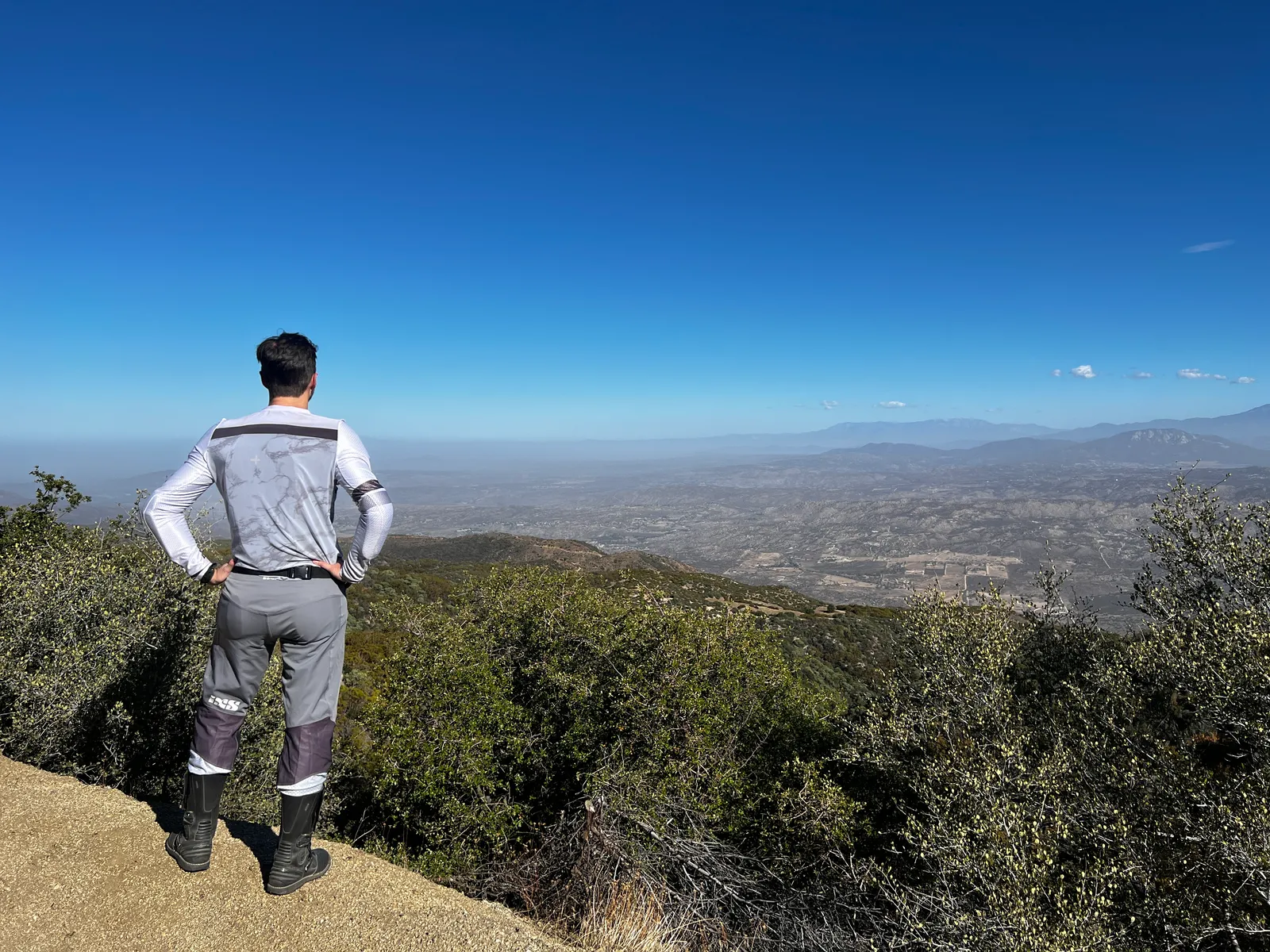
Swing a leg over and the first thing that registers is how little the bike asks of you. The seat sits low for the category, so getting both boots flat is easy, and within a handful of corners the chassis stops feeling like something you're learning. It goes where you point it and stays settled at speed without nagging from you. I spent a full test day running the same mountain switchbacks at a hard group pace, and it kept its place in the pack and kept pulling me back for another run rather than wearing me down. The flip side shows up once you start really working: there's less room to shift your weight around in the saddle than aggressive riding wants, and you feel it when the pace turns serious.

Rated point by point — where it earns its keep

My own 0–100 score for this bike against the class, area by area — the marker on each bar is the class average.

What I keep coming back to is the steering. One input and the front end pivots, with no vagueness at the start and no resistance to argue with. It tracks exactly where I aim it and stays there. The whole setup reads as intentional rather than accidental, a chassis tuned so neither composure nor sharpness gets sacrificed to the other. Nothing about it feels like a compromise reached by quietly softening one side to rescue the other.

This is the one place I found a real limit. Take the bike down a long, steep descent and lean on the brakes hard, stop after stop into corner after corner, and they start to lose their bite earlier than I'd like. You won't meet this on a normal touring day, where it stays comfortably out of reach. But ride the mountains aggressively for an extended stretch and the limit is sitting there, waiting for you to find it.

The reach to the ground is the standout. For an adventure machine the saddle sits unusually low, so getting flat feet down is easy, and a dealer can take it lower still toward what you'd expect from a naked bike. The catch shows once you try to reposition your body in motion. The saddle pins you in place more than hard off-road or aggressive canyon riding would like, and that restriction is something you genuinely notice when the pace climbs.

Two things stand out. First, it punches above what the spec sheet suggests when the pace turns serious. Run it hard in fast company through tight mountain work and it stays right in contention, the engine and chassis quietly covering for any deficit on paper. Second, and harder to engineer, it stays genuinely fun without asking much of you. A full day repeating the same corners over and over left me energized rather than worn down, which is a rarer balance than it sounds.

Power here is sized for the job rather than for bragging rights. There's enough on tap to keep a twisting mountain road satisfying, but it's metered well enough that a slightly late corner entry never bites you back. What I appreciated most is the throttle itself. Response stays smooth and clean across the range, so you can be precise with your inputs instead of constantly managing abruptness. It's tuned for real riding, not for a spec-sheet flex.

The smart move with this bike is where it places itself. It sits in the middle on the things that define an adventure machine, namely suspension travel, ride height, and dirt versus tarmac ability, and rather than reading as a hedge, that central position is the whole point. It covers more genuine use cases than a bike built around a single strength, and it does so without the hollow, watered-down feeling that usually comes from trying to please everyone.

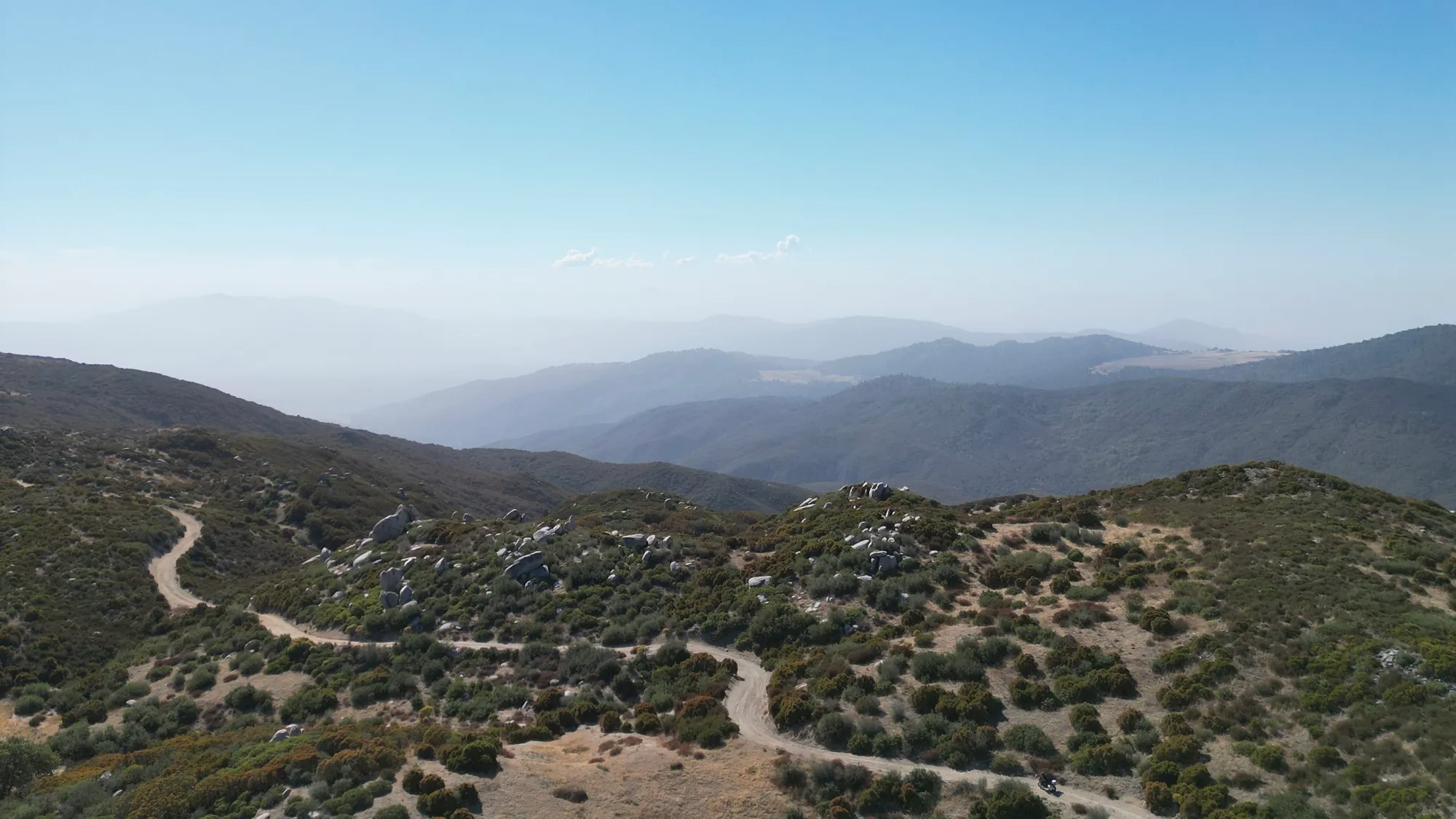
Aerial drone view of Palomar Divide Road winding through chaparral-covered mountain ridges in San Diego County. Multiple S-curve sections descend through sparse vegetation with distant valley views visible in the haze. Gravel and packed-earth surface. Clear day, no motorcycles or riders visible.

The Truth on the Street

Years of YouTube comments, forum threads, paddock conversations, and the emails and messages riders send me directly feed this. On the F 800 GS the pattern holds steady: most treat it as an easy, good-value all-rounder, with the grumbles aimed at its familiar looks and its uncertain place in the lineup.

The value riders keep flagging

The note that comes up most is the engine: riders consistently call the twin eager and torquey, with strong mid-range pull where they actually use it. The talk then turns to price, where owners keep pointing out how much bike they got against costlier rivals. They describe easy, confident road manners too, helped by an upright seat and compliant suspension that suit commuting and long days alike. Cornering ABS, traction control, and ride modes on the 6.5-inch TFT earn praise, with the optional quickshifter or cruise control often added.

What gives riders pause

Not everything wins them over. A recurring complaint is the styling, carried straight over from the previous model with no fresh updates, so it misses the sharper look of its costlier sibling. Some also wonder how long it will stay in the lineup, suspecting an update may not be far off. And on the longest days, a few riders find the standard seat wears on them.

Known issues

No widely-reported issues on record.

    The Expert Benchmark

    Where this BMW F 800 GS pulls ahead of — or falls behind — its rivals on the numbers, and the typical bike in its class on character.

    What kind of bike this is — character vs. the class

    This bike Class average

    The shape of the BMW F 800 GS — numbers and character vs. the average Adventure

    Head-to-head: BMW F 800 GS vs. its rivals

    The Long-Haul Verdict

    Forget spec-sheet bragging. Here's who the F 800 GS is actually built for.

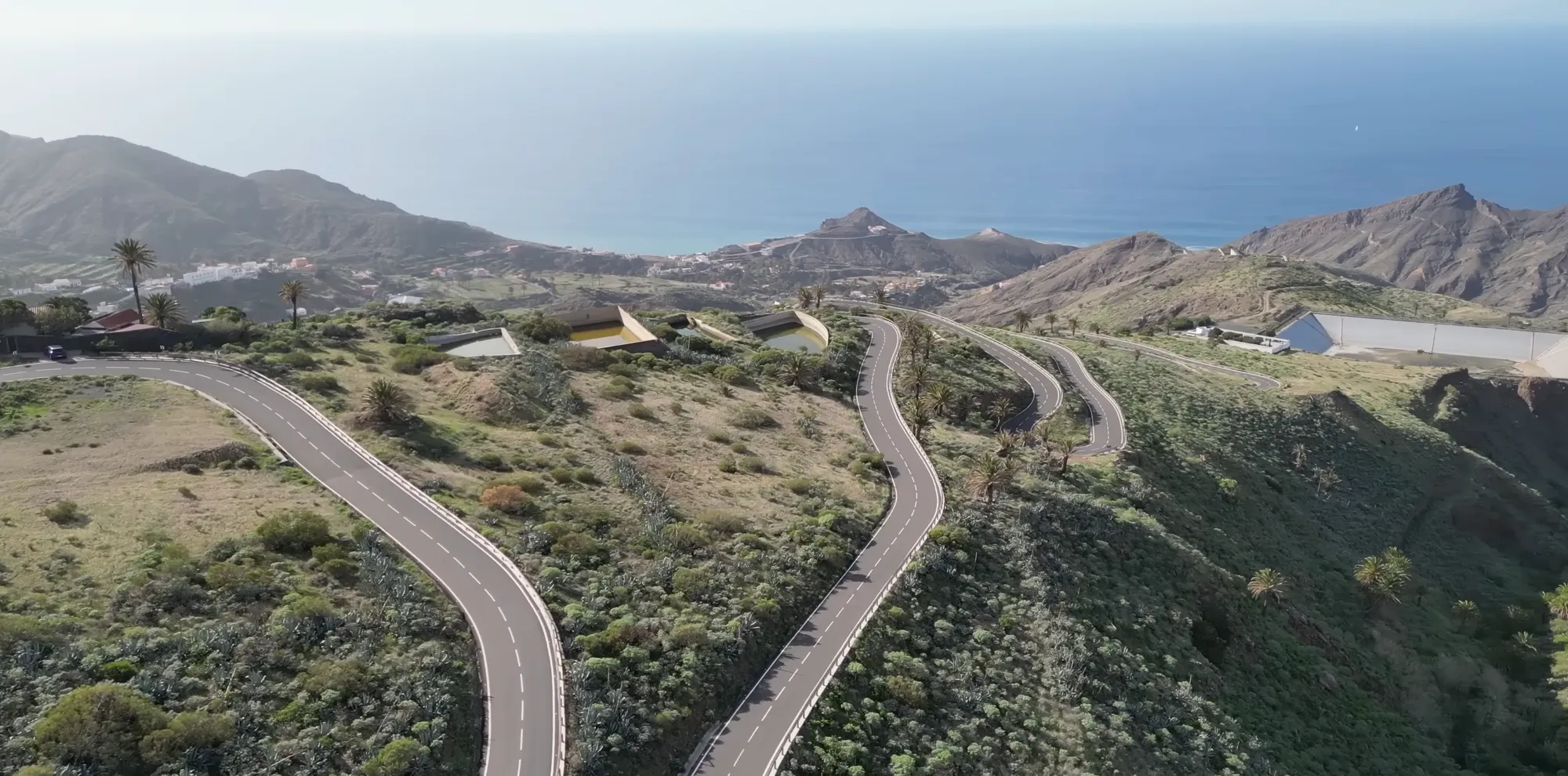
    Aerial view of a winding asphalt road cutting through volcanic terrain on La Gomera, Canary Islands. The road curves through sparse green vegetation with rocky volcanic peaks visible in the background and a settled valley to the left. Clear lane markings, dry climate, partly cloudy sky. No motorcycle or rider visible.

    Best motorcycle for Moab?

    For hard slickrock and sand it leans too far toward the road: street-biased suspension and tight saddle room hold it back. It handles lighter technical days fine, but it isn't the sharpest tool for the gnarly lines.

    Made for Bar M / Kane Creek · Imperial Sand Dunes · Johnson Valley OHV Area
    Best touring motorcycle for long distance?

    Comfort, reliability, and low running costs make it a willing long-hauler, two-up included. Just plan around the modest 4.0-gal tank and ease off the brakes on long descents.

    Made for Beartooth Highway · Blue Ridge Parkway · Going-to-the-Sun Road

    Best motorcycle for Highway 1?

    This is its happy place: the comfort-sport balance and the ability to hold a quick pace on switchbacks suit scenic day rides well. Watch the brakes on long downhill runs and enjoy it.

    Made for Black Hills · Blue Ridge Parkway · Cherohala Skyway

    Alternatives to the BMW F 800 GS

    If this one isn't quite the fit, these are the bikes worth riding back-to-back against it.

    Any price note compares both bikes at the same age — the youngest age both have on the used market — against this BMW F 800 GS. “cheaper/pricier” is what that bike costs second-hand, not how worn it is.