·

BMW F 900 GS (K81) — Adventure
NastyNils / BMW press archive

2024 · Adventure · Buyer's Guide

F 900 GS (K81)

Sharp Handling, Road-Proven Confidence

The Machine's Character

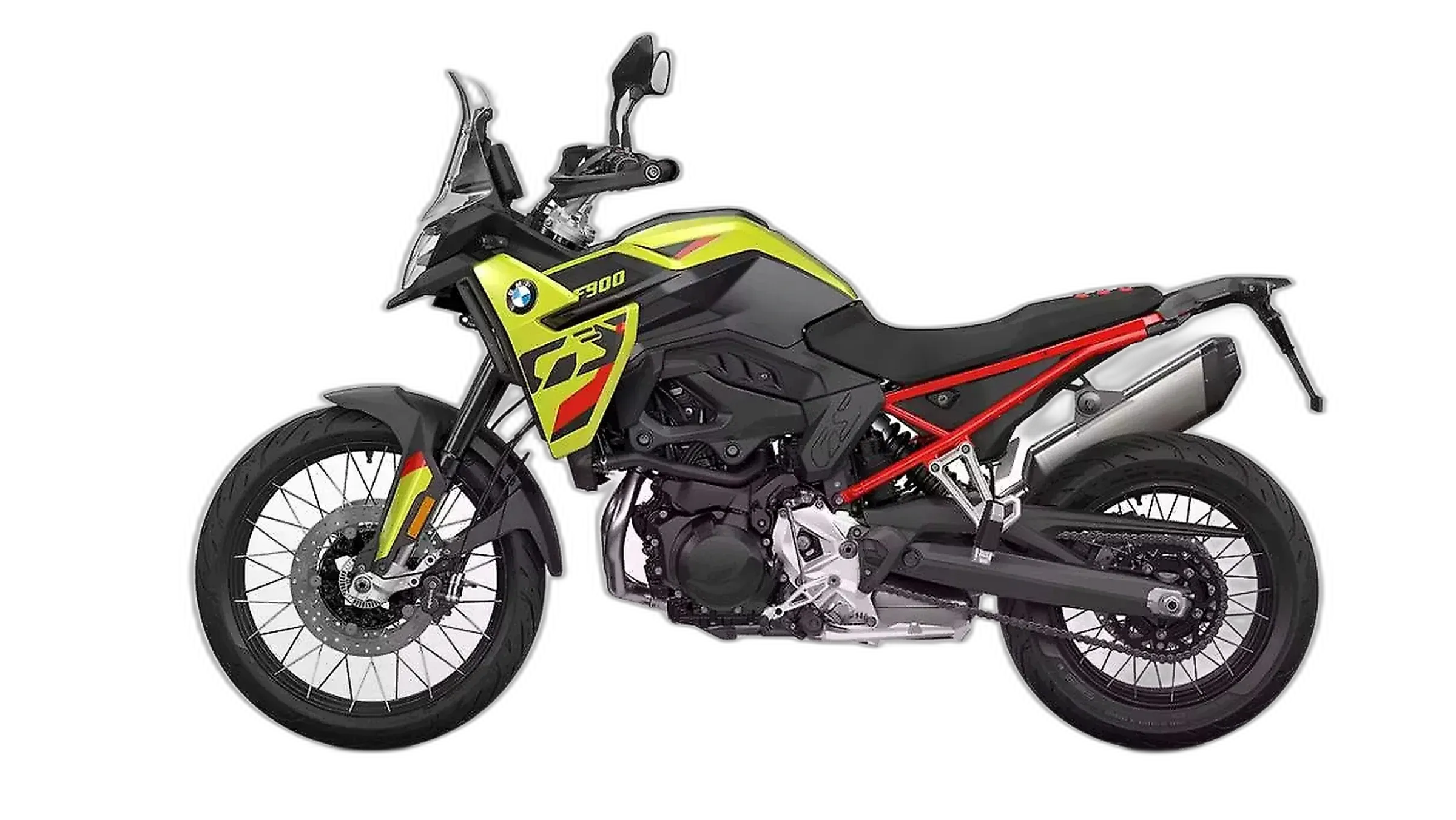
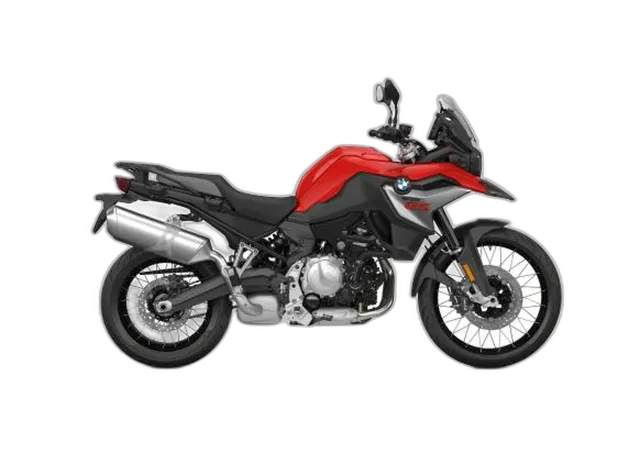
The F 900 GS is BMW's middleweight platform pushed toward genuine dirt. The 895cc parallel twin runs a 270/450-degree crank for a deeper, uneven pulse, and it makes 105 hp at 8,500 rpm with 69 lb-ft at 6,750. A standard Akrapovič slip-on gives it a fuller voice than you expect from this class. The chassis is built for terrain: a 21-inch front wheel, 9.1 in (230 mm) of front travel, and 9.8 in (250 mm) of ground clearance. Cornering ABS, traction control, and ride modes come standard, so the safety net is there from the first mile.

At 483 lb (219 kg) wet it carries its weight low, stays composed at speed, and makes its power easy to use on road or trail. This is the standard GS, the sharper and more alive of the two siblings; the Adventure trades that snap for range and comfort. The honest caveat is the base spec. The stock suspension feels underdamped the moment pavement ends, and the Enduro Pro Package that fixes it is close to mandatory, which pushes the real price up. Spec it right and it delivers on the adventure promise; buy it bare and it falls short of one.

Hard Numbers

Spec sheets don't ride bikes, but they set the baseline.

Show full specs & equipment Hide specs & equipment
Key specifications
Power 105 hp (77 kW) @ 8,500 rpm
Torque 69 lb-ft (93 Nm) @ 6,750 rpm
Displacement 895 cc
Engine Parallel twin
Cooling Liquid-cooled
Gearbox 6-speed
Final drive Chain
Fork Upside-down (USD)
Front brake 305 mm
Front tire 90/90-21
Rear tire 150/70 R17
Wheelbase 62.7 in (1593 mm)
Ground clearance 9.8 in (250 mm)
Front travel 9.1 in (230 mm)
Rear travel 8.5 in (215 mm)
Seat height 34.3 in (870 mm)
Wet weight 483 lb (219 kg)
Fuel capacity 3.8 gal (14.5 L)
Top speed 124 mph (200 km/h)
Fuel economy 55 mpg (US)

Equipment check

Chassis

  • Front Suspension Adjustable Standard
  • Rear Suspension Adjustable Standard
  • Cruise Control Optional

Comfort

  • Heated Grips Optional
  • Luggage System Optional

Connectivity

  • TFT Display Standard
  • Smartphone Connectivity Standard
  • USB Charging Port Standard
  • Tire Pressure Monitoring (TPMS) Optional

Drivetrain

  • Quickshifter BMW Gear Shift Assistant Pro Clutchless ridingSeamless power shifts Optional
  • Slipper Clutch Standard

Lighting

  • LED Headlight Standard

Safety

  • ABS Standard
  • Cornering ABS Standard
  • Traction Control Standard
  • Ride Modes BMW Ride Modes Pro Selectable ride modesLean sensitive traction Standard

Signature Tech

The named systems that set this bike apart — and what each one does for you.

Exhaust

  • Akrapovič Slip-On LineOptional
    • Engaging exhaust sound
    • Agile weight reduction
    • More power and torque

The Voice of Experience

Portrait of NastyNils

The test ride

Throw a leg over it cold and it already feels familiar. The handlebar is wide, the controls sit exactly where your hands reach for them, and the riding position drops you in like a bike you've owned a season. On the broken mountain asphalt of the Serra da Estrela loop, with steep elevation swings and torn-up pavement, it tracked cleanly and never asked you to fight for a line. What registers over the miles is the engine's mechanical character: vibration comes through the bars and pegs across the rev range, and there's more clatter here than you get from the smoothest twins in the class. It never spoils the ride, but you feel it. Off the mountain the everyday usability holds up, and this is a machine that suits daily life rather than just tolerating it.

Rated point by point — where it earns its keep

My own 0–100 score for this bike against the class, area by area — the marker on each bar is the class average.

On rough mountain tarmac the front end gives me real faith. Big elevation swings and pavement torn up badly enough to unsettle a weaker chassis never turned nervous beneath me. I could choose a line through a bend and trust it to hold, with no constant correcting and no wrestling at the bars. That kind of composure over poor surfaces is exactly what frees me to stop watching the front wheel and ride the road the way I want to.

Ride the two siblings nose to tail and the standard bike is the one I reach for once the route turns demanding. The larger Adventure buys you extra cushioning and more distance between fuel stops, but it pays for that with duller responses. The standard stays keener under me and reacts the instant I load it. For a rider who wants to genuinely work a piece of terrain instead of just covering ground, this is the more satisfying of the pair.

Sit on it cold and the ergonomics simply work for me. The wide bar and the switch layout put everything within an easy reach, and I felt settled into the saddle inside the first mile. The trouble starts the second the tarmac runs out. The standard suspension hasn't the damping to soak up a rough surface, so loose ground passes each hit through to me feeling cheap and unfinished. On a bike sold on an adventure brief, that base setup leaves me wanting.

My concern here has nothing to do with parts wearing out. It sits on the configurator. The headline entry figure reads well until you accept that proper off-road manners only arrive once the Enduro Pro Package goes on, and adding it lifts the true outlay noticeably above where you started. Buy the bare version and you've funded something that underdelivers on the exact task this category exists to do. I'd tick that box before anything else on the order form.

This motor wins me over by staying calm. Roll on at the exit of a bend and nothing lunges or catches me out, the rider aids sit quiet in the background, and the optional quickshifter swaps ratios without a stumble. It asks for trust rather than concentration. The cost is refinement. A mechanical coarseness travels through the contact points right across the rev band, rougher than the slickest twins in this class. It ruins nothing, yet I notice it on every ride.

What stays with me away from the dirt is how easily it folds into ordinary days. Plenty of terrain-focused machines turn into a nuisance the moment the adventure stops, ungainly in traffic and on a quick errand run. This one carries its easy manners straight into that world and never feels like too much bike for a small job. The relaxed nature that serves it on the mountain keeps right on serving in town. For something built to chase rough ground, that everyday fit counts for plenty with me.

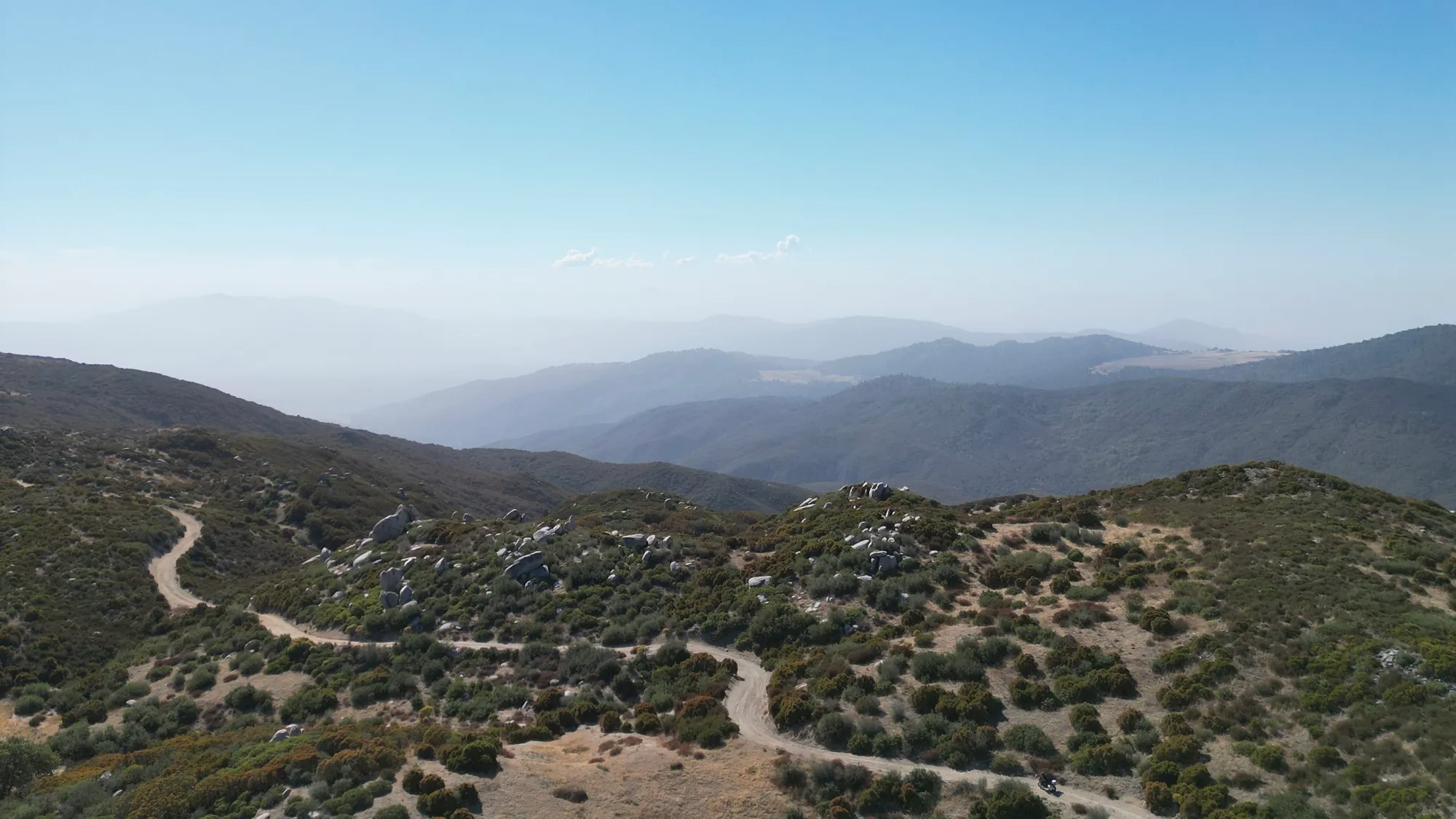
Aerial drone view of Palomar Divide Road winding through chaparral-covered mountain ridges in San Diego County. Multiple S-curve sections descend through sparse vegetation with distant valley views visible in the haze. Gravel and packed-earth surface.

The Truth on the Street

What follows isn't my verdict. It's the rider community's, gathered over years of owner conversations, the emails and messages that land in my inbox, and the long threads that build up around a bike like this. For the F 900 GS one pattern keeps surfacing: real admiration for how far it commits to the dirt, set against steady frustration with what that focus costs in comfort and on the bottom line.

Where it earns its respect off-road

The loudest, most repeated praise is for how seriously this bike takes the rough stuff. Owners stepping off the previous generation tell me it finally has the suspension stroke, the larger front wheel, and the clearance to take on broken ground rather than groomed trails. Much of the credit goes to the lighter wet weight, felt most in how willingly the bike changes direction whether the surface is loose or paved. The parallel twin gathers its own following: that uneven beat from the crank, a meaty middle of the rev range, and an appetite for revs that riders rank as the motor's high point. Plenty also remark on the depth of the standard electronics, with ride modes, cornering ABS, traction and drag-torque control all present at no surcharge, beating what several competitors fold in at this money. And the standard Akrapovič muffler comes up often for giving the bike a richer note than its predecessor.

What the off-road focus costs you

The complaints stack up with the same consistency. Seat height leads, with owners repeatedly noting the standard saddle sits high enough at 34.3 in (870 mm) that shorter riders struggle, and the optional low seat only goes so far. Right behind it, riders who pile on the miles say touring comfort has slipped against the old bike: a firmer seat, less protection from the wind, a smaller tank, and a busier feel on the highway, where vibration through the bars and pegs builds past roughly 80 mph (130 km/h). The fuel load draws the same worry, its real-world range of about 175 to 200 miles (280–320 km) landing short of what longer trips ask for. Cost is the final steady refrain. The base price reads well, riders say, but loading up the option packages soon carries the total beyond key competitors.

Known issues

No widely-reported issues on record.

    The Expert Benchmark

    Where this BMW F 900 GS pulls ahead of — or falls behind — its rivals on the numbers, and the typical bike in its class on character.

    What kind of bike this is — character vs. the class

    This bike Class average

    The shape of the BMW F 900 GS — numbers and character vs. the average Adventure

    Head-to-head: BMW F 900 GS vs. its rivals

    The Long-Haul Verdict

    Forget spec-sheet bragging. Here's who the F 900 GS is actually built for.

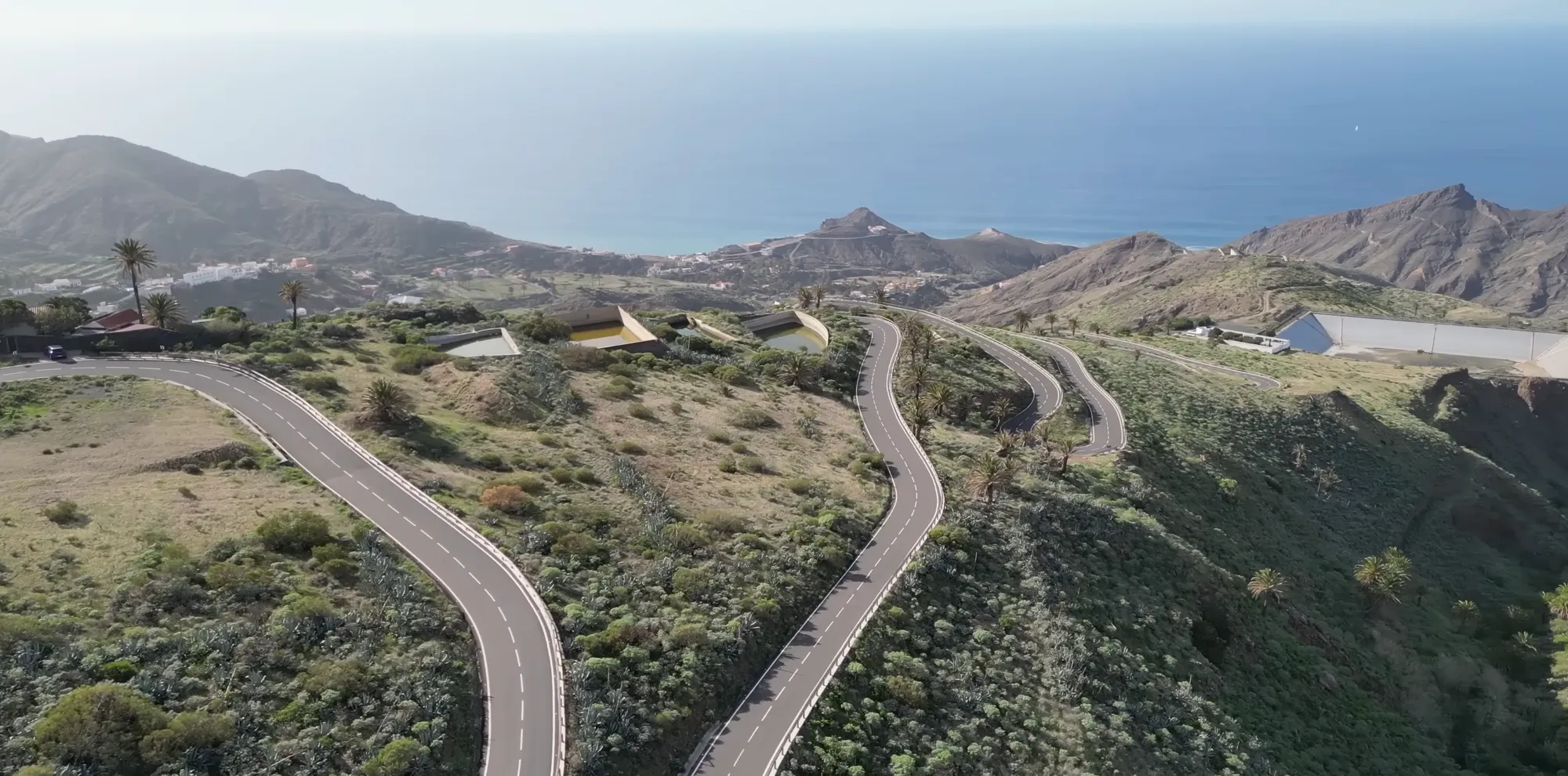
    Aerial view of a winding asphalt road cutting through volcanic terrain on La Gomera, Canary Islands. The road curves through sparse green vegetation with rocky volcanic peaks visible in the background and a settled valley to the left. Clear lane markings, dry climate, partly cloudy sky.

    Best motorcycle for Moab?

    Light, with a 21-inch front and real travel, it has the bones for Moab's technical lines. Just budget for the Enduro Pro Package; the base suspension won't survive that terrain.

    Made for Bar M / Kane Creek · Imperial Sand Dunes · Johnson Valley OHV Area
    Best motorcycle for Highway 1?

    Planted on rough tarmac and easy to ride fast, it's a willing partner for canyon days and scenic loops. Pack light, though: the 3.8 gal (14.5 L) tank keeps the stints short.

    Made for Black Hills · Blue Ridge Parkway · Cherohala Skyway

    Best touring motorcycle for long distance?

    Composed and stable at speed, but this is the sharper, smaller-tank GS. For loaded two-up coast-to-coast runs you'll stop for fuel often and want the comfort-focused setup.

    Made for Beartooth Highway · Blue Ridge Parkway · Going-to-the-Sun Road

    Alternatives to the BMW F 900 GS

    If this one isn't quite the fit, these are the bikes worth riding back-to-back against it.

    Any price note compares both bikes at the same age — the youngest age both have on the used market — against this BMW F 900 GS. “cheaper/pricier” is what that bike costs second-hand, not how worn it is.