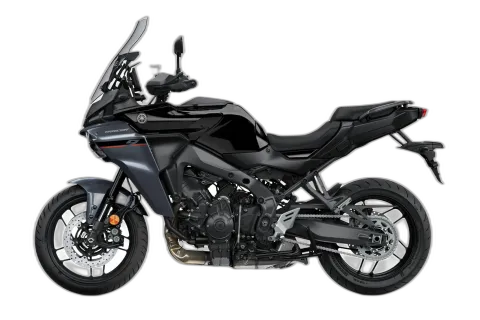

Yamaha Tracer 900 (RN43) — Sport Tourer
Yamaha press archive

2018–2020 · Sport Tourer · Buyer's Guide

Tracer 900 (RN43)

The Triple That Rides Light

The Machine's Character

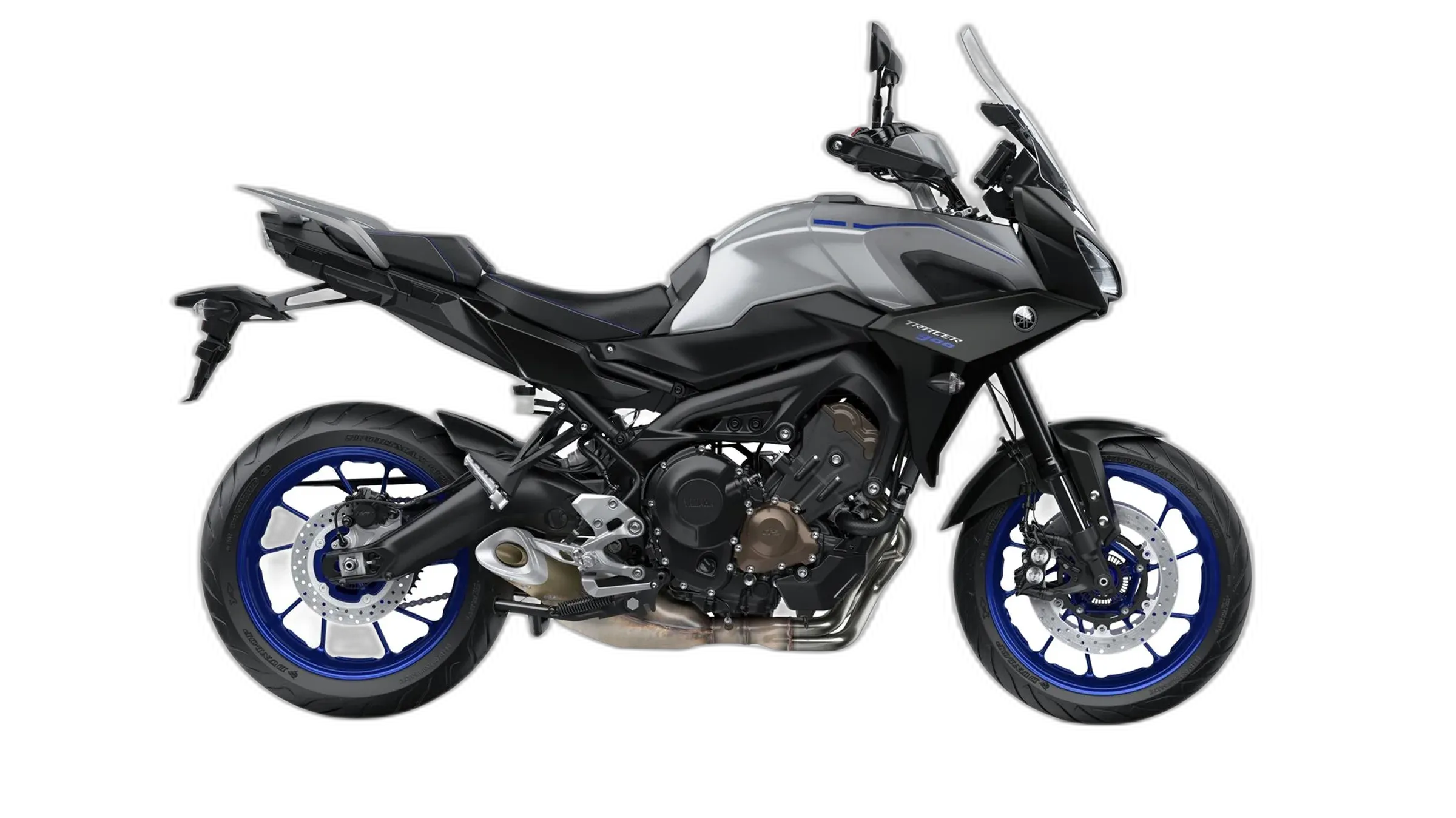
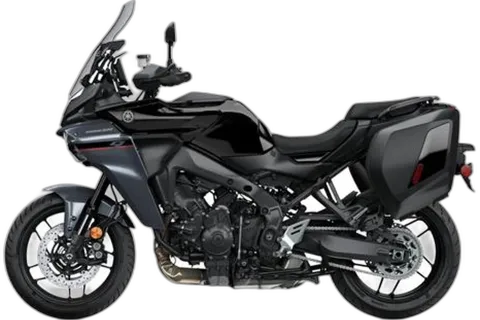
The Tracer 900 is built around Yamaha's 847 cc inline-three, and that engine is the reason the bike exists. 115 hp and 65 lb-ft arrive with a shove that makes a triple feel bigger than its displacement, and YCC-T ride-by-wire keeps the delivery clean across the ride modes. Under it sits a light, honest chassis with adjustable suspension at both ends, ABS and traction control as standard, plus an up-only quickshifter and a slipper clutch. It occupies the middleweight end of the sport-touring class and rides like a naked bike that grew a half-fairing, which is exactly its appeal.

It stays composed at highway pace and stays playful on a back road, and it ages well because there is not much on it waiting to break. Reliability is one of its strongest suits, and the aftermarket support is deep enough that most owners shape the bike to fit them within the first season. For a rider who wants one machine for the commute, the Saturday loop and a week away, it genuinely covers all three. The honest caveat: this is the plain version of the sport-touring package. Luggage, heated grips and the TFT display are options, there is no cruise control, and the stock screen is the first thing most people change.

Hard Numbers

Spec sheets don't ride bikes, but they set the baseline.

Show full specs & equipment Hide specs & equipment
Key specifications
Power 115 hp (85 kW) @ 10,000 rpm
Torque 65 lb-ft (88 Nm) @ 8,500 rpm
Displacement 847 cc
Engine Inline-three
Cooling Liquid-cooled
Gearbox 6-speed
Final drive Chain
Fork Telescopic
Front brake 298 mm
Front tire 120/70-17
Rear tire 180/55-17
Wheelbase 59.1 in (1500 mm)
Seat height 33.5 in (850 mm)
Wet weight 472 lb (214 kg)
Fuel capacity 4.8 gal (18 L)
Fuel economy 44 mpg (US)

Equipment check

Chassis

  • Front Suspension Adjustable Standard
  • Rear Suspension Adjustable Standard

Comfort

  • Heated Grips Optional
  • Adjustable Windscreen Standard
  • Adjustable Seat Height Standard
  • Luggage System Optional

Connectivity

  • TFT Display Optional

Drivetrain

  • Quickshifter Standard
  • Slipper Clutch Standard

Lighting

  • LED Headlight Standard

Safety

  • ABS Standard
  • Traction Control Standard
  • Ride Modes Yamaha YCC-T (Chip Controlled Throttle) Refined throttle responseSelectable ride modes Standard

The Voice of Experience

Portrait of NastyNils

The test ride

Thumb the starter and the triple clears its throat with a hard, offbeat bark that stays with you all day. At idle you may hear a metallic rattle from the clutch area on some bikes; it fades the moment the clutch takes up load. Rolling out, the bars are wide, the seat sits 33.5 in (850 mm) off the ground, and the 472 lb (214 kg) stops registering as soon as the wheels are turning. Your hands pick up a fine, warm buzz through the grips at highway revs, more texture than nuisance. The mirrors stay usable. At real road pace everything falls where you reach for it: short lever throws, a light clutch pull, an LED headlight that actually puts light down the road. The airflow at helmet height is the one part that keeps reminding you it is there.

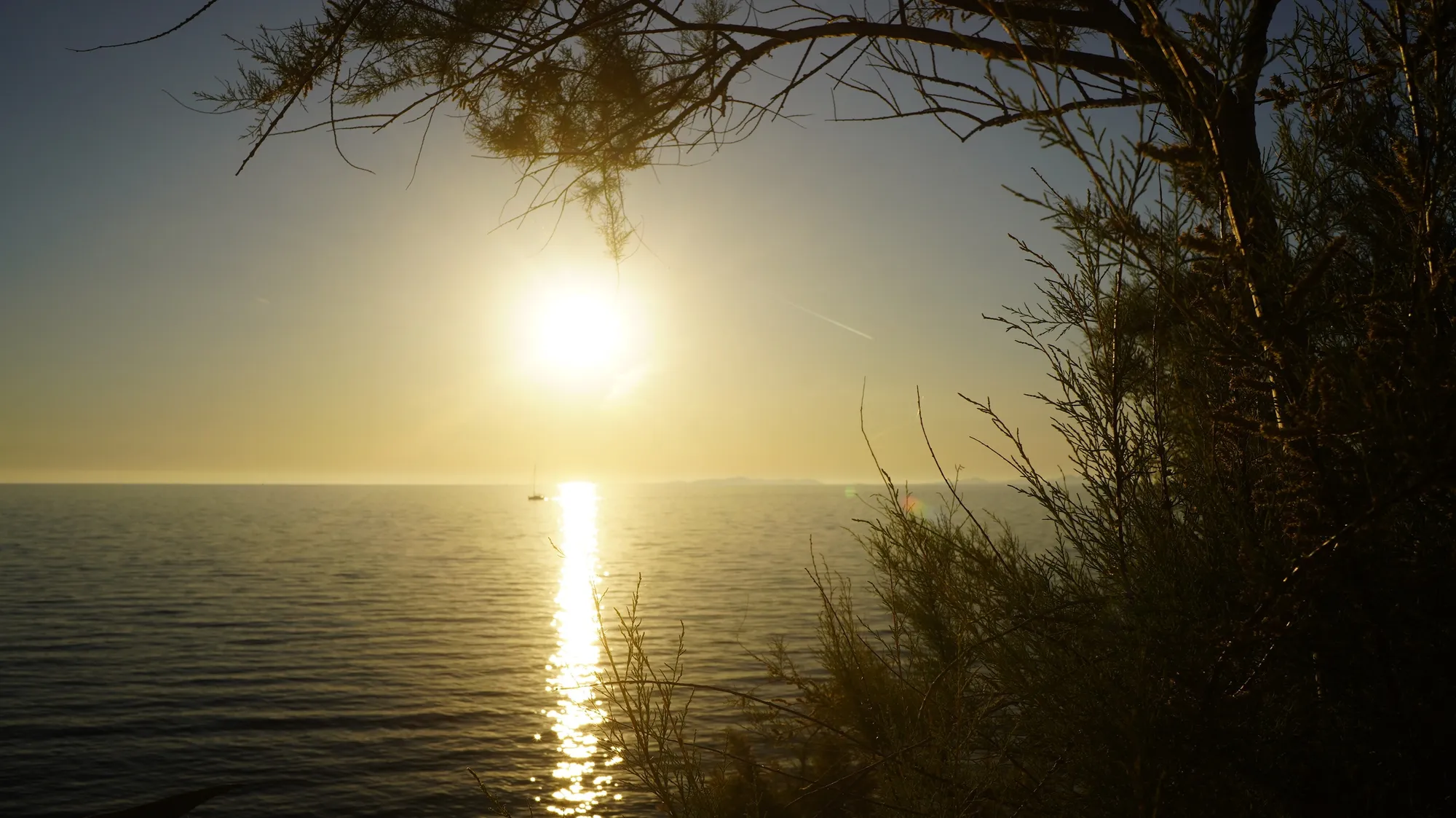
Sunset over the Adriatic Sea near Primosten, Croatia. Golden hour light bathes calm water in warm tones, with a small sailboat on the distant horizon. Rocky vegetation frames the right foreground. Clear skies and gentle conditions.

The Truth on the Street

Two decades of listening to riders adds up: garage talk, club nights, paddock conversations and the messages that land in my inbox. On the Tracer 900 the chatter runs unusually consistent. Praise comes first and lands in the same two places almost every time, and the criticism that follows is narrow and repeatable rather than a general shrug at the bike.

The Engine And Chassis Riders Praise

The triple carries the conversation. Owners talk about a broad torque spread, a strong midrange and a top end that keeps building, and they say it works as well at town speeds as it does on a good road. Handling is the second theme: light, balanced, quick to change direction, sportier in feel than many expect. Value comes up too, with riders weighing the price against European rivals and finding it holds up.

The Gripes That Keep Repeating

The original Dunlop rubber draws the most criticism. Riders call the dry grip fine and the wet or cold-road behavior vague, with traction going away sooner than they would like. Some owners describe fueling that turns abrupt at small throttle openings, which makes traffic work harder than it should; most of them stay on the standard map. A smaller group mentions the rear shock giving up composure under hard riding.

Known issues

  • Wind noise and buffeting from standard screen

    bodywork common

    The adjustable windscreen, even in its highest position, generates significant wind noise and turbulence around the rider's helmet, particularly for taller riders. Many owners fit aftermarket screens or extenders to alleviate the problem.

  • Excessive clutch noise/rattle from clutch basket

    drivetrain occasional

    Some owners report a loud, metallic rattling noise from the clutch area when in neutral or with the clutch disengaged. The noise typically diminishes when the clutch begins to engage under load. It is often traced to worn rubber cushions or play in the clutch basket bearing. Replacing the clutch basket or upgrading to a sturdier aftermarket unit resolves the issue.

The Expert Benchmark

Where this Yamaha Tracer 900 pulls ahead of — or falls behind — its rivals on the numbers, and the typical bike in its class on character.

What kind of bike this is — character vs. the class

This bike Class average

The shape of the Yamaha Tracer 900 — numbers and character vs. the average Sport Tourer

Head-to-head: Yamaha Tracer 900 vs. its rivals

The Long-Haul Verdict

Forget spec-sheet bragging. Here's who the Tracer 900 is actually built for.

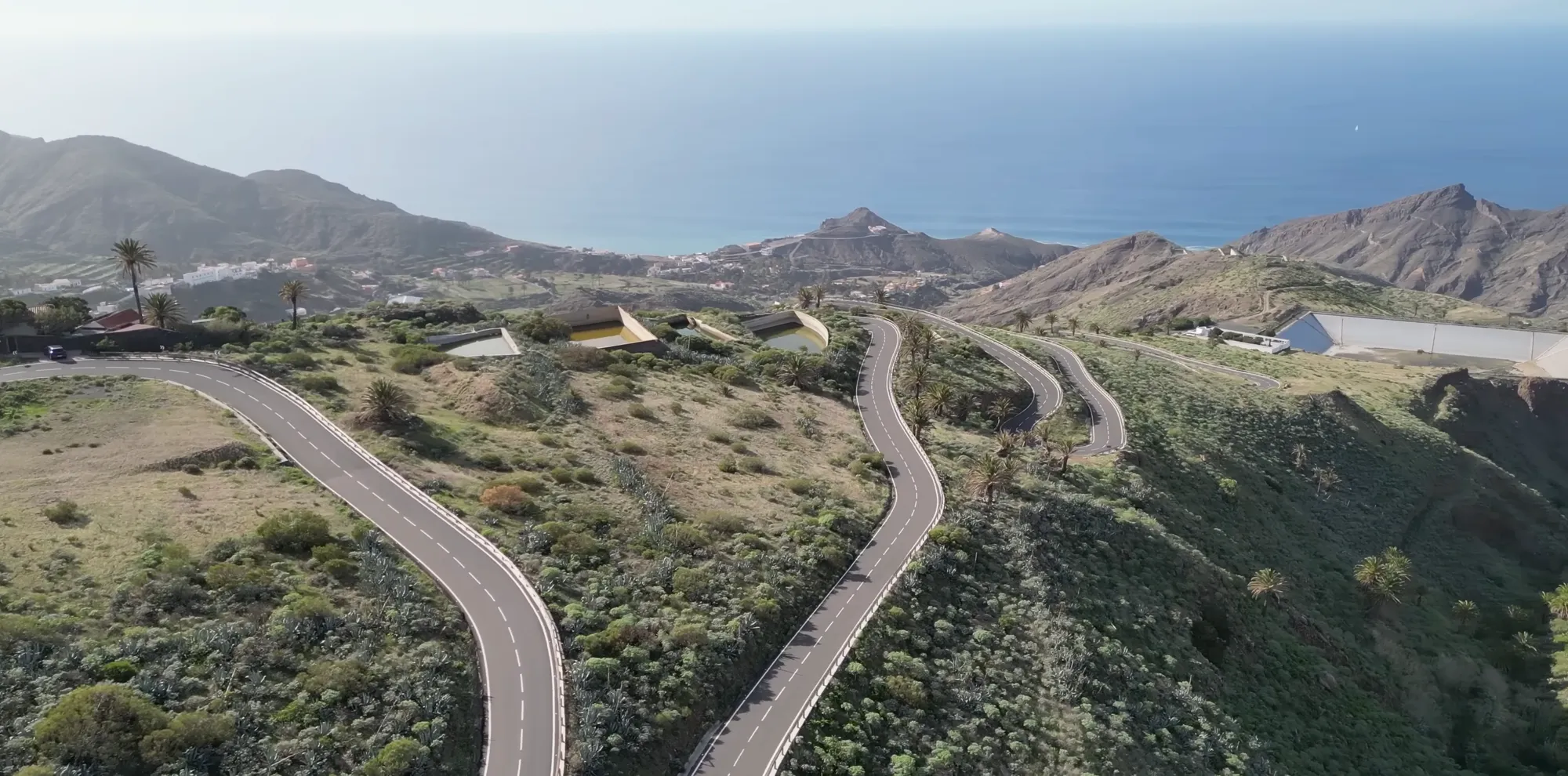
Aerial view of a winding asphalt road cutting through volcanic terrain on La Gomera, Canary Islands. The road curves through sparse green vegetation with rocky volcanic peaks visible in the background and a settled valley to the left. Clear lane markings, dry climate, partly cloudy sky.

Best motorcycle for Highway 1?

Two hundred mile days on Highway 1 or the Blue Ridge suit it well, provided you budget for a taller screen and bags. The comfort and the pace are there; the touring hardware is on you.

Made for Black Hills · Blue Ridge Parkway · Cherohala Skyway
Best motorcycle for Tail of the Dragon?

Light steering and clear front end feedback make this a good tool for working on your lines around Cherohala and the Dragon. It rewards smoothness rather than bravery.

Made for Back of the Dragon · Blue Ridge Parkway · Cherohala Skyway
Best motorcycle for Angeles Crest?

Quick and playful enough for a canyon morning, but it is built to cover distance first and sport second. If you want the sharpest possible thing for Angeles Crest, look elsewhere.

Made for Angeles Crest Highway · Coronado Trail / US 191 · Highway 1 / Big Sur

What's new versus the previous generation

If you're cross-shopping the older generation, here's what changed.

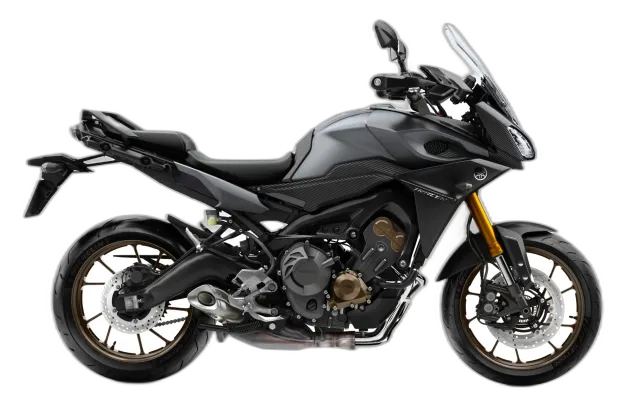
Yamaha Tracer 900 (RN29)

Previous generation · 2015–2017

Yamaha Tracer 900 (RN29)

Triple Soul, Touring Manners

Compare to the previous model →