By NastyNils· ·
Motorcycle comparison · Retro Classic
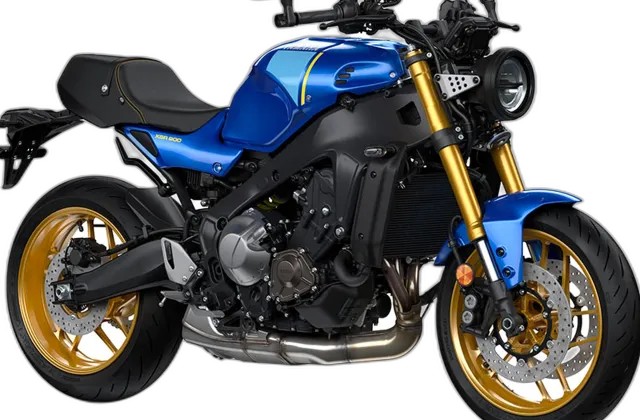
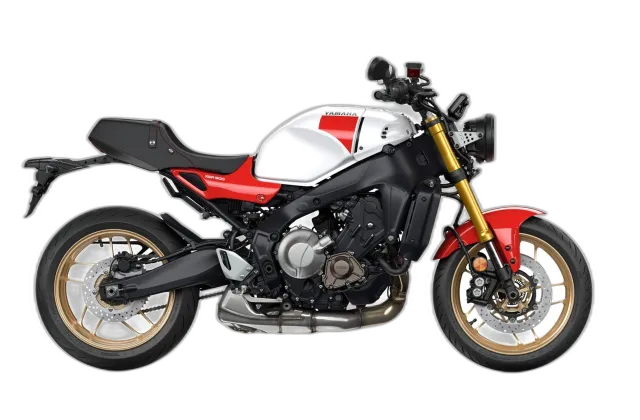
Yamaha XSR900 (RN80) vs XSR700 (MY2022)
Yamaha XSR900 vs XSR700: buy with your heart, but read this first.
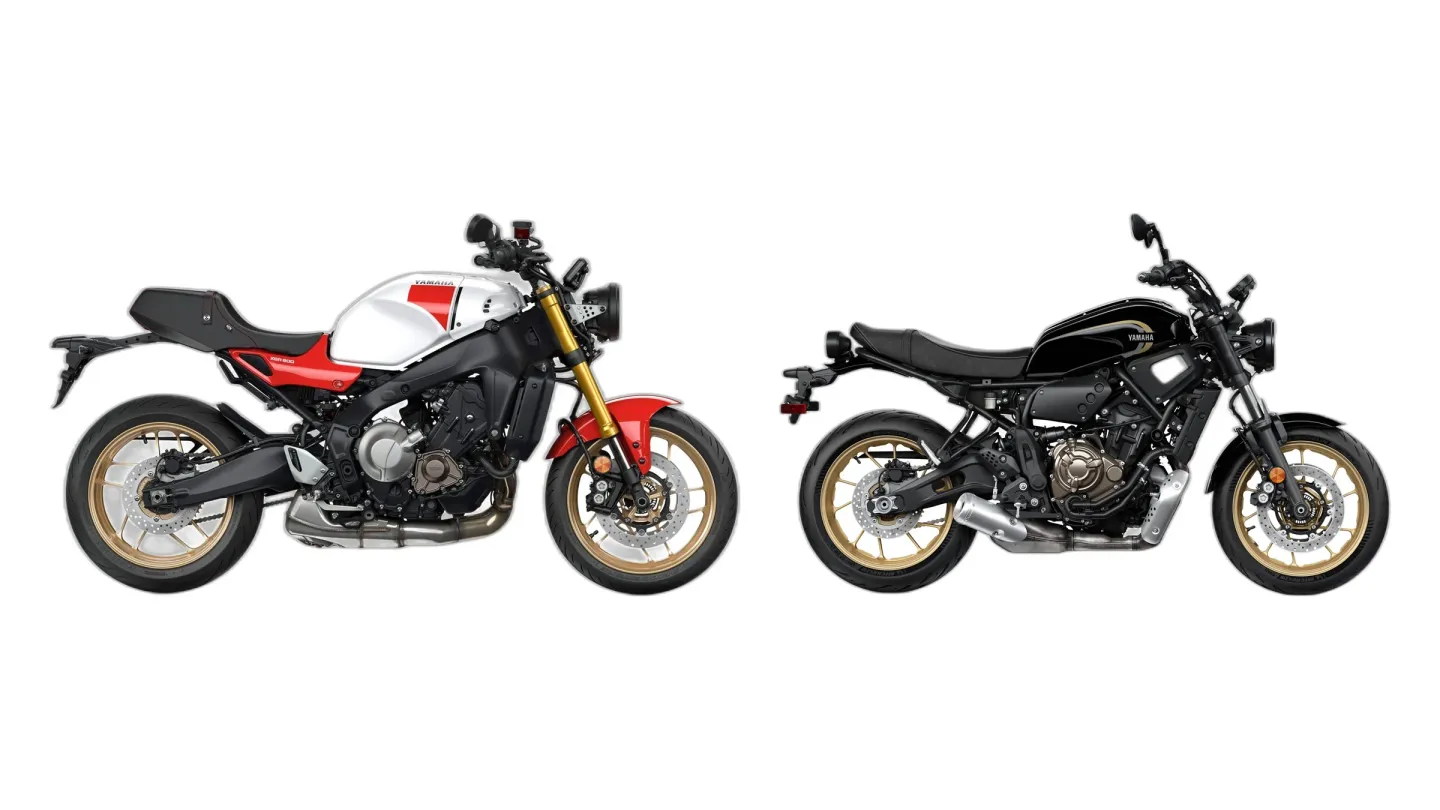
You'll tip the Yamaha XSR900 into a bend tucked over its front, and it doesn't wander off its line. The Yamaha XSR700 flicks in off its wide bar.
So which one do you buy?
The XSR900 has the edge if…
Sporty riding on twisty roads
Inches ahead: XSR900
Back-road fun leans slightly toward the XSR900. Thank harder acceleration and stronger brakes for that. It's a narrow call, so trust your test ride.
Character, looks and sound
Small edge: XSR900
The XSR900 carries slightly more attitude. The difference is a better engine note and more distinctive styling. A close call, and a personal one.
Keeping running costs low
Narrow edge: XSR900
On running costs, the XSR900 edges it. Not by enough to bank on.
What makes each one tick
XSR900
At sustained highway speed the XSR900 tracks straight, even with the wind shoving hard at your chest. The riding position is more forward-leaning than you'd expect from a retro bike. The inline-three answers the throttle with a hard shove on the highway and in the middle of a pass. There's no hunting for a gear. The triple's driving clean out of every mountain hairpin.
Nils rode the XSR900 in Austria and Montenegro in 2024 (1000PS test reports).
XSR700
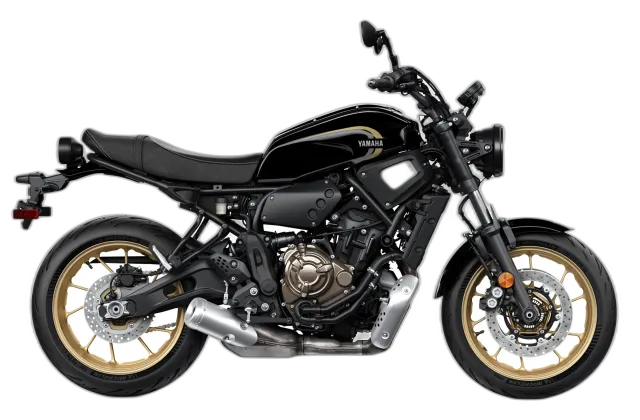
A V-twin-style throb pulses out of the XSR700's parallel twin as it hauls from low revs. With the tall bar and slightly rear-set pegs, you're sitting upright yet still working the bike. At 410 lb (186 kg), it's quick to change direction off a light push on the bar. A bump at speed goes through the telescopic fork without unsettling the chassis. The XSR700 holds its line.
The Voice of Experience

What actually separates them
- The XSR900 has the lower seat: 31.9 in (810 mm) vs 32.9 in (835 mm).
- The XSR700 has the lower wet weight: 410 lb (186 kg) vs 425 lb (193 kg).
- The XSR900 makes more peak power: 119 hp (88 kW) vs 73 hp (54 kW).
Which one for the way you ride
Comfortable long-distance riding
Look elsewhere
Long days aren't what these two do best. Plan shorter legs and plenty of stops.
Nothing splits them on commuting. Ride both back to back and the decision usually makes itself.
Who each one is built for
What's good, and what you'll live with
XSR900
Strengths
- Triple pulls from anywhere
- Real sport rubber underneath
- One posture for both jobs
- Quickshifter you actually use
- Rider aids stay out of sight
Trade-offs
- Firm seat, firm chassis
- Rear tire goes off early
- Header heat on your right leg
- Early bikes idled badly
- Snatchy low-rpm fuelling in Sport mode
XSR700
What owners say
Strengths
- Lively, characterful CP2 engine
- Comfortable, upright riding position
- Lightweight and agile handling
- Distinctive retro styling
Known problems to check before you buy
XSR900
- Premature rear tire wear Owners frequently report the original-equipment Bridgestone rear tire wearing out well before the mileage they expect, the soft factory sport compound squaring off and reaching the wear bars early under normal road use; a running-cost annoyance rather than a mechanical failure.
- Stalling and rough idle linked to ECU mapping Some early MY2022 and MY2023 bikes exhibit stalling at low rpm during clutch-out from stops and rough idle when warm; addressed by dealer ECU reflash under Yamaha service campaigns in several markets.
- Heat from exhaust header onto right leg Pre-cat header routing transmits noticeable heat to the rider's right thigh in slow traffic and at standstill, especially in warm weather.
- Side-stand switch fault preventing start Reports of intermittent side-stand interlock switch failures causing no-start conditions; usually resolved by switch replacement under warranty.
XSR700
No confirmed faults on file yet. That's not the same as fault-free.
What they share
- Cooling
- Liquid-cooled
- Fuel capacity
- 3.7 US gal (14 L)
- Gearbox
- 6-speed
- Final drive
- Chain
- Front brake
- 298 mm
- Front tire
- 120/70-17
- Rear tire
- 180/55-17
Where the spec sheets split
| XSR900 | XSR700 | |
|---|---|---|
| Seat height | 31.9 in (810 mm) | 32.9 in (835 mm) |
| Wet weight | 425 lb (193 kg) | 410 lb (186 kg) |
| XSR900 | XSR700 | |
|---|---|---|
| Displacement | 890 cc | 689 cc |
| Engine | Inline-three | Parallel twin |
| Power | 119 hp (88 kW) | 73 hp (54 kW) |
| Peak power at | 10,000 rpm | 8,750 rpm |
| Torque | 69 lb-ft (93 Nm) | 50 lb-ft (68 Nm) |
| Peak torque at | 7,000 rpm | 6,500 rpm |
| XSR900 | XSR700 | |
|---|---|---|
| Fork | Upside-down (USD) | Telescopic |
| Wheelbase | 58.9 in (1495 mm) | 55.3 in (1405 mm) |
What comes fitted, what costs extra
| XSR900 | XSR700 | |
|---|---|---|
| Traction Control | Standard | Not offered |
| Ride Modes | Standard | Not offered |
| Front Suspension Adjustable | Standard | Not offered |
| Cruise Control | Standard | Not offered |
| Slipper Clutch | Standard | Not offered |
| Smartphone Connectivity | Standard (from 2025) | Not offered |
| Heated Grips | Not offered | Option |
| Luggage System | Not offered | Option |
Head to head, area by area
Both bikes on the same scale, one area at a time.