Yamaha XSR900 (RN80) — Retro Classic
Yamaha press archive

2022 · Retro Classic · Buyer's Guide

XSR900 (RN80)

Sport Bike in Retro Clothes

The Machine's Character

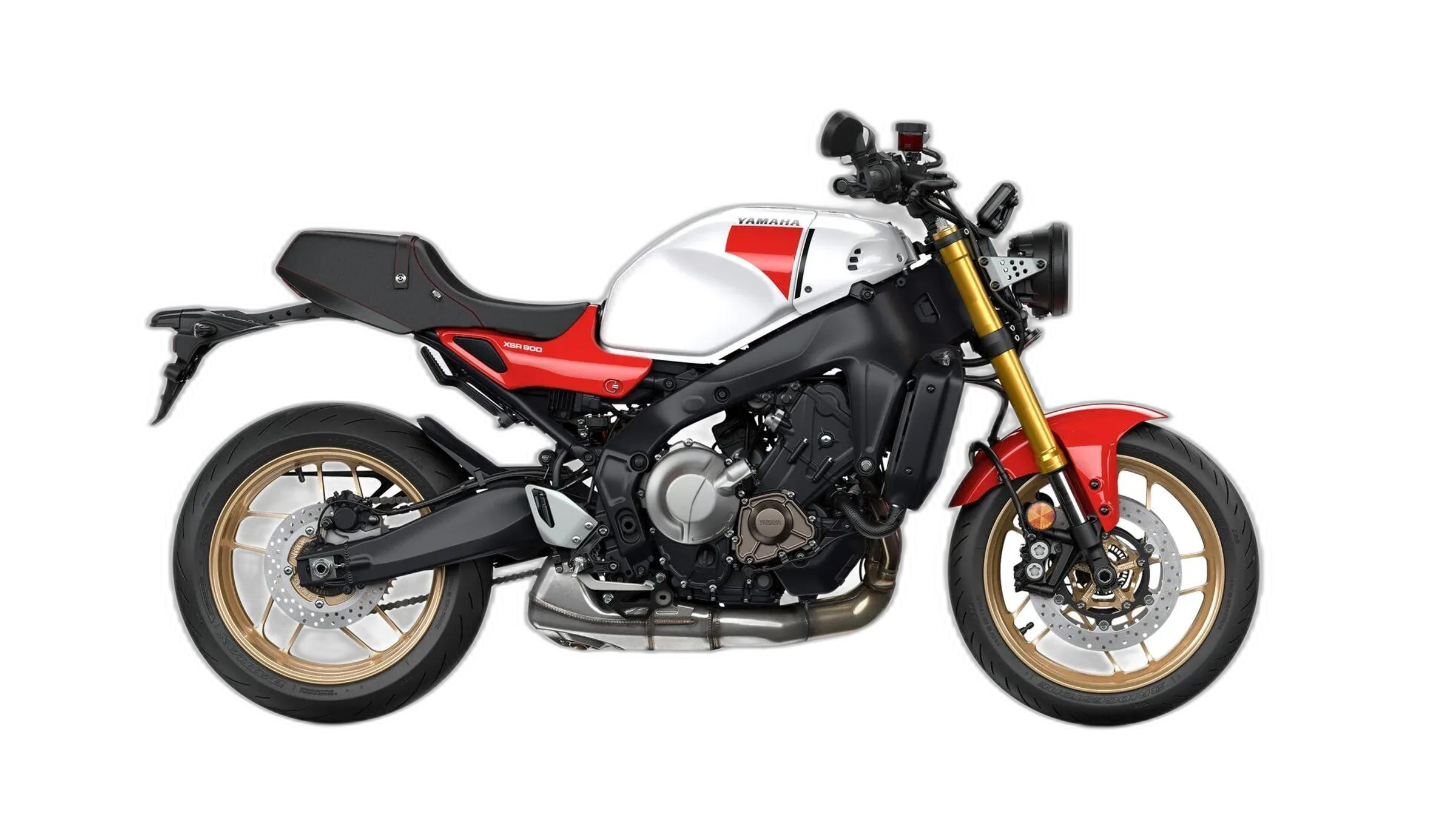
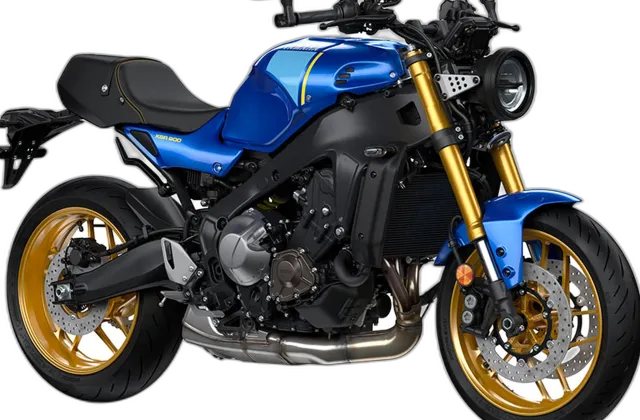
The XSR900 is Yamaha's Sport Heritage naked built around the 890 cc crossplane inline-three: 119 hp at 10,000 rpm, 69 lb-ft at 7,000 rpm, and a spread of power that never leaves you searching for a gear. Under the 1980s Grand Prix paint and the gold SpinForged wheels sits a cast aluminum Deltabox-style frame, a KYB upside-down fork and a linkage Monocross shock shared with the MT-09. A 6-axis IMU runs lean-sensitive ABS and three-mode traction control, and the 3.5-inch TFT dash keeps the cockpit uncluttered. Retro on the outside, thoroughly current everywhere it counts.

It rides sharper than the silhouette suggests. The suspension is firm and you feel the road through it, but the payoff is a machine that stays composed at genuine pace on a mountain road instead of going soft on you, with a 58.9 in wheelbase that keeps it steady when the wind is up. The triple has years of development behind it and feels properly sorted, which is why reliability is one of its strongest suits. This is for the rider who wants classic looks without old-fashioned dynamics underneath. The honest catch: firm seat, firm chassis, and a factory rear tire that doesn't last.

Hard Numbers

Spec sheets don't ride bikes, but they set the baseline.

Show full specs & equipment Hide specs & equipment
Key specifications
Power 119 hp (88 kW) @ 10,000 rpm
Torque 69 lb-ft (93 Nm) @ 7,000 rpm
Displacement 890 cc
Engine Inline-three
Cooling Liquid-cooled
Gearbox 6-speed
Final drive Chain
Fork Upside-down (USD)
Front brake 298 mm
Front tire 120/70-17
Rear tire 180/55-17
Wheelbase 58.9 in (1495 mm)
Seat height 31.9 in (810 mm)
Wet weight 425 lb (193 kg)
Fuel capacity 3.7 gal (14 L)
Fuel economy 47 mpg (US)

Equipment check

Chassis

  • Front Suspension Adjustable Standard
  • Rear Suspension Adjustable Standard
  • Cruise Control Standard

Connectivity

  • Smartphone Connectivity Standard

Drivetrain

  • Slipper Clutch Standard

Lighting

  • LED Headlight Standard

Safety

  • ABS Standard
  • Traction Control Standard
  • Ride Modes Standard

The Voice of Experience

Portrait of NastyNils

The test ride

Seven days of mountain stages told me most of what I needed to know. The bars sweep slightly forward, so you carry real weight over the front wheel and present a smaller profile to the wind. After eight hours of headwind and rain, that second part matters more than it sounds. At a standstill the 425 lb (193 kg) and the 31.9 in (810 mm) seat stay manageable; you can shuffle it around a gas pump without any low-speed dread. The quickshifter keeps your left hand out of the process on tight roads and holds the rhythm. Traction control announced itself a couple of times in the wet, more a tap on the shoulder than an alarm. The seat is firm from the first mile. By day three, some riders in the group had made peace with that and some hadn't.

Rated point by point — where it earns its keep

My own 0–100 score for this bike against the class, area by area — the marker on each bar is the class average.

Bite is there the instant you touch the lever, and so is the information. I could squeeze fractionally on the way into a turn and get precisely the fraction of speed I asked for, or haul it down hard from a big number with the bike sitting flat and settled underneath me. Nothing went numb when the stops got late and serious. That kind of feedback is the difference between using the brakes and trusting them.

I expected to make allowances for the styling and never had to. Steering effort is light, the direction change happens the moment you ask, and once it's leaned over the bike doesn't wander or need a second correction from me. Long, fast bends are where it earned real respect. The chassis stays loaded and accurate at a pace I'd normally associate with something wearing a fairing, and the sport rubber Yamaha specified is a genuine part of that, because the grip and the clean fall into lean come from a contact patch chosen for performance rather than for photographs. Big highway speeds are untroubled too, wind pressure on the chest and all. The lean-sensitive ABS and traction control never once interrupted a corner for me. They sit in the background and step in only where things would otherwise get untidy. Damping is firm and the road reads through it, and after a week of long stages I still counted that as an asset.

Take the paint scheme out of the conversation and what's left is a properly equipped sporting motorcycle: a serious frame, quality suspension, brakes to match. The costume does a job, but nothing underneath it is decoration, and that gap between what it looks like and what it is turns out to be the reason to own one. Seven days of mountain stages is enough to expose a bike that's sporty for its own sake. This one never turned into work.

Cleanliness is what I keep coming back to. Crack it open anywhere and the answer arrives immediately, then the pull stretches out in one authoritative line with no dead zone and no surge to work around. That matters more than any peak figure, because it means the gear I'm already in is almost always the right one. The riding modes are honest changes to delivery rather than relabeled settings, and the softer two are what made a full day in the wet uneventful.

I judge this by how the engine behaves rather than by anything I'm told. A triple with this much real-world development behind it runs without a coarse edge anywhere in the rev range, and refinement like that doesn't arrive by luck. It's what's left over after a lot of iteration on a design that had time to be finished properly. If I were placing bets on which part of this motorcycle ages without complaint, I'd start with the motor.

Ergonomics are the quiet reason this bike survives a long week. My hands sit slightly ahead of my hips, which puts honest weight on the front tire when the road asks for it and still leaves my shoulders and back intact after an hour of commuting. Most machines shaped this way make you pick one job. This one never asked me to. The forward lean also shrinks what the weather has to push against, and on multi-day stages in rain that showed up as energy I still had left in the evening. Standing still it's undemanding as well: the height off the ground and the overall mass are ordinary enough that walking it around at a gas pump is a non-event for most riders. Fork and shock split the difference honestly, disciplined when I pressed on and civil when I eased off. The padding is where I'd argue. It's hard from the first mile, and on broken surfaces the seat and the stiff chassis reinforce each other in ways you'd rather not feel.

I never once planned a route around what this bike would tolerate, and that's rarer than it sounds on something styled this specifically. Crawling across town it behaves. Give it a real back road and it comes awake without any change of plan on my part. Take it to a tight circuit and it belongs there too, and at no stage did I feel one of those jobs had been traded away to make another one work. The gearbox assist is worth more than a spec line suggests. It landed cleanly in both directions every time I leaned on it, and through a long stack of switchbacks that's the difference between a ride with a rhythm and a ride with a stutter in it. I used it constantly and never went around it.

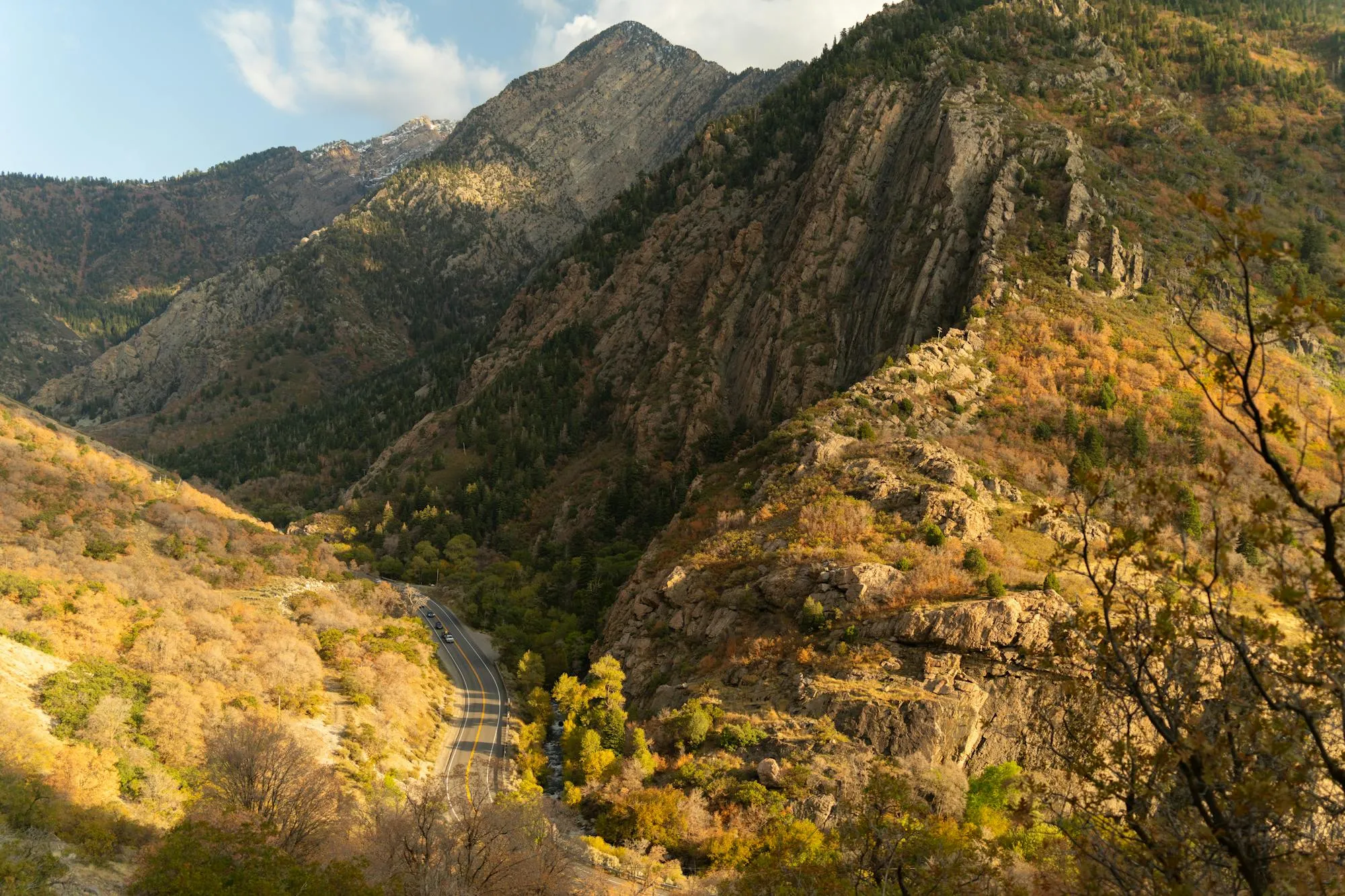
An elevated view of a deep autumn canyon, likely Big Cottonwood Canyon, Utah. Steep rocky cliff faces and forested mountain ridges frame a narrow valley where a winding two-lane road passes below. Deciduous trees display full autumn color — gold, orange, and amber — interspersed with green conifers on the steep slopes. A single dark vehicle is visible far below on the road. Snow-dusted mountain peaks rise in the background under a partly cloudy sky.
Alex Moliski / Pexels

The Truth on the Street

Nothing in this section comes out of my own notebook. It's what has accumulated over years of listening: talk in event paddocks, club evenings, and the steady flow of mail and messages from people who actually own one. The XSR900 draws unusually consistent reports, and nearly everything owners raise sorts into two piles.

What owners bring up unprompted

The triple gets described in more detail than anything else. Owners talk about drive showing up around 4,000 rpm and staying with them to a peak at 10,000, and about a firing order that gives the bike a voice they can pick out in a group of machines. The styling runs close behind, and plenty of people admit the paint, the forged wheels and the flat-track tail decided the purchase before they ever rode it. Two other things come up steadily. The lean-aware electronics cover braking, traction, slides and wheelies, which few riders expect on a retro shape at this money, and the shifter earns credit for working cleanly in both directions at no extra cost. Riders coming off the older, shorter chassis mention how much calmer this one feels once the pace picks up.

Where the friction builds

Wrists are the single most repeated subject. The low bars and rearward pegs shift weight onto the hands, and riders describe fatigue in the forearms and the base of the back building once a ride runs past an hour. Seat padding follows, and it usually turns into a bill: gel pads and a rebuilt seat are the modifications that come up most. Range gets mentioned on big days, because even at roughly 47 mpg the small tank has riders hunting a pump around 145 to 155 miles (230 to 250 km). Opinion on the round display divides too. Riders like the object and dislike using it, since the menus live behind the left-hand switches and get called awkward by too many people to be coincidence. Fewer riders, but enough to note, mention the throttle coming on sharply at low revs in the most aggressive mode, something a later software update softened.

Known issues

  • Premature rear tire wear

    chassis common

    Owners frequently report the original-equipment Bridgestone rear tire wearing out well before the mileage they expect, the soft factory sport compound squaring off and reaching the wear bars early under normal road use; a running-cost annoyance rather than a mechanical failure.

  • Stalling and rough idle linked to ECU mapping

    engine occasional

    Some early MY2022 and MY2023 bikes exhibit stalling at low rpm during clutch-out from stops and rough idle when warm; addressed by dealer ECU reflash under Yamaha service campaigns in several markets.

  • Heat from exhaust header onto right leg

    exhaust common

    Pre-cat header routing transmits noticeable heat to the rider's right thigh in slow traffic and at standstill, especially in warm weather.

  • Side-stand switch fault preventing start

    electrics occasional

    Reports of intermittent side-stand interlock switch failures causing no-start conditions; usually resolved by switch replacement under warranty.

The Expert Benchmark

Where this Yamaha XSR900 pulls ahead of — or falls behind — its rivals on the numbers, and the typical bike in its class on character.

What kind of bike this is — character vs. the class

This bike Class average

Head-to-head: Yamaha XSR900 vs. its rivals

The 'Should I Buy It?' Score

Forget spec-sheet bragging. Here's who the XSR900 is actually built for.

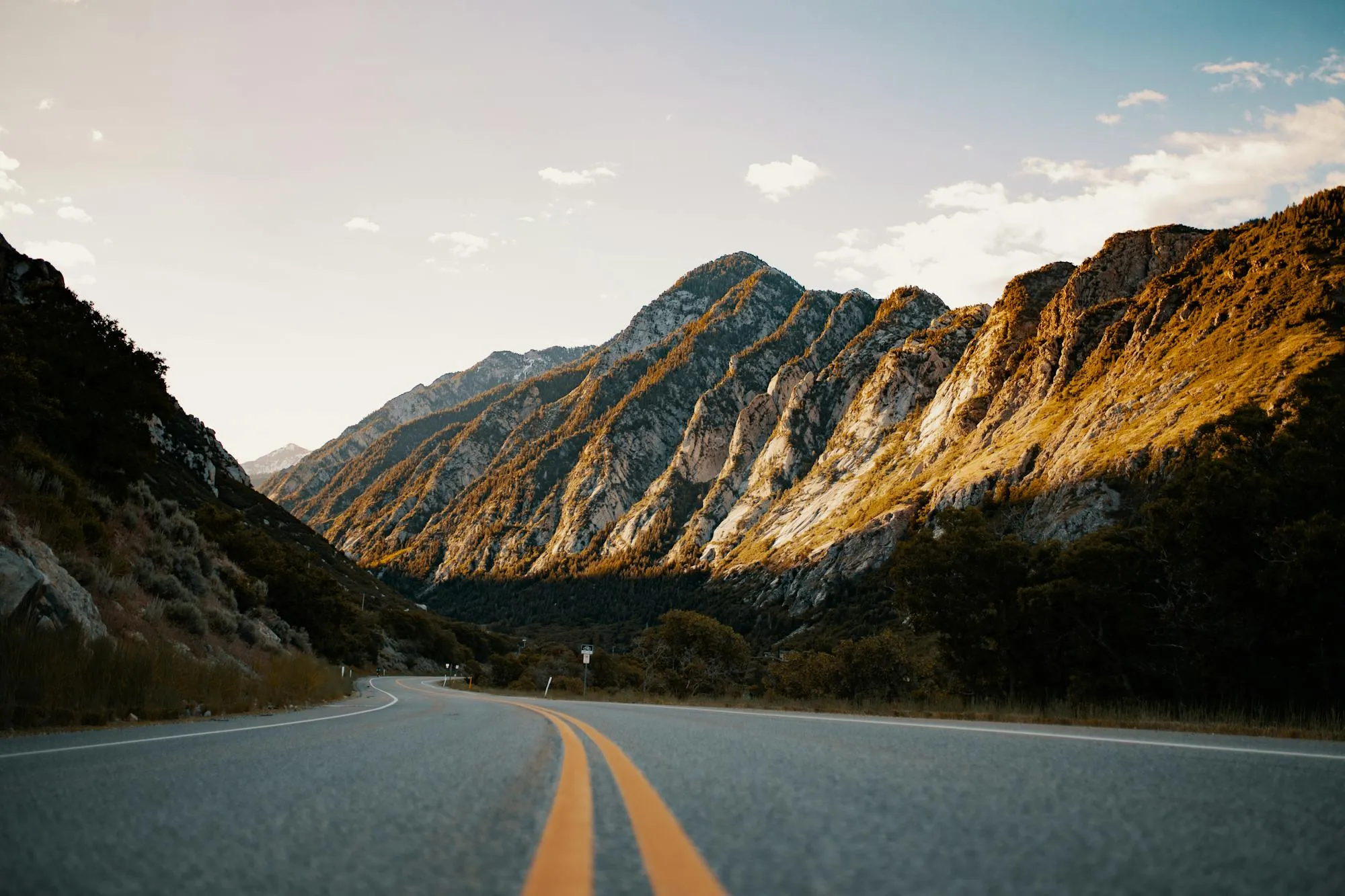
A scenic view of Angeles Crest Highway winding through rugged Southern California canyon terrain. Rocky mountainsides with golden earth tones frame the asphalt road with tight sweeping curves. Double yellow center line visible, sparse vegetation along the shoulders, clear blue sky with white clouds. Daylight, dry conditions. Iconic location for canyon-road enthusiasts.
Josh Sorenson / Pexels

Best retro motorcycle for road trips?

The looks fit your kind of trip and the chassis is happy doing all-day back-road stages at a calm rhythm. Just know the seat is firm, so plan your stops around the rough pavement.

Made for Acadia National Park · Austin / Handbuilt Motorcycle Show · Blue Ridge Parkway
Best motorcycle for Texas Hill Country?

Sporty enough for a full day of Hill Country loops, civil enough for the ride home afterward. The heat off the header is the one thing you'll notice sitting in town traffic.

Made for Austin / Texas Hill Country · Twisted Sisters · Austin / Handbuilt Motorcycle Show

Best motorcycle for Tail of the Dragon?

Sharp turn-in, real sport tires and brakes you can lean on make this a good tool for working on lines and technique. Repeat weekends will eat rear tires faster than you'd like.

Made for Back of the Dragon · Blue Ridge Parkway · Cherohala Skyway

What's new versus the previous generation

If you're cross-shopping the older generation, here's what changed.

Yamaha XSR900 (RN43)

Previous generation · 2016–2021

Yamaha XSR900 (RN43)

Triple Soul, Retro Skin

Compare to the previous model →

Alternatives to the Yamaha XSR900

If this one isn't quite the fit, these are the bikes worth riding back-to-back against it.

Any price note compares both bikes at the same age — the youngest age both have on the used market — against this Yamaha XSR900. “cheaper/pricier” is what that bike costs second-hand, not how worn it is.