Yamaha XSR900 (RN43) — Retro Classic
NastyNils / Yamaha Press

2016–2021 · Retro Classic · Buyer's Guide

XSR900 (RN43)

Triple Soul, Retro Skin

The Machine's Character

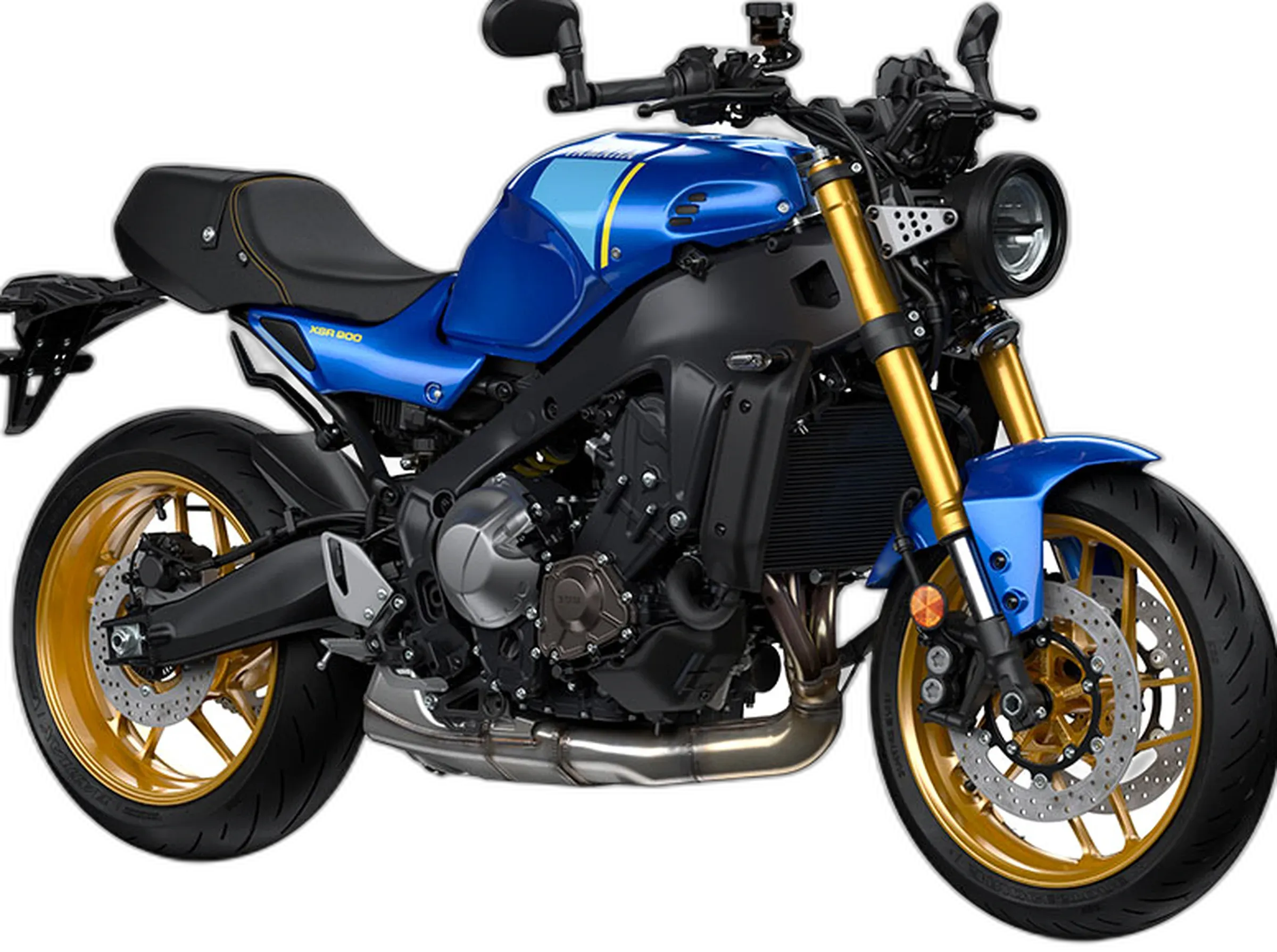
The XSR900 wraps Yamaha's CP3 inline-three in neo-retro clothing, and the mix works. You get 115 hp at 10,000 rpm and 65 lb-ft at 8,500, fed through Yamaha's YCC-T throttle and a six-speed box. The styling leans on aluminum detailing, a round headlight, and a sculpted tank, while the hardware underneath stays fully modern: upside-down fork, ABS, traction control, and ride modes that sit quietly in the background. It reads as a period piece from three glances away, yet nothing about the way it runs feels dated. That gap between how it looks and how it behaves is the whole point of this bike.

On the road it plays as a characterful all-rounder that feels bigger than its 847 cc suggest. The low-end pull is genuine, the chassis is agile, and at 430 lb wet it changes direction without fuss. It ages well too; reliability is one of its strongest suits, and aftermarket support runs deep if you want to make it your own. The honest caveat is the suspension, which is built to a price and gives up composure when you push hard on rough pavement. First gear drops in with a clunk, and cold starts can bring a brief cam chain rattle. Neither changes what this bike is.

Hard Numbers

Spec sheets don't ride bikes, but they set the baseline.

Show full specs & equipment Hide specs & equipment
Key specifications
Power 115 hp (85 kW) @ 10,000 rpm
Torque 65 lb-ft (88 Nm) @ 8,500 rpm
Displacement 847 cc
Engine Inline-three
Cooling Liquid-cooled
Gearbox 6-speed
Final drive Chain
Fork Upside-down (USD)
Front brake 298 mm
Front tire 120/70-ZR17
Rear tire 180/55-ZR17
Wheelbase 56.7 in (1440 mm)
Seat height 32.7 in (830 mm)
Wet weight 430 lb (195 kg)
Fuel capacity 3.7 gal (14 L)

Equipment check

Chassis

  • Front Suspension Adjustable Standard
  • Rear Suspension Adjustable Standard

Comfort

  • Heated Grips Optional

Drivetrain

  • Slipper Clutch Standard

Safety

  • ABS Standard
  • Traction Control Standard
  • Ride Modes Yamaha YCC-T (Chip Controlled Throttle) Refined throttle responseSelectable ride modes Standard

The Voice of Experience

Portrait of NastyNils

The test ride

Swing a leg over and the 32.7-inch seat puts you in a tall, upright stance with a wide bar that falls right into your hands. Thumb the starter and the triple settles into a hard, metallic idle, then clears its throat with that unmistakable intake howl as the revs climb. There's a fine buzz through the pegs and bar that tells you the motor is working, never enough to numb your hands on a long stint. The riding position is commanding and roomy, good for stop-and-go city miles and just as happy stretched out on a back road. Feedback through the contact points is honest, so you always know what the front tire is up to. It feels light, keen, and a little cheeky at real-world pace, the kind of bike that talks to you the whole ride.

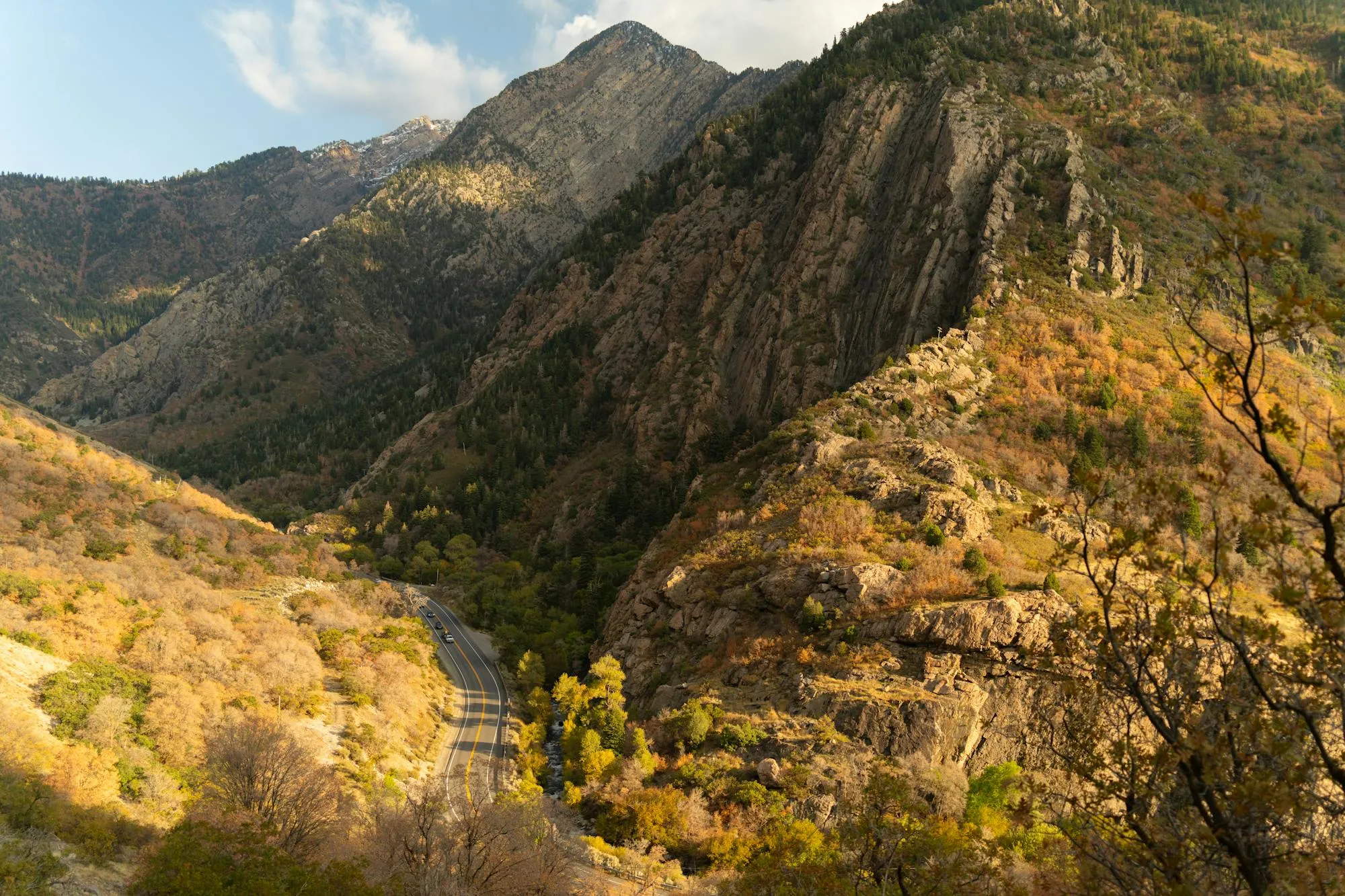
An elevated view of a deep autumn canyon, likely Big Cottonwood Canyon, Utah. Steep rocky cliff faces and forested mountain ridges frame a narrow valley where a winding two-lane road passes below. Deciduous trees display full autumn color — gold, orange, and amber — interspersed with green conifers on the steep slopes. A single dark vehicle is visible far below on the road. Snow-dusted mountain peaks rise in the background under a partly cloudy sky.
Alex Moliski / Pexels

The Truth on the Street

This isn't a solo test lap. It's what I've gathered over years of listening to riders: paddock conversations, long talks with owners, and the steady run of messages and emails that land in my inbox. For the XSR900 the sentiment runs consistent, with praise weighted heavily toward how it runs and how it steers, plus a short list of everyday annoyances that keeps resurfacing.

Character up front, value close behind

The loudest, most repeated praise centers on the triple and the way the bike steers. Riders describe an engine full of personality and a chassis that stays light and willing on a good road, and plenty point to the neo-retro look and its quality finishes as a big part of the draw. Just as often, owners bring up what you get for the money, rating it strong value against pricier competition.

The small stuff riders keep flagging

On the other side of the ledger, riders keep flagging a suspension that turns harsh over rough surfaces. Two ergonomic quirks come up nearly as often. The round retro mirrors look the part but give a poor view of what's behind you, and the turn-signal switch sits high enough that hitting it takes a conscious stretch of the thumb.

Known issues

  • Handlebar holder bolt recall

    chassisrareRecall

    On 2016-2017 models, the lower handlebar holders may not have had sufficient thread-locking agent due to improper painting, allowing bolts to loosen and potentially cause loss of control.

  • Cam chain tensioner rattle on cold start

    engineoccasional

    The hydraulic cam chain tensioner can bleed down over time, causing a brief rattling noise from the right side of the engine on cold startup. It usually subsides after a few seconds but can progress to constant noise.

  • Starter button failure

    electricsoccasional

    The starter button contacts wear out, leading to intermittent starting or complete failure. It requires removal and cleaning or replacement of the switch assembly.

  • Clunky first gear engagement

    drivetrainvery common

    A pronounced clunk is felt when shifting from neutral into first gear, especially when the engine is cold. It is widely considered a characteristic of the CP3 transmission rather than a defect.

The Expert Benchmark

Where this Yamaha XSR900 pulls ahead of — or falls behind — its rivals on the numbers, and the typical bike in its class on character.

What kind of bike this is — character vs. the class

This bike Class average

Head-to-head: Yamaha XSR900 vs. its rivals

The 'Should I Buy It?' Score

Forget spec-sheet bragging. Here's who the XSR900 is actually built for.

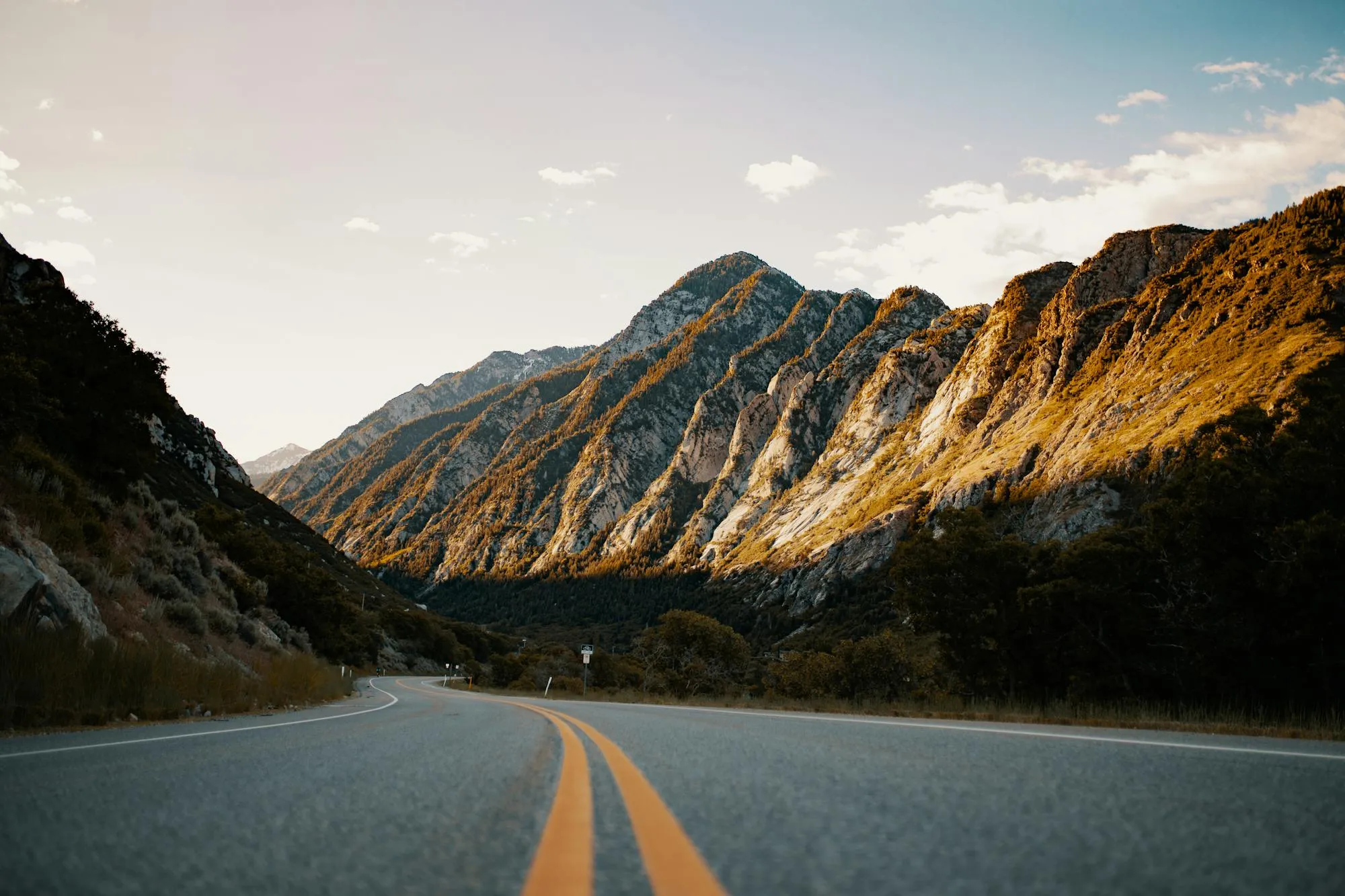
A scenic view of Angeles Crest Highway winding through rugged Southern California canyon terrain. Rocky mountainsides with golden earth tones frame the asphalt road with tight sweeping curves. Double yellow center line visible, sparse vegetation along the shoulders, clear blue sky with white clouds. Daylight, dry conditions. Iconic location for canyon-road enthusiasts.
Josh Sorenson / Pexels

Best retro motorcycle for road trips?

This is your lane. The XSR looks the part for classic backroads and small-town stops, and the torquey triple keeps a relaxed rhythm interesting without ever feeling like a chore.

Made for Acadia National Park · Austin / Handbuilt Motorcycle Show · Blue Ridge Parkway
Best motorcycle for Texas Hill Country?

For twisty Hill Country weekends it's a willing partner: light, agile, and grunty enough to make the good roads fun, with the comfort to handle the ride out and back.

Made for Austin / Texas Hill Country · Twisted Sisters · Austin / Handbuilt Motorcycle Show

Best motorcycle for Tail of the Dragon?

The generous lean angle and honest feedback make it a fine tool for learning a technical road, though the price-built suspension will ask for restraint once the pavement turns rough.

Made for Back of the Dragon · Blue Ridge Parkway · Cherohala Skyway

Alternatives to the Yamaha XSR900

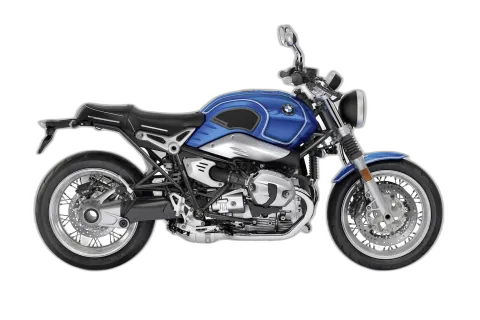
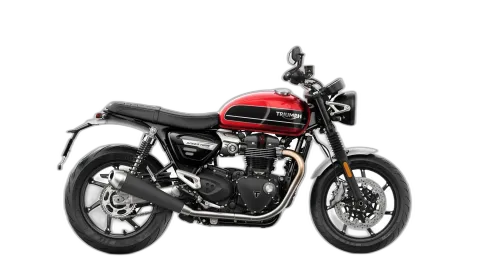
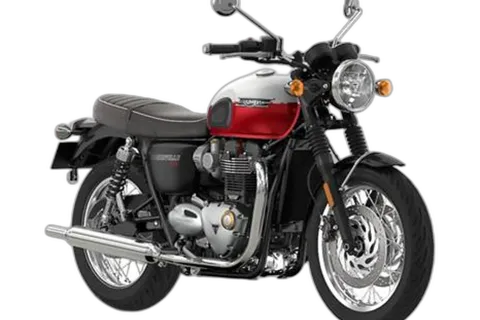
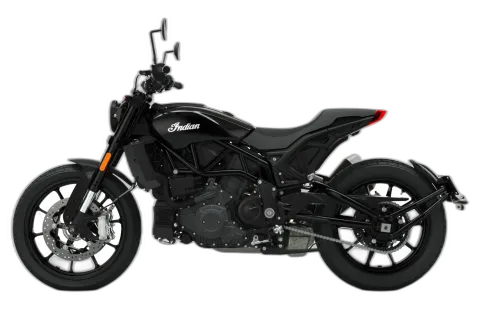
If this one isn't quite the fit, these are the bikes worth riding back-to-back against it.

Any price note compares both bikes at the same age — the youngest age both have on the used market — against this Yamaha XSR900. “cheaper/pricier” is what that bike costs second-hand, not how worn it is.