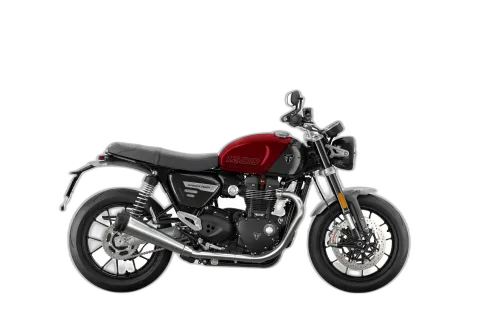

Triumph Speed Twin 1200 (DD01) — Retro Classic
NastyNils / Triumph Press

2019–2020 · Retro Classic · Buyer's Guide

Speed Twin 1200 (DD01)

Dressed to Stop Traffic

The Machine's Character

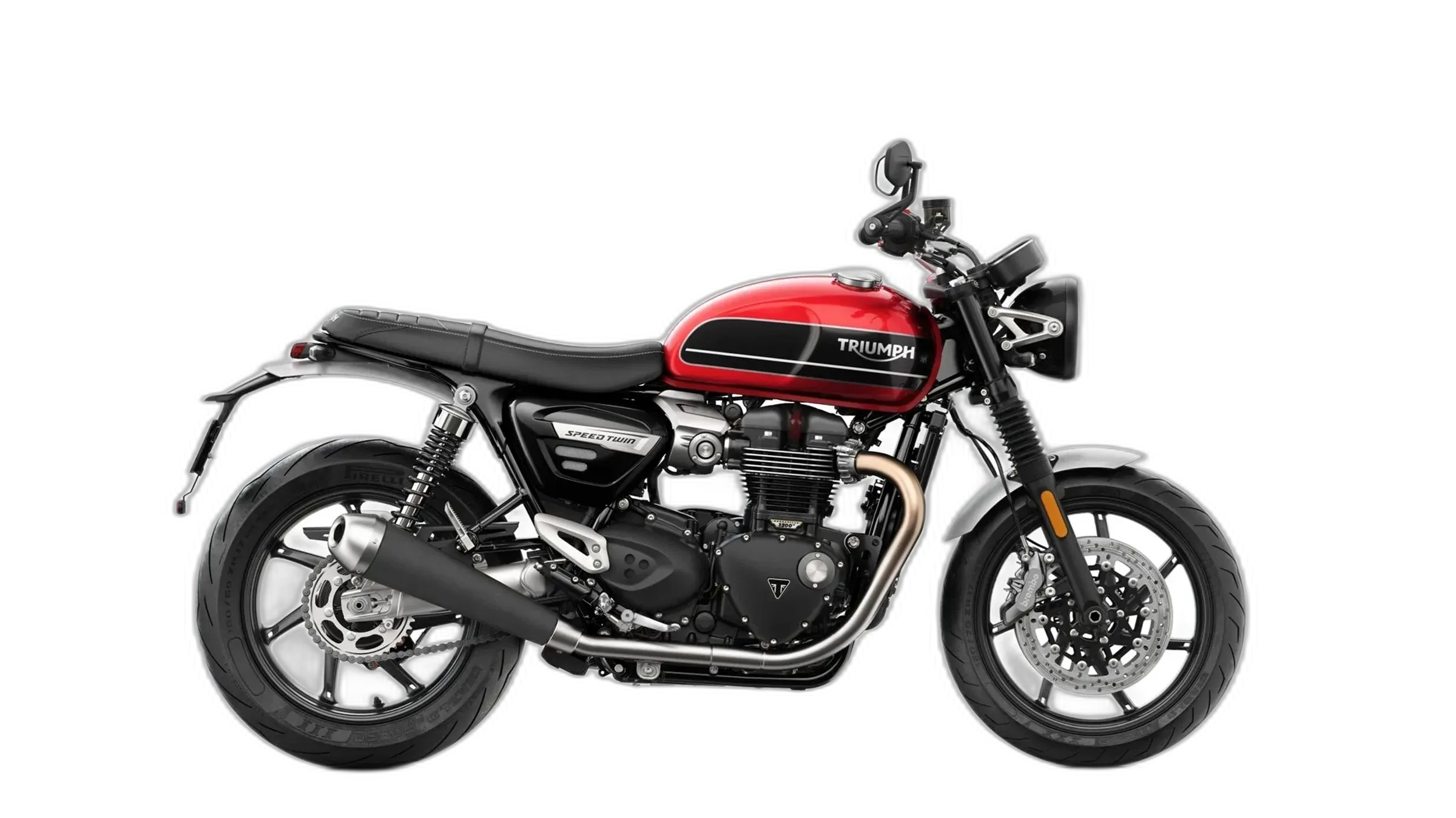
Triumph built the Speed Twin 1200 as the sporting roadster of the Bonneville family. Its 1200cc High Power parallel twin makes 96 hp and 83 lb-ft, and the chassis leans on the cafe-racer side of the range while keeping the bars high and the riding position honest. Liquid cooling stays tucked behind clean classic lines, and Triumph's first-generation ride-by-wire throttle maps add selectable modes without cluttering the look. The result reads as a genuine modern classic that actually wants to be ridden hard, not parked outside a coffee shop for the photo.

The build quality holds up to a close look, which is part of why it ages better than bikes that only borrow the heritage styling. This is the modern classic for a rider who wants the real article: design first, but with capability underneath, not a showpiece. The honest caveat is fit and adjustment. Bigger, heavier riders can feel it shrink beneath them rather than fill out around them, the suspension arrives largely set from the factory, and there is no front-end adjustment to chase if your taste in a chassis runs particular.

Hard Numbers

Spec sheets don't ride bikes, but they set the baseline.

Show full specs & equipment Hide specs & equipment
Key specifications
Power 96 hp (71 kW)
Torque 83 lb-ft (112 Nm)
Displacement 1200 cc
Engine Parallel twin
Cooling Liquid-cooled
Gearbox 6-speed
Final drive Chain
Fork Telescopic
Front brake 305 mm
Front tire 120/70 R17
Rear tire 160/60 R17
Wheelbase 55.6 in (1413 mm)
Seat height 31.8 in (807 mm)
Wet weight 476 lb (216 kg)
Fuel capacity 3.8 gal (14.5 L)

Equipment check

Chassis

  • Rear Suspension Adjustable Standard

Comfort

  • Heated Grips Optional

Connectivity

  • USB Charging Port Standard

Drivetrain

  • Slipper Clutch Standard

Safety

  • ABS Standard
  • Traction Control Standard
  • Ride Modes Triumph Ride-by-Wire Throttle Maps (1st generation) Selectable ride modesRefined throttle response Standard

The Voice of Experience

Portrait of NastyNils

The test ride

It stops the room before it turns a wheel. Roll it into a space and people who have seen hundreds of bikes still walk over, and up close the reason holds: brushed aluminum fenders, the brand logo pressed into the LED signals, an engine finished like it was meant for display rather than a production line. Throw a leg over and the substantial look from the side evaporates. The weight drops away beneath you, the reach stays friendly even for shorter riders, and the bike moves with the lightness of something far smaller. The twin pulls with easy low-end muscle, the exhaust carries genuine character without shouting, and on an open straight it sits dead steady under you. The long gaps between services mean more of that time is spent in the saddle.

Rated point by point — where it earns its keep

My own 0–100 score for this bike against the class, area by area — the marker on each bar is the class average.

The brakes do their work without drama in ordinary riding, and I've no complaint about how they haul the bike down day to day. My one note lives at the rear. When I leaned on it to settle the chassis through tight, steep downhill switchbacks, it set up a nagging squeal that wouldn't quit. Ride at a normal clip and it stays quiet, so this is strictly a hard-use quirk rather than something you'll ever meet on a regular commute.

On paper the output is forgettable, but the numbers miss what this twin actually does. Off a corner there's no waiting for it to come alive; the pull is already there under my hand the second I ask for drive. The one real gripe is fueling. In Sport the pickup from a shut throttle slams in hard enough to knock me off cadence on patchy tarmac, and Road sits so close to it that switching barely registers. Rain's gentler response, oddly, turned out to be the sweetest way to ride it across a full day.

On a straight at full throttle it tracks dead true, and the instant I tipped it into a corner that same composure became quick, precise steering with no hesitation between the two demands. It never darts in on its own. Every change of line waits for a deliberate press at the bar, then the bike settles into a steady pull back toward upright. Anyone stepping up from a smaller machine will learn to trust it fast. The one catch is a rear you can't really tune to your own taste.

Capability, in this case, starts with presence. I've sat on enough machines that styling rarely earns a line in my notes, and this one forced its way in before I'd ridden a single yard. Roll it into a room full of people who've seen everything and they still drift over to stand around it. That pull isn't a small thing on a motorcycle meant to be looked at as much as ridden. It does the exact job it was designed to do the moment it shows up.

Reliability here is as much about how the bike is screwed together as what sits under the cases. Nothing was finished to a budget, so there's no cheap trim waiting to fade or work loose after a hard season of use. The factory pipe is honest enough that I had no urge to swap it for something aftermarket. On top of that, the shop visits land far apart for a machine of this displacement, which keeps a year-round rider in the saddle instead of up on a lift. It reads as built to last.

Comfort comes down to how the bike wears once you're aboard. It looks like a serious amount of motorcycle standing still, yet the bulk melts away the moment you take a seat, and the reach to the bars and the ground stays friendly enough that smaller riders won't feel they're wrestling it. The flip side is real for big, tall riders. Instead of cradling a larger frame, the bike seems to retreat beneath them, and that mismatch never quite settles over a long day. Where you land on it depends a lot on your build.

Practicality is where the design-first thinking bites back. The single charging point is tucked away beneath the seat, and there's nowhere within reach to set the phone you'd actually want to charge. Getting power somewhere usable means adding your own wiring first. A port that only works once you've bolted on extra hardware isn't really a port you can count on, and for a bike a rider might use to cover real distance, that's a genuine miss.

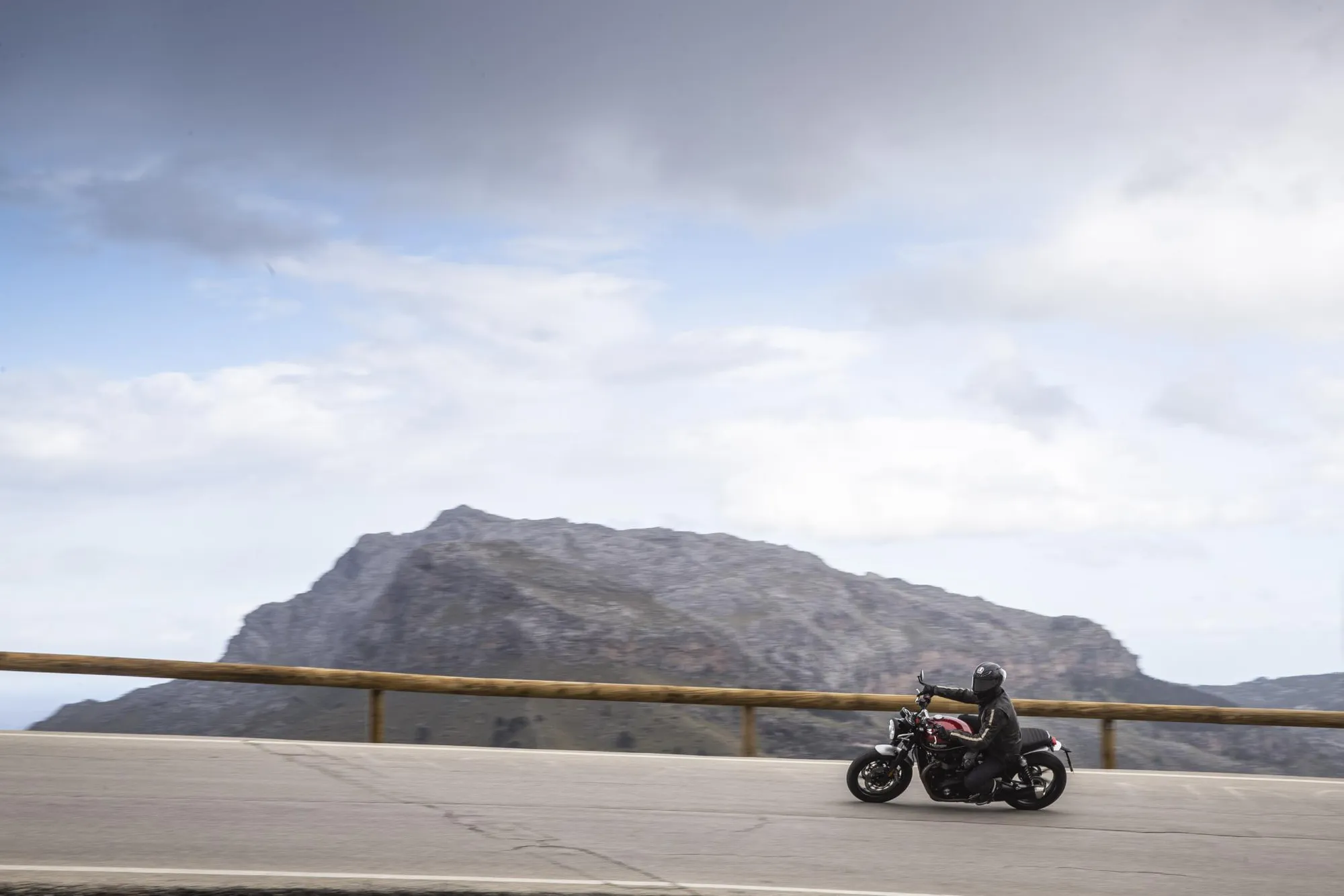
NastyNils riding a Triumph Speed Twin on an arid mountain pass, leaning into a curve beneath open sky. The red retro-classic motorcycle navigates winding asphalt with a yellow railing and desert mountain backdrop visible. Daylight, dry conditions, NastyNils in full black riding gear and helmet, focused on the road ahead. The scene captures the quintessential retro-modern riding experience of this parallel-twin classic.
NastyNils / Nastynils.com
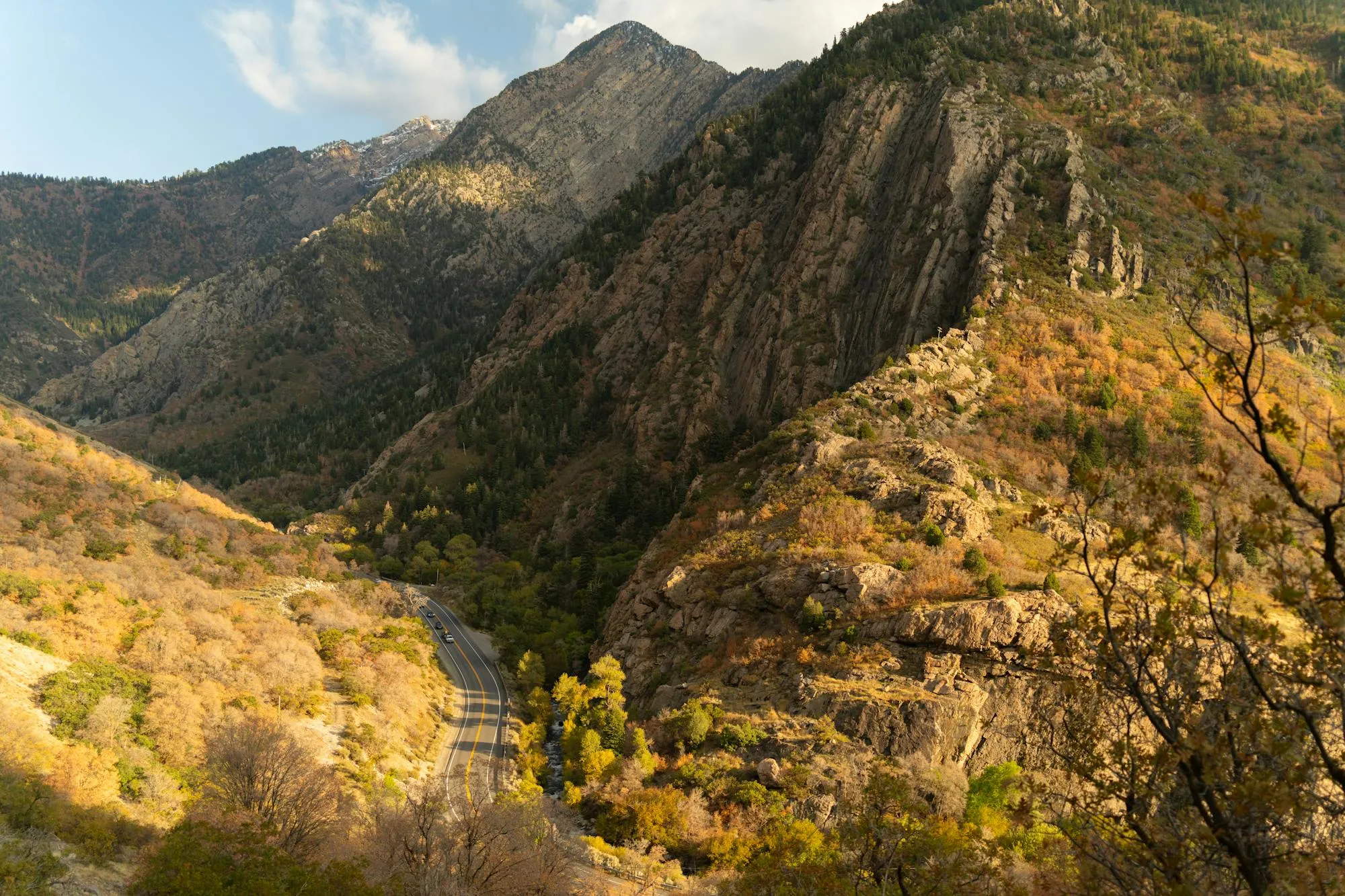
An elevated view of a deep autumn canyon, likely Big Cottonwood Canyon, Utah. Steep rocky cliff faces and forested mountain ridges frame a narrow valley where a winding two-lane road passes below. Deciduous trees display full autumn color — gold, orange, and amber — interspersed with green conifers on the steep slopes. A single dark vehicle is visible far below on the road. Snow-dusted mountain peaks rise in the background under a partly cloudy sky.
Alex Moliski / Pexels

The Truth on the Street

Over the years I've kept an ear on what Speed Twin owners actually say, in long forum threads, in paddock conversations, and in the steady stream of emails and messages riders send me directly. The pattern that comes back is consistent: most ride away happy with the engine and the way the bike handles, and the few real complaints cluster tightly around the suspension.

Where the praise lands

The engine draws the loudest, most consistent praise. Riders describe the 1200cc parallel twin as charismatic and torque-rich, with strong mid-range that feels relaxed and quick in equal measure. Almost as many single out the handling: neutral, agile, and planted, feeling lighter than the scales suggest, with the factory suspension settings most consider well judged. The classic, high-quality look and the all-day upright ergonomics come up often, and a good number rate the brakes as strong and full of feel.

The gripes that recur

The complaints stay narrow. The most common is suspension adjustability, or the lack of it, with only preload at the rear and nothing up front. On rough roads at pace, some find the rear shock loses its composure and turns harsh. A few mention a side stand tucked too far back to locate easily with a boot, and a couple note slightly abrupt fueling down low.

Known issues

  • Coolant hose routing recall

    coolingrareRecall

    Some 2019 Speed Twins had improperly routed coolant hoses that could become damaged, leading to coolant loss and potential engine overheating. A safety recall was issued in the US (NHTSA).

  • Gearshift linkage loosening

    drivetrainoccasionalRecall

    The gear shift linkage can work loose over time, leading to vague or missed shifts. A recall campaign was issued to apply threadlocker and retighten. Many owners reported the issue before the fix.

  • Warped front brake discs

    brakesoccasional

    Some owners have reported warped front brake discs, causing pulsing through the lever and reduced braking effectiveness. Stories of disc warping are relatively common in owner forums.

The Expert Benchmark

Where this Triumph Speed Twin 1200 pulls ahead of — or falls behind — its rivals on the numbers, and the typical bike in its class on character.

What kind of bike this is — character vs. the class

This bike Class average

Head-to-head: Triumph Speed Twin 1200 vs. its rivals

The 'Should I Buy It?' Score

Forget spec-sheet bragging. Here's who the Speed Twin 1200 is actually built for.

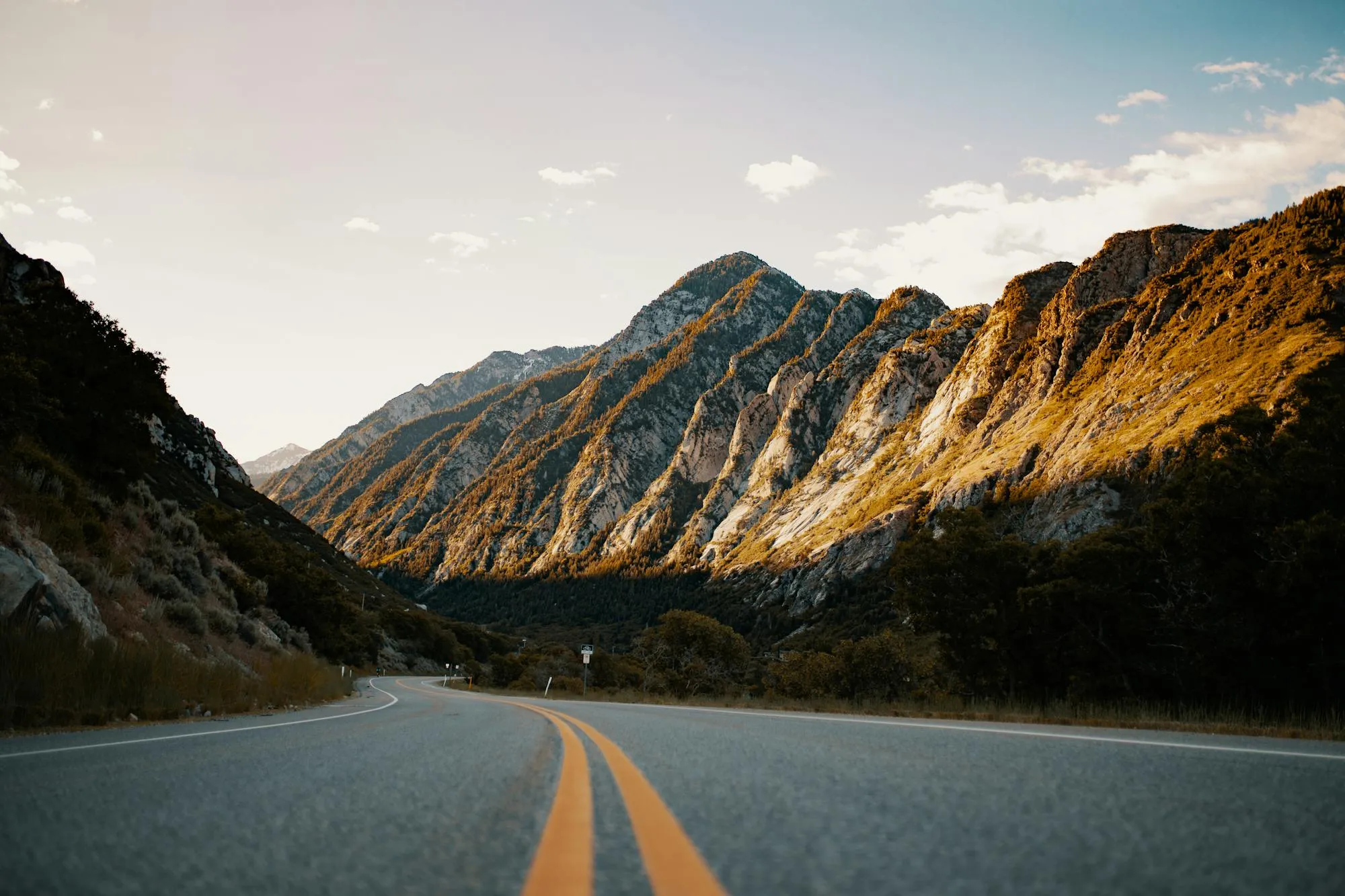
A scenic view of Angeles Crest Highway winding through rugged Southern California canyon terrain. Rocky mountainsides with golden earth tones frame the asphalt road with tight sweeping curves. Double yellow center line visible, sparse vegetation along the shoulders, clear blue sky with white clouds. Daylight, dry conditions. Iconic location for canyon-road enthusiasts.
Josh Sorenson / Pexels

Best retro motorcycle for road trips?

This is your bike. The look earns its stares at every diner stop, the upright stance keeps you fresh through a long day of two-lane routes, and there's easy torque for rolling the hills. Just know the suspension stays mostly as the factory set it.

Made for Acadia National Park · Austin / Handbuilt Motorcycle Show · Blue Ridge Parkway
Best motorcycle for Texas Hill Country?

It carves the Hill Country happily: light on its feet, sharp when you push, with drive off every corner. Set it to Rain for the cleanest throttle on patchy pavement, and don't count on deep chassis tuning for your favorite loop.

Made for Austin / Texas Hill Country · Twisted Sisters · Austin / Handbuilt Motorcycle Show

Best cruiser for Sturgis?

Read this one straight: it's a roadster, not a cruiser, so the low-slung rally stance isn't here. But the presence, the finish, and a twin with real character still hold their own on a Daytona run if you want something lighter and sharper.

Made for A1A — Florida Atlantic Coast · Black Hills / Sturgis Rally Hub · Daytona Main Street / Bike Week

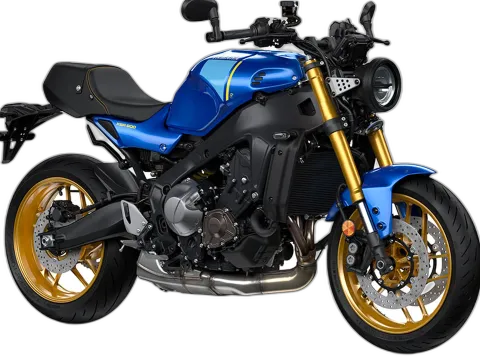
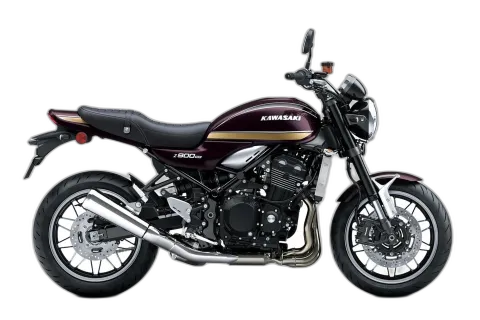
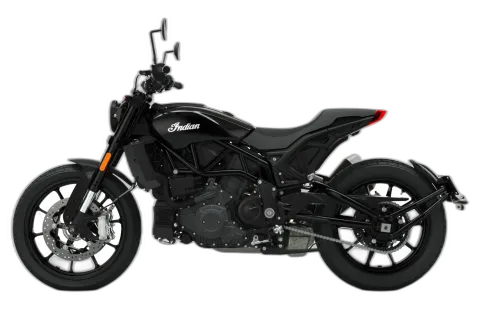
Alternatives to the Triumph Speed Twin 1200

If this one isn't quite the fit, these are the bikes worth riding back-to-back against it.

Any price note compares both bikes at the same age — the youngest age both have on the used market — against this Triumph Speed Twin 1200. “cheaper/pricier” is what that bike costs second-hand, not how worn it is.