·

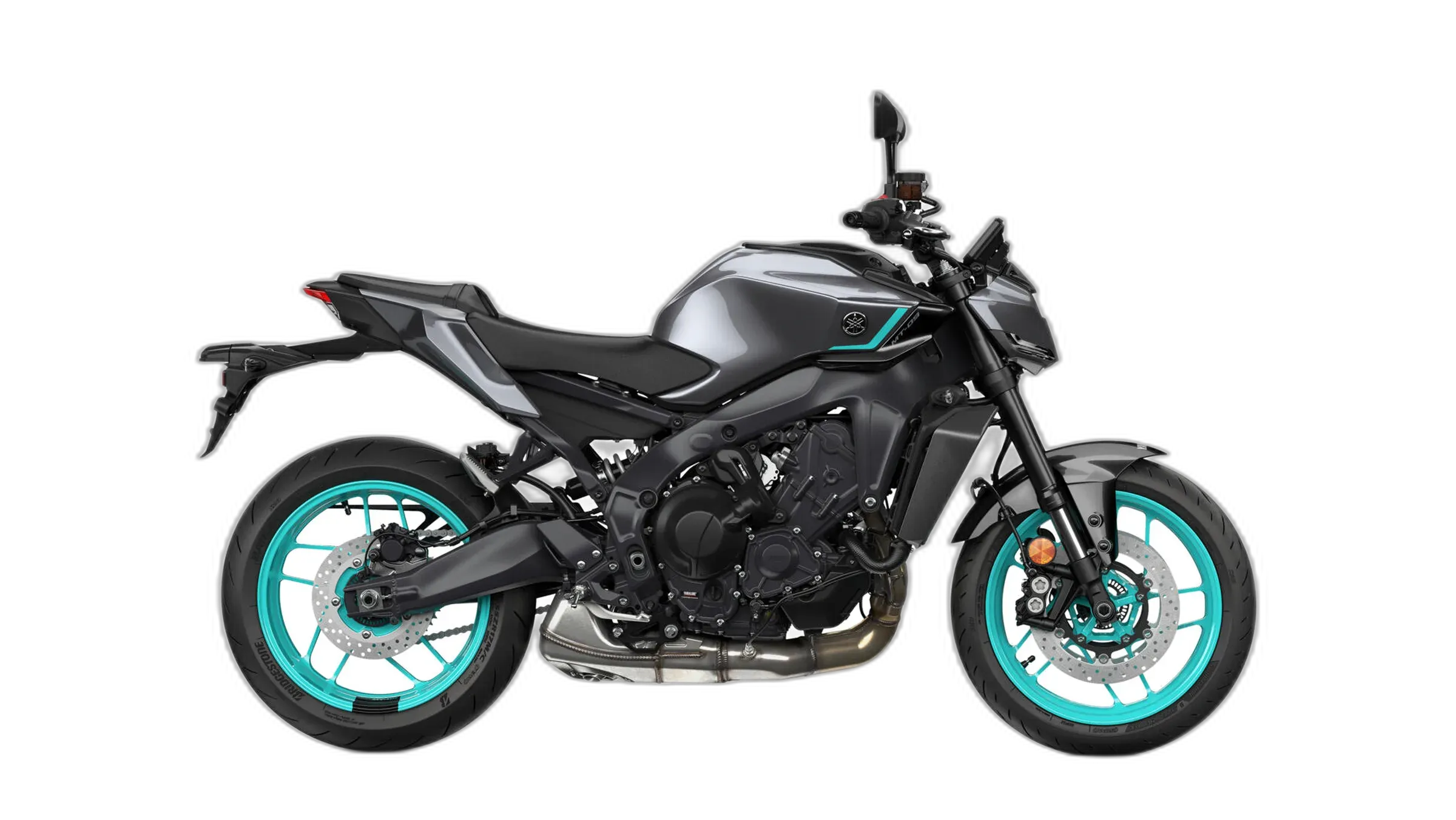
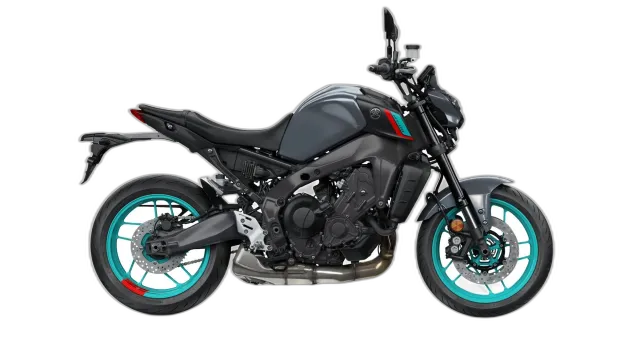
Yamaha MT-09 (RN87) — Naked Bike
NastyNils / Yamaha press archive

2024 · Naked Bike · Buyer's Guide

MT-09 (RN87)

Triple That Corners On Rails

The Machine's Character

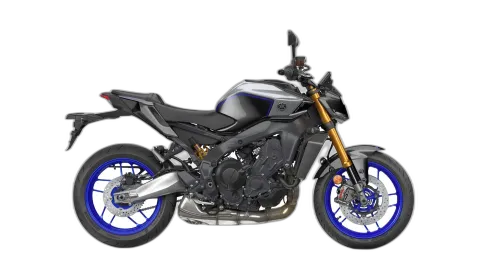
The MT-09 is built around Yamaha's CP3 inline-three, 890 cc making 119 hp and 69 lb-ft, and that engine is the whole point. It splits the difference between a twin's low-end shove and a four's top-end reach, so useful, interesting power shows up across the rev range instead of waiting at the ceiling. A short wheelbase, wide bars, and a low seat wrap around it. Yamaha slots this bike in the premium middleweight naked class, above the MT-07 and below the MT-10, with a 5-inch color TFT carrying built-in navigation and phone connectivity. Rider aids run deep: ABS, cornering ABS, traction control, ride modes, and wheelie control.

On the road it rides like a bike you trust early. The front end feeds back what the tire is doing, the chassis settles in fast sweepers, and the motor lets you stay lazy with the gearbox on a twisty road. It ages well, too, with strong reliability and one of the deepest aftermarket followings in its class. The honest caveats: the suspension and brakes are sized for the street and run short of room at true track pace, the seat shape doesn't sit right against your inner thighs on longer days, and a throttle position sensor recall addresses possible stalling, so confirm the fix has been done.

Hard Numbers

Spec sheets don't ride bikes, but they set the baseline.

Show full specs & equipment Hide specs & equipment
Key specifications
Power 119 hp (88 kW) @ 10,000 rpm
Torque 69 lb-ft (93 Nm) @ 7,000 rpm
Displacement 890 cc
Engine Inline-three
Cooling Liquid-cooled
Gearbox 6-speed
Final drive Chain
Fork Upside-down (USD)
Front brake 298 mm
Front tire 120/70 ZR17
Rear tire 180/55 ZR17
Wheelbase 56.3 in (1430 mm)
Seat height 32.5 in (825 mm)
Wet weight 425 lb (193 kg)
Fuel capacity 3.7 gal (14 L)
Fuel economy 47 mpg (US)

Equipment check

Chassis

  • Front Suspension Adjustable Standard
  • Rear Suspension Adjustable Standard

Connectivity

  • TFT Display Standard
  • Smartphone Connectivity Standard
  • USB Charging Port Optional

Drivetrain

  • Quickshifter Standard
  • Slipper Clutch Standard

Lighting

  • LED Headlight Standard

Safety

  • ABS Standard
  • Traction Control Standard
  • Ride Modes Standard

The Voice of Experience

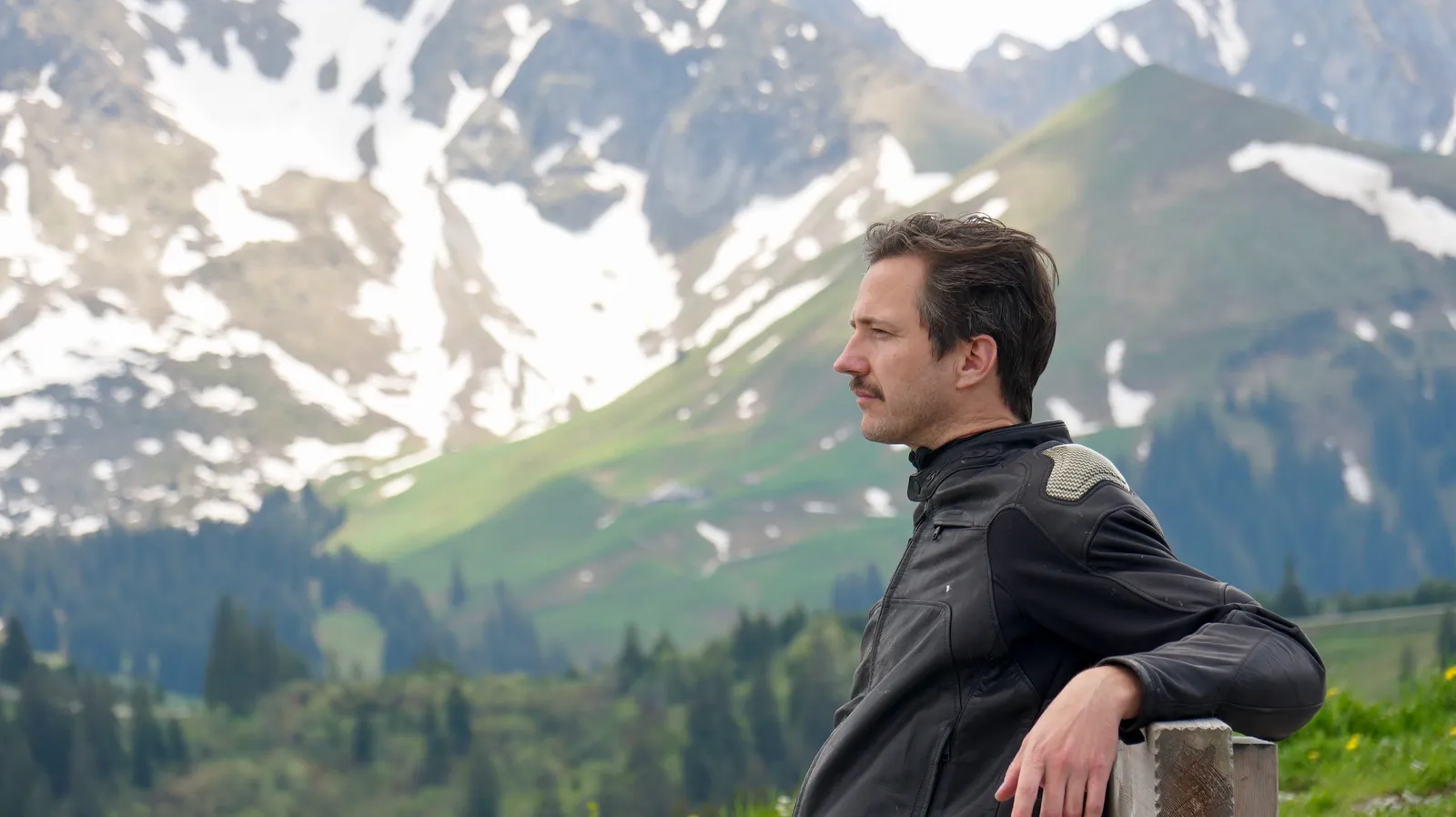
Portrait of NastyNils

The test ride

Swing a leg over and the first thing you notice is how little the bike asks of you to change direction. The wide bar and 425-lb wet weight disappear once you're moving, and it drops from one lean to the next like the turns aren't connected. Set up the two-position rider triangle before you ride: the forward setting genuinely shifts your posture, more active and sportier, not a cosmetic tweak. The footpeg feelers touch down with a clear tactile nudge right when lean angle gets serious, so you're never guessing at ground clearance. Quickshifter and blipper fire cleanly in both directions. Two gripes surface with miles. The seat never quite finds a comfortable interface with your thighs, and the dash menu layout has you working around it until muscle memory finally takes over.

Rated point by point — where it earns its keep

My own 0–100 score for this bike against the class, area by area — the marker on each bar is the class average.

Point this bike at a set of linked corners and it simply goes where I look. The width of the bar does the heavy lifting, so swapping from one lean to the next never registers as effort, and my attention stays on the line instead of on the machine. It's willing from the first inch of steering, keen to fall into a turn even at a crawl, then it settles and holds once I've committed. Load it up in a long, quick bend and the frame plants itself with no nervousness up front. The rubber feelers under the pegs kiss the tarmac with a clean warning right as lean gets serious, which keeps me honest about ground clearance. The fork also reads the front tire far better than the model it replaced, and that flow of information is what lets me trust an apex I can't yet see all the way through. The one real limit surfaces only on a track day, where the adjustment range stops short of what serious sport riding wants.

Here's what stuck with me: the everyday ease and the circuit pace draw from the same well. Nothing has been softened out of the triple to make it behave in traffic, so when the road turns good it still drives hard, with no sense of a compromise made to keep it civil. One tester got so sure of how planted it felt mid-corner that he reckoned it would hold the arc even if he let go of the bars. He didn't try it, of course, but the fact the thought occurred to him tells you how much confidence this bike hands over.

The quickest way to explain this motor is a conversion story. Kurt Rubik turned up a self-declared four-cylinder loyalist and left won over, and that tells you what the triple pulls off: it borrows a twin's muscle low down and a four's willingness to keep spinning up top, so there's something worth using wherever the needle sits, not just near the ceiling. What earns my trust is the precision of the fueling. Ask for a slice of drive on the way through a corner and you get precisely that slice, no more, no correction required. The same honesty shows up off the throttle, where the braking effect from the engine stays predictable enough to build a corner around, never leaving me guessing at the rear wheel. It also has genuine grunt from low in the range, so I can gear up, get lazy, and let the motor carry me. Both directions of the shifter fire without a hitch, blipped downshifts landing on their own.

I won't oversell these. They're a road setup and they own it. The cornering ABS blends in without fuss, and there's nothing wrong with how firmly they haul the bike down at everyday speeds. Push into the really hard, late braking that a circuit rewards, though, and the deceleration reaches a ceiling that keener systems climb straight past. For normal riding they do everything I ask of them. They're simply not the part of this bike I'd point to first.

Comfort is where Yamaha's homework pays off and where a couple of old habits linger. The seating position is the win. Earlier versions perched me too upright to feel natural coming off a sportier machine, and this generation settles into something more even, a shade sportier, relaxed enough that the riders I put on it rode all day and voiced no complaints. Adjustability helps: the bars and pegs move between two set positions, and swapping to the more aggressive one folds my upper body meaningfully forward rather than pretending to. Now the nags. The seat's contact with my inner thighs is simply wrong, a matter of shape rather than seat height, and after about an hour I'm constantly repositioning to find something that holds. And the dash. The switchgear functions perfectly, but the menu architecture doesn't flow the way I expect, so I spend my early miles routing around it until repetition finally files the path into memory.

Practicality on a stripped-back naked comes down to what made it onto the dash, and here that's the useful stuff. The color TFT arrives with smartphone pairing and turn-by-turn guidance already built in, so directions sit right in front of me without a bolted-on GPS or a phone propped somewhere in my eyeline. For a bike this pared down, having navigation native to the screen is the practical touch that actually counts.

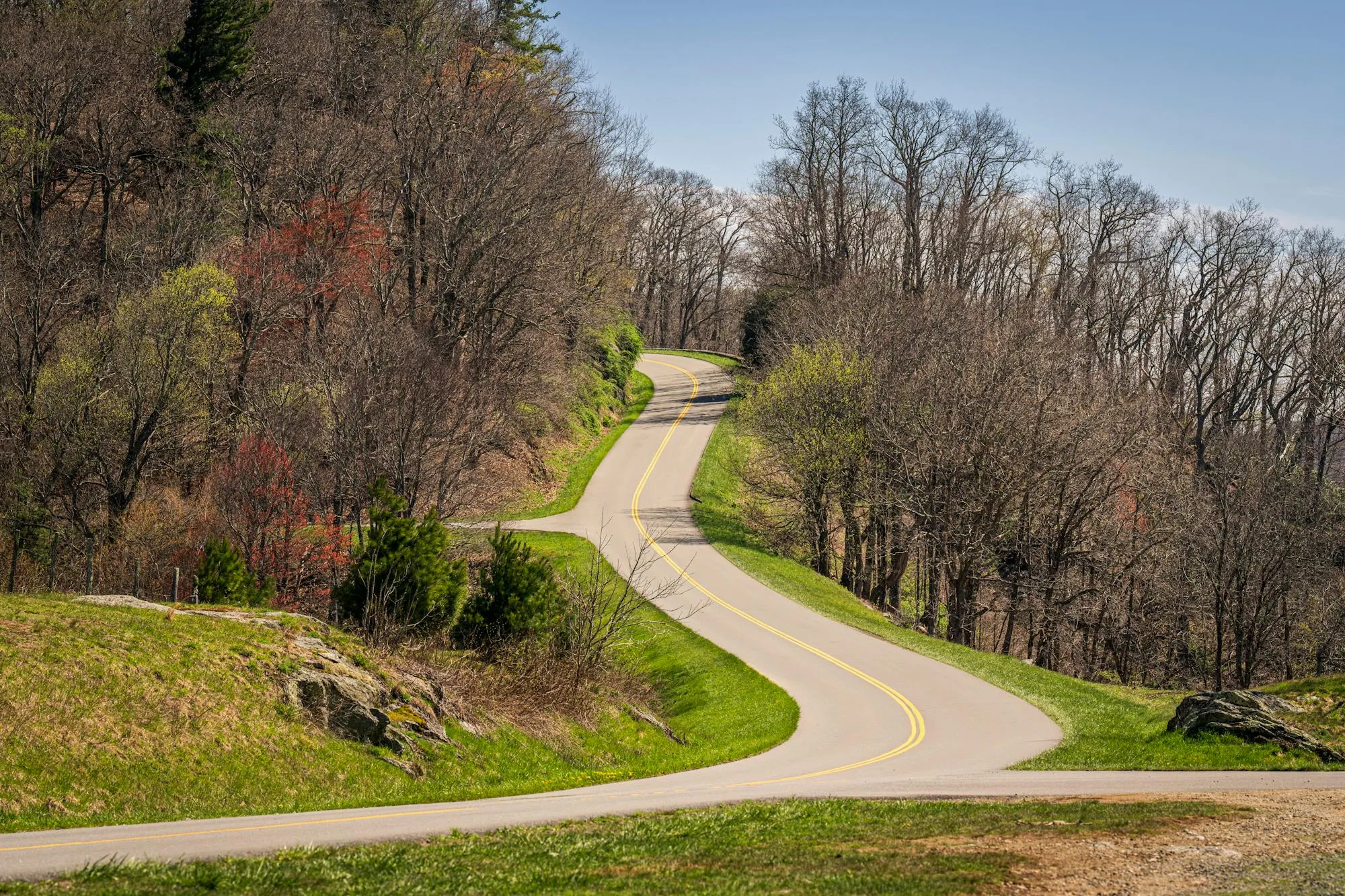
A winding asphalt road descending through the Appalachian Mountains, likely the famous Tail of the Dragon section in Tennessee and North Carolina. Multiple technical right-hand and left-hand curves are visible in this aerial perspective, surrounded by deciduous forest in spring foliage. Clear sunny conditions, well-maintained asphalt with yellow center lines marking the curves.
Mark Stebnicki / Pexels

The Truth on the Street

What follows is the community talking, not me. Over the years I've gathered it the slow way: reading through rider discussion online, talking with owners at events, comparing impressions with people logging real miles, and going through the messages that come to me directly. Pull it together for this MT-09 and a clear shape shows up, with the good reports arriving more often and with more conviction than the bad.

What riders keep coming back to

The engine sits at the center of nearly every positive report. Riders describe a triple with real character, torque they can reach from low in the rev range, and a top end it happily chases, and most of them call it the reason they chose it. The chassis draws the next round of approval, described as fast-steering and simple to point where they want, in town or out on a good road. The front brakes collect their own praise as the sharpest upgrade over the older bike. Owners also keep noting how much arrives fitted as standard, with cornering ABS, the IMU rider aids, four ride modes, the quickshifter and cruise control all in the price, weighed against rivals that ask more for less. The larger color screen with phone pairing and built-in navigation earns credit for answering a long-standing complaint about the old dash, and over time riders point to strong resale and Yamaha's wide dealer network.

Where riders push back

The criticism is steady but low-key. Without any screen out front, riders say holding a fast highway pace above 80 mph (130 km/h) starts to wear on them, the cost of a bare-fronted bike. The stock seat gets repeated mention for going hard somewhere past the 100-mile (150 km) mark, which owners feel limits any touring plans. A number flag an abrupt on-off throttle in Sport mode at small openings around town, and most add that Street mode mostly sorts it. The short tank rounds things out, leaving a usable 140 to 150 miles (220 to 240 km) between stops.

Known issues

  • Throttle Position Sensor (TPS) recall: potential engine stalling

    electrics very common Recall

    Improper ECU programming causes excessive TPS brush sliding, generating abrasion particles that accumulate on contacts, leading to unstable idling, engine stalling, and potential crash risk. Affected models recalled for ECU reflash and TPS replacement.

The Expert Benchmark

Where this Yamaha MT-09 pulls ahead of — or falls behind — its rivals on the numbers, and the typical bike in its class on character.

What kind of bike this is — character vs. the class

This bike Class average

The shape of the Yamaha MT-09 — numbers and character vs. the average Naked Bike

Head-to-head: Yamaha MT-09 vs. its rivals

The 'Should I Buy It?' Score

Forget spec-sheet bragging. Here's who the MT-09 is actually built for.

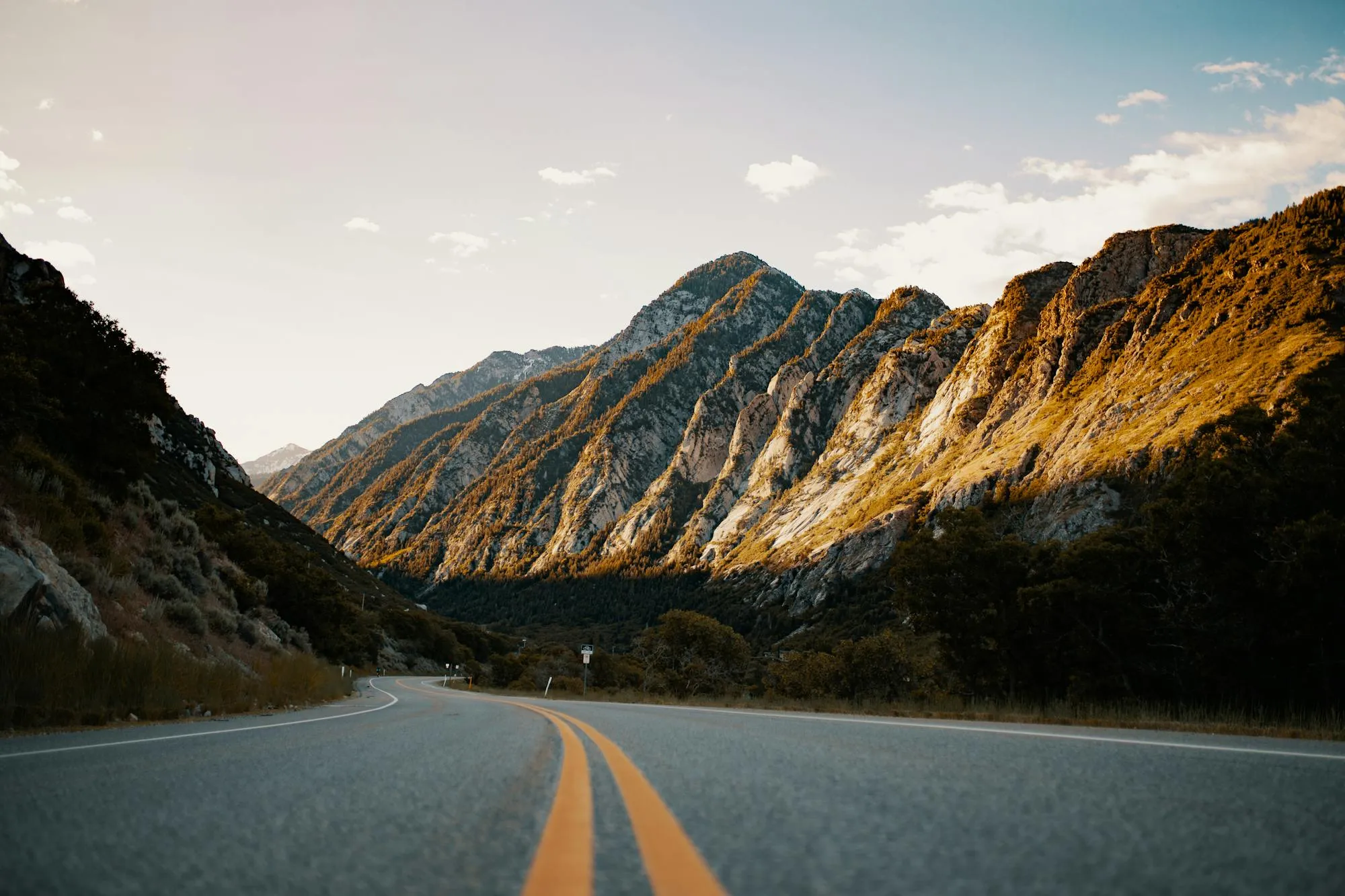
A scenic view of Angeles Crest Highway winding through rugged Southern California canyon terrain. Rocky mountainsides with golden earth tones frame the asphalt road with tight sweeping curves. Double yellow center line visible, sparse vegetation along the shoulders, clear blue sky with white clouds. Daylight, dry conditions. Iconic location for canyon-road enthusiasts.
Josh Sorenson / Pexels

Best motorcycle for Angeles Crest?

If your weekends are canyon runs above LA, this fits well. Eager turn-in, a talkative front end, and a flexible triple reward precise riding; just know the stock suspension caps out if you chase real pace.

Made for Angeles Crest Highway · Coronado Trail / US 191 · Highway 1 / Big Sur
Best motorcycle for Bay Area?

Made for splitting weekdays in the city and Sundays on Skyline. Light handling keeps traffic easy, the TFT runs nav and phone connectivity, and the modern design won't go unnoticed at Alice's.

Made for Bay Area Ridge Roads · San Francisco / Bay Area · Skyline Boulevard / Alice's Restaurant

Best motorcycle for Tail of the Dragon?

Made for Dragon-and-Cherohala days where line beats outright speed. It flicks corner to corner without fuss and the front feeds back enough to keep refining technique. Street-sized brakes are the one real limit.

Made for Back of the Dragon · Blue Ridge Parkway · Cherohala Skyway

What's new versus the previous generation

If you're cross-shopping the older generation, here's what changed.

Yamaha MT-09 (RN69)

Previous generation · 2021–2023

Yamaha MT-09 (RN69)

The Engine That Plays Itself

Compare to the previous model →

Variants, Models & Special Editions

The Yamaha MT-09 also comes in these variants, models and special editions. Each has its own page covering only what differs from the standard MT-09 — equipment, electronics, specs and used price.