By NastyNils·
Motorcycle comparison · Naked Bike
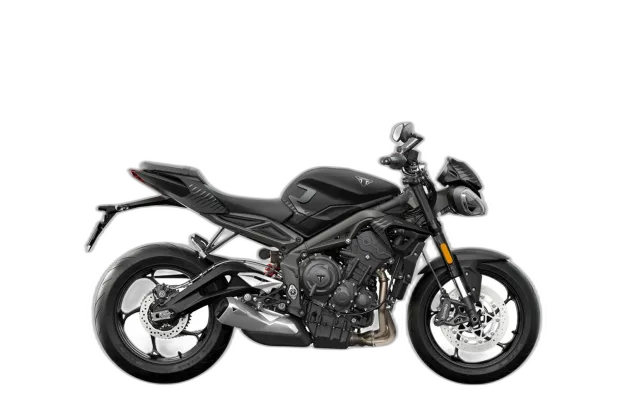
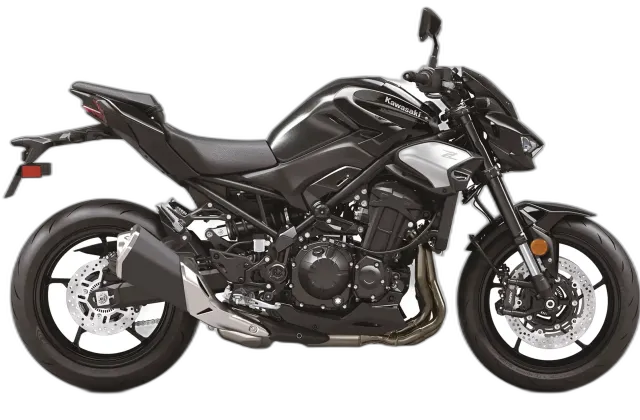
Kawasaki Z900 (MY2020) vs Triumph Street Triple R Low (HD04)
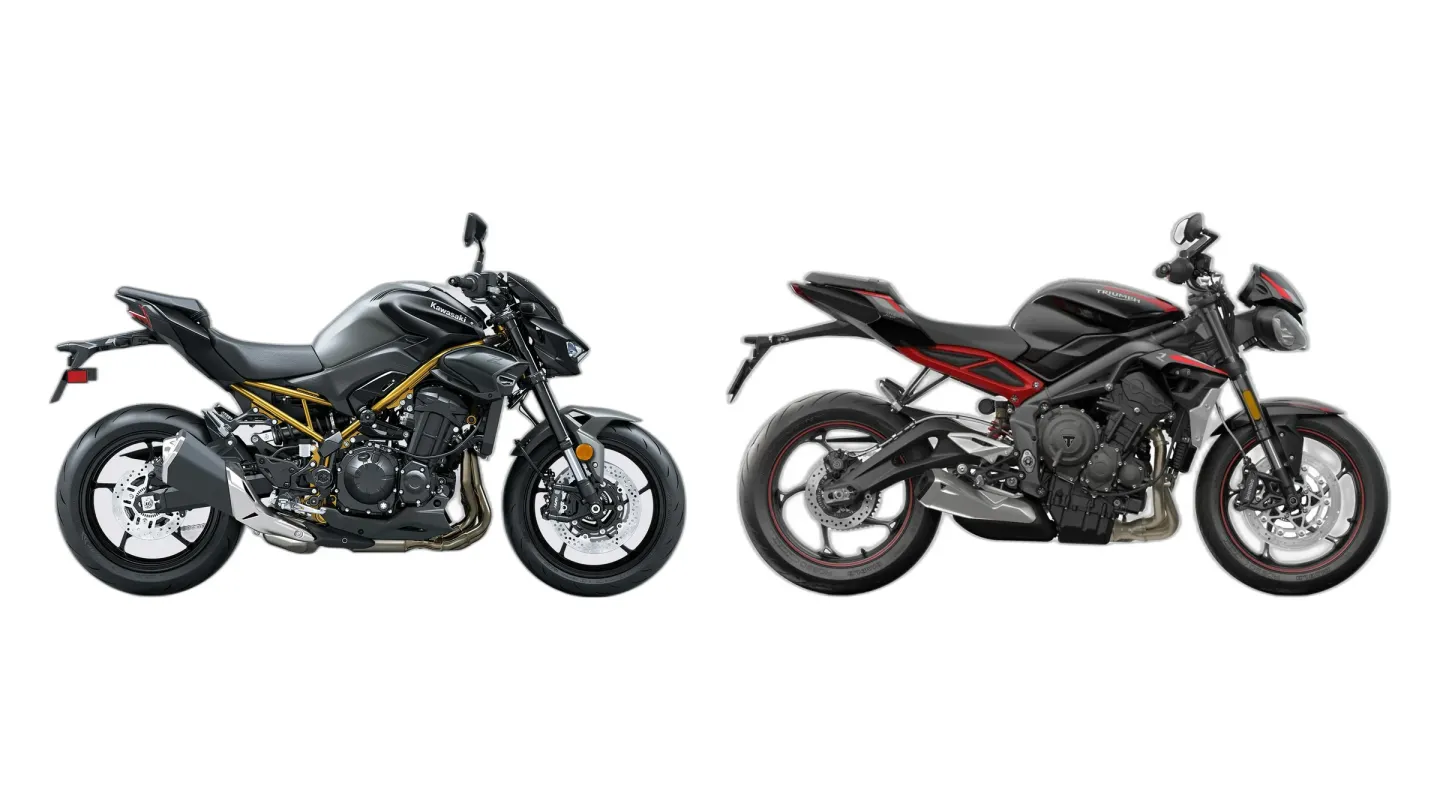
Kawasaki Z900 vs Triumph Street Triple R Low: which one's easier to live with every day.
Driving out of a corner, the Kawasaki Z900's front wheel goes light while the chassis doesn't weave or shake. On the Triumph Street Triple R Low, the throttle spins the engine up in one linear sweep that's never abrupt. Wound out, its intake howls.
So which one do you buy?
The Z900 has the edge if…
Traveling with luggage
Nose ahead: Z900
For a week away, the Z900 noses in front. That comes from a better reliability record. Fit the bags you want before you decide.
Keeping running costs low
A touch ahead: Z900
The Z900 should be a little cheaper to keep on the road. It's a small gap.
The Street Triple R Low has the edge if…
Daily commuting & city riding
Small edge: Street Triple R Low
Your daily ride leans slightly toward the Street Triple R Low. What tips it: lighter steering. Fit and price can easily outweigh that.
Sporty riding on twisty roads
Narrow edge: Street Triple R Low
Through a string of corners, the Street Triple R Low feels a little more eager. Most of that is more feel through the bars. The gap is small, so ride both.
Which one's the smarter buy
Depends what you want it for
The small price gap doesn't make one the clear better buy for the money. Neither bike wins on value alone.
What makes each one tick
Z900
Parked, the Z900 shows where the budget went; once it's rolling, the motor and the suspension tuning point the same way. At low revs, the throttle's snatchy. Past that, the inline-four pulls hard and revs willingly to the limiter. The plain shock and fork hold whatever line you've picked.
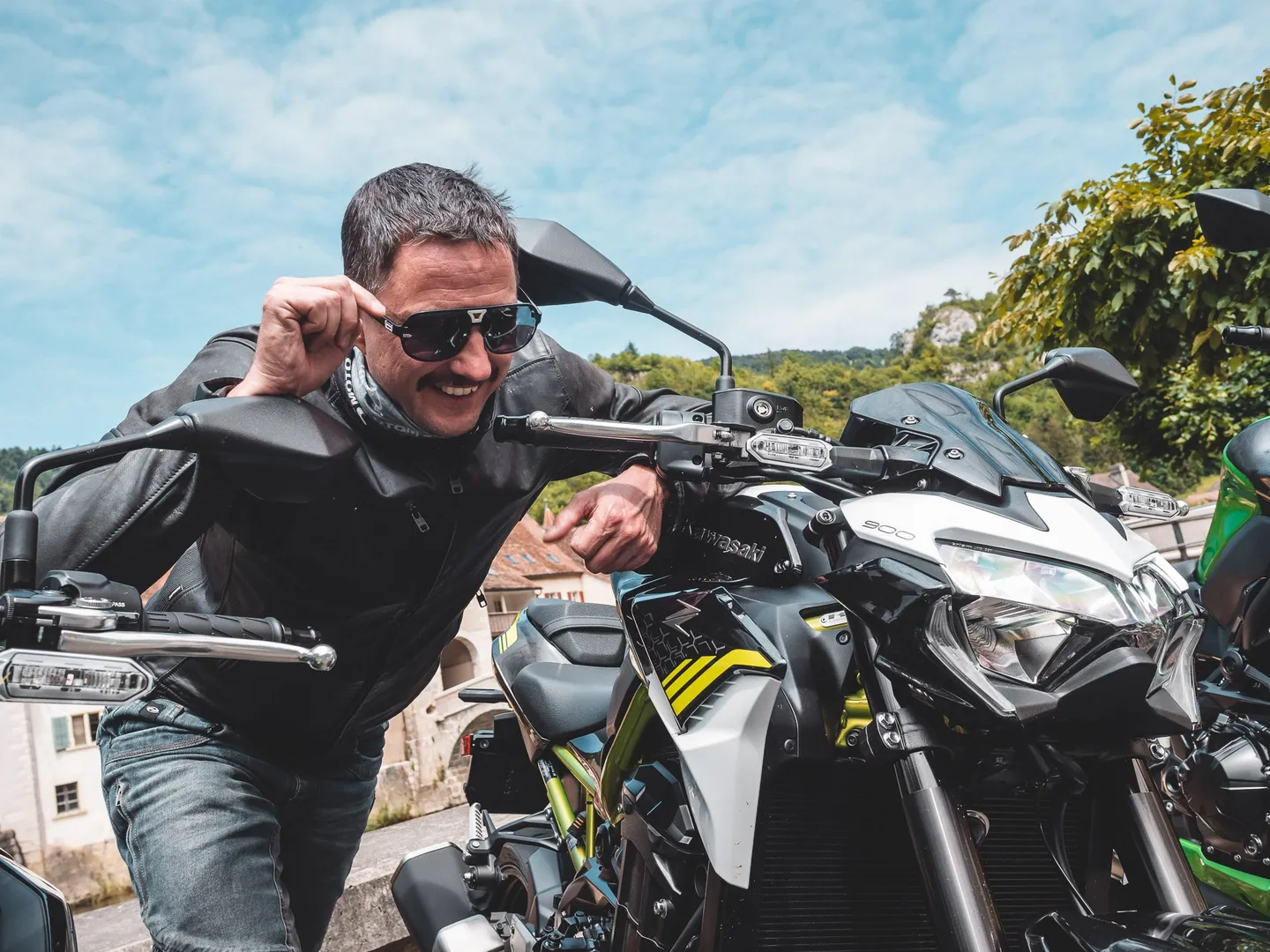
Nils rode the Z900 in Austria and Switzerland in 2020 (NastyNils Testride).
Street Triple R Low
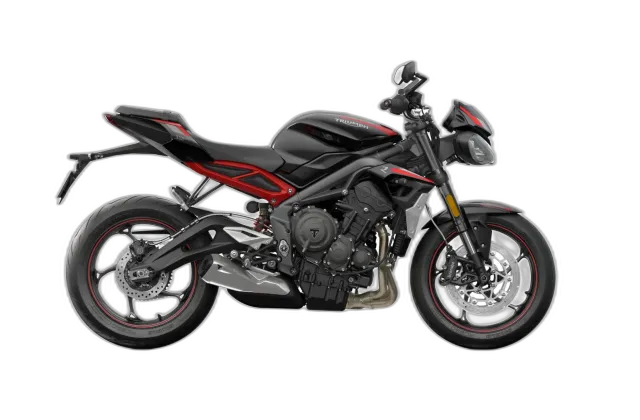
With the seat at 30.7 in (780 mm), the Street Triple R Low puts a shorter rider's boots flat at a stop, yet it doesn't give up the standard R's steering geometry. On the Angeles Crest Highway, it tips into each bend the moment you ask, and the Showa fork sends back what the tire's doing. The bars flick it over.
The Voice of Experience
What actually separates them
- The Street Triple R Low has the lower seat: 30.7 in (780 mm) vs 31.5 in (800 mm).
- The Z900 makes more peak power: 125 hp (92 kW) vs 116 hp (87 kW).
- The Z900 makes more peak torque: 73 lb-ft (99 Nm) vs 57 lb-ft (77 Nm).
Which one for the way you ride
A confidence-building first motorcycle
Not their thing
As first bikes, both are a stretch. Starting smaller isn't a step down.
Who each one is built for
What's good, and what you'll live with
Z900
Strengths
- Approachable Or Fast, Your Call
- Proven Over Months Of Testing
- Brakes Beat Their Spec Sheet
- Seat Fits A Wide Range
- Planted, Precise Chassis
Trade-offs
- Handlebar Too Thin
- Menus Fight Back
- Firm In Daily Traffic
- Snatchy Throttle Down Low
- No wind protection
Street Triple R Low
What owners say
Strengths
- Smooth and engaging inline-three engine
- Lightweight and easy to maneuver
- Lowered ergonomics without compromise
Trade-offs
- Firm suspension over rough roads
- Minimal weather protection and short tail
Known problems to check before you buy
Z900
- Base Model Suspension Struggles with Spirited Riding and Heavier Riders The standard suspension—KYB USD fork with no compression damping adjustment—dives excessively under hard braking. The rear shock sags during acceleration. It proves inadequate for heavier riders (200+ lb) and two-up riding. The setup is designed primarily for commuting and medium-speed riding. The 2022 SE with Öhlins S46 dampers and improved fork solves these issues.
- False Neutrals and Clunky Transmission The transmission occasionally misses shifts, especially during quick upshifts above ~6,000 rpm. Most frequent between 2nd-3rd and 3rd-4th gears. Design-related play in the shift linkage. Downshifts described as clunky. Issue carried over from previous model—engine and transmission are carry-over parts.
- Front ABS intervenes prematurely under hard braking The ABS calibration is conservative and tends to intervene early, particularly at the front wheel under hard braking or over bumpy and uneven surfaces. Riders feel pulsing at the brake lever and a lengthened stop before the tire has reached its real grip limit. The system has a single fixed calibration that does not change with the selected riding mode, and there is no rider-selectable ABS-off function, so the early intervention is present at all times.
- Snatchy/Jerky Throttle Response at Low RPM The Z900 exhibits jerky, on/off-like throttle response at low RPM and speeds, particularly in 1st and 2nd gear. The motorcycle lurches when holding a constant low speed. Improved compared to the 2017-2019 generation, but not resolved. The first degree of throttle turn has a sharp snatch that disrupts smooth application, and snatchy low-speed throttle manners persist. Caused by emissions-related ECU tuning, not a mechanical defect.
- Unstable Bluetooth Connection, App Crashes, Pairing Issues The Kawasaki Rideology app (for the TFT display) exhibits recurring Bluetooth connectivity issues on both iOS and Android. Pairing drops after restarting the motorcycle, particularly with Android/Samsung devices. In rare cases, the cockpit's Bluetooth chip fails entirely, requiring instrument cluster replacement. App update 2.8.2 added a requirement for internet connectivity during the Bluetooth handshake.
- Turn Signal Mount Rubber Inserts Become Brittle and Break The rubber inserts holding the stock turn signals in the body become brittle and break, causing the signals to hang loose on their wires. Vibration and UV radiation accelerate deterioration. OEM replacement turn signals also fail within 1–2 years. Affects multiple Kawasaki models of the same design, not just the Z900.
- Idle RPM Decreases Over Time, Causing Rough Running Idle RPM gradually decreases over time, resulting in rough idle, stumbling, and occasional stalling. Some owners report idle RPM dropping below 1,000. Cold-start idle can climb to 2,500 rpm. Possible solutions include idle RPM adjustment, ECU software update, and fuel quality verification.
- OEM Front Brake Pads Wearing Out Faster Than Expected The stock sintered brake pads wear out during normal use after approximately 8,000–10,000 miles until reaching the wear limit. Inner pads wear faster than outer pads.
- Surface Corrosion on Stock Steel Screws and Fasteners Stock steel screws and fasteners develop surface rust, especially in humid or coastal climates. Kawasaki uses standard steel fasteners instead of stainless steel or coated hardware.
Street Triple R Low
- Missing Sport and Rider modes and auto-cancelling indicators on early models Some 2020 Street Triple R bikes were delivered without the advertised Sport and Rider modes, and auto-cancelling turn signals, due to a software/PDI issue. Owners report that neither dealer reflash nor Triumph USA has resolved it quickly.
What they cost used
These prices compare a 6-year-old Z900 with a 6-year-old Street Triple R Low.
- Z900
- $7,300
- Street Triple R Low
- $7,500
At six years old, the Kawasaki Z900 sits around $7,300 while the Triumph Street Triple R Low lands near $7,500. That's a $200 gap in the Z900's favor. These figures come from earlier US market records, not live listings.
What they share
- Cooling
- Liquid-cooled
- Gearbox
- 6-speed
- Final drive
- Chain
- Fork
- Upside-down (USD)
- Front tire
- 120/70-17
- Rear tire
- 180/55-17
Where the spec sheets split
| Z900 | Street Triple R Low | |
|---|---|---|
| Seat height | 31.5 in (800 mm) | 30.7 in (780 mm) |
| Z900 | Street Triple R Low | |
|---|---|---|
| Displacement | 948 cc | 765 cc |
| Engine | Inline-four | Inline-three |
| Power | 125 hp (92 kW) | 116 hp (87 kW) |
| Torque | 73 lb-ft (99 Nm) | 57 lb-ft (77 Nm) |
| Z900 | Street Triple R Low | |
|---|---|---|
| Fuel capacity | 4.5 US gal (17 L) | 4.6 US gal (17.4 L) |
| Z900 | Street Triple R Low | |
|---|---|---|
| Front brake | 300 mm | 310 mm |
| Wheelbase | 57.3 in (1455 mm) | 55.5 in (1410 mm) |
What comes fitted, what costs extra
| Z900 | Street Triple R Low | |
|---|---|---|
| Quickshifter | Not offered | Standard |
| TFT Display | Standard | Not offered |
| Smartphone Connectivity | Standard | Not offered |
| LED Headlight | Standard | Not offered |
Head to head, area by area
Both bikes on the same scale, one area at a time.