MV Agusta F4 1000 R (MY2012) — Supersport
MV Agusta Press

2012 · Supersport · Buyer's Guide

F4 1000 R (MY2012)

Italian Fire, Maximum Feedback

The Machine's Character

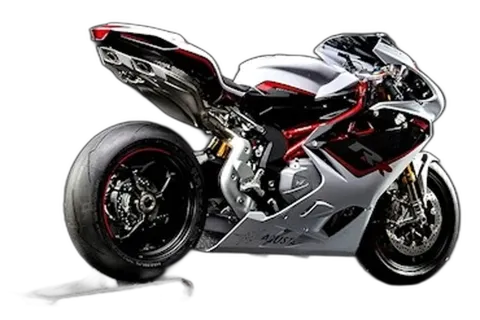
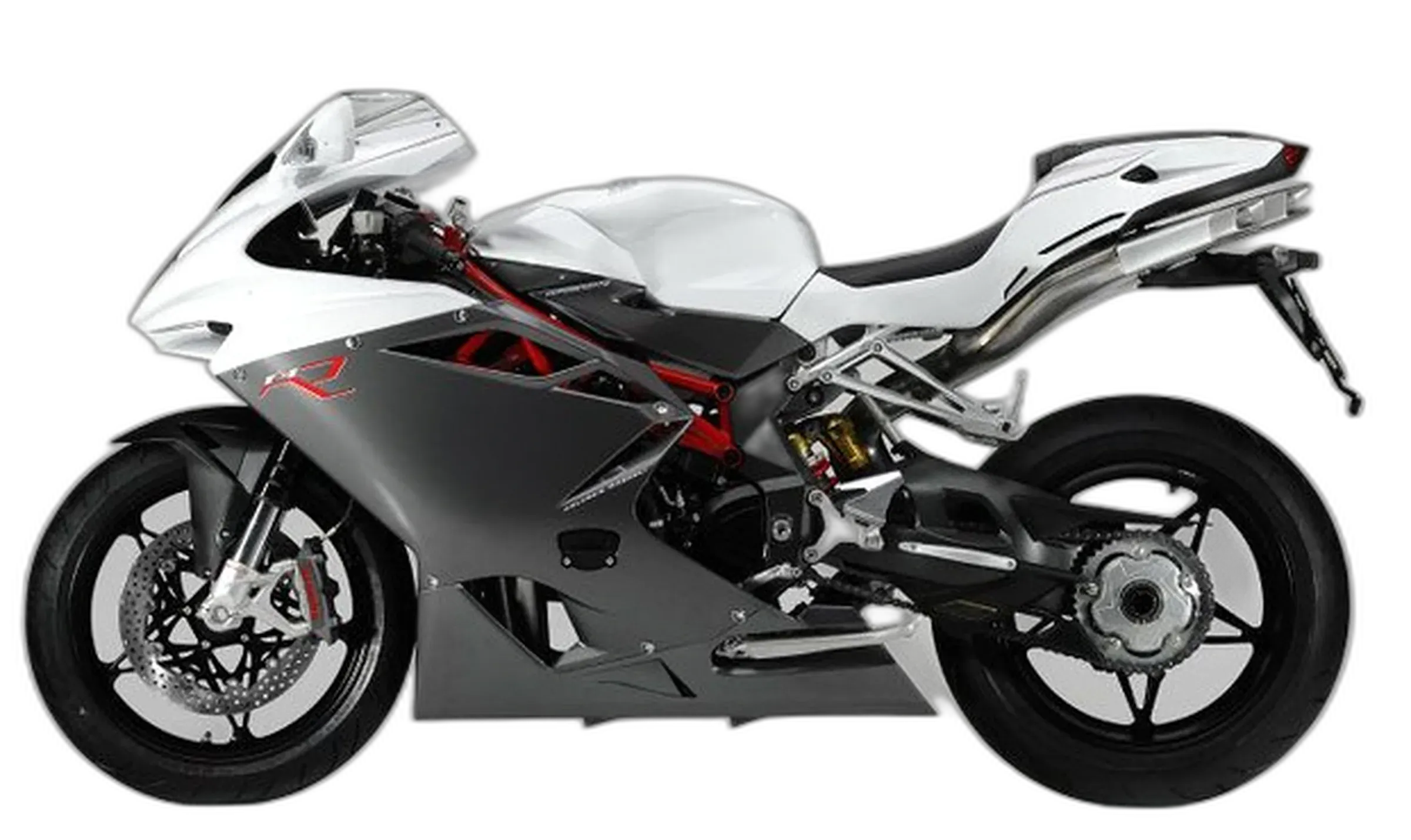
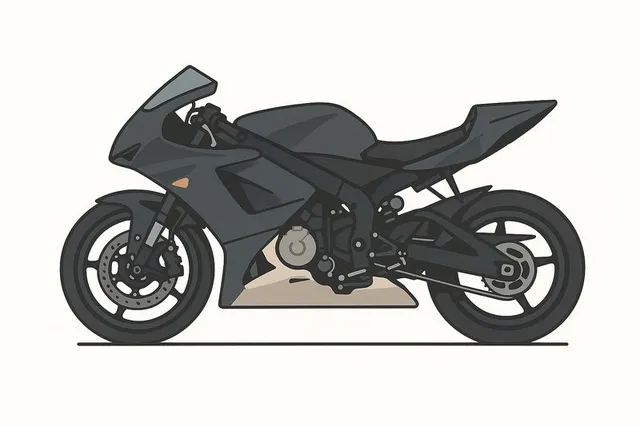
MV Agusta built this one around a 998 cc inline-four that does its real work high in the rev range: 195 hp at 13,000 rpm, 84 lb-ft at 9,100 rpm, a short-stroke Corsa Corta layout that asks for revs and pays you back for them. Underneath sits a steel trellis frame, fully adjustable suspension front and rear, and the four-pipe exhaust stack tucked under the tail. It is a limited run, handbuilt in Italy, and shaped by Tamburini into something people still stop and stare at. In a class that has drifted toward sensible, this one sells emotion first and never pretends otherwise.

The R has a narrow, deliberate sweet spot, and it wants you to find it. Give it revs and open road and it comes alive. Ride it at stop-and-go pace and it gets hot and irritable. Traction control is the extent of the electronic help here, and this trim goes without ABS, so nothing steps in for you at the lever. Ownership asks for the same discipline: valve clearances need checking on schedule, because neglected valve guides have killed engines around 17,000 mi (28,000 km). Buy it for the sound, the shape, and the top end. Buy it knowing what keeping it right costs.

Hard Numbers

Spec sheets don't ride bikes, but they set the baseline.

Show full specs & equipment Hide specs & equipment
Key specifications
Power 195 hp (143 kW) @ 13,000 rpm
Torque 84 lb-ft (114 Nm) @ 9,100 rpm
Displacement 998 cc
Engine Inline-four
Cooling Liquid-cooled
Gearbox 6-speed
Final drive Chain
Front tire 120/70-17
Rear tire 190/55-17
Seat height 32.7 in (830 mm)
Wet weight 463 lb (210 kg)
Fuel capacity 4.5 gal (17 L)

Equipment check

Chassis

  • Front Suspension Adjustable Standard
  • Rear Suspension Adjustable Standard

Safety

  • Traction Control Standard

The Voice of Experience

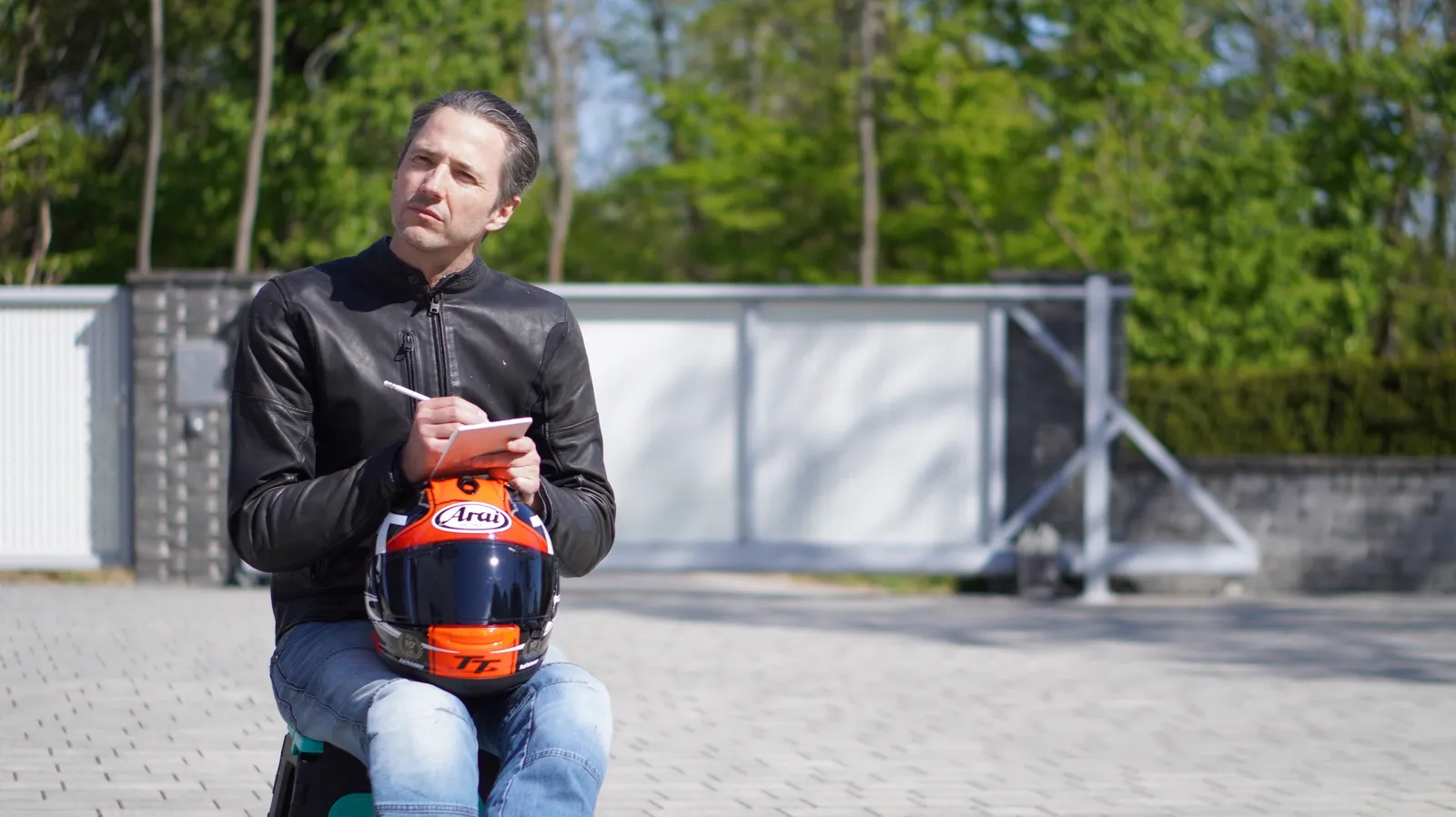
Portrait of NastyNils

The test ride

Swinging a leg over tells you most of it. The seat sits 32.7 in (830 mm) up, the clip-ons are low, and your wrists take real weight the moment you roll to a stop. Hit the starter and the four pipes behind your hips produce a hard metallic bark that stretches into a genuine howl as the needle climbs, the kind of noise that makes you take the long way home. Vibration is fine-grained rather than numbing, and you notice it through the pegs and the tank more than through your palms. At 463 lb (210 kg) wet it does not flick around like a small-bore bike, but it drops into a lean and sits there with a steadiness that catches people off guard. What reaches you through the chassis is constant and detailed. Half an hour in, you stop cataloging any of it and start hunting the next stretch of clear road.

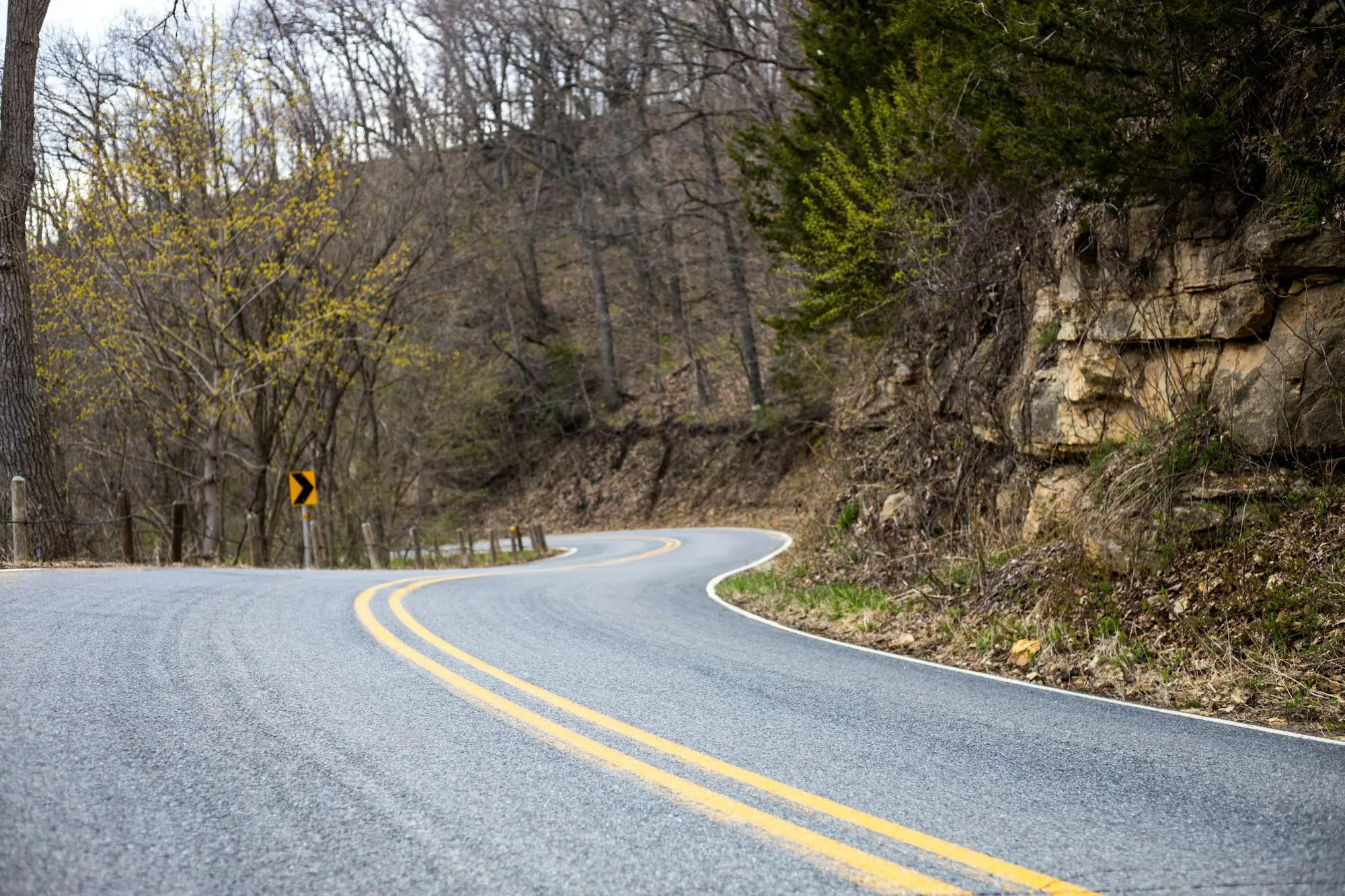
A winding two-lane asphalt road in the Appalachian mountains, photographed in dry daylight. Yellow double-center line markings guide through a series of tight left-hand curves. Dense deciduous and evergreen forest flanks both sides; a rock cut is visible on the right. The road surface and geometry suggest a technical, high-traffic riding corridor popular with motorcyclists.
Chris Flaten / Pexels

The Truth on the Street

None of this is my own seat time. It's what has reached me over the years: paddock talk, owners at club nights, and the messages riders send me directly. On this one the chatter settles into a clean split, praise that runs to emotion and complaints that are strictly practical.

What riders bring up first

Ask owners what they love and the answers land in the same order. The shape comes up first and most often. Close behind is the way the engine wakes up as the revs climb, and the noise that comes with it, which is why owners leave the pipes alone. Riders also describe it as easy to read in a corner: light at the bar, informative enough to commit to a line.

Where the complaints always land

Two things come up again and again. Heat is the first, called genuinely uncomfortable once traffic slows, and some flag overheating as a real risk at crawling pace. The riding position is the second, wearing riders out well before the tank runs dry. One practical note runs the other way: the 5.8-gallon tank gives range most of the class doesn't. A few add that hard braking loads the front harder than expected and gets tiring.

Known issues

  • Valve guide failure at moderate to high mileage

    engine rare

    Some owners report broken valve guides leading to catastrophic engine failure, often at around 17,000 mi (28,000 km), especially if valve clearances are not regularly checked. Debris from guides can damage valves and pistons.

  • Overheating in traffic

    cooling common

    The high-compression engine lacks sufficient cooling airflow at low speeds, causing temperatures to spike. Some owners fit aftermarket metal fan blades to improve cooling.

The Expert Benchmark

Where this MV Agusta F4 1000 R pulls ahead of — or falls behind — its rivals on the numbers, and the typical bike in its class on character.

What kind of bike this is — character vs. the class

This bike Class average

The shape of the MV Agusta F4 1000 R — numbers and character vs. the average Supersport

Head-to-head: MV Agusta F4 1000 R vs. its rivals

The Handshake Score

Forget spec-sheet bragging. Here's who the F4 1000 R is actually built for.

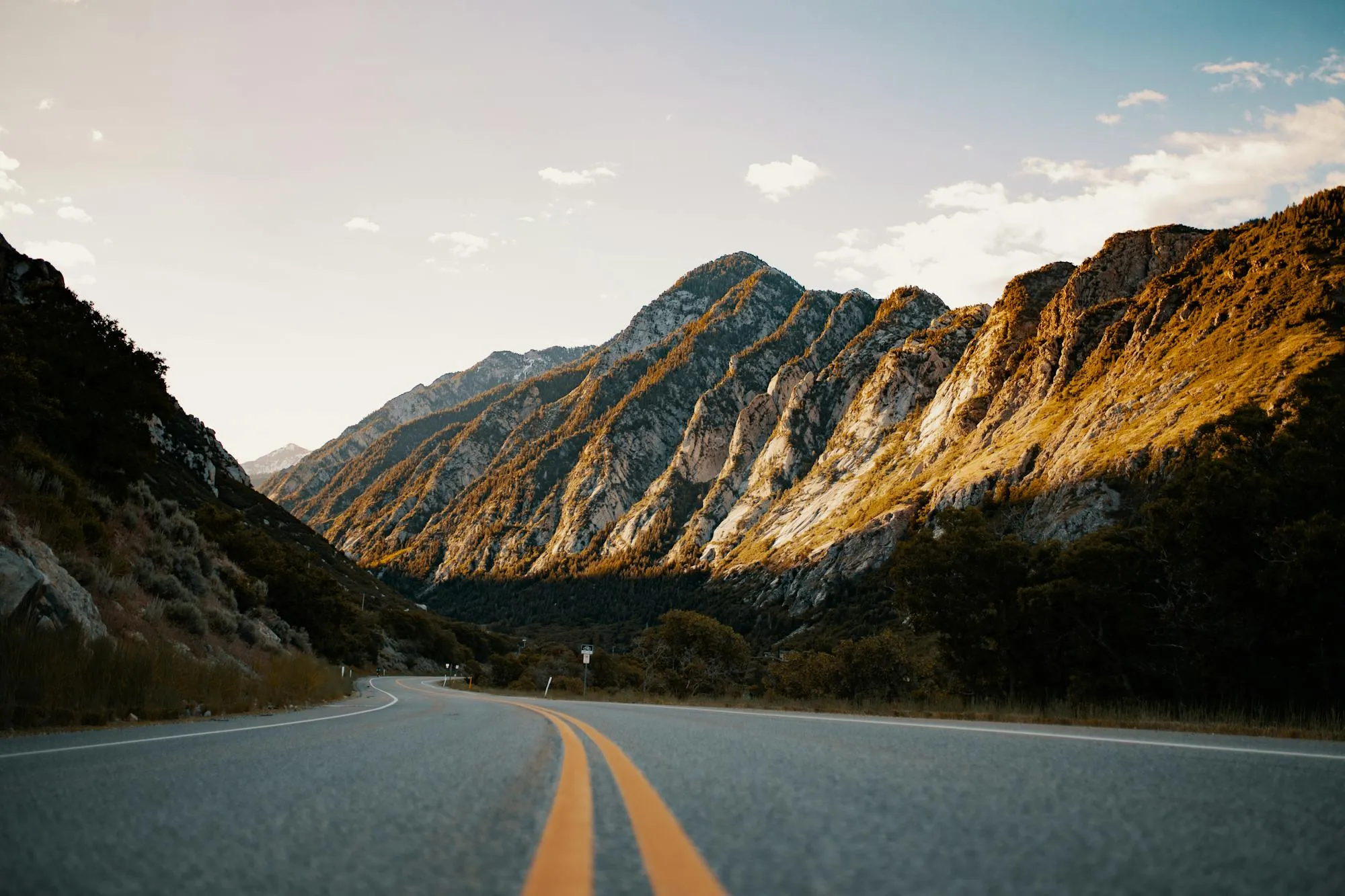
A scenic view of Angeles Crest Highway winding through rugged Southern California canyon terrain. Rocky mountainsides with golden earth tones frame the asphalt road with tight sweeping curves. Double yellow center line visible, sparse vegetation along the shoulders, clear blue sky with white clouds. Daylight, dry conditions. Iconic location for canyon-road enthusiasts.
Josh Sorenson / Pexels

Best motorcycle for Angeles Crest?

Angeles Crest suits it perfectly. The crawl to get there does not, so plan around the heat. Once the road opens, the feedback and the noise repay every minute you spent in LA traffic.

Made for Angeles Crest Highway · Coronado Trail / US 191 · Highway 1 / Big Sur
Best motorcycle for Laguna Seca?

A closed circuit is where this bike stops making excuses. Lean clearance is enormous, the chassis reports everything, and the top end pays off on a long straight. Bring your own skill: traction control is all you get.

Made for Barber Motorsports Park · WeatherTech Raceway Laguna Seca · Circuit of the Americas

Best motorcycle for Tail of the Dragon?

The Dragon's tightest stuff keeps this engine below its best revs, and slow queues make it run hot. Where the Blue Ridge opens into faster sweepers, it rewards a clean line loudly and precisely.

Made for Back of the Dragon · Blue Ridge Parkway · Cherohala Skyway

What's new versus the previous generation

If you're cross-shopping the older generation, here's what changed.

MV Agusta F4 1000 (MY2010)

Previous generation · 2010–2011

MV Agusta F4 1000 (MY2010)

Italian Fire, Maximum Lean

Compare to the previous model →

Alternatives to the MV Agusta F4 1000 R

If this one isn't quite the fit, these are the bikes worth riding back-to-back against it.

Any price note compares both bikes at the same age — the youngest age both have on the used market — against this MV Agusta F4 1000 R. “cheaper/pricier” is what that bike costs second-hand, not how worn it is.