·

MV Agusta F4 1000 (MY2010-RR) — Supersport
MV Agusta Press

2011–2013 · Supersport · A variant of the F4 1000

F4 1000 RR (MY2010-RR)

Differences between the standard F4 1000 and the RR

4.5 / 5 NastyNils Rating · against its class

Italian Fire, Track-Ready Soul

The Machine's Character

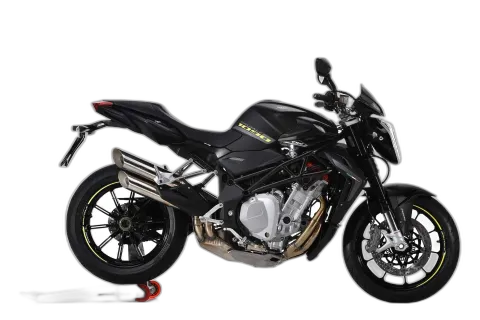
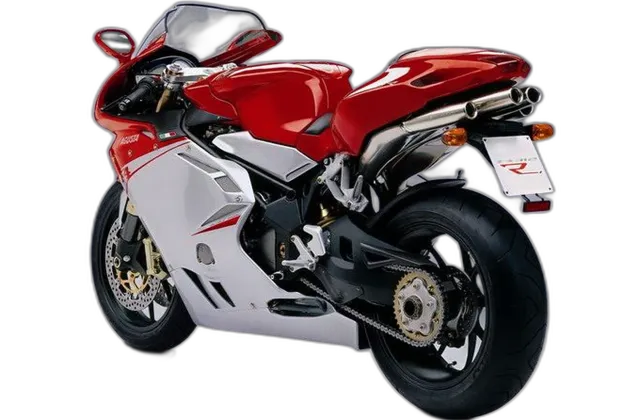
The F4 1000 RR is built around a 998 cc inline-four that makes its case at the top of the tachometer: 200 hp at 13,400 rpm, with 84 lb-ft arriving at 9,200 rpm. Nothing about that delivery is casual. The chassis backs it up with fully adjustable suspension at both ends, a steering damper and a slipper clutch as standard, plus traction control and ride modes to keep the upper rev range usable. ABS was an option, not a fixture. This is a supersport that treats shape and sound as core engineering rather than decoration.

It rides the way it looks: taut, alert, happiest when you ride with intent. Lean clearance is enormous, the suspension gives you genuine range to dial in, and the chassis talks back clearly once you commit to a line. The honest caveat is mass and workload. At 470 lb wet with a 32.7 in seat, it asks for a fit, experienced rider and a road worth the effort. It runs hot in slow traffic and it wants a diligent owner. Buy it for the intensity and the ownership drama becomes part of the deal. Buy it for convenience and you will resent it.

Hard Numbers

Spec sheets don't ride bikes, but they set the baseline.

Show full specs & equipment Hide specs & equipment
Key specifications
Power 200 hp (147 kW) @ 13,400 rpm
Torque 84 lb-ft (114 Nm) @ 9,200 rpm
Displacement 998 cc
Engine Inline-four
Cooling Liquid-cooled
Gearbox 6-speed
Final drive Chain
Fork Upside-down (USD)
Front brake 320 mm
Front tire 120/70-17
Rear tire 190/55-17
Wheelbase 56.3 in (1430 mm)
Seat height 32.7 in (830 mm)
Wet weight 470 lb (213 kg)
Fuel capacity 4.5 gal (17 L)
Fuel economy 33 mpg (US)

Equipment check

Chassis

  • Front Suspension Adjustable Standard
  • Rear Suspension Adjustable Standard
  • Steering Damper Standard

Drivetrain

  • Slipper Clutch Standard

Safety

  • ABS Optional
  • Traction Control Standard
  • Ride Modes Standard

The Voice of Experience

Portrait of NastyNils

The test ride

Swing a leg over and the riding position tells you the plan straight away: 32.7 in to the seat, a long reach to the bars, weight on your hands the moment you stop moving. At town pace you feel every ounce of the 470 lb. Then you start it, and the noise justifies a good share of the purchase. There is a hard metallic edge low down and a wail higher up that stays with you after you park. Vibration is present rather than harsh, a fine buzz through pegs and tank that keeps you informed. Heat is the other constant companion. Sitting at lights it cooks your right leg and warm air climbs up under your visor. Out on an open road at real pace, all of that recedes and the bike feels narrow, tight and completely awake.

What the F4 1000 RR Adds — Differences vs the Standard F4 1000

The F4 1000 RR (MY2010-RR) builds on the standard F4 1000: the upgraded hardware, the key spec changes and where its character shifts. The full ride, specs, scoring and verdict are all right here on this page.

Hard spec differences

SpecStandard F4 1000RRΔ
Power 186 hp 200 hp +14 hp
Seat height 33.9 in 32.7 in -1.2 in

How the RR shifts the character

Where the RR does more
  • More suspension adjustment to dial in
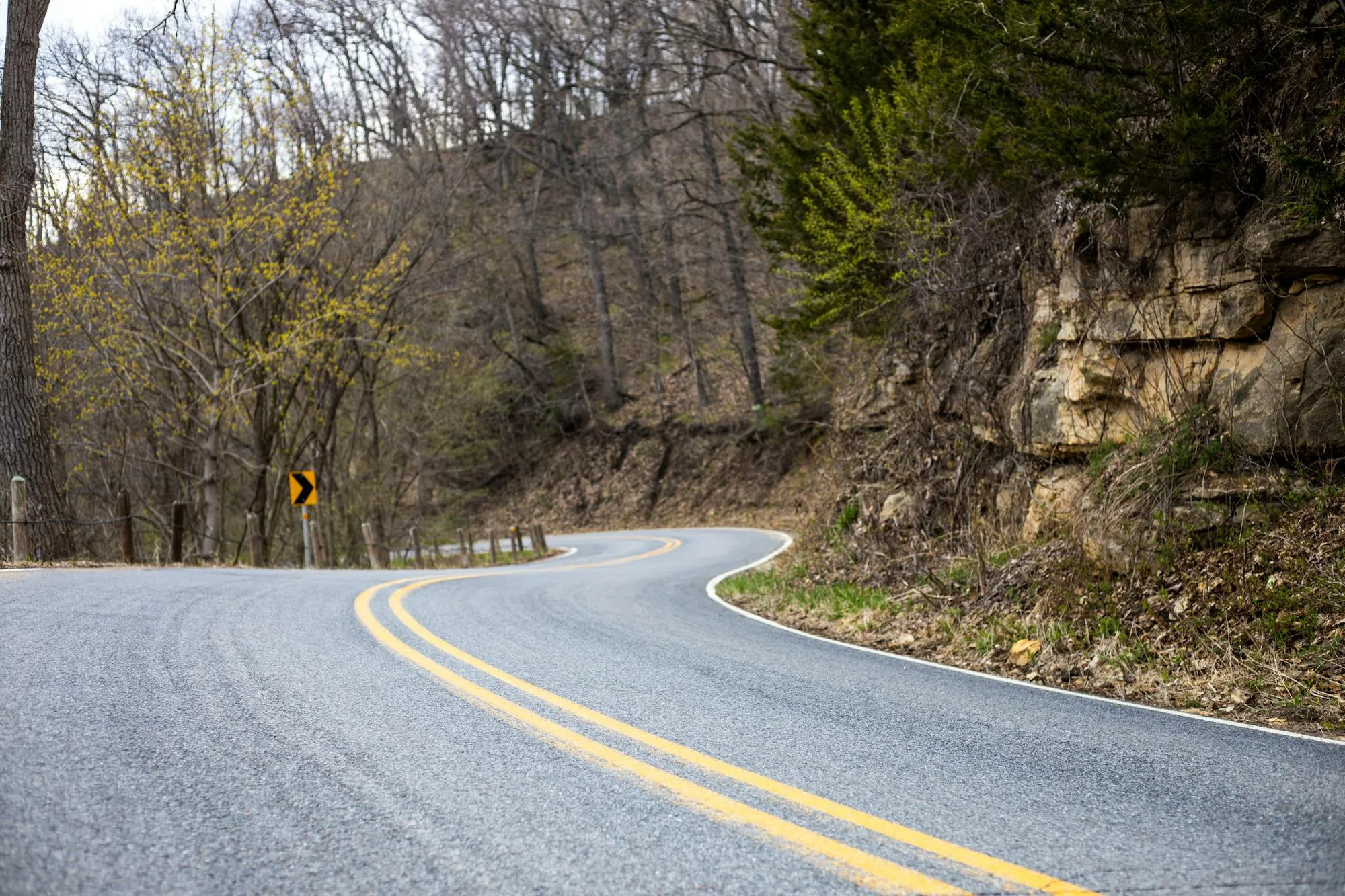
A winding two-lane asphalt road in the Appalachian mountains, photographed in dry daylight. Yellow double-center line markings guide through a series of tight left-hand curves. Dense deciduous and evergreen forest flanks both sides; a rock cut is visible on the right. The road surface and geometry suggest a technical, high-traffic riding corridor popular with motorcyclists.
Chris Flaten / Pexels

The Truth on the Street

Over the years this bike has come up again and again: in paddock conversations, at club nights, in chats with owners at fuel stops, and in the emails and messages riders send me directly. The pattern is steady. Owners love how the F4 looks and sounds, and how it holds a line. They are just as consistent about its weight, its firmness and what it costs to keep running.

Why owners fell for it

Styling comes up first, and it comes up most. Riders describe the F4 as one of the most beautiful motorcycles ever made, and they name the same details every time: the single-sided swingarm, the four exhaust outlets, the red and silver paint. For many owners the bike is as much an object to look at as a machine to ride. The engine comes a close second. Riders consistently talk about a ferocious rush at high revs and an exhaust howl that pays you back for riding it hard. Several call it one of the most emotional superbike engines they have known. Owners also point to the hardware. When they say the spec sheet rivals the best in the class, the Öhlins suspension and forged wheels are the parts they single out.

Planted on a line, heavy off it

On handling, the reports split cleanly. Riders consistently say the F4 holds a line with real confidence. They describe precise turn-in and enough stability to make it a capable track bike. Some owners praise the braking in similar terms: strong, stable and progressive in feel. Right beside that praise sits the most repeated handling complaint. Owners find the bike noticeably heavier than its Japanese and European rivals, and they say the weight blunts its agility and makes it harder work to ride fast. Opinion on the riding position is split as well. Owners who came from the earlier F4 report more room, a better seat and adjustable footpegs, and they call this one the more comfortable of the two. Taller riders see it differently. They describe the position as cramped, with high pegs and low bars that wear on them on the street.

Where the road and the wallet bite

Away from smooth pavement, the suspension draws a recurring complaint. Owners say it is set up very stiff, sends every bump through to the rider and becomes punishing on rough public roads. Slow traffic is the other sore point. Riders report enormous engine heat in stop-and-go conditions, and some call it unbearable. A few also mention a heavy, grabby clutch and an engine that hunts just off idle, which makes riding in town a chore. Then there is the ownership itself. Owners keep coming back to three things: lingering doubts about build quality, maintenance costs well above those of the Japanese rivals, and parts that can be hard to find away from the bigger dealers.

Known issues

  • Overheating in slow traffic

    cooling occasional

    The F4 can overheat when ridden at low speeds or in traffic, due to high engine temperatures and limited cooling airflow.

  • Rear hub bearing failure

    drivetrain occasional

    Wheel hub bearings may fail at low mileages due to a design issue; manageable with lower pinch bolt torque or aftermarket hub replacement.

  • Radiator cracking

    cooling occasional

    The radiator is prone to cracking at the upper left corner due to a design flaw; aftermarket brackets are available.

  • Electrical gremlins

    electrics occasional

    Weak battery, poor grounding, and charging system quirks can cause starting issues; often resolved with a quality battery and connection cleaning.

  • Belly pan melting

    bodywork occasional

    Exhaust heat can melt the bottom right side of the belly pan, even at speed; aftermarket heat shields are recommended.

The Expert Benchmark

Where this MV Agusta F4 1000 pulls ahead of — or falls behind — its rivals on the numbers, and the typical bike in its class on character.

What kind of bike this is — character vs. the class

This bike Class average

The shape of the MV Agusta F4 1000 — numbers and character vs. the average Supersport

Head-to-head: MV Agusta F4 1000 vs. its rivals

The Handshake Score

Forget spec-sheet bragging. Here's who the F4 1000 is actually built for.

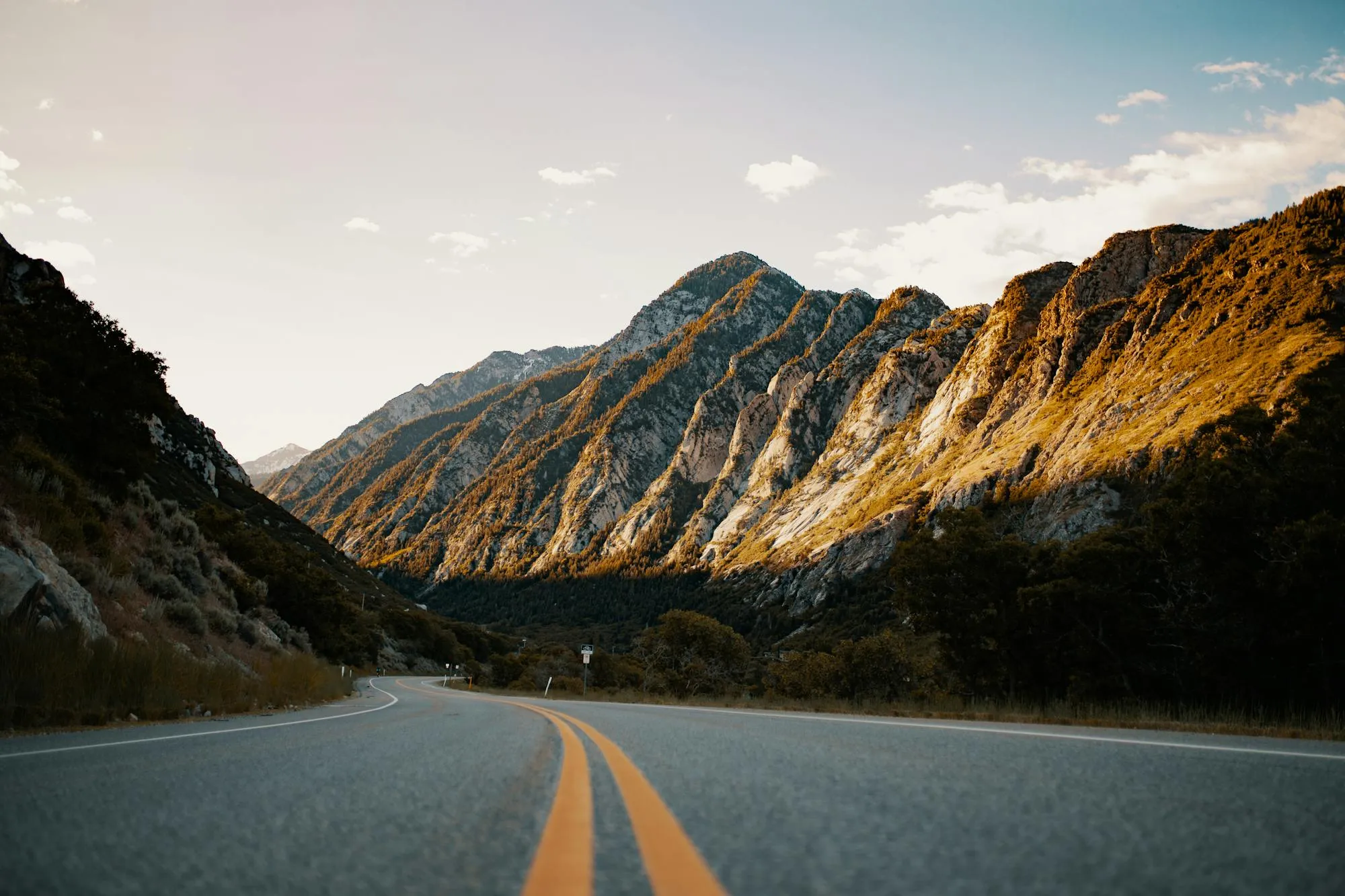
A scenic view of Angeles Crest Highway winding through rugged Southern California canyon terrain. Rocky mountainsides with golden earth tones frame the asphalt road with tight sweeping curves. Double yellow center line visible, sparse vegetation along the shoulders, clear blue sky with white clouds. Daylight, dry conditions. Iconic location for canyon-road enthusiasts.
Josh Sorenson / Pexels

Best motorcycle for Laguna Seca?

On a closed circuit this bike finally makes complete sense. The lean clearance and suspension range let you build a real setup, but you supply the fitness and the mechanical diligence.

Made for Barber Motorsports Park · WeatherTech Raceway Laguna Seca · Circuit of the Americas
Best motorcycle for Angeles Crest?

The canyons suit it perfectly. The traffic on the way there does not. Ride out early, keep moving, and it rewards you like almost nothing else on the road.

Made for Angeles Crest Highway · Coronado Trail / US 191 · Highway 1 / Big Sur

Best motorcycle for Tail of the Dragon?

Repeat runs on tight technical roads play to its ground clearance and chassis feedback. The weight and the committed riding position add up over a long day, so arrive fit.

Made for Back of the Dragon · Blue Ridge Parkway · Cherohala Skyway

What's new versus the previous generation

If you're cross-shopping the older generation, here's what changed.

MV Agusta F4 1000 R (MY2007)

Previous generation · 2007–2009

MV Agusta F4 1000 R (MY2007)

Italian Fire, Razor Precision

Compare to the previous model →