MV Agusta Brutale 1090 (MY2012-RR) — Hyper Naked
MV Agusta Press

2012–2018 · Hyper Naked · A variant of the Brutale 1090

Brutale 1090 RR (MY2012-RR)

Differences between the standard Brutale 1090 and the RR

Italian Fire, Straight-Four Soul

The Machine's Character

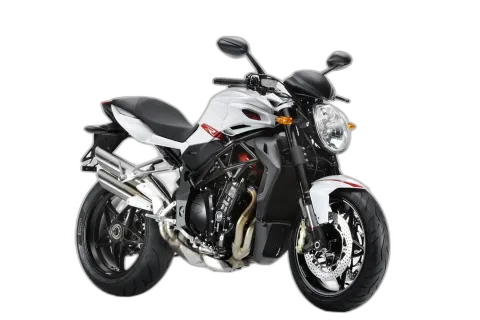
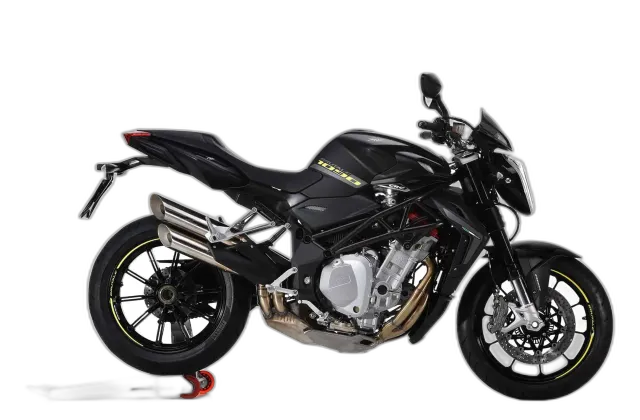
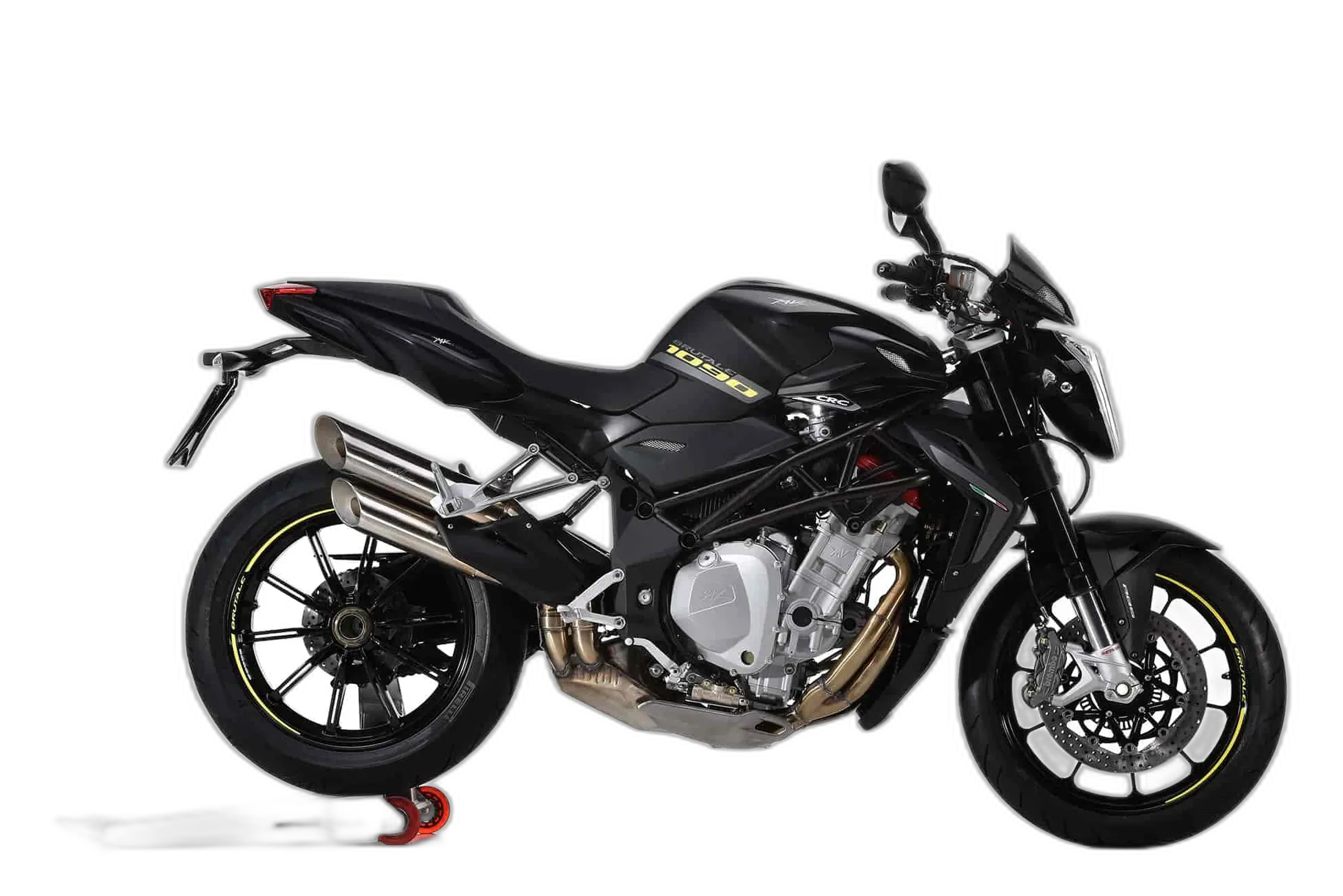
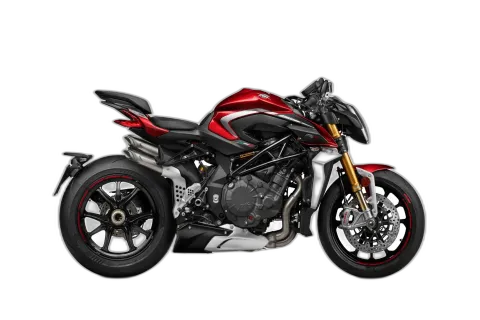
The Brutale 1090 RR builds on a 1078 cc inline-four from the F4 family, and MV never sanded the edges off it. Peak power is 158 hp at 11,900 rpm against 74 lb-ft at 8,100, so the real event lives high in the tach rather than down low. Around that engine sits a steel trellis frame, a single-sided swingarm and an upside-down fork, with fully adjustable suspension at both ends and a steering damper. Traction control and ride modes are standard, and this RR trim adds a slipper clutch. In the hyper naked class this is the emotional choice, not the sensible one.

At 463 lb wet, with a 32.7 in seat and a 56.3 in wheelbase, it feels compact and eager rather than heavy, and the riding position is roomier than the aggressive silhouette suggests. Aging is where you need to pay attention. Higher-mileage examples can develop a lean stumble, and some of these engines have lost a big-end bearing, which means a rebuild. Buy one with a proper service history and it rewards you every ride. Buy one on looks alone and it can get expensive fast. This is for riders who want intensity and accept the ownership bill that comes with it.

Hard Numbers

Spec sheets don't ride bikes, but they set the baseline.

Show full specs & equipment Hide specs & equipment
Key specifications
Power 158 hp (116 kW) @ 11,900 rpm
Torque 74 lb-ft (100 Nm) @ 8,100 rpm
Displacement 1078 cc
Engine Inline-four
Cooling Liquid-cooled
Gearbox 6-speed
Final drive Chain
Fork Upside-down (USD)
Front brake 320 mm
Front tire 120/70-17
Rear tire 190/55-17
Wheelbase 56.3 in (1430 mm)
Seat height 32.7 in (830 mm)
Wet weight 463 lb (210 kg)
Fuel capacity 6.1 gal (23 L)

Equipment check

Chassis

  • Front Suspension Adjustable Standard
  • Rear Suspension Adjustable Standard
  • Steering Damper Standard

Drivetrain

  • Slipper Clutch Standard

Safety

  • ABS Optional
  • Traction Control Standard
  • Ride Modes Standard

The Voice of Experience

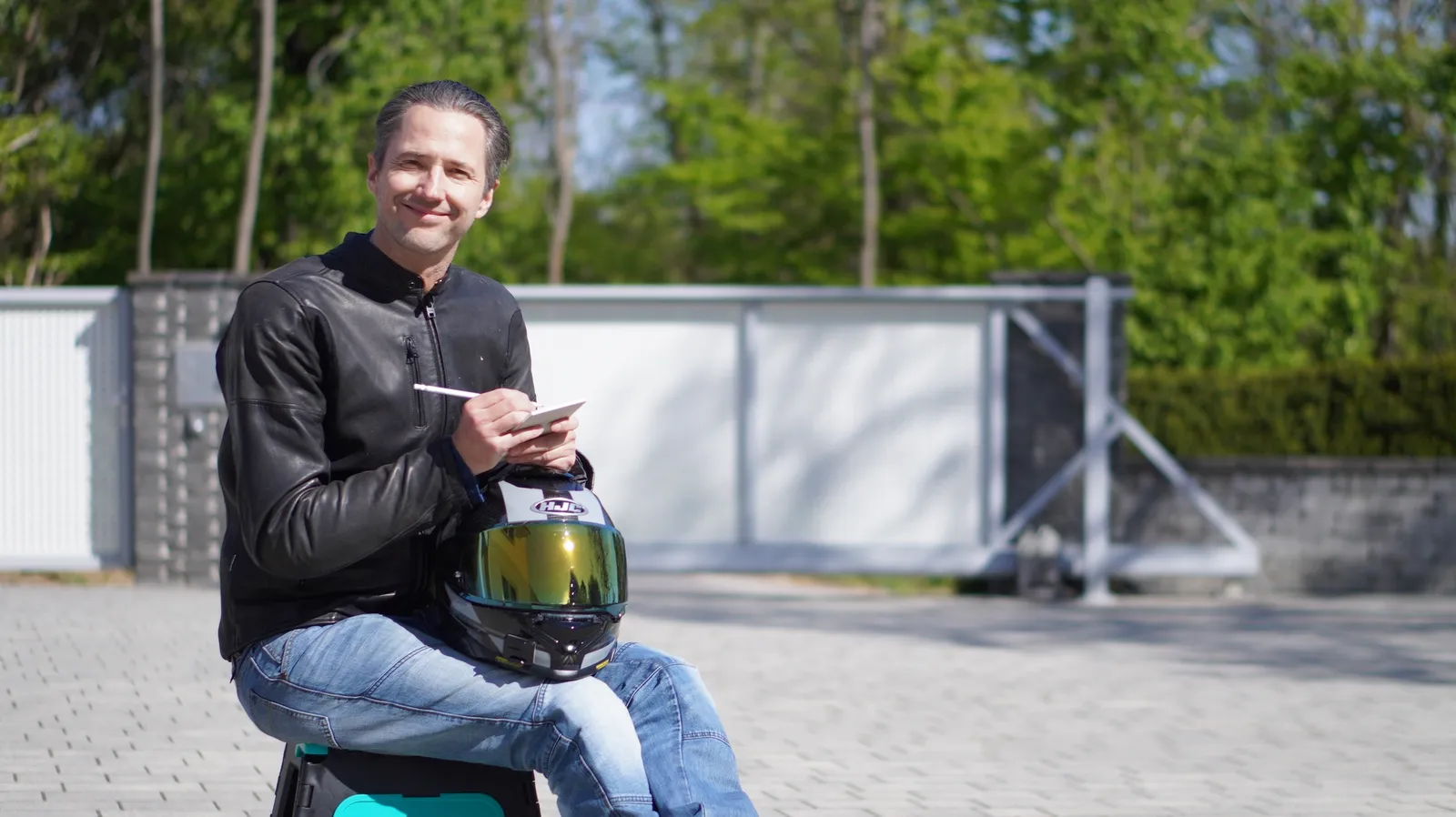
Portrait of NastyNils

The test ride

You hear it before you feel anything else. The intake noise near the top of the rev range is one of the great sounds in motorcycling, a hard metallic howl that comes up through the bars and into your helmet, and it is reason enough to ride past your turnoff home. A fine mechanical buzz reaches the pegs and grips, never numb, never dead, so the engine stays present in your hands the whole time. The bar is wide, the reach longer than the stance implies, and the seat sets you over the front wheel without folding your legs up. Your wrists stay light. At normal road speed the chassis keeps talking, asphalt texture and front tire load arriving in clear detail, and the 6.1 gal tank gives your knees something solid to brace against on a long day.

What the Brutale 1090 RR Adds — Differences vs the Standard Brutale 1090

The Brutale 1090 RR (MY2012-RR) builds on the standard Brutale 1090: the upgraded hardware, the key spec changes and where its character shifts. The full ride, specs, scoring and verdict are all right here on this page.

Equipment the RR adds vs the standard Brutale 1090

Now standard
Slipper Clutch

Hard spec differences

SpecStandard Brutale 1090RRΔ
Power 144 hp 158 hp +14 hp
Torque 83 lb-ft 74 lb-ft -9 lb-ft
Front brake 310 mm 320 mm +0.4 in (+10 mm)
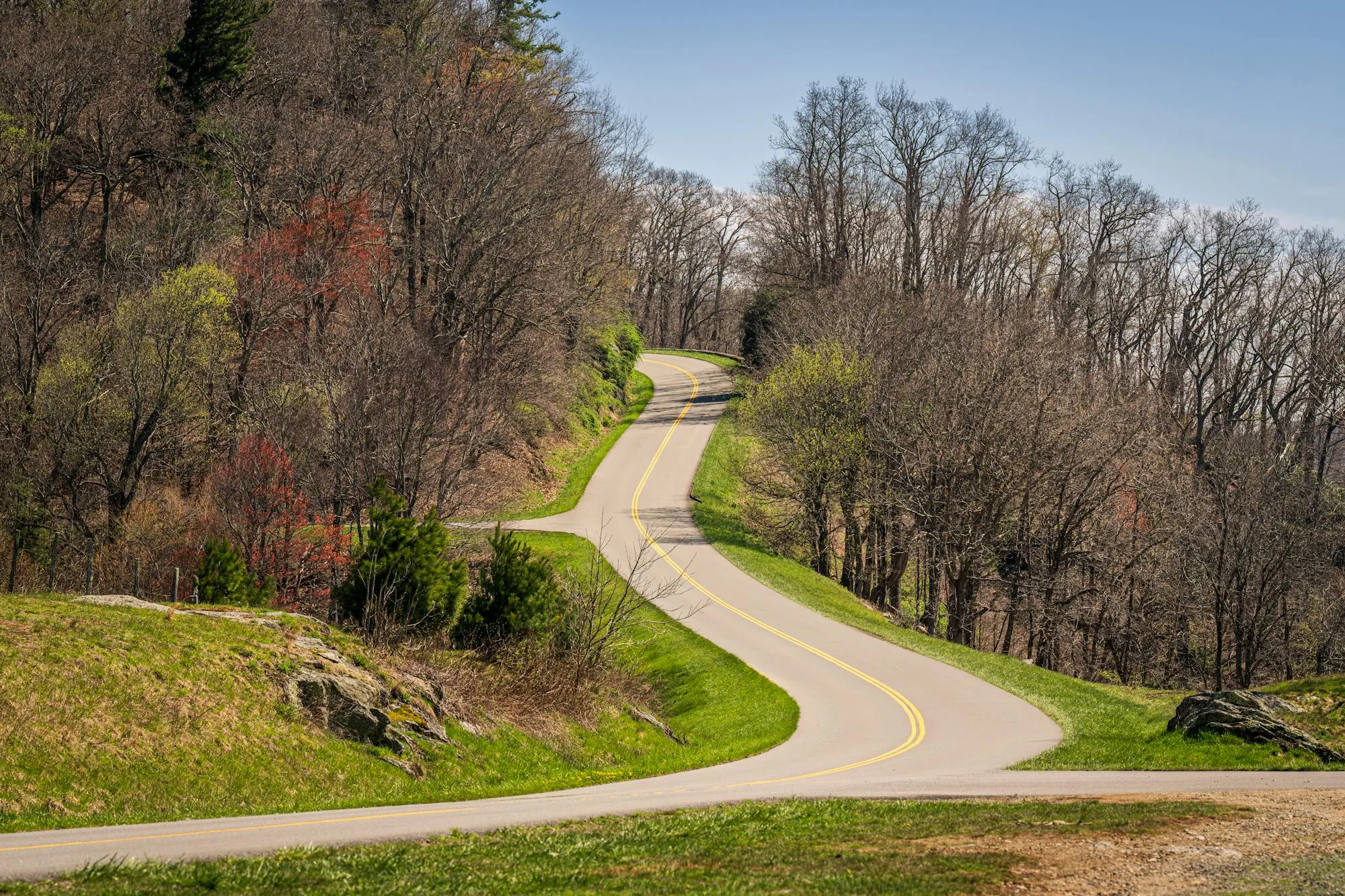
A winding asphalt road descending through the Appalachian Mountains, likely the famous Tail of the Dragon section in Tennessee and North Carolina. Multiple technical right-hand and left-hand curves are visible in this aerial perspective, surrounded by deciduous forest in spring foliage. Clear sunny conditions, well-maintained asphalt with yellow center lines marking the curves.
Mark Stebnicki / Pexels

The Truth on the Street

None of this came off a spec sheet. It's what has accumulated over years of listening to people who actually own these bikes: pit-lane conversations, riders I end up talking to at a coffee stop, club evenings, and the notes owners keep sending me directly. Pooled together, the picture on the Brutale is remarkably consistent. Riders are attached to this thing for reasons that have very little to do with practicality, and they name its frustrations without much argument.

The Reasons Nobody Sells Theirs

Ask an owner what they would change and the answer tends to start with what they wouldn't. The look comes up more than any other single subject: the trellis frame, the single-sided swingarm, the shape of the tank, the side-mounted exhaust. Riders talk about it as something they enjoy owning as an object, not only as a machine they ride. Close behind sits the motor. Owners describe a hard top-end rush and a snarling induction noise that arrives above 7,000 rpm and keeps building to the redline, and they are clear that this is where the bike actually lives. A smaller group raises the front end: quick steering, composure mid-corner when the pace is up, and enough feedback that they place the bike by intention rather than effort. A few add that the rider triangle is roomier than they expected once the ride runs long.

Where The Throttle Takes Learning

The most frequent gripe is fueling at small throttle openings. Owners describe a jerky initial pickup down low that has them working the clutch deliberately in traffic, and although later ECU updates softened it, riders still bring it up unprompted. Some report the same trait sharpened in the Race setting, where the connection reads as on or off with little in between, improved in one case by a reflash. Gearing belongs to the same conversation. First through third sit so tightly stacked that low speeds never let you settle into a gear, and fitting taller final gearing comes up often enough that owners treat it as the standard answer rather than an experiment.

The Bill That Comes With It

Running costs are the other constant. Parts carry a premium over what riders are used to paying, and routine service wants someone with specific knowledge of the machine, which lands on the invoice. Availability is the harder part. Owners report waiting months for components, with dealer support thin on the ground, which is how a small fault keeps a bike parked. Seat comfort draws its own steady set of complaints: thin, angled forward, and good for roughly an hour before riders start hunting for a position, with aftermarket replacements a common fix. Set against that, owners raise the fuel capacity themselves. It runs larger than the class norm and gives genuine distance between stops, which is why some of them cover real mileage on it regardless.

Known issues

  • Connecting rod bearing failure

    engine rare

    A few owners have reported a sudden change in engine noise followed by metal debris in the oil, traced to big-end bearing failure. Repair requires an expensive engine rebuild.

  • Throttle hesitation and stumble

    fuel system occasional

    Higher-mileage bikes can develop a lean stumble on initial throttle opening, often due to fouled throttle bodies or sensor degradation.

  • Sprag clutch / starter failure (earlier models)

    engine occasional

    Some 2010‑2012 Brutale 1090s exhibit a noisy or failing sprag clutch, leading to intermittent starter engagement. Requires replacement of the sprag gear and housing.

  • Snatchy throttle / erratic low‑rpm fuelling

    fuel system common

    Many owners report a jerky, on‑off throttle response at small openings, particularly in Normal mode. Can cause surging in town and makes smooth U‑turns difficult. Fixed by ECU reflash on later examples.

The Expert Benchmark

Where this MV Agusta Brutale 1090 pulls ahead of — or falls behind — its rivals on the numbers, and the typical bike in its class on character.

What kind of bike this is — character vs. the class

This bike Class average

The shape of the MV Agusta Brutale 1090 — numbers and character vs. the average Hyper Naked

Head-to-head: MV Agusta Brutale 1090 vs. its rivals

The Handshake Score

Forget spec-sheet bragging. Here's who the Brutale 1090 is actually built for.

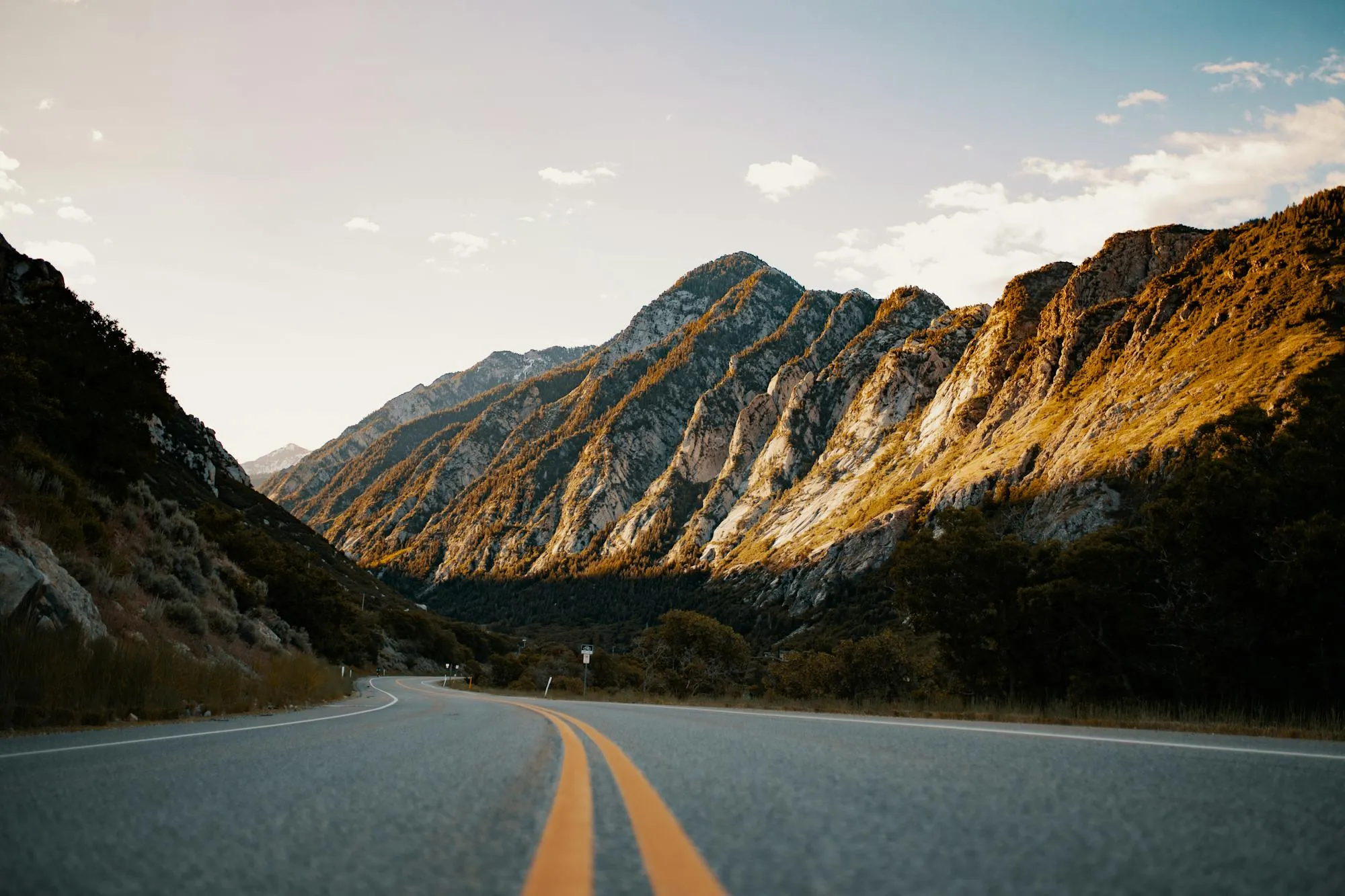
A scenic view of Angeles Crest Highway winding through rugged Southern California canyon terrain. Rocky mountainsides with golden earth tones frame the asphalt road with tight sweeping curves. Double yellow center line visible, sparse vegetation along the shoulders, clear blue sky with white clouds. Daylight, dry conditions. Iconic location for canyon-road enthusiasts.
Josh Sorenson / Pexels

Best motorcycle for Texas Hill Country?

Ideal for a Saturday loop on the good roads, far less happy on long straight transit stages. Ride it for the ride itself and the Brutale earns its keep every mile.

Made for Austin / Texas Hill Country · Twisted Sisters · Austin / Handbuilt Motorcycle Show
Best motorcycle for Angeles Crest?

Angeles Crest is exactly where this bike makes sense. It rewards a rider who commits, and the payoff on a clean canyon run is intensity few machines get near. Accept the traffic crawl there and back.

Made for Angeles Crest Highway · Coronado Trail / US 191 · Highway 1 / Big Sur

Best motorcycle for Tail of the Dragon?

The tightest, slowest Dragon corners will expose the snatchy fueling before they show off the engine. On the faster Cherohala and Blue Ridge stretches it comes properly alive.

Made for Back of the Dragon · Blue Ridge Parkway · Cherohala Skyway

Alternatives to the MV Agusta Brutale 1090

If this one isn't quite the fit, these are the bikes worth riding back-to-back against it.

Any price note compares both bikes at the same age — the youngest age both have on the used market — against this MV Agusta Brutale 1090. “cheaper/pricier” is what that bike costs second-hand, not how worn it is.