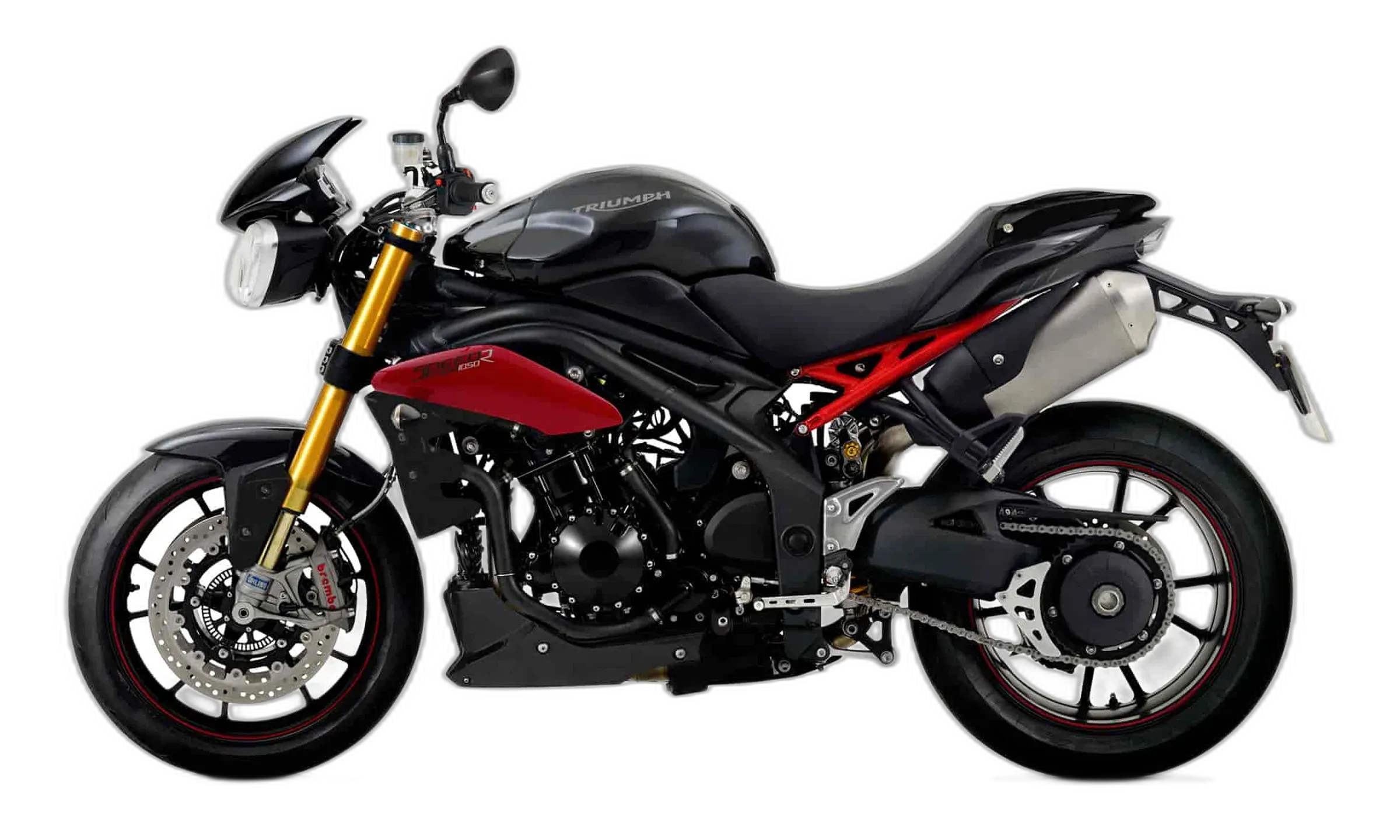

Triumph Speed Triple R (MY2012) — Naked Bike
Triumph Press

2012–2015 · Naked Bike · Buyer's Guide

Speed Triple R (MY2012)

Race Precision With A Plate

The Machine's Character

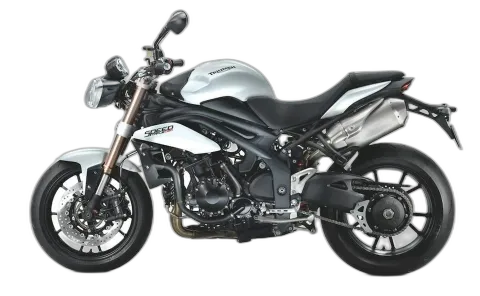
The R version of the Speed Triple takes the 1050 cc triple and wraps it in hardware that changes what the bike is for. Öhlins at both ends, radial Brembo monoblocs, forged wheels: this is a naked bike built around chassis quality rather than a bigger number on the dyno. The triple makes 133 hp and 82 lb-ft, and the way it delivers that torque matters more than the peak. Suspension is fully adjustable front and rear from the factory. There is no traction control and no ride modes here. What you get instead is mechanical feedback and a chassis that answers every input.

This is a bike for a rider with technique. It rewards clean inputs and it tells you plainly when yours are not, which is exactly why skilled riders keep coming back to it. At 487 lb wet with a 32.5 in seat, it carries its mass low enough to feel light in the hands, and 4.6 gal at 34 mpg gives you a usable weekend range. The honest caveat sits in the gearbox: shifting stays notchy, neutral can hide from you, and one recall covered a transmission that could jump out of gear on certain 2012-2013 ABS bikes. The stator is the known weak point to check before you buy.

Hard Numbers

Spec sheets don't ride bikes, but they set the baseline.

Show full specs & equipment Hide specs & equipment
Key specifications
Power 133 hp (99 kW)
Torque 82 lb-ft (111 Nm)
Displacement 1050 cc
Engine Inline-three
Cooling Liquid-cooled
Gearbox 6-speed
Final drive Chain
Fork Upside-down (USD)
Front brake 320 mm
Front tire 120/70-17
Rear tire 190/55-17
Seat height 32.5 in (825 mm)
Wet weight 487 lb (221 kg)
Fuel capacity 4.6 gal (17.5 L)
Fuel economy 34 mpg (US)

Equipment check

Chassis

  • Front Suspension Adjustable Standard
  • Rear Suspension Adjustable Standard

Safety

  • ABS Optional

The Voice of Experience

Portrait of NastyNils

The test ride

The first thing that registers is the handlebar. Width and height land exactly where your hands want them, so your arms and shoulders load up naturally and you stop thinking about the cockpit within a mile. There is no settling-in period on this bike. The triple fills the space around you with that hard, mechanical induction noise as the revs climb, and it comes through the pegs and the tank as texture rather than buzz. At real road pace the whole machine feels tight and lightly strung. Load a footpeg, feed in a small push at the bar, and the line moves. After a long day the memory is not of fighting anything. It is of a bike that did what you asked, immediately, every time, and left the tires as the only thing needing attention.

Rated point by point — where it earns its keep

My own 0–100 score for this bike against the class, area by area — the marker on each bar is the class average.

The wheels do the heavy lifting here. Very little mass actually comes off, but all of it is spinning, and at road speed the effect is far bigger than the scale suggests. The bike falls into a corner with a snap the standard wheels never gave me. Fast direction changes tell the same story. In a tight chicane the back end stays settled, so I can commit to the entry line instead of steering the bike through the switch. What that sharpness costs shows up when I brake hard. The rear unloads and starts to wander, and a lazy rev match on the downshift makes it worse in a hurry. The clutch is modulated well enough to gather it back up, but only if I stay deliberate about it. Heavy hands on the throttle get the same treatment. It never threw me anywhere, it just answers back. This chassis is a precision instrument and it wants to be ridden like one.

Changing my line costs almost nothing. Weight a peg, add a light push at the bar, and the bike goes where I want without protest, exactly as I planned it going in. That is the mark of a chassis cooperating rather than one being wrestled. A full day at Jerez settled the question for everyone in the group. The composure and the way it answers a deliberate mid-corner input do not belong to a quick street naked. This is competition hardware wearing a license plate.

Reach for the front lever at the end of a long straight and the answer comes instantly. The bite is hard and the bike stops properly, with no vague first part of the stroke to ride through before anything happens. What I value just as much is how clearly it reports back. I always know what the front tire is doing, so I can lean on the brakes with real confidence instead of feeling my way toward the limit.

Open the throttle at corner exit and it simply goes. No surge, no stumble, nothing to ride through before the drive arrives, and the spread of torque is wide enough that I stop thinking about which gear I'm in. For the road, this motor is judged exactly right. My one reservation is comparative. Riders who had spent the morning on open-class machinery felt what was missing lifting the bike off a slow apex, and an R on the tank invites that measurement. Out on public roads it never enters the picture.

A press day is about as hard a day as this kind of machine gets. A big international group, everyone riding flat out, nobody saving anything for later. When the last session ended, the mechanics had one item on the list: fresh tires and a wash. Nothing went down, nothing let go, and there was no mechanical trouble anywhere in the fleet. Sessions like that usually find a weak spot. This bike didn't hand them one.

There are bikes I need a week with before the cockpit stops nagging at me. This one asked for nothing. The bar sits at the width and height a rider who actually intends to work the front end would pick, so my arms and shoulders take load naturally instead of bracing against the machine. It was right on the first lap out, and I never went looking for a different setting.

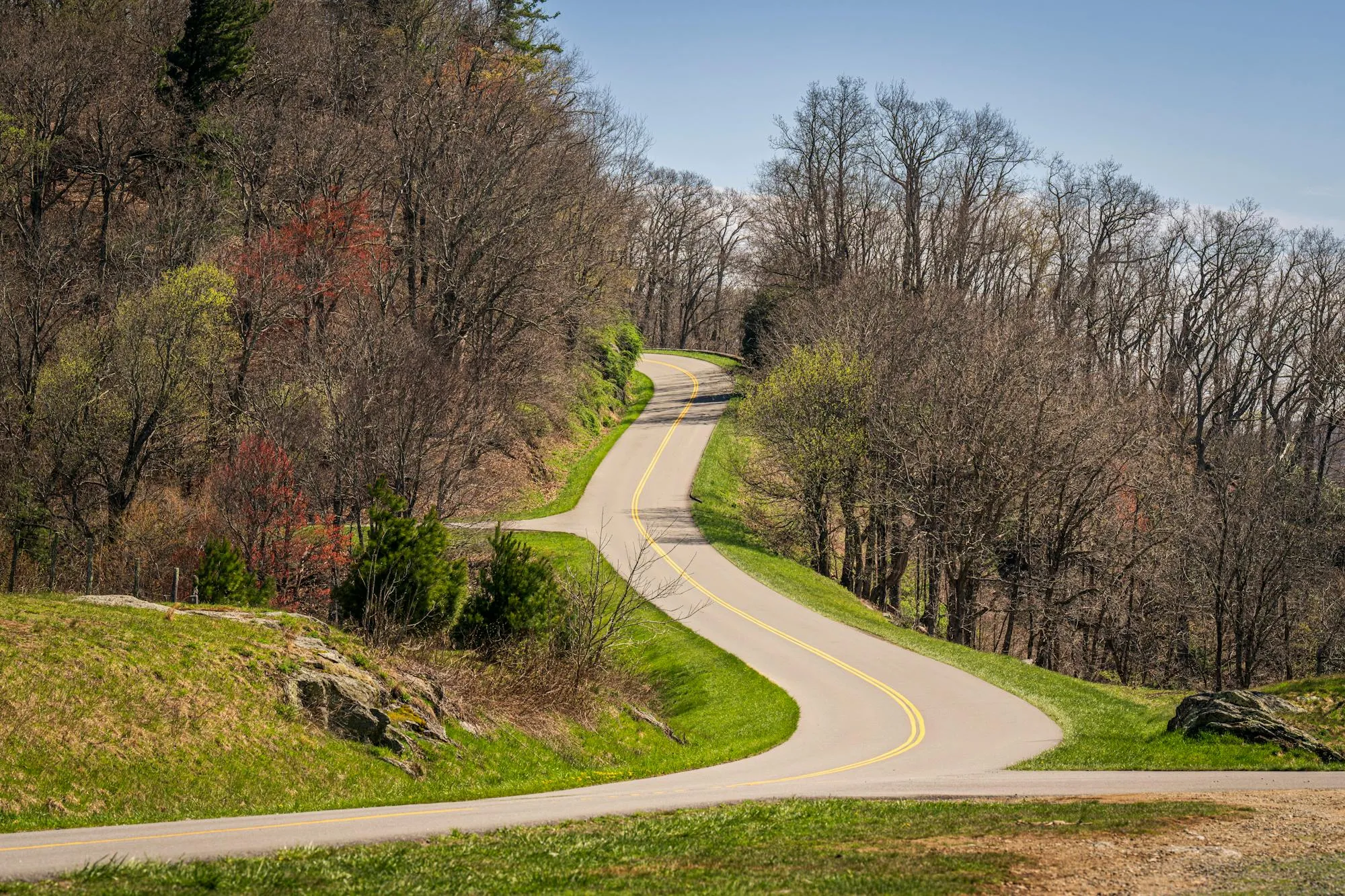
A winding asphalt road descending through the Appalachian Mountains, likely the famous Tail of the Dragon section in Tennessee and North Carolina. Multiple technical right-hand and left-hand curves are visible in this aerial perspective, surrounded by deciduous forest in spring foliage. Clear sunny conditions, well-maintained asphalt with yellow center lines marking the curves.
Mark Stebnicki / Pexels

The Truth on the Street

Known issues

  • Transmission may slip gears (recall on certain 2012‑2013 ABS models)

    drivetrain rare Recall

    NHTSA campaign 13V-212: on some 2012-2013 Speed Triple ABS motorcycles, the transmission may have been built with an incorrect detent spring, which could cause it to shift out of gear while moving. Affected bikes require a dealer inspection and detent spring replacement.

  • Notchy and imprecise gear shifting

    drivetrain common

    Even after the gearbox redesign, the transmission remains clunky; riders report rough up‑shifts, occasional missed gears and a neutral that can be hard to find, especially when pushing hard.

  • Stator failure

    electrics occasional

    The stator (alternator) is prone to overheating and burning out, a known weakness across the Speed Triple 1050 family. Symptoms include battery not charging and eventual breakdown.

  • Spark plug fouling

    engine occasional

    Some owners report that the engine can foul spark plugs, leading to misfires and rough running. The cause is often a rich fuel mixture and may be exacerbated by short trips or poor servicing.

The Expert Benchmark

Where this Triumph Speed Triple R pulls ahead of — or falls behind — its rivals on the numbers, and the typical bike in its class on character.

What kind of bike this is — character vs. the class

This bike Class average

The shape of the Triumph Speed Triple R — numbers and character vs. the average Naked Bike

Head-to-head: Triumph Speed Triple R vs. its rivals

The 'Should I Buy It?' Score

Forget spec-sheet bragging. Here's who the Speed Triple R is actually built for.

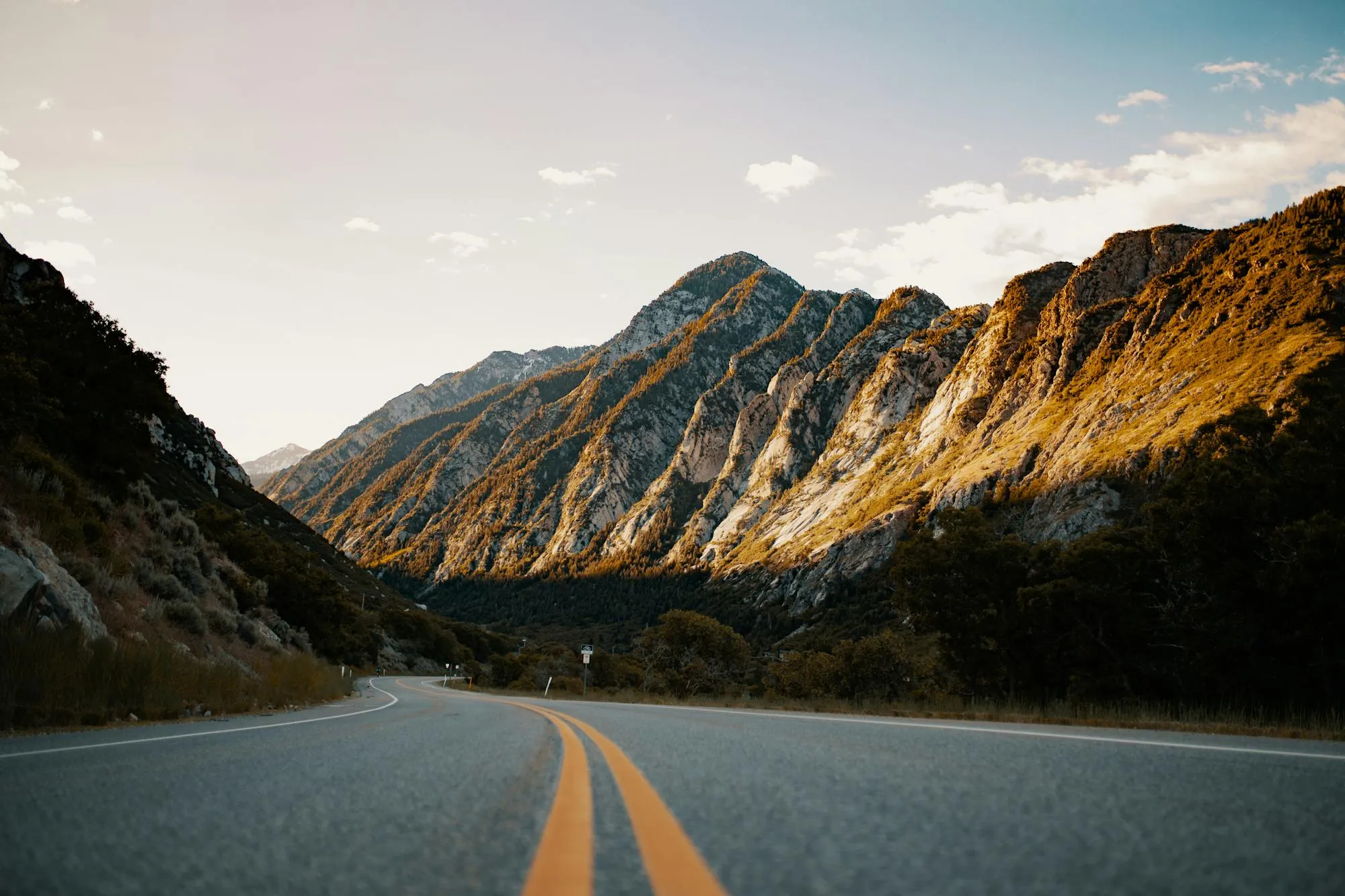
A scenic view of Angeles Crest Highway winding through rugged Southern California canyon terrain. Rocky mountainsides with golden earth tones frame the asphalt road with tight sweeping curves. Double yellow center line visible, sparse vegetation along the shoulders, clear blue sky with white clouds. Daylight, dry conditions. Iconic location for canyon-road enthusiasts.
Josh Sorenson / Pexels

Best motorcycle for Angeles Crest?

This is the bike your Angeles Crest weekends are asking for. It turns in fast, holds a line under pressure, and the torque means you're never hunting for a gear between corners.

Made for Angeles Crest Highway · Coronado Trail / US 191 · Highway 1 / Big Sur
Best motorcycle for Tail of the Dragon?

On tight, repeating corners it rewards precise inputs and shows you honestly where yours fall short. If you ride the Dragon to get better rather than faster, this bike is a good teacher.

Made for Back of the Dragon · Blue Ridge Parkway · Cherohala Skyway

Alternatives to the Triumph Speed Triple R

If this one isn't quite the fit, these are the bikes worth riding back-to-back against it.

Any price note compares both bikes at the same age — the youngest age both have on the used market — against this Triumph Speed Triple R. “cheaper/pricier” is what that bike costs second-hand, not how worn it is.