
Ducati 749 (MY2005-S) — Supersport
Ducati Press

2005–2006 · Supersport · A variant of the 749

749 S (MY2005-S)

Differences between the standard 749 and the S

4 / 5 NastyNils Rating · against its class

Italian Sound, Razor Corners

The Machine's Character

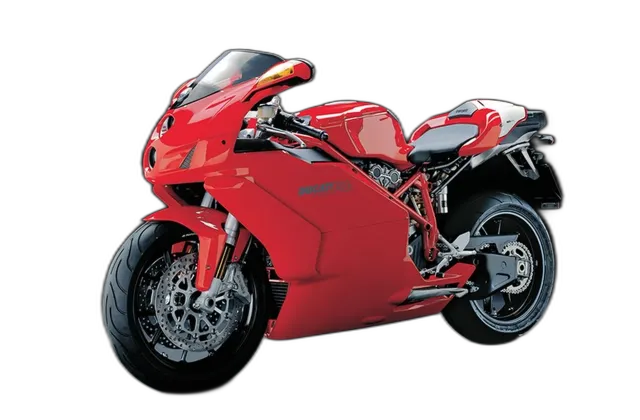
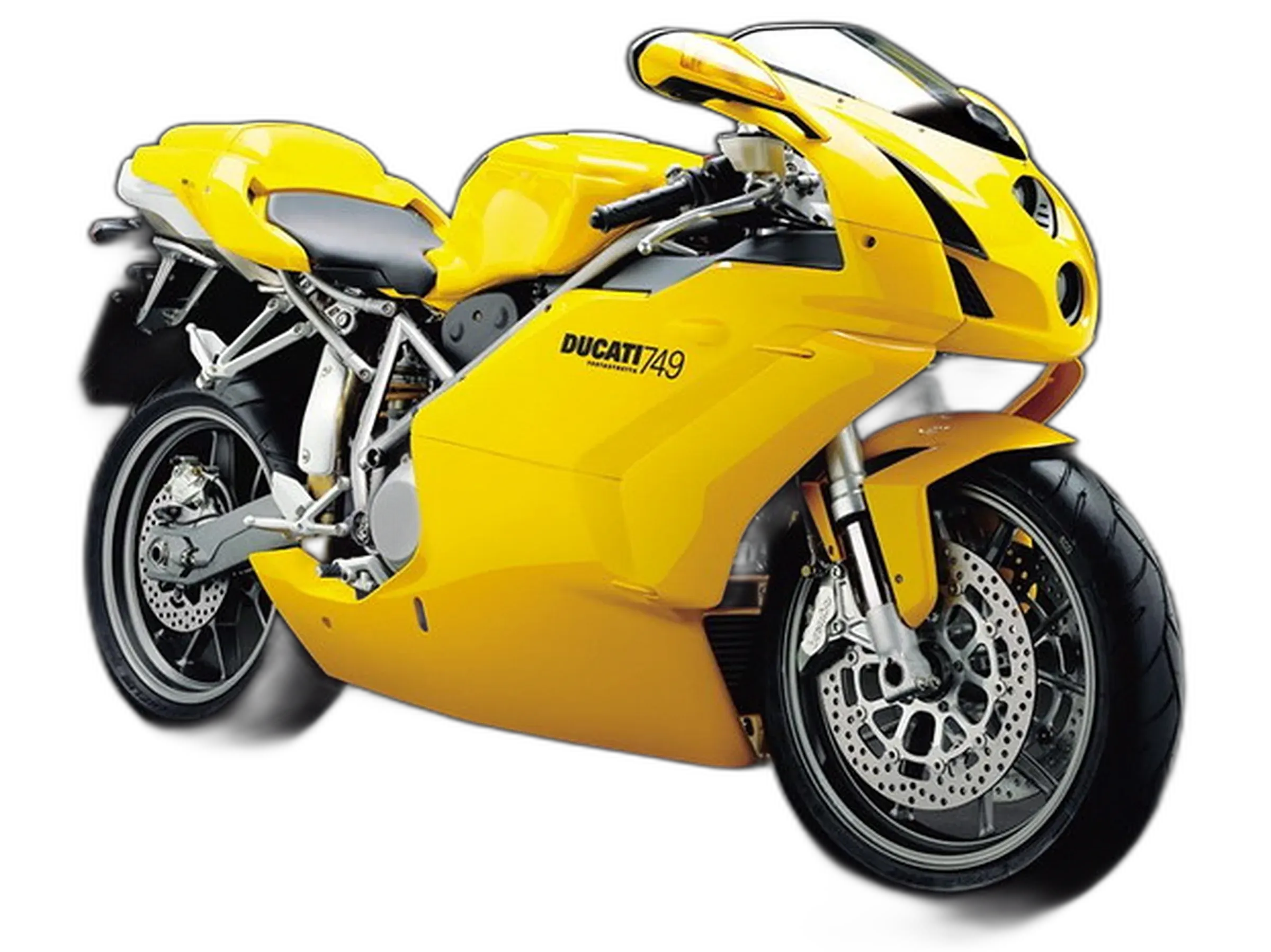
The 749 S is a middleweight supersport built around a 748 cc Testastretta L-twin with desmodromic valve gear, good for 116 hp at 10,500 rpm and 61 lb-ft at 8,500 rpm. The engine hangs in a red steel trellis frame with a black box-section swingarm, and this trim comes with fully adjustable Showa suspension at both ends plus a steering damper. At 439 lb (199 kg) wet on a 55.9 in (1,420 mm) wheelbase it's compact and sharp-edged, and its real talents are cornering ones: huge lean clearance, clear feedback and high-speed stability. As for the electronics list: there isn't one.

On the road it's more tractable than the looks suggest, but it rewards committed inputs: ride it with intent and it answers with precision. It's a bike for experienced riders who want a purely mechanical machine and enjoy setting up suspension themselves, and the aftermarket for it is enormous. The caveat is twofold. There's no ABS, no traction control and no slipper clutch, so every mistake is yours. And the electrics need attention as it ages: relays, regulator/rectifier, stick coils and the harness behind the battery box all want watching, and monoposto subframes and the aluminum sidestand bracket can crack. Buy with open eyes!

Hard Numbers

Spec sheets don't ride bikes, but they set the baseline.

Show full specs & equipment Hide specs & equipment
Key specifications
Power 116 hp (85 kW) @ 10,500 rpm
Torque 61 lb-ft (82 Nm) @ 8,500 rpm
Displacement 748 cc
Engine L-twin
Cooling Liquid-cooled
Gearbox 6-speed
Final drive Chain
Fork Upside-down (USD)
Front brake 320 mm
Front tire 120/70-17
Rear tire 180/55-17
Wheelbase 55.9 in (1420 mm)
Seat height 30.7 in (780 mm)
Wet weight 439 lb (199 kg)
Fuel capacity 4.1 gal (15.5 L)

Equipment check

Chassis

  • Front Suspension Adjustable Standard
  • Rear Suspension Adjustable Standard
  • Steering Damper Standard

What the 749 S Adds — Differences vs the Standard 749

The 749 S (MY2005-S) builds on the standard 749: the upgraded hardware, the key spec changes and where its character shifts. The full ride, specs, scoring and verdict are all right here on this page.

Hard spec differences

SpecStandard 749SΔ
Power 108 hp 116 hp +8 hp
Torque 59 lb-ft 61 lb-ft +1 lb-ft
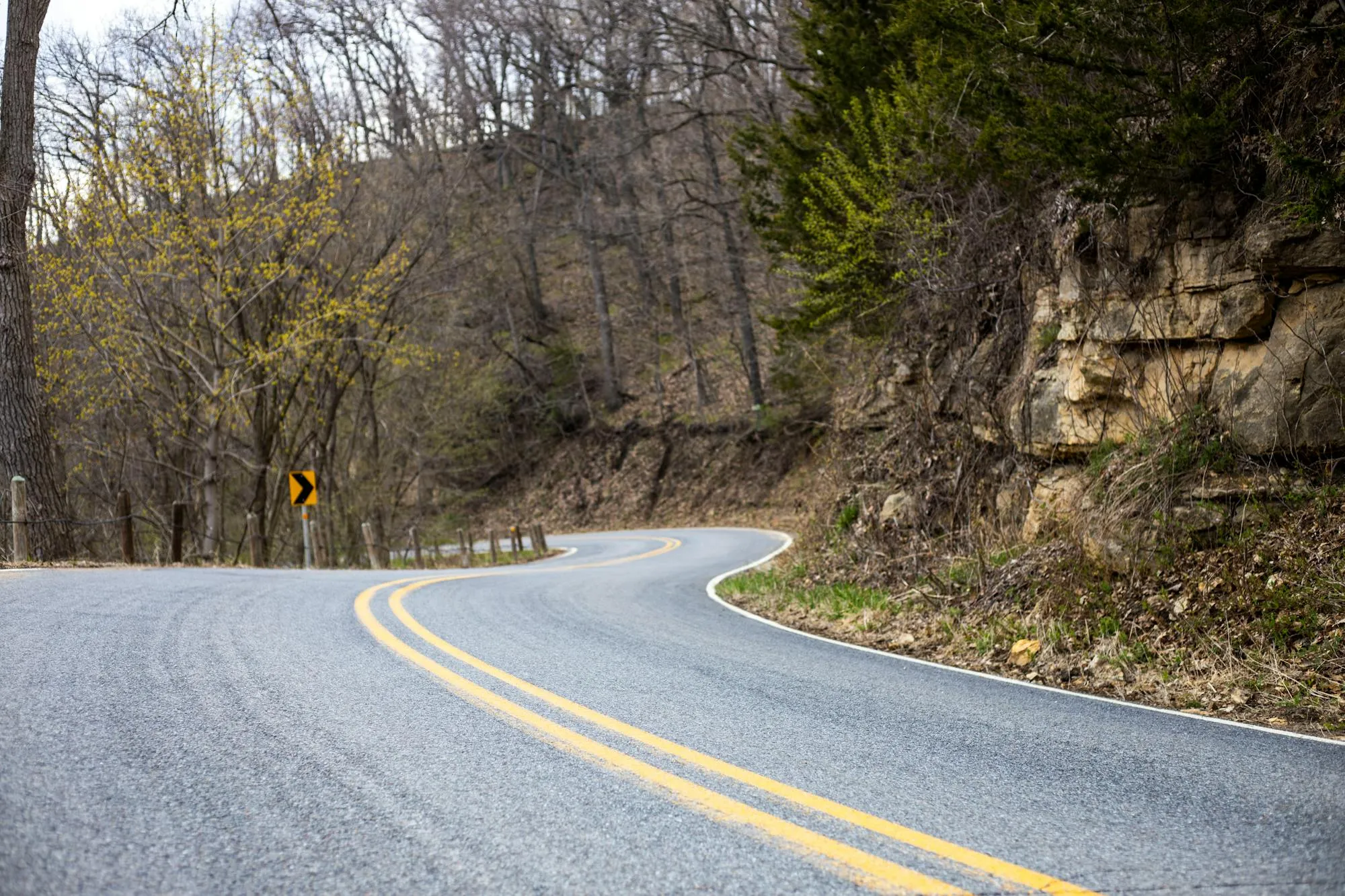
A winding two-lane asphalt road in the Appalachian mountains, photographed in dry daylight. Yellow double-center line markings guide through a series of tight left-hand curves. Dense deciduous and evergreen forest flanks both sides; a rock cut is visible on the right. The road surface and geometry suggest a technical, high-traffic riding corridor popular with motorcyclists.
Chris Flaten / Pexels

The Truth on the Street

I've spent years listening to what riders tell me about their bikes: in the paddock, at club nights, in owner chats and in the emails and messages that land in my inbox. For the Ducati 749, that chatter splits cleanly in two. Riders praise the engine, the brakes and the steering, and they complain about upkeep, electrics and comfort.

A twin that loves revs

The engine comes up first in almost every conversation. Riders describe a flexible mid-range that pulls hard, followed by a top-end rush all the way to the redline, and they say it pushes you to ride with spirit. The brakes get nearly as much praise: owners consistently report strong stopping power from the Brembo setup, with excellent feel. Then there's the steering. Turn-in is described as razor sharp, and riders say the bike feels lighter and more nimble than its weight suggests. Some owners also bring up the looks: the single-scoop fairing and black wheels give it a presence nobody mistakes for a Japanese rival. It stands out.

What the upkeep asks of you

The most repeated gripe is maintenance. Owners point to valve checks every 6,000 miles (about 9,650 km) and belt replacements every two years, and they call the upkeep labor-intensive and expensive next to Japanese competitors. Riders who do their own wrenching say they're at an advantage. Electrical trouble is the other recurring story, and what owners describe is the symptom: a bike that intermittently refuses to start, or stalls. It keeps coming up.

An hour, then it hurts

Comfort complaints are just as consistent. Riders say the committed forward lean and high footpegs bring discomfort after an hour or two, and a few add that the firm seat doesn't help. The common line is that this is a bike for twisty roads, not for distance. Some owners also mention a heavy clutch pull: you need a strong left hand, and stop-and-go riding gets tiresome quickly. Traffic is hard work.

Known issues

  • Cracked monoposto subframe

    chassis rare

    On monoposto (single-seat) models, the aluminum subframe can develop cracks over time, posing a potential safety risk if the tail section detaches.

  • Sidestand shear

    chassis rare

    The aluminum sidestand bracket can fatigue and break, causing the bike to tip over when parked.

  • ECU failure (rare)

    electrics rare

    Isolated reports of the engine control unit failing without warning, requiring a costly replacement.

  • Relay failure (fuel pump/headlight)

    electrics occasional

    The fuel pump and headlight relays are known to fail, causing intermittent stalling or refusal to start. Replacement with higher-quality units is a common fix.

  • Wiring harness corrosion

    electrics occasional

    The section of the main wiring harness located behind the battery box is susceptible to corrosion, leading to erratic electrical behavior and intermittent faults.

  • Ignition coil failure due to moisture ingress

    electrics occasional

    The stick coils mounted on the spark plugs can suffer moisture ingress, causing corrosion and misfires, particularly after washing or riding in wet conditions.

  • Regulator/rectifier failure

    electrics occasional

    The voltage regulator/rectifier may fail, leading to charging system problems and potential battery drain.

  • Sidestand shearing

    chassis rare

    The aluminum sidestand can crack or shear off, especially if the bike is leaned heavily or knocked over.

The Expert Benchmark

Where this Ducati 749 pulls ahead of — or falls behind — its rivals on the numbers, and the typical bike in its class on character.

What kind of bike this is — character vs. the class

This bike Class average

The shape of the Ducati 749 — numbers and character vs. the average Supersport

Head-to-head: Ducati 749 vs. its rivals

The Handshake Score

Forget spec-sheet bragging. Here's who the 749 is actually built for.

A scenic view of Angeles Crest Highway winding through rugged Southern California canyon terrain. Rocky mountainsides with golden earth tones frame the asphalt road with tight sweeping curves. Double yellow center line visible, sparse vegetation along the shoulders, clear blue sky with white clouds. Daylight, dry conditions. Iconic location for canyon-road enthusiasts.
Josh Sorenson / Pexels

Best motorcycle for Angeles Crest?

On a fast canyon road the precision and the sound are exactly what you're after. In the city traffic on the way there, the committed stance makes you earn it.

Made for Angeles Crest Highway · Coronado Trail / US 191 · Highway 1 / Big Sur
Best motorcycle for Laguna Seca?

Lean clearance, feedback and fully adjustable suspension make it a real tool for learning lines and setup. Just know there's no traction control, ABS or slipper clutch to catch you.

Made for Barber Motorsports Park · WeatherTech Raceway Laguna Seca · Circuit of the Americas