·

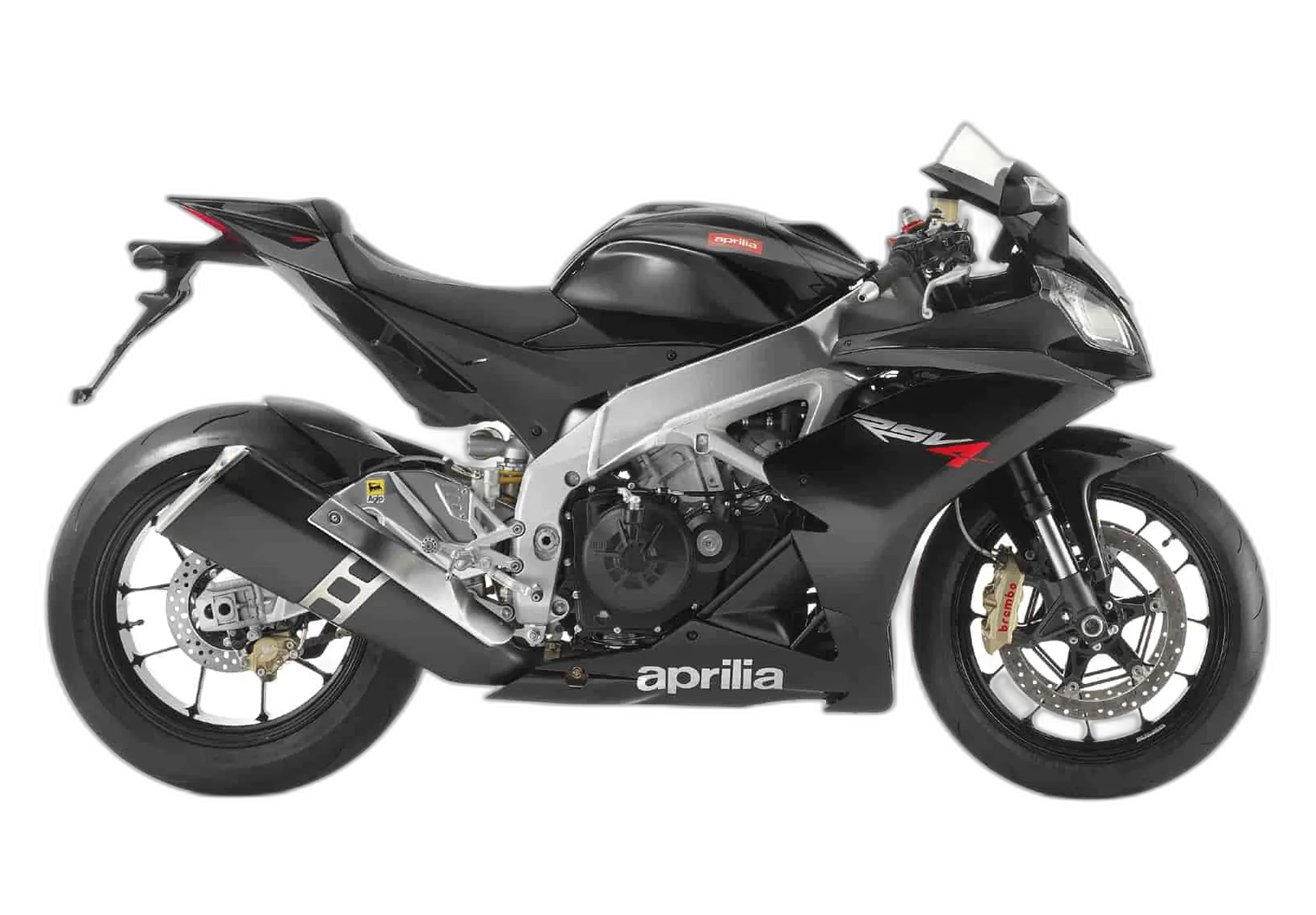
Aprilia RSV 4 R (MY2010) — Supersport
NastyNils / Aprilia Press

2010–2013 · Supersport · Buyer's Guide

RSV 4 R (MY2010)

Italian V4 Turns In First

The Machine's Character

The RSV4 R runs a compact 65° V4, 1000 cc making 180 hp at 12,500 rpm, and it wears its racing lineage openly. The chassis came straight out of Aprilia's Superbike program, and it shows in how light and precise the bike feels for a liter machine. Ride modes let you meter the power to conditions, but make no mistake about the intent. This is a track tool that happens to carry plates, built around speed, front-end feel, and the kind of feedback that keeps you honest at pace.

Ridden hard, it rewards commitment more than it forgives mistakes. The V4 builds progressively and pulls harder the longer you hold a gear, so it flatters a rider who reads corners well. Where it asks for patience is ownership: it runs without traction control, the riding position stays uncompromising over a long day, and the temperament is sharp rather than mellow. Early engines were subject to a connecting rod recall, so confirm the work was done on any bike you're considering. Buy it for what it is, a focused weapon, and it delivers.

Hard Numbers

Spec sheets don't ride bikes, but they set the baseline.

Show full specs & equipment Hide specs & equipment
Key specifications
Power 180 hp (132 kW) @ 12,500 rpm
Torque 85 lb-ft (115 Nm) @ 10,000 rpm
Displacement 1000 cc
Engine V4
Cooling Liquid-cooled
Gearbox 6-speed
Final drive Chain
Fork Upside-down (USD)
Front brake 320 mm
Front tire 120/70ZR17
Rear tire 190/55ZR17
Wheelbase 55.9 in (1420 mm)
Seat height 33.3 in (845 mm)
Wet weight 463 lb (210 kg)
Fuel capacity 4.5 gal (17 L)

Equipment check

Chassis

  • Front Suspension Adjustable Standard
  • Rear Suspension Adjustable Standard
  • Steering Damper Standard

Drivetrain

  • Slipper Clutch Standard

Safety

  • Ride Modes Standard

The Voice of Experience

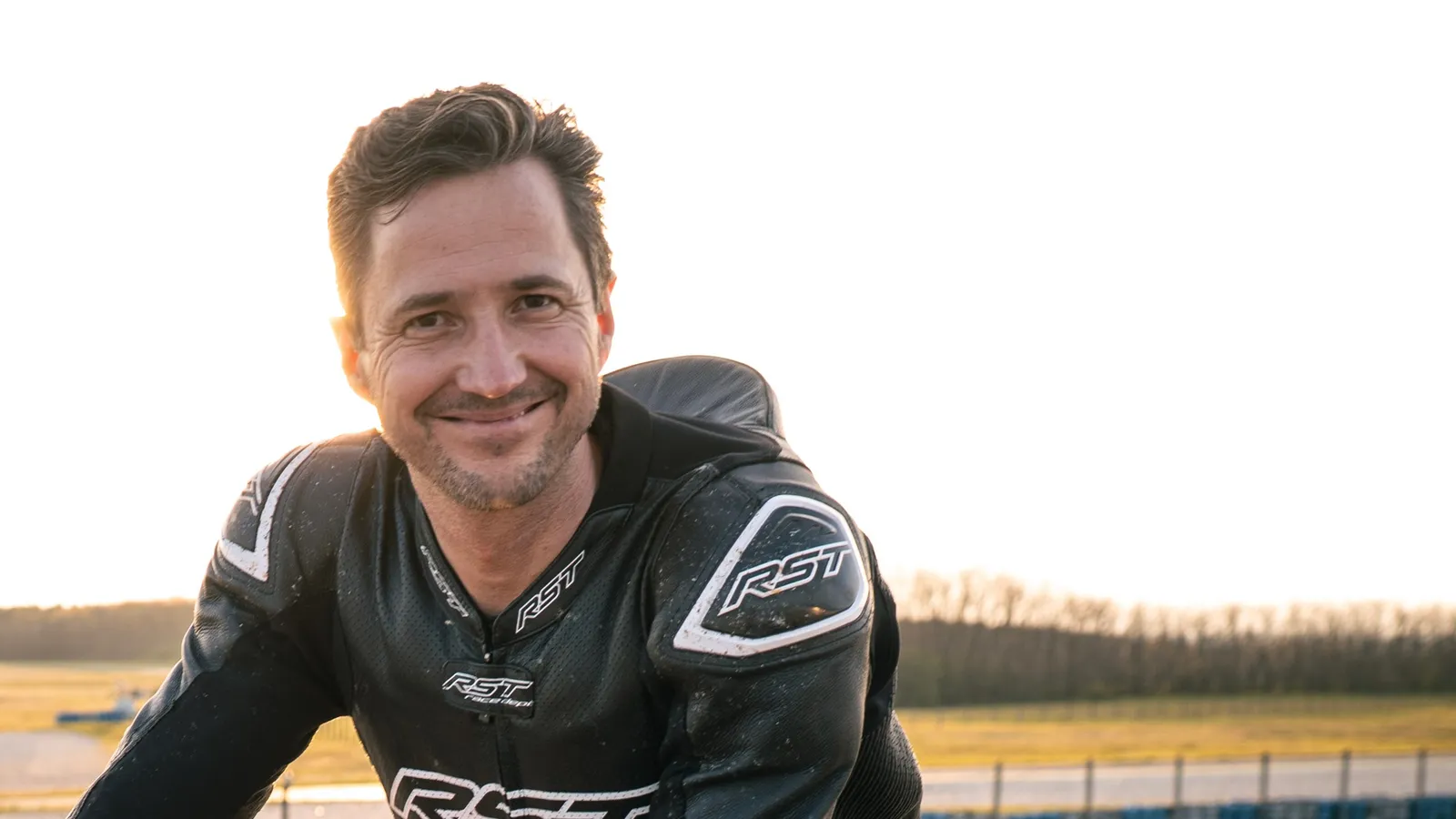
Portrait of NastyNils

The test ride

Thumb the starter and the V4 clears its throat with a hard, mechanical bark that never gets old; the engine sound alone is a genuine reason to own one. At road pace the vibrations run across the whole rev range, enough that one long stint tells you whether you're sensitive to them. The position is track-radical, and a full day in it works your wrists and neck harder than any street bike should. The clutch lever tells you almost nothing about the friction zone, which takes getting used to in traffic. The exhaust sits low and close to your leg, so slow going on a hot day gets warm fast. At sustained highway speed the fairing gives you very little to hide behind. This bike makes its priorities plain the moment you leave the good roads.

Rated point by point — where it earns its keep

My own 0–100 score for this bike against the class, area by area — the marker on each bar is the class average.

This is the quality my riders reached for first whenever they tried to explain the bike. One press on the bar and it's already rotating, none of the lazy pause while a heavy liter machine gathers itself. It sets a line the instant you ask and holds it clean, and across a full field of testers nothing else in the class matched how quickly it changed direction. Corner entry isn't one trait among many here. It's the thing the whole machine is built around.

What ties it together for me is how honestly the paddock breeding shows up on ordinary road. Drop into the seat and the circuit mindset is already waiting, no warm-up needed to coax it out. Running every rider through it at Motorland Aragón, the blend of sporting intent, chassis, and engine character pulled clean approval from all of them, not one dissenting mark. That kind of agreement is rare in my testing, and it tells me the pieces work as a single machine instead of a fast bike bolted together from separate ideas.

The stopping power itself gives me nothing to complain about. I can leave the lever late, haul it down deep, and the hardware answers every time. What I have to stay on top of is the back end. More of my group flagged the tail going nervous under a hard trail-brake than anything else on the sheet, four of fifteen. Load it into a corner and the rear wants to wander, and calming it down means committing to tire compound and shock settings. With geometry this pointed, that's a trait you manage for good, never one you tune out.

The V4's character for me is patience. It won't dump everything the moment I crack the throttle. It gathers as the revs climb, so the payoff goes to the rider who holds a taller gear instead of snatching the next one. Three of my testers picked that progressive delivery out on their own. It runs right through the temperament of the whole bike, a curve that ramps up rather than pouncing, and that's what keeps this much output feeling like it's on your side.

Everything about living with this bike tells you where its head is. I'm fine in the saddle for a short blast, but stretch that to a full day and the riding stance quits being sporty and turns into labor, and my taller testers logged it as a firm ceiling rather than personal taste. The clutch keeps me guessing too, since the lever reports almost nothing about where the bite actually sits. Heat is the next thing you notice: the pipe rides low and near your shin, so a hot afternoon in stop-and-go warms up in a hurry. Push the pace on the highway and the bodywork offers little cover, with a taller screen only shaving the worst gust off. A steady buzz runs through the bike at every rpm as well, and how much it bothers you swings hard from one rider to the next, so put in some real miles before you commit.

For daily reality the thing I keep landing on is what's missing rather than what's there: no traction control. It simply isn't fitted, and on a motor this eager and this pointed, that absence rewrites what you're taking on. The second grip drops off, holding the rear in line falls to your throttle hand and your read of the surface, with nothing sitting behind you. Plenty of rivals would shoulder part of that. This one puts the whole job in your lap and expects a rider ready to take it.

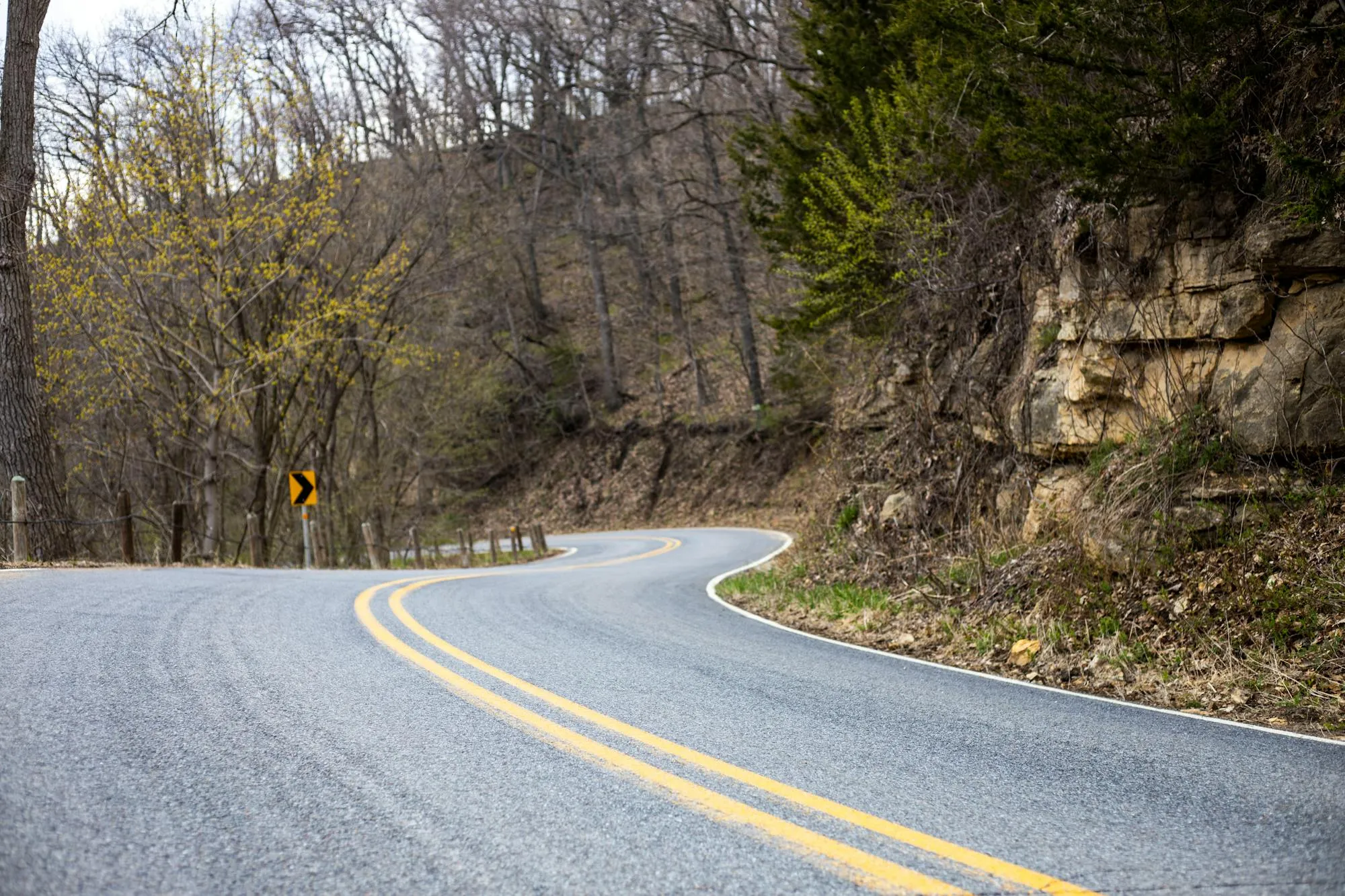
A winding two-lane asphalt road in the Appalachian mountains, photographed in dry daylight. Yellow double-center line markings guide through a series of tight left-hand curves. Dense deciduous and evergreen forest flanks both sides; a rock cut is visible on the right. The road surface and geometry suggest a technical, high-traffic riding corridor popular with motorcyclists.
Chris Flaten / Pexels

The Truth on the Street

Known issues

  • Connecting rod failure (recall)

    enginerareRecall

    Early-production engines had defective connecting rods that could fail catastrophically. Aprilia issued a recall (NHTSA campaign #10V385000) to replace entire engines on affected RSV4 R and Factory models.

  • Gearbox wear (especially with quickshifter use)

    drivetrainrare

    The cassette‑type gearbox can wear prematurely, with reports of damaged second and sixth gears. The problem is exacerbated when an aftermarket quickshifter is fitted, as the transmission was not originally designed for clutchless upshifts.

  • Cam chain tensioner sticking/rattling

    engineoccasional

    The hydraulic cam chain tensioner can stick, causing a persistent rattle on cold startup. In some cases the tensioner needs replacement; Aprilia updated the part multiple times over the production run.

  • Valve cover gasket leaks

    engineoccasional

    Oil weeping from the valve cover gasket is a common complaint, usually requiring replacement of the gasket. Several owners on forums report this as a minor but persistent issue.

The Expert Benchmark

Where this Aprilia RSV 4 R pulls ahead of — or falls behind — its rivals on the numbers, and the typical bike in its class on character.

What kind of bike this is — character vs. the class

This bike Class average

The shape of the Aprilia RSV 4 R — numbers and character vs. the average Supersport

Head-to-head: Aprilia RSV 4 R vs. its rivals

The Handshake Score

Forget spec-sheet bragging. Here's who the RSV 4 R is actually built for.

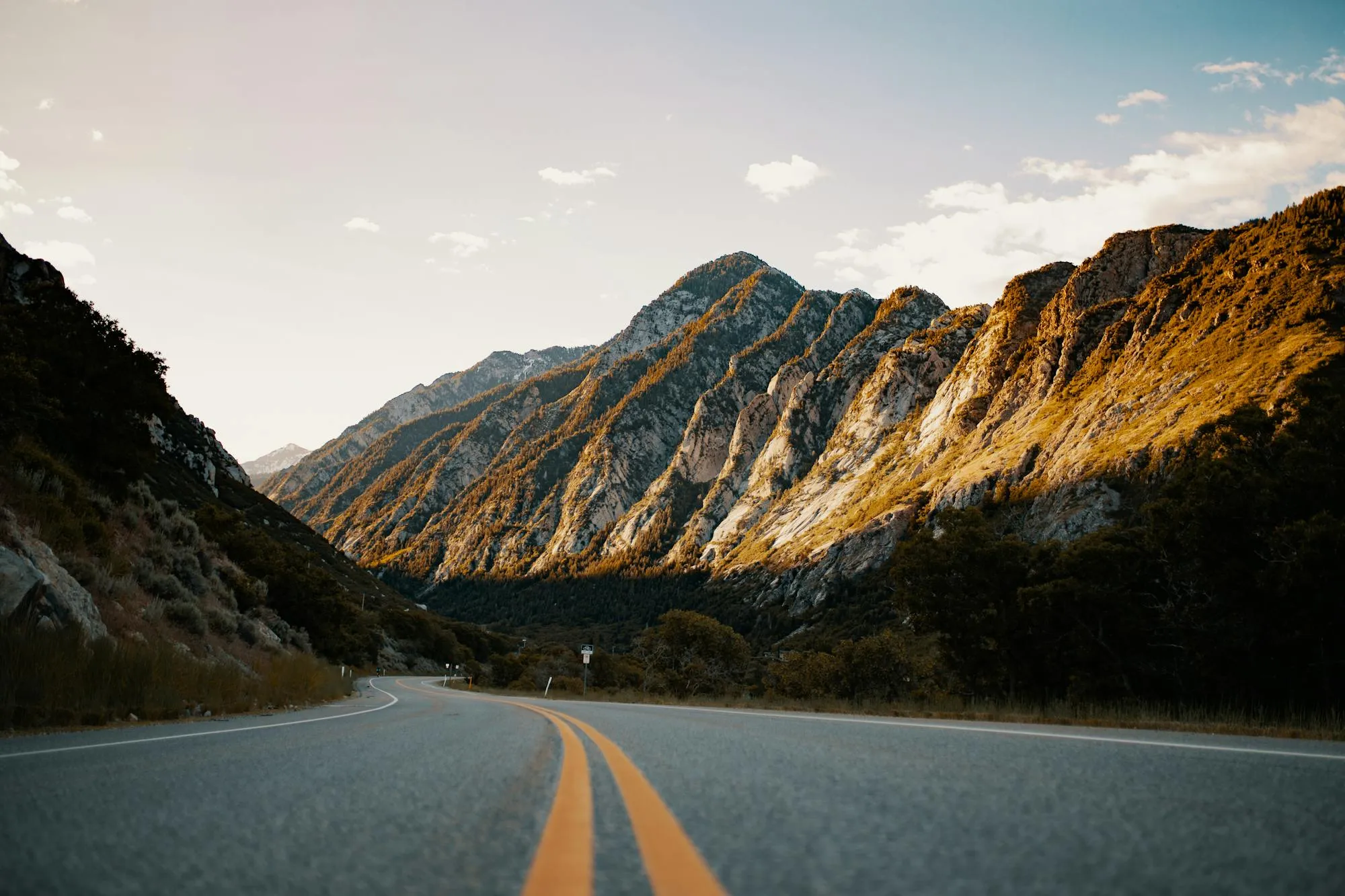
A scenic view of Angeles Crest Highway winding through rugged Southern California canyon terrain. Rocky mountainsides with golden earth tones frame the asphalt road with tight sweeping curves. Double yellow center line visible, sparse vegetation along the shoulders, clear blue sky with white clouds. Daylight, dry conditions. Iconic location for canyon-road enthusiasts.
Josh Sorenson / Pexels

Best motorcycle for Angeles Crest?

This is your kind of tool on Angeles Crest: instant turn-in, monster lean angle, brakes you can lean on. Just respect that it has no traction control when the pace and the road get real.

Made for Angeles Crest Highway · Coronado Trail / US 191 · Highway 1 / Big Sur
Best motorcycle for Tail of the Dragon?

Made for technical twisties where skill beats speed. Two cautions for the Dragon: the rear can step out if you trail the brakes hard, and with no traction control, cold or damp mornings put it all on you.

Made for Back of the Dragon · Blue Ridge Parkway · Cherohala Skyway

Best motorcycle for Laguna Seca?

On a closed circuit this is exactly where it wants to live. The radical ergonomics that punish street riders make sense between sessions, and the front-end feel pays off lap after lap.

Made for Barber Motorsports Park · WeatherTech Raceway Laguna Seca · Circuit of the Americas

Alternatives to the Aprilia RSV 4 R

If this one isn't quite the fit, these are the bikes worth riding back-to-back against it.

Any price note compares both bikes at the same age — the youngest age both have on the used market — against this Aprilia RSV 4 R. “cheaper/pricier” is what that bike costs second-hand, not how worn it is.