Honda VFR800X Crossrunner (RC60) — Sport Tourer
NastyNils / Honda Press

2011–2014 · Sport Tourer · Buyer's Guide

VFR800X Crossrunner (RC60)

V4 Scream in Upright Clothes

The Machine's Character

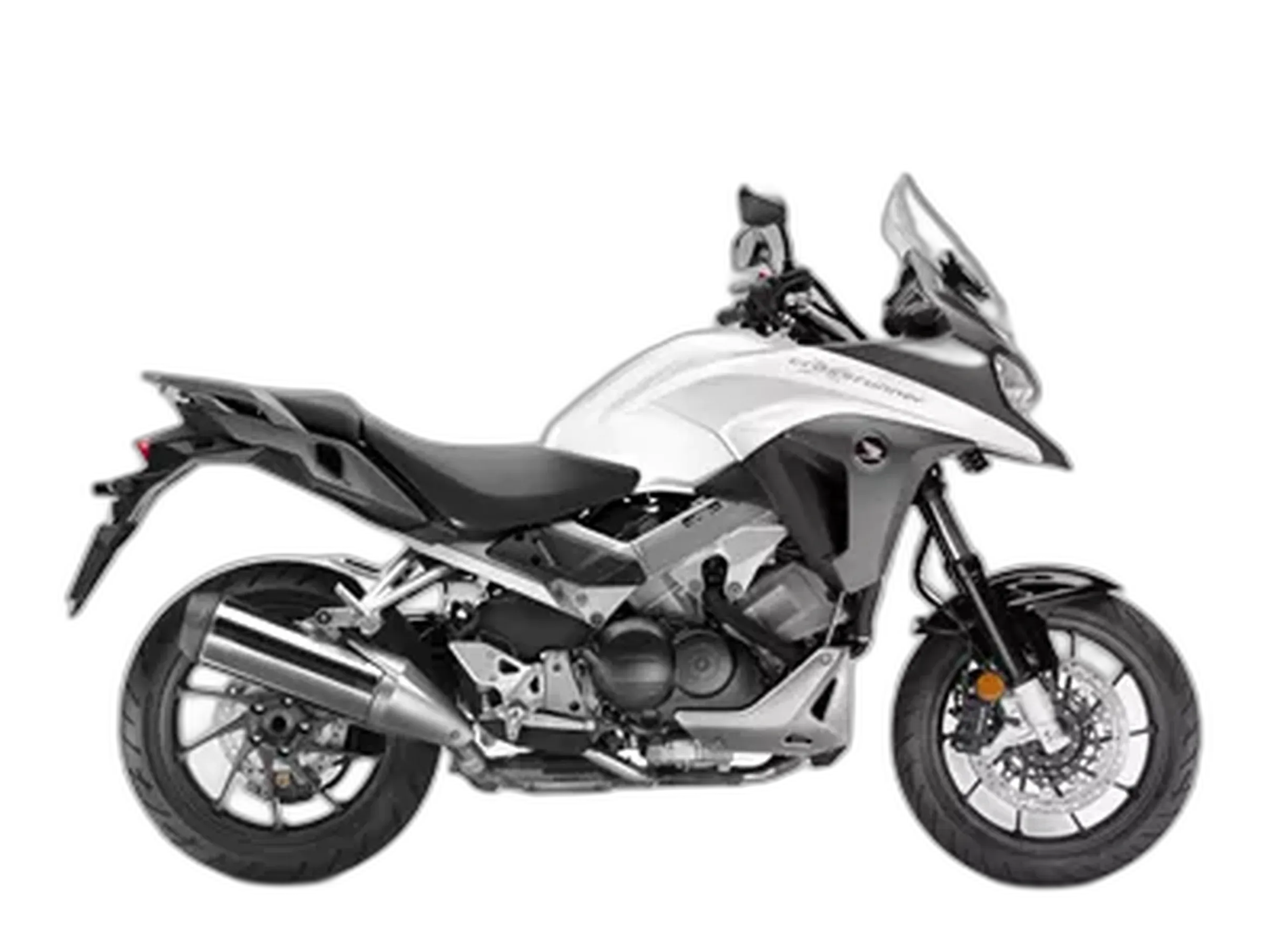
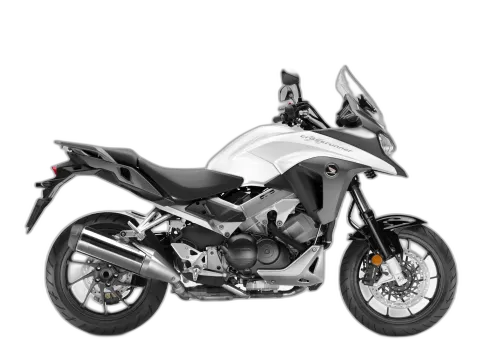
The Crossrunner takes Honda's VTEC V4 and stands it upright, and that one decision defines the whole bike. Where this class leans on parallel-twins, the 782 cc V4 revs like it came out of a race program, pulling cleanly down low before climbing to a hard, race-bred top end that has no business sitting under high bars. Honda spent the development budget on chassis balance, and it shows. The 101 hp runs through a composed, planted frame that still turns in willingly at 529 lb. It reads as one machine built to cover commuting, back roads, and loaded touring without picking a side.

On the road it rewards you right away. New riders settle in within the first few miles, and experienced riders find a bike that stays planted in fast sweepers and holds its line when grip goes patchy. The V4 is the kind of motor that runs indefinitely with proper service, and the build quality holds up over the years. The honest caveat is ergonomics. The riding position splits the difference between a naked bike and an adventure-tourer, so the knee angle tightens over a long day and neither camp gets everything it wants. Know that going in and the trade reads as fair.

Hard Numbers

Spec sheets don't ride bikes, but they set the baseline.

Show full specs & equipment Hide specs & equipment
Key specifications
Power 101 hp (74 kW) @ 10,000 rpm
Torque 53 lb-ft (72 Nm) @ 9,500 rpm
Displacement 782 cc
Engine V4
Cooling Liquid-cooled
Gearbox 6-speed
Final drive Chain
Fork Telescopic
Front brake 310 mm
Front tire 120/70-17
Rear tire 180/55-17
Seat height 32.1 in (815 mm)
Wet weight 529 lb (240 kg)
Fuel capacity 5.7 gal (21.5 L)

Equipment check

Chassis

  • Front Suspension Adjustable Standard
  • Rear Suspension Adjustable Standard

Comfort

  • Heated Grips Optional

Safety

  • ABS Standard

The Voice of Experience

Portrait of NastyNils

The test ride

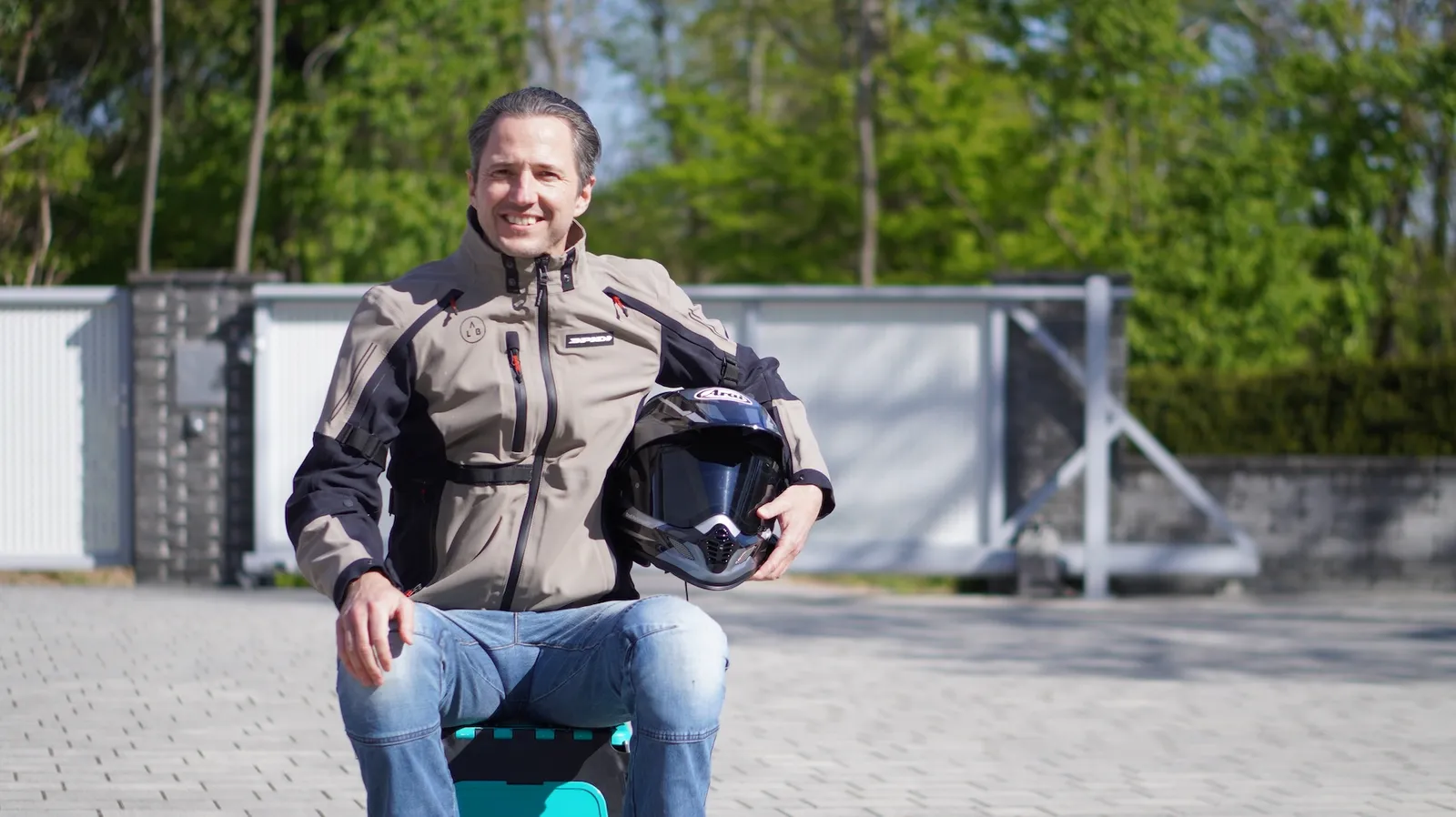
Thumb the starter and the first surprise is acoustic. At full throttle the V4 puts out a raw, hoarse wail completely at odds with the relaxed seating position and wide bars, the sort of noise you expect from a supersport, not a commuter. Your hands sit at a natural reach and the gearbox answers every input cleanly, no missed gates, the clutch and controls all intuitive. The stock screen, shaped by real wind tunnel time, keeps highway blast off your chest without the taller optional unit. Two things nag at you in the saddle. The tachometer washes out in direct sun until you can barely read it, and after a few hours the knee angle starts pressing back on you. The plastic trim around the cluster looks cheap, too, next to that aluminum single-sided swingarm.

Rated point by point — where it earns its keep

My own 0–100 score for this bike against the class, area by area — the marker on each bar is the class average.

The hardware here is genuinely strong, and haul it down hard from real speed and the bike stays flat and settled rather than diving and squirming. My reservation is entirely about the control philosophy. Squeeze one lever and the system quietly brings the other in for you, which is fine day to day but takes away your ability to set the front-to-rear balance yourself. Ride with deliberate, independent inputs and you'll feel the setup working against you instead of with you.

Push it on a technical road and the Crossrunner does something its category rivals can't: it lets you keep the engine spinning high through a run of tight corners while the frame underneath never loses its composure. That pairing of a properly sporty top end with a settled, easygoing chassis shouldn't coexist as well as it does. It's playful with it, too. The front end comes up without much coaxing and stays there happily, because the power simply refuses to taper off.

Handling is clearly where Honda concentrated its engineering effort, and the reward shows up in how little the bike demands of you. It turns with an easy, honest neutrality: aim it into a corner and it simply goes, none of the twitchiness of something over-eager and none of the reluctance of something heavy and slow to change direction. What wins me over most is its behavior when the tarmac turns messy. Where the surface breaks up and traction comes and goes between corners, the chassis stays legible beneath you, the messages clear enough that you trust them and hold your pace instead of easing off. That same composure is what makes it such a broad-appeal machine. A skilled rider can lean on it and it answers in kind, while someone still finding their feet gets a bike that reads as predictable and unhurried rather than something to be wary of. Getting both out of a single chassis is a rarer trick than it seems.

The thing that nags at me on a bike this openly aimed at touring is the rear preload. There's no hydraulic adjuster anywhere on it, so every time I move from solo to two-up, or from a light load to a fully packed one, I'm digging out a hook wrench and finding some patience. It isn't a job you knock out at a fuel stop, and on a machine carrying this much long-haul intent, leaving that adjustment fully manual sits a step behind where the rest of the bike lives. The seating gives a little ground too, asking a quiet compromise that only reveals itself the longer you stay aboard rather than in the first ten minutes. Neither point sinks the thing, but together they mark comfort as the area where the Crossrunner most plainly admits it was drawn to juggle several jobs instead of nailing one.

This is the reason you buy the thing, and it gets to you in a way no spec sheet warns you about. Wind it out and the four just keeps building past the point every instinct is telling you to change up, with the strongest, most vocal part of the whole rev sweep waiting right at the top. On an upright, easy-sitting machine that is a genuinely strange thing to have underneath you, and it never quite stops feeling like you're getting away with something. The one honest asterisk is the mid-range VTEC handover. The extra power lands as a distinct kick rather than a smooth build, and though the timing repeats cleanly enough that you learn to ride through it, that sharpness can catch you out depending on how you ride and what's under your tires. Sort out its rhythm and it recedes. It's the lone trait stopping a superb motor short of seamless.

The motor itself is about as close to a non-issue as this class gives you, so long as it's kept to schedule, and the record from high-mileage owners backs that up without much argument. The real reliability conversation lives in two specific spots. The first is the charging setup on the earliest bikes, where the stator is the known soft point. You'll usually get a warning first, a battery that no longer wants to hold a full charge, and catch it there and the repair stays sensible; miss it and you'll learn about it at the roadside. The second is the valve inspection. It falls due rarely, but the labor behind it runs deep enough that the invoice lands with real weight, and I've watched owners push that service further out than the manual specifies, trusting the valvetrain to shrug it off. I follow the logic. I still wouldn't put my name to it as advice.

The one-bike-for-everything idea is easy to promise and hard to deliver, and this is one of the few that actually gets close. Ask it to commute, run a weekend loop, or carry luggage for a proper trip and no single one of those roles feels like the afterthought. My one grumble is the missing center stand, which you have to order separately. On a bike with real touring in its brief, making routine chain upkeep more awkward than necessary is a strange omission.

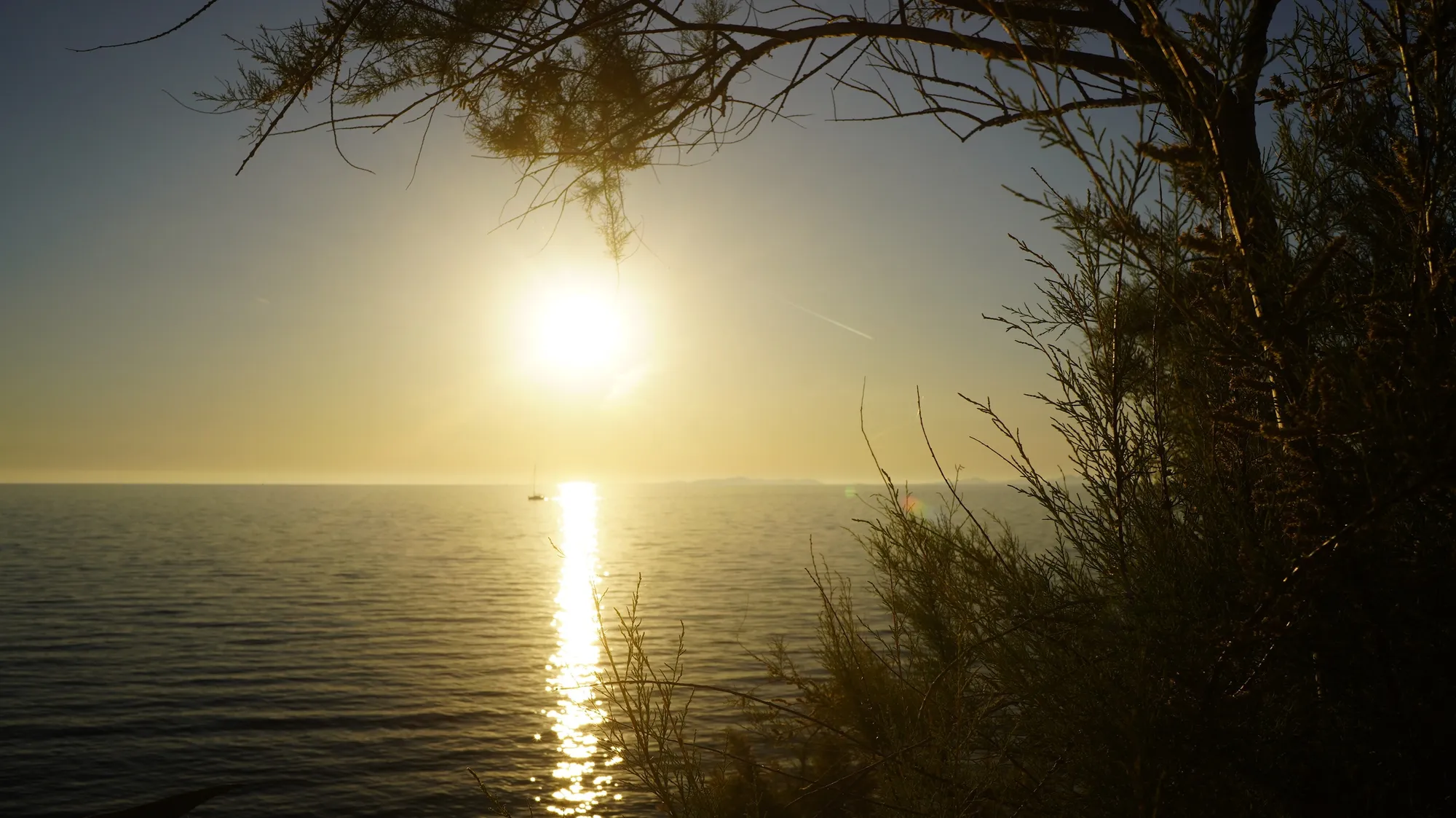
Sunset over the Adriatic Sea near Primosten, Croatia. Golden hour light bathes calm water in warm tones, with a small sailboat on the distant horizon. Rocky vegetation frames the right foreground. Clear skies and gentle conditions.

The Truth on the Street

This section is the community's voice, not mine, gathered over many seasons from rider discussions online, chats in the pits, and the steady stream of messages owners send my way. The consensus here is clear. People rate the way it goes and its long-haul durability, then name a handful of running costs they've made peace with.

Where the praise lands

Handling tops the list. Riders point to steering that stays neutral, a planted feel at speed, and low-speed manners that mask its 529 lb (240 kg). The linked ABS setup gets similar credit for braking that's firm and easy to modulate. The VTEC V4 carries a reputation for going the distance with regular upkeep, and its eager top-end pull is the trait owners bring up first, a hard-charging character the parallel-twin rivals can't match.

Living-with-it complaints

The downsides land in a tight group. The scheduled valve inspection every 16,000 miles hits owners with a service bill steep enough that they mention it without prompting. Opinion on the bodywork stays split, its nose-heavy, duck-billed profile never quite catching on. The heft turns up when the road tightens, costing it the quick direction changes lighter bikes manage, and long-legged riders repeatedly note a peg placement that folds the knees too tight on all-day rides.

Known issues

  • Thermostat corrosion and sticking

    coolingoccasional

    Corrosion causes the thermostat to stick, potentially leading to overheating. Regular coolant changes every two years are recommended to prevent this.

  • Stator/alternator failure

    electricsoccasional

    The charging system stator may fail prematurely, often indicated by a gradually weakening battery. Requires replacement to avoid being stranded.

The Expert Benchmark

Where this Honda VFR800X Crossrunner pulls ahead of — or falls behind — its rivals on the numbers, and the typical bike in its class on character.

What kind of bike this is — character vs. the class

This bike Class average

The shape of the Honda VFR800X Crossrunner — numbers and character vs. the average Sport Tourer

Head-to-head: Honda VFR800X Crossrunner vs. its rivals

The Long-Haul Verdict

Forget spec-sheet bragging. Here's who the VFR800X Crossrunner is actually built for.

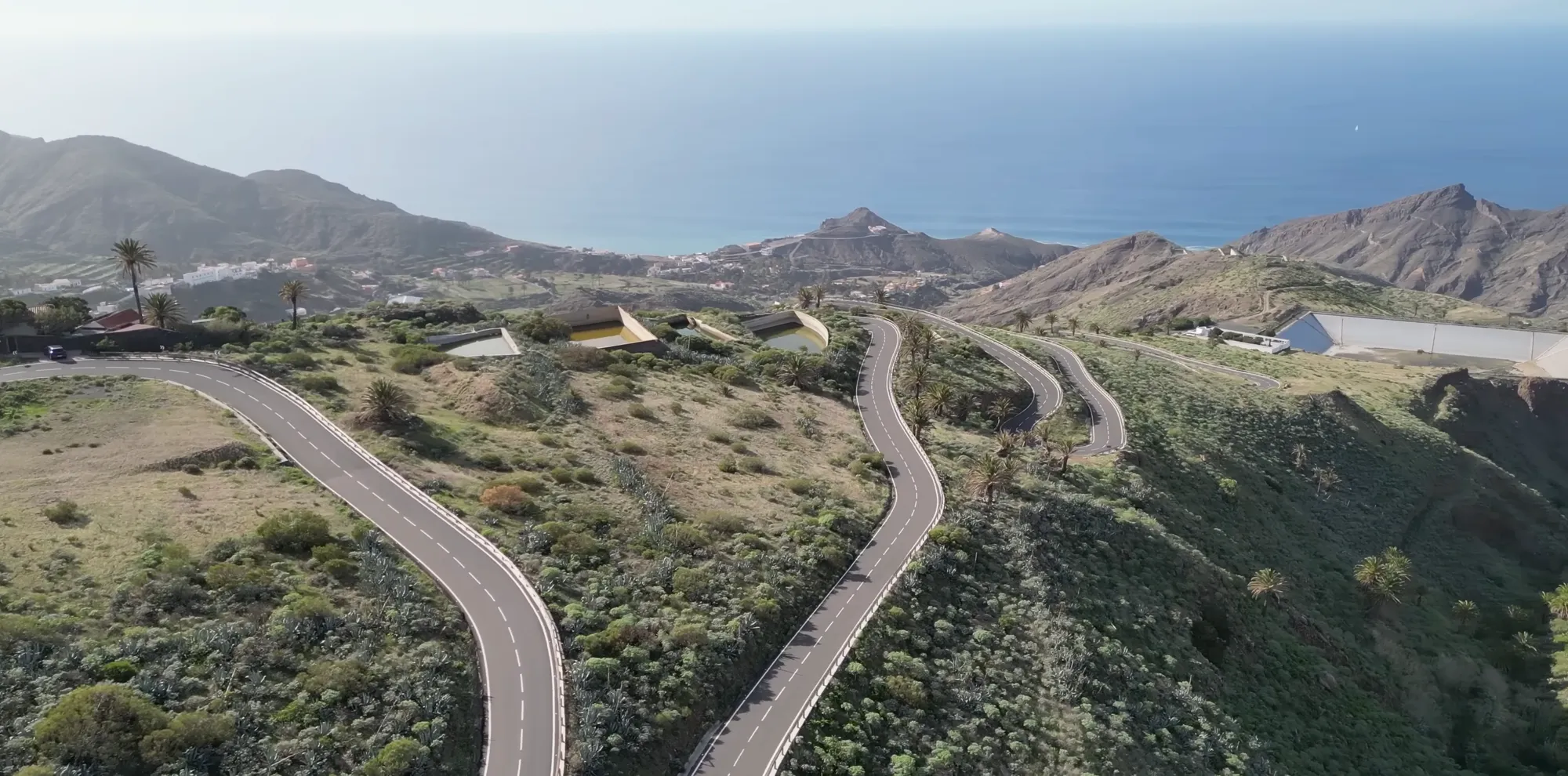
Aerial view of a winding asphalt road cutting through volcanic terrain on La Gomera, Canary Islands. The road curves through sparse green vegetation with rocky volcanic peaks visible in the background and a settled valley to the left. Clear lane markings, dry climate, partly cloudy sky.

Best motorcycle for Highway 1?

If your day links 200 to 400 miles of curves and scenery on roads like Highway 1 or the Blue Ridge, this is squarely your bike. The composed chassis and singing V4 keep the miles fun without wearing you down.

Made for Black Hills · Blue Ridge Parkway · Cherohala Skyway
Best motorcycle for Tail of the Dragon?

For chasing clean lines through Tail of the Dragon and Cherohala, the balance is spot-on and confidence comes early. Just know the linked brakes limit the trail-braking some corner technicians lean on.

Made for Back of the Dragon · Blue Ridge Parkway · Cherohala Skyway
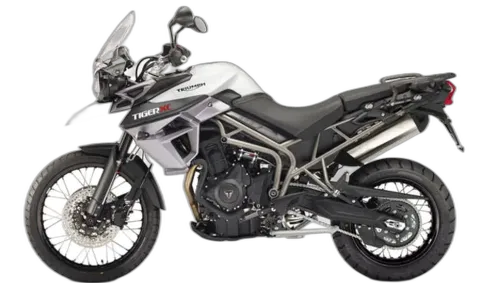
Alternatives to the Honda VFR800X Crossrunner

If this one isn't quite the fit, these are the bikes worth riding back-to-back against it.

Any price note compares both bikes at the same age — the youngest age both have on the used market — against this Honda VFR800X Crossrunner. “cheaper/pricier” is what that bike costs second-hand, not how worn it is.