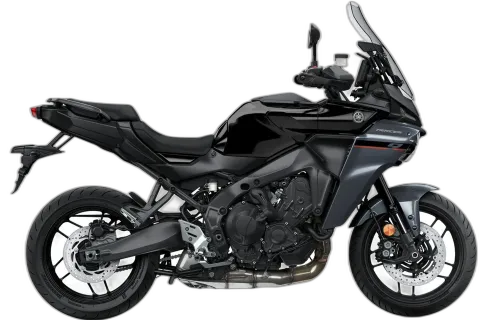
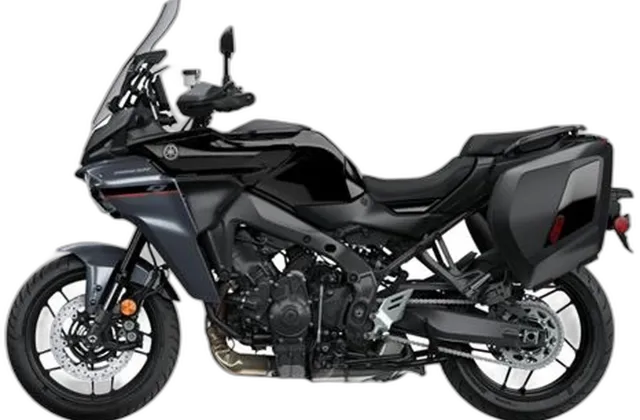
Yamaha Tracer 9 (MY2021-GT) — Sport Tourer
Yamaha press archive

2021–2024 · Sport Tourer · A variant of the Tracer 9

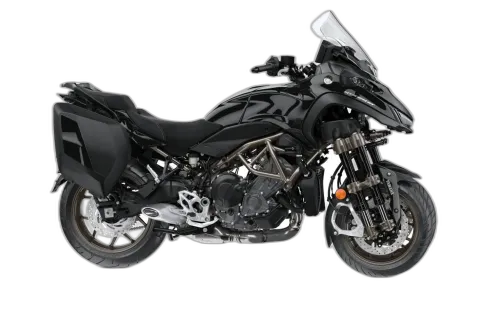
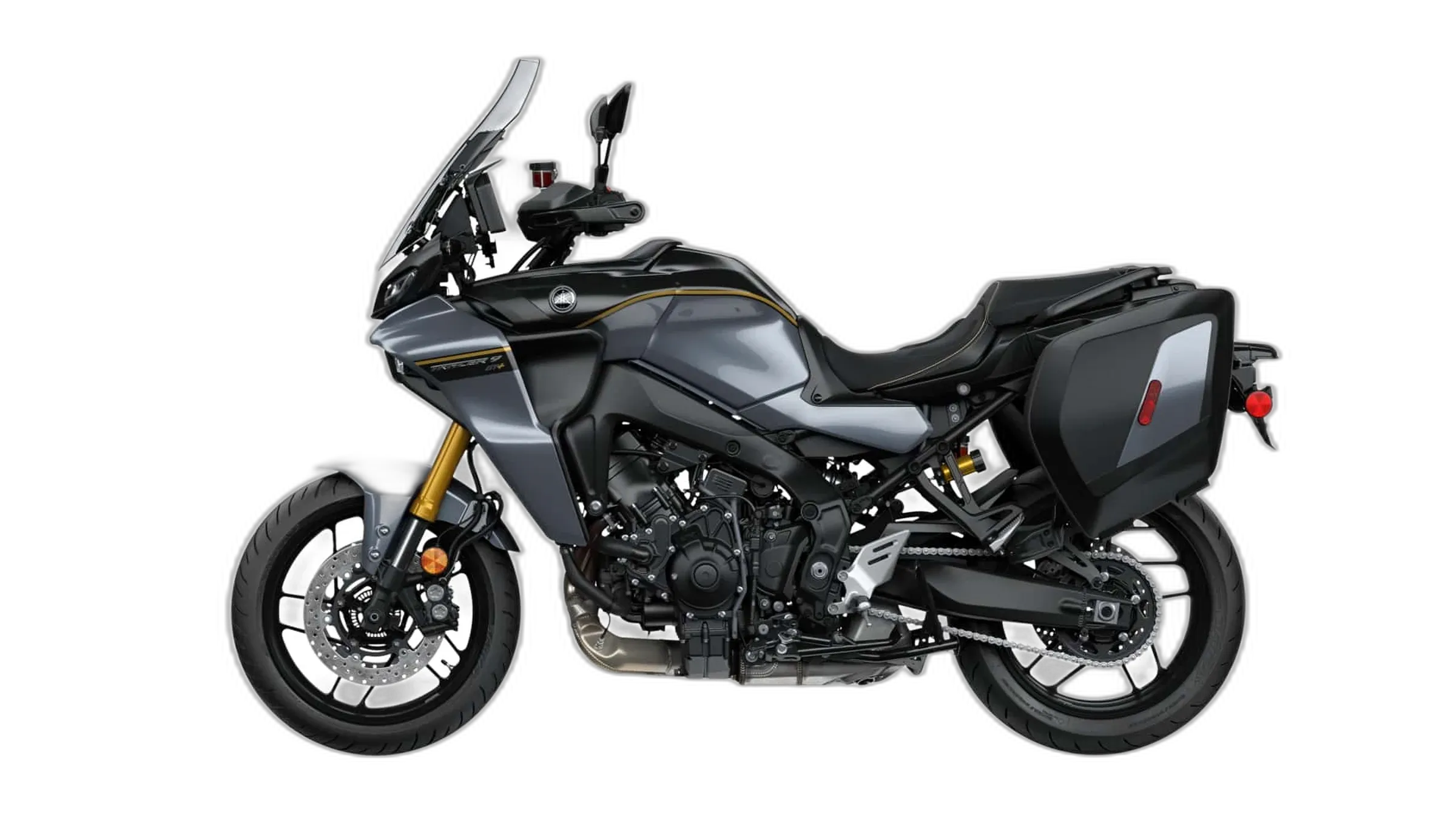
Tracer 9 GT (MY2021-GT)

Differences between the standard Tracer 9 and the GT

4.5 / 5 NastyNils Rating · against its class

The Nimble Mile-Eater

The Machine's Character

The Tracer 9 GT is built around Yamaha's 890 cc CP3 triple, a 120-degree crank three-cylinder that makes 119 hp and 69 lb-ft. That layout gives you the low-end pull of a twin with a top end that keeps climbing like a four, and it sets the tone for the whole bike. Around it sits a genuinely sporty chassis on 17-inch wheels, wrapped in a full electronics package: cornering ABS, traction control, ride modes, and wheelie control all come standard. This is the agile, tech-rich end of the middleweight sport-touring class, not the heavyweight glider.

On this GT trim you also get Yamaha's KYB Actimatic Damper System, a semi-active setup that reads the road and adjusts on the fly, plus fully adjustable front and rear and cruise control for the long haul. It rides light and precise, holds a line with real stability, and our long-term scoring rates its reliability high. Who is it for? The rider who wants one bike to carve a canyon on Saturday and cover 300 miles on Sunday. The honest caveat: at 485 lb it is no featherweight, and it asks you to stay involved rather than switch off and glide.

Hard Numbers

Spec sheets don't ride bikes, but they set the baseline.

Show full specs & equipment Hide specs & equipment
Key specifications
Power 119 hp (88 kW) @ 10,000 rpm
Torque 69 lb-ft (93 Nm) @ 7,000 rpm
Displacement 890 cc
Engine Inline-three
Cooling Liquid-cooled
Gearbox 6-speed
Final drive Chain
Front brake 298 mm
Front tire 120/70-17
Rear tire 180/55-17
Wheelbase 59.1 in (1500 mm)
Seat height 31.9 in (810 mm)
Wet weight 485 lb (220 kg)
Fuel capacity 4.8 gal (18 L)
Top speed 152 mph (245 km/h)
Fuel economy 43 mpg (US)

Equipment check

Chassis

  • Electronic Suspension KYB Actimatic Damper System (KADS) Realtime road adaptationBrake dive control Standard
  • Front Suspension Adjustable Standard
  • Rear Suspension Adjustable Standard
  • Cruise Control Standard

Comfort

  • Heated Grips Standard
  • Adjustable Windscreen Standard
  • Luggage System Standard

Connectivity

  • TFT Display Standard
  • USB Charging Port Optional

Drivetrain

  • Quickshifter Standard
  • Slipper Clutch Standard

Lighting

  • LED Headlight Standard
  • Cornering Lights Standard

Safety

  • ABS Standard
  • Cornering ABS Standard
  • Traction Control Standard
  • Ride Modes Standard

What the Tracer 9 GT Adds — Differences vs the Standard Tracer 9

The Tracer 9 GT (MY2021-GT) builds on the standard Tracer 9: the upgraded hardware, the key spec changes and where its character shifts. The full ride, specs, scoring and verdict are all right here on this page.

Equipment the GT adds vs the standard Tracer 9

Now standard
Heated GripsLuggage System

Premium hardware the GT brings

  • Suspension Front Suspension Adjustable Fully adjustable forks to dial in preload and damping, where the standard front end is preset.
  • Transmission Quickshifter Down An up-and-down quickshifter for clutchless downshifts; the standard blips on upshifts only.
  • Suspension Electronic Suspension Semi-active electronic suspension that adapts its damping on the move — the standard runs conventional, manually-set suspension.
  • Transmission Quickshifter Up A quickshifter for clutchless upshifts the standard goes without.

Hard spec differences

SpecStandard Tracer 9GTΔ
Wet weight 463 lb 485 lb +22 lb

How the GT shifts the character

Where the GT does more
  • More suspension adjustment to dial in
  • A richer, more connected tech suite
Sunset over the Adriatic Sea near Primosten, Croatia. Golden hour light bathes calm water in warm tones, with a small sailboat on the distant horizon. Rocky vegetation frames the right foreground. Clear skies and gentle conditions.

The Truth on the Street

Over the years I've gathered what Tracer 9 owners tell me: paddock conversations, coffee-stop chats with people who've put serious miles on theirs, club-night chatter, and the emails and messages riders send me after a season in the saddle. The picture that comes out of all that is consistent. Owners love the engine, rate the handling and the equipment highly, and their complaints come back mostly to the wind, the seat, and a handful of rough edges in the details.

The triple owners keep talking about

When owners explain what keeps them on this bike, the engine comes up first and it comes up most often. Riders call the sound and the pull the most appealing part of the whole package. They describe real shove through the low and middle revs, a strong rush toward the top with the best of it arriving around 7,000 rpm, and an intake roar that plenty of them say they ride for. Several owners add that the electronics suit that character well. They mention cornering ABS, lean-sensitive traction control, slide and lift control, four ride modes and cornering lights that follow the lean.

Compact on back roads, generous in the box

Riders keep saying the Tracer 9 feels more compact than a fully faired tourer should. They describe corner entry as light and exact, the bike staying stable once it's on its line, and a flickable feel on tight back roads that still works on the highway. Owners credit the lighter forged wheels with sharper turn-in. The semi-active suspension gets its own praise: riders say Sport and Comfort feel like two different bikes, not a cosmetic tweak to the damping. Owners who ride two-up report that passengers stay comfortable through long days too. Value comes up again and again. Owners point to the equipment list, with heated grips, cruise control, a quickshifter and cornering lights, and they say the price sits well below rivals while running costs stay low.

Wind, seat and the rough edges

The stock screen draws the most complaints. At highway speed, owners report that it pushes air toward the helmet and brings buffeting and noise, and a replacement screen is one of the most common first changes. The seat is the second recurring gripe. Its forward slope slides riders into the tank under braking, and many say the padding stops being comfortable after about two hours. Replacement seats and slope modifications have turned into a small industry of their own. The twin-screen dash is criticized as cluttered and hard to read in direct sunlight. On the gearbox, owners mention a heavy clunk when selecting first from neutral and occasional false neutrals in the upper gears when the quickshifter isn't used cleanly. One owner reported surface rust on the exposed exhaust downpipes after a single winter.

Known issues

  • Throttle Position Sensor brushes wear excessively, depositing abrasion particles and causing unstable idle, idle-stall, or loss of motive power

    engine occasional Recall

    ECU programming caused the TPS contact brushes to slide excessively. Wear particles produced unstable idle, idle-condition stalls, or partial loss of motive power; the engine warning light illuminates. Fix is free TPS replacement plus ECU reflash.

  • Throttle grip tube can fracture at the guide

    electrics rare Recall

    The right-hand throttle grip tube can break at the guide, particularly when used as a handhold to lift a tipped-over motorcycle. A broken guide can restrict throttle return spring action, with potential loss of control. Fix is free replacement of the grip end (and the heated-grip warmer assembly if already broken).

  • Improper ECU programming can cause engine stall or limited throttle response

    engine occasional Recall

    The factory ECU map can cause: (a) engine stall during downshifts if the clutch is not fully pulled, (b) stall at light throttle from idle, (c) limited throttle response under full deceleration, (d) failure of the engine warning light to illuminate on system error. Fix is a free dealer ECU reflash.

  • Cruise control orange light flashes; cruise cannot be set or resumed

    electrics occasional

    The cruise control indicator flashes and the system refuses to set or resume. Cause traced in some cases to a sticky front-brake light switch or clutch-position switch (cruise interlocks) — sometimes resolved by an ignition cycle, sometimes requiring switch replacement; some owners report recurrence after dealer-replaced switches.

  • Cam-chain tensioner rattle on cold start and warm-restart

    engine occasional

    An audible rattle/chatter from the hydraulic cam-chain tensioner area is reported on cold start and on warm restart after the bike has sat. Typically subsides once oil pressure builds. Cause is ascribed to the hydraulic tensioner relief valve / piston retraction without oil pressure. Inherent to the CP3 generation across MT-09 RN69, Tracer 9 GT, and XSR900. Aftermarket manual cam-chain tensioner (APE) is the commonly cited remedy.

  • Vibration through handlebar and footpegs in the 3,800–5,000 rpm range

    engine common

    Owners report a buzz/numbness through the handlebar concentrated at approximately 3,800–5,000 rpm — a range that overlaps with 6th-gear highway cruising for many speeds. Smooths above approximately 5,000 rpm. Inherent to the long-stroke CP3 in this chassis.

  • OEM pannier latches and lock cylinders — operational frustrations

    bodywork occasional

    The OEM 30 L panniers' lock mechanism cannot reliably rotate to a "lid-only-open" detent (forcing case removal to access contents), the top-box key sometimes operates the panniers (a security overlap), and dealers do not stock latch internals as separate parts.

  • Front turn-signal mounting brackets work loose

    bodywork occasional

    The front indicator stalks loosen at the bracket mounting point; light contact (e.g., a brush in the garage) can detach them. Refastening securely is difficult.

  • Poorly secured indicator brackets

    bodywork occasional

    The indicator mounts can loosen and flap over time, potentially leading to detachment. Some owners have reported them popping out with the slightest contact.

  • Premature exhaust corrosion

    exhaust common

    The appearance of the downpipes deteriorates quickly, with rust forming after limited mileage and exposure to winter conditions, giving the bike a neglected look.

The Expert Benchmark

Where this Yamaha Tracer 9 pulls ahead of — or falls behind — its rivals on the numbers, and the typical bike in its class on character.

What kind of bike this is — character vs. the class

This bike Class average

The shape of the Yamaha Tracer 9 — numbers and character vs. the average Sport Tourer

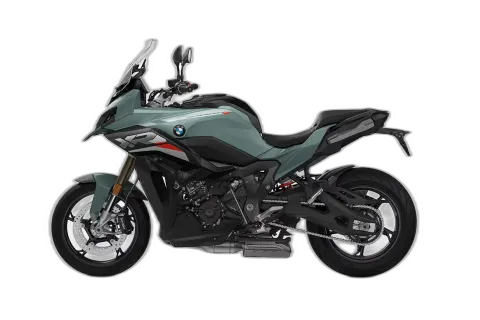
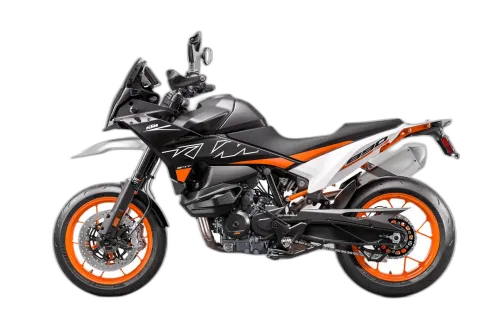
Head-to-head: Yamaha Tracer 9 vs. its rivals

The Long-Haul Verdict

Forget spec-sheet bragging. Here's who the Tracer 9 is actually built for.

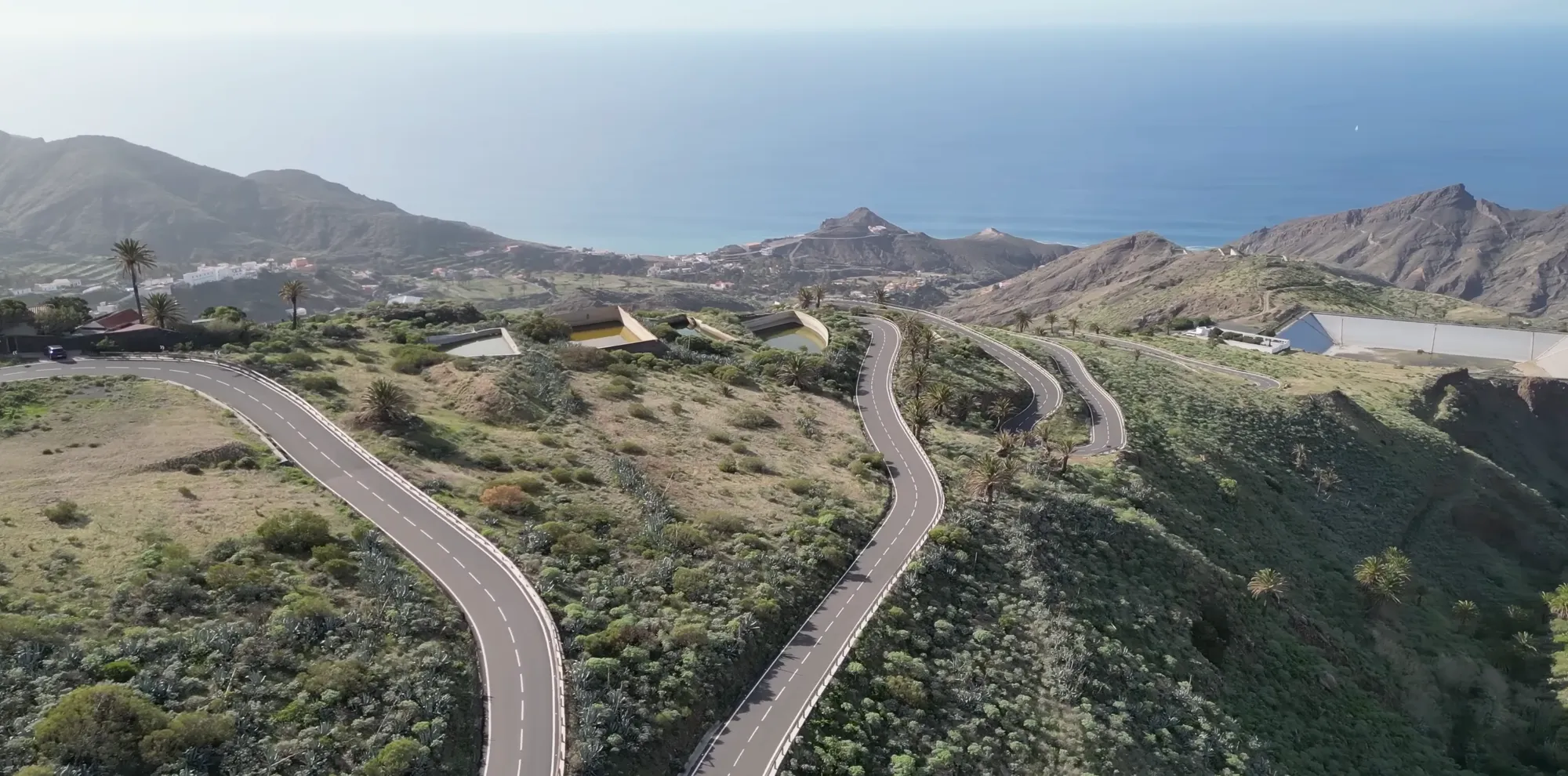
Aerial view of a winding asphalt road cutting through volcanic terrain on La Gomera, Canary Islands. The road curves through sparse green vegetation with rocky volcanic peaks visible in the background and a settled valley to the left. Clear lane markings, dry climate, partly cloudy sky.

Best motorcycle for Highway 1?

This is your bike. It links tight canyon work and 200-to-400-mile scenic days without forcing you into full bagger territory, comfortable where you want to relax and quick where the road gets interesting.

Made for Highway 1 / Big Sur · Black Hills · Blue Ridge Parkway

Best touring motorcycle for long distance?

It happily eats big days and mountain passes, but two-up and fully loaded for coast-to-coast duty you are asking a 485-lb middleweight to do heavyweight work. Doable, just leaner on bulk than a full-dress tourer.

Made for Beartooth Highway · Blue Ridge Parkway · Going-to-the-Sun Road

Best motorcycle for Tail of the Dragon?

For working on line and technique on tight East Coast roads, the light steering and sporty 17-inch chassis reward precision over brute speed. It suits your skill-first riding better than raw horsepower would.

Made for Tail of the Dragon · Back of the Dragon · Blue Ridge Parkway