·

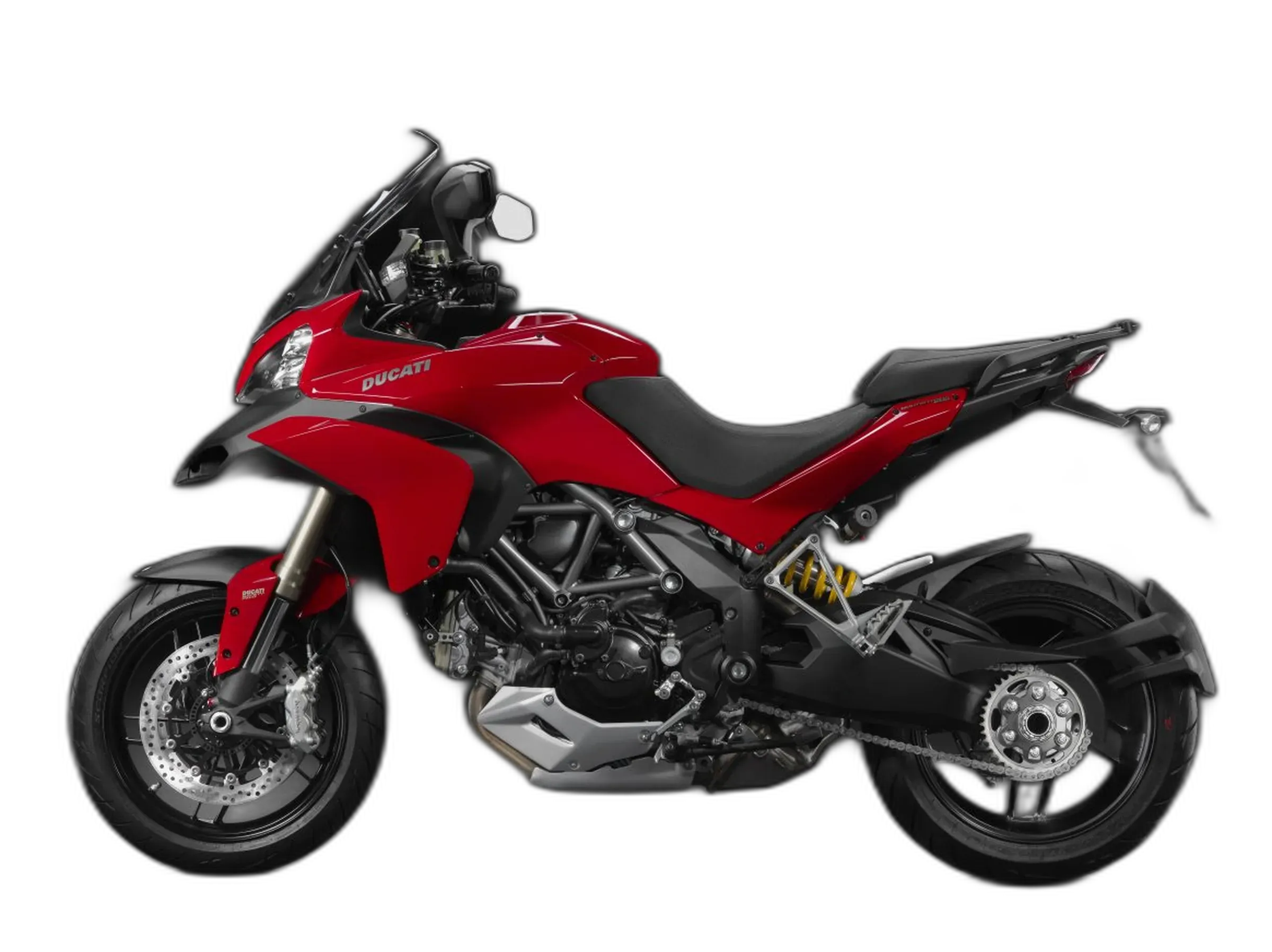
Ducati Multistrada 1200 (MY2010) — Sport Tourer
NastyNils / Ducati Press

2010–2014 · Sport Tourer · Buyer's Guide

Multistrada 1200 (MY2010)

Superbike Genes, Long-Haul Composure

The Machine's Character

The 1198 cc Testastretta L-twin came straight off Ducati's superbike, then got softened cam timing to trade a little peak for a wall of midrange. The result is 150 hp and 87 lb-ft that pulls hard long before the revs climb. Wrap that around a 423 lb (192 kg) chassis with wide, high bars and Ducati's Ride-by-Wire Power Modes, and you get a machine that turns in like something half its size. Four ride modes rewrite suspension damping, power delivery, and electronic intervention on the fly, so one bike genuinely behaves like several depending on the road under it.

This is a bike that shrinks distance. It's fast enough to embarrass sportbikes on a good road and composed enough to cross a state in a day, which makes it the natural pick for the rider who wants corners, comfort, and long scenic stages from one machine. It ages best for owners who service it properly and don't mind an L-twin with attitude. The honest caveat: this motor is loud and vibrates more than the touring crowd expects, and the excellent wind protection means you hear all of it. Some read that as soul. Refinement seekers should ride one first.

Hard Numbers

Spec sheets don't ride bikes, but they set the baseline.

Show full specs & equipment Hide specs & equipment
Key specifications
Power 150 hp (110 kW) @ 9,250 rpm
Torque 87 lb-ft (119 Nm) @ 7,500 rpm
Displacement 1198 cc
Engine L-twin
Cooling Liquid-cooled
Gearbox 6-speed
Final drive Chain
Fork Telescopic
Front brake 320 mm
Front tire 120/70-17
Rear tire 190/55-17
Wheelbase 60.2 in (1530 mm)
Seat height 33.5 in (850 mm)
Wet weight 423 lb (192 kg)
Fuel capacity 5.3 gal (20 L)
Top speed 155 mph (249 km/h)
Fuel economy 37 mpg (US)

Equipment check

Chassis

  • Electronic Suspension Optional

Comfort

  • Heated Grips Optional
  • Adjustable Windscreen Standard
  • Luggage System Optional

Drivetrain

  • Slipper Clutch Standard

Safety

  • ABS Optional
  • Traction Control Standard
  • Ride Modes Ducati Ride-by-Wire Power Modes Selectable ride modesRefined throttle response Standard

The Voice of Experience

Portrait of NastyNils

The test ride

Settle in and the position feels tall and commanding, wide bars giving leverage that makes the weight seem to vanish underneath you. Push the pace well past sensible and the fairing does its job so completely that wind blast almost disappears, leaving you sitting behind the screen instead of fighting the air. The seat holds you in place across long days without deadening the feedback coming up through the chassis. What registers most through your hands is the clutch. The self-servo wet unit needs almost no pull, a real relief in traffic that any longtime Ducati rider notices in the first mile. Everything routes through the left thumb, moving or stopped. The one nag at genuine road pace is the ABS, which trips early on clean asphalt until you thumb it back.

Rated point by point — where it earns its keep

My own 0–100 score for this bike against the class, area by area — the marker on each bar is the class average.

What sells the handling is how little the bike asks of me and how fast it repays the trust. I could tip it in with modest input and get precision and feedback back in equal measure, and after a handful of bends I'd stopped managing the motorcycle and simply started riding. The other half of the story is composure. For a chassis this eager to change direction, it stays remarkably planted, refusing to twitch or wander, so that low background unease some flickable bikes carry never once showed up for me.

The engine's real gift is how early it works. Ducati softened the cam timing from the superbike tune, giving up a slice of peak for torque you can lean on down low, and I found myself pulling cleanly out of corners without ever chasing the tach. The cost is manners. This twin runs loud and coarse by the standards of the class, and because so little air ever reaches you, nothing covers it up. Riders who read that as personality will love it. Anyone shopping for a refined long-hauler owes themselves a back-to-back before signing.

This is the trait that stuck with me longest. Ride the bike hard for a while and its reserves of power, composure, and comfort quietly reset your sense of normal, and that's the sting in the tail. The standard it sets is high without ever announcing it. When I stepped off and back onto the bike I'd shown up on, that machine felt like a downgrade in every direction. Take that as fair warning before you commit to a long day aboard one.

The front brake is genuinely good where it matters most, on the road. It's top sport-bike hardware without the on-off cruelty of race-spec kit, and the radial master cylinder let me meter pressure by the ounce, so trailing into a tight corner became a deliberate input rather than a gamble. The ABS is the sour note. On dry, grippy asphalt it steps in far earlier than a quick rider needs, and while a quick thumb press clears it while moving, having to reach for that on every spirited stretch wore on me.

Comfort here is built less on plush and more on isolation. I spent long stretches at real pace where the fairing kept the air off me so thoroughly that speed stopped registering in my body, and the screen slides up and down by hand for whatever rider height or weather I was dealing with. The saddle matches that character: firm enough to keep me honest about what the tires are doing underneath, yet padded enough that I climbed off after full days without the usual complaints. The clutch earns its own mention. The self-servo wet unit asks almost nothing at the lever, and anyone who's wrestled an older Ducati twin through town will grin the first time they use it. My one steady gripe rides with the Touring center stand. Its hardware sits exactly where my foot wants to go when I keep the balls of my feet on the pegs, and that surfaced on every long day.

The four ride modes are the standout practical feature. Urban, Touring, Sport, and Enduro each rework damping, power delivery, and how soon the electronics step in, and the spread was wide enough to change how I rode a given road. Urban pulls output back and softens everything for the city; Sport firms the chassis and hands authority to the rider. I set any of it from the left thumb, stopped or rolling. The letdown is storage: the single interior fairing pocket on the right is cramped and awkward, a clumsy miss on a bike that otherwise thought of everything.

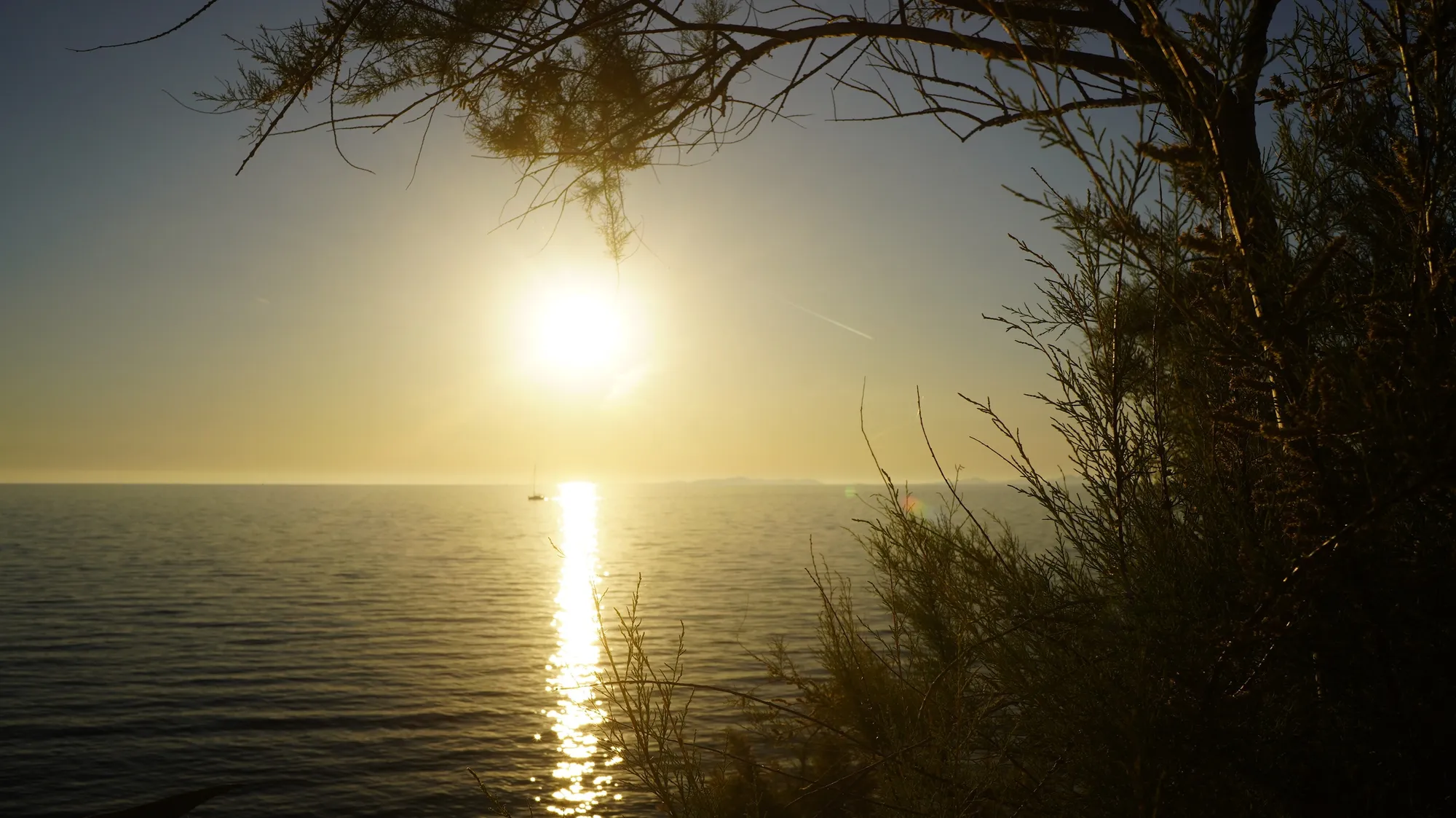
Sunset over the Adriatic Sea near Primosten, Croatia. Golden hour light bathes calm water in warm tones, with a small sailboat on the distant horizon. Rocky vegetation frames the right foreground. Clear skies and gentle conditions.

The Truth on the Street

Sift through years of rider chatter and a shape emerges. It reaches me in direct messages and emails, in paddock talk, in owners swapping notes. On the Multistrada 1200 the community lands in a clear place: real love for the ride, set against a few faults that keep coming up.

The Engine And Chassis Win Them Over

Riders consistently praise the L-twin as flexible and full of character, easygoing low in the revs yet pulling strongly to the redline. Nearly as many single out the handling, a composed chassis and wide bars that let it carve like a sportbike. Many add that it stays comfortable over long days, with a roomy position and genuine wind protection. A good number also value the selectable riding modes, which reshape power and throttle response enough that one bike covers several jobs.

The Faults That Keep Surfacing

The steadiest gripe is the rear brake, which many owners call close to useless, soft and long on travel with little stopping force even after bleeding. Several report the fuel level sender failing and reading inaccurately, sometimes needing more than one replacement. Owners in wet climates mention paint flaking and corrosion on the engine cases and swingarm. A few find the steering nervous at parking-lot speeds.

Known issues

  • Throttle cable can dislodge (safety recall)

    enginecommonRecall

    The inner tube of the throttle-opening Bowden cable can partially dislodge and jam, potentially preventing throttle return. Ducati recalled all 2010-2014 models to replace the front half of the throttle control housing.

  • Weak rear brake and brake hose problem

    brakescommon

    Rear brake lacks power and feel, with excessive pedal travel. Many owners report weak rear braking performance; some have had the rear brake hose replaced in search of improvement, but results are mixed.

  • Fuel gauge sender failure

    electricscommon

    The fuel level sender frequently fails, giving erratic or false readings. Some owners have replaced the sender multiple times.

  • Clutch slave cylinder leak

    drivetrainoccasional

    The clutch slave cylinder seal can weep or fail, leading to clutch drag or complete loss of clutch operation. Replacement is often required.

  • Corrosion on clutch cover and swingarm paint

    bodyworkoccasional

    The paint on the magnesium clutch cover and the aluminum swingarm can bubble and flake, especially in damp environments. Some owners repaint or use Helicoil inserts for stripped threads in the swingarm.

The Expert Benchmark

Where this Ducati Multistrada 1200 pulls ahead of — or falls behind — its rivals on the numbers, and the typical bike in its class on character.

What kind of bike this is — character vs. the class

This bike Class average

The shape of the Ducati Multistrada 1200 — numbers and character vs. the average Sport Tourer

Head-to-head: Ducati Multistrada 1200 vs. its rivals

The Long-Haul Verdict

Forget spec-sheet bragging. Here's who the Multistrada 1200 is actually built for.

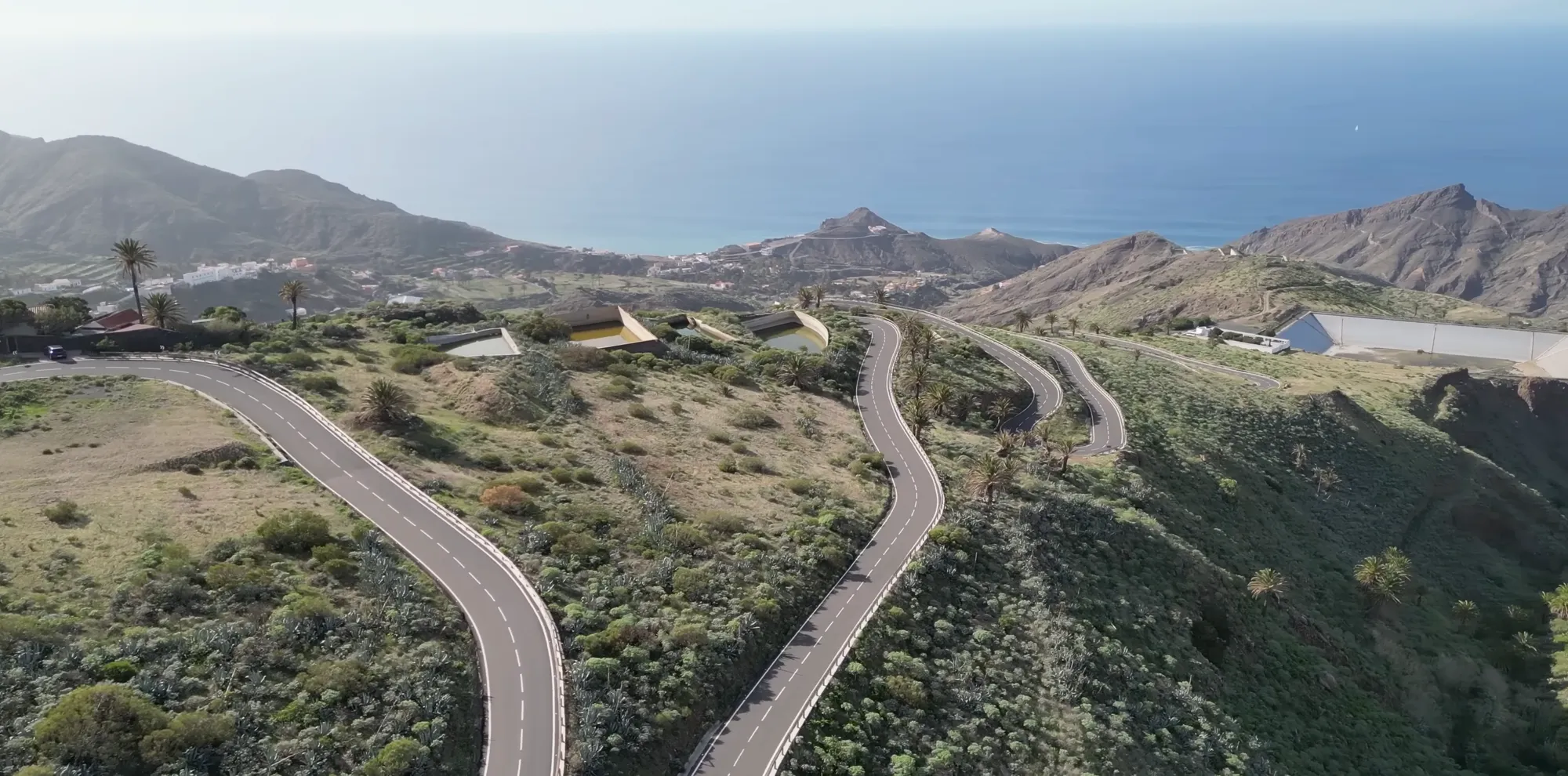
Aerial view of a winding asphalt road cutting through volcanic terrain on La Gomera, Canary Islands. The road curves through sparse green vegetation with rocky volcanic peaks visible in the background and a settled valley to the left. Clear lane markings, dry climate, partly cloudy sky.

Best motorcycle for Highway 1?

Your 200 to 400 mile days on Highway 1 or the Blue Ridge are exactly this bike's job. Corners, comfort, and scenery in one machine, without dropping into full bagger territory.

Made for Black Hills · Blue Ridge Parkway · Cherohala Skyway
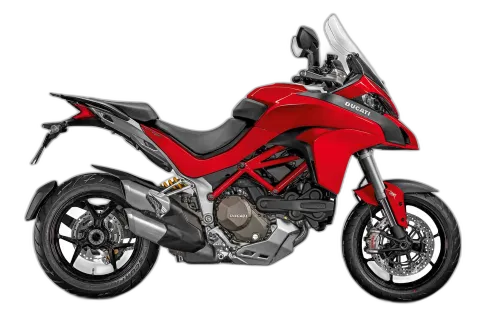
Best motorcycle for Tail of the Dragon?

For repeat runs on Cherohala and the Dragon, the fast turn-in and modulating brakes reward technique over brute speed. Just know it carries more weight than a pure back-road tool.

Made for Back of the Dragon · Blue Ridge Parkway · Cherohala Skyway
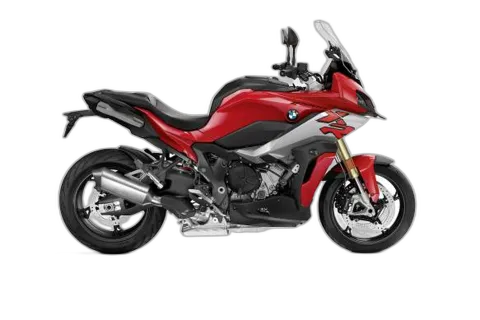
Best motorcycle for Angeles Crest?

It has the lean clearance and precision for serious canyon work, and Sport mode sharpens it for a Sunday blast. The early ABS may annoy you on clean asphalt, so thumb it down.

Made for Angeles Crest Highway · Coronado Trail / US 191 · Highway 1 / Big Sur

Alternatives to the Ducati Multistrada 1200

If this one isn't quite the fit, these are the bikes worth riding back-to-back against it.

Any price note compares both bikes at the same age — the youngest age both have on the used market — against this Ducati Multistrada 1200. “cheaper/pricier” is what that bike costs second-hand, not how worn it is.