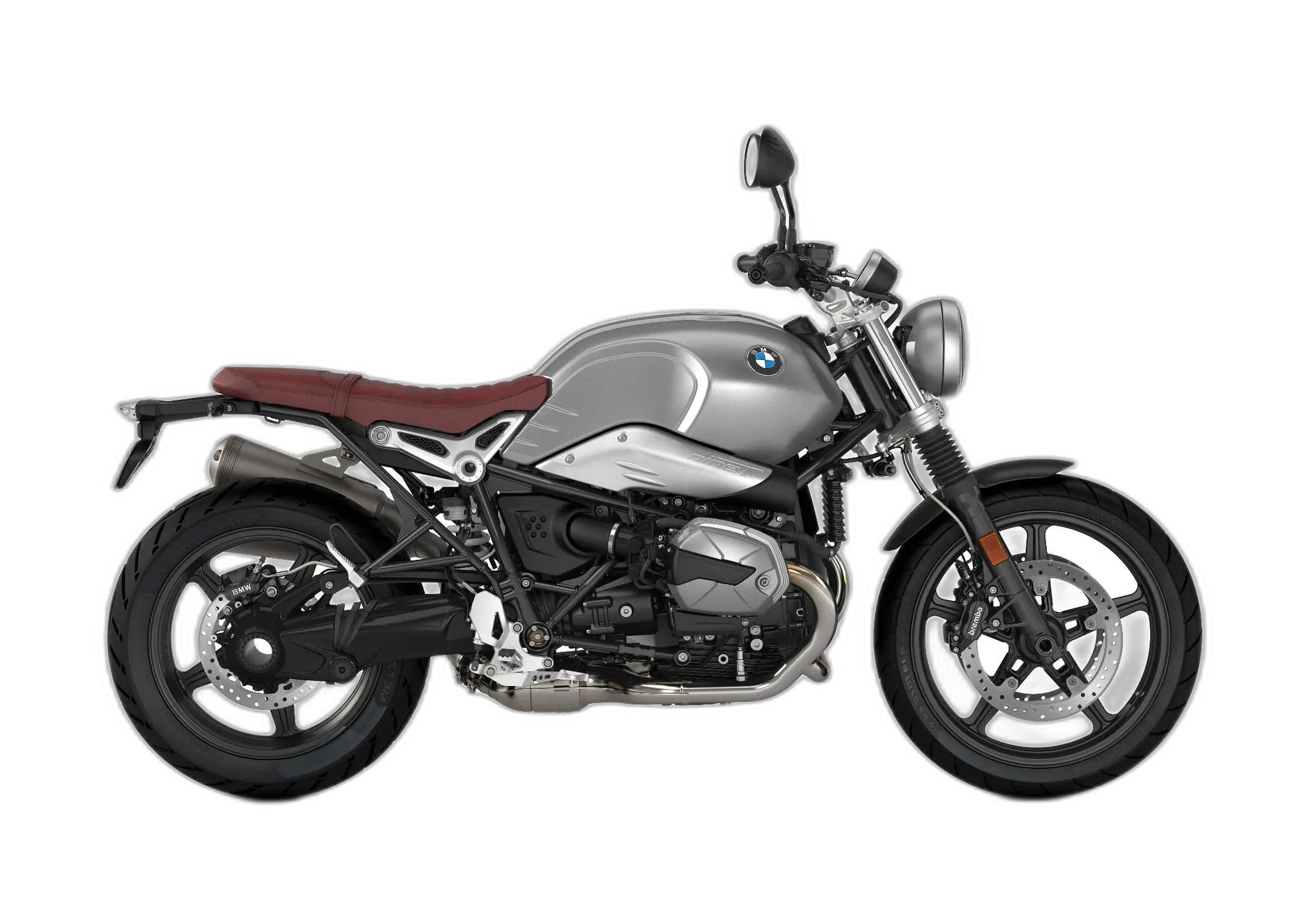

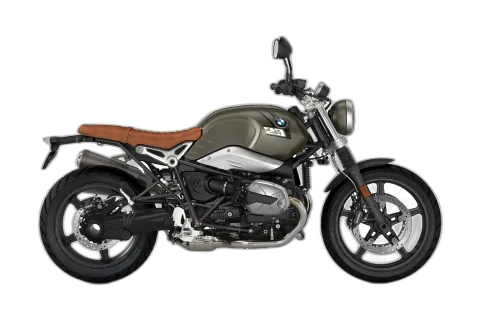
BMW R nineT Scrambler (K23) — Scrambler
BMW Press

2016–2020 · Scrambler · Buyer's Guide

R nineT Scrambler (K23)

Boxer Soul, Scrambler Skin

The Machine's Character

The Scrambler takes the 1170 cc air/oil-cooled boxer and builds a style-led machine around it: steel tube frame, shaft drive with BMW Paralever, a 19-inch wire-spoke front wheel and a high-mount twin exhaust. 110 hp and 86 lb-ft is a lot of engine for a bike sold on how it looks, and BMW Motorrad ABS keeps all of it civil. What you end up with sits at the premium end of the scrambler class, where the finish quality survives close inspection and the parts catalog runs deep enough to make the bike genuinely yours.

It rides like what it actually is, a wide-shouldered roadster in scrambler clothing. 485 lb wet, a 32.3 in seat, upright bars, and a chassis that settles the faster you go. It ages well because there is little to go wrong: shaft final drive, air and oil cooling, electronics that stay out of the way. Now the honest part. Front travel is 4.9 in, rear travel is 5.5 in, and ground clearance is 6.1 in. That is street suspension, not scrambler suspension. Buy it for the look, the boxer and the road. Gravel and graded dirt, fine. Anything rougher, no.

Hard Numbers

Spec sheets don't ride bikes, but they set the baseline.

Show full specs & equipment Hide specs & equipment
Key specifications
Power 110 hp (81 kW) @ 7,250 rpm
Torque 86 lb-ft (116 Nm) @ 6,000 rpm
Displacement 1170 cc
Engine Flat-twin (boxer)
Cooling Air/oil-cooled
Gearbox 6-speed
Final drive Shaft
Fork Telescopic
Front tire 120/70 ZR19
Rear tire 170/60 ZR17
Ground clearance 6.1 in (155 mm)
Front travel 4.9 in (124 mm)
Rear travel 5.5 in (140 mm)
Seat height 32.3 in (820 mm)
Wet weight 485 lb (220 kg)
Fuel capacity 4.5 gal (17 L)
Fuel economy 46 mpg (US)

Equipment check

Chassis

  • Rear Suspension Adjustable Standard
  • Cruise Control Optional

Comfort

  • Heated Grips Optional

Safety

  • ABS BMW Motorrad ABS Stronger consistent brakingFirm brake lever feel Standard
  • Traction Control Optional
  • Ride Modes Standard

Signature Tech

The named systems that set this bike apart — and what each one does for you.

Drivetrain

  • BMW Paralever Standard
    • Acceleration stability
    • Brake dive control
    • High speed stability
    • Reduced unsprung rotating mass

The Voice of Experience

Portrait of NastyNils

The test ride

Hit the starter and the whole bike rocks on its side stand for a beat, the way a big boxer always does. At idle the cylinders sit out in the airstream by your shins and you feel every pulse come up through the pegs and the tank. The note is deep and dry, more mechanical than musical, and it never wears on you. Bars are wide and flat, the reach is short, and you sit on top of this bike rather than down inside it. At 70 mph the vibration smooths into a steady hum in the grips and the 4.5 gal tank keeps the stops sensible at 46 mpg. The seat is thin under you, and you register that before you register anything else about the ergonomics. There is no wind protection worth the name, so long highway stints are a decision you make on purpose.

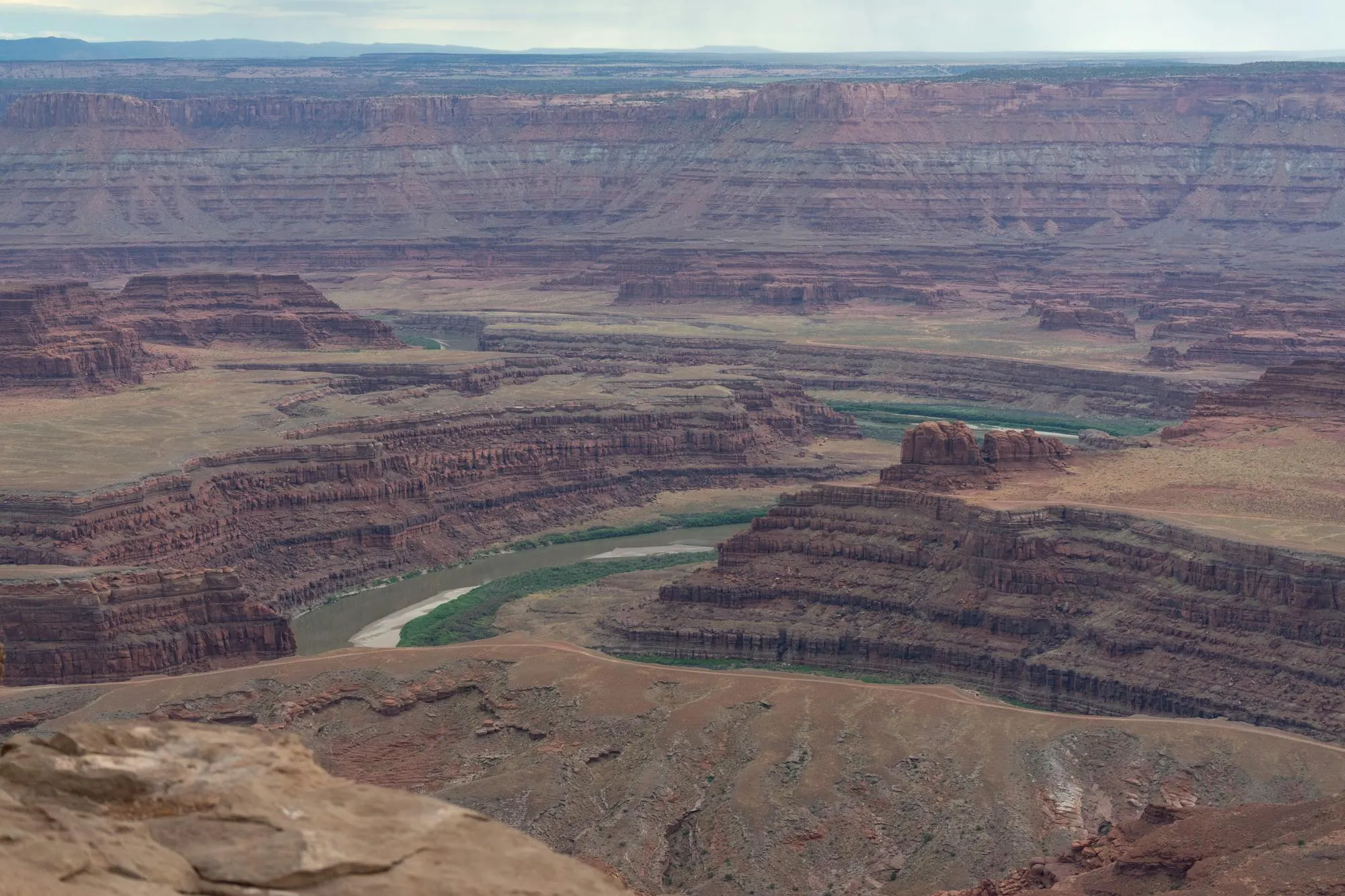
Aerial panoramic view of Dead Horse Point State Park near Moab, Utah. The Colorado River winds through deeply layered red-rock canyons and mesas characteristic of the high desert terrain. The arid landscape extends toward distant mountains under a partly cloudy sky. Daylight conditions, good visibility.
Drew Burks / Pexels

The Truth on the Street

Known issues

  • Wiring loom chafing on steering movement (early models)

    electrics rare

    On early production models, the wiring loom near the steering head could rub and cause electrical failures to the headlight or instruments. BMW later added a plastic sheath.

  • Engine oil consumption (especially early miles)

    engine occasional

    Some riders report noticeable oil consumption in the first 10,000 miles, requiring regular top-ups. Usually resolves as the engine breaks in.

  • Rear brake pads wear quickly

    brakes common

    Rear brake pads can wear prematurely, especially in stop-and-go traffic, necessitating more frequent replacement.

The Expert Benchmark

Where this BMW R nineT Scrambler pulls ahead of — or falls behind — its rivals on the numbers, and the typical bike in its class on character.

What kind of bike this is — character vs. the class

This bike Class average

Head-to-head: BMW R nineT Scrambler vs. its rivals

The 'Should I Buy It?' Score

Forget spec-sheet bragging. Here's who the R nineT Scrambler is actually built for.

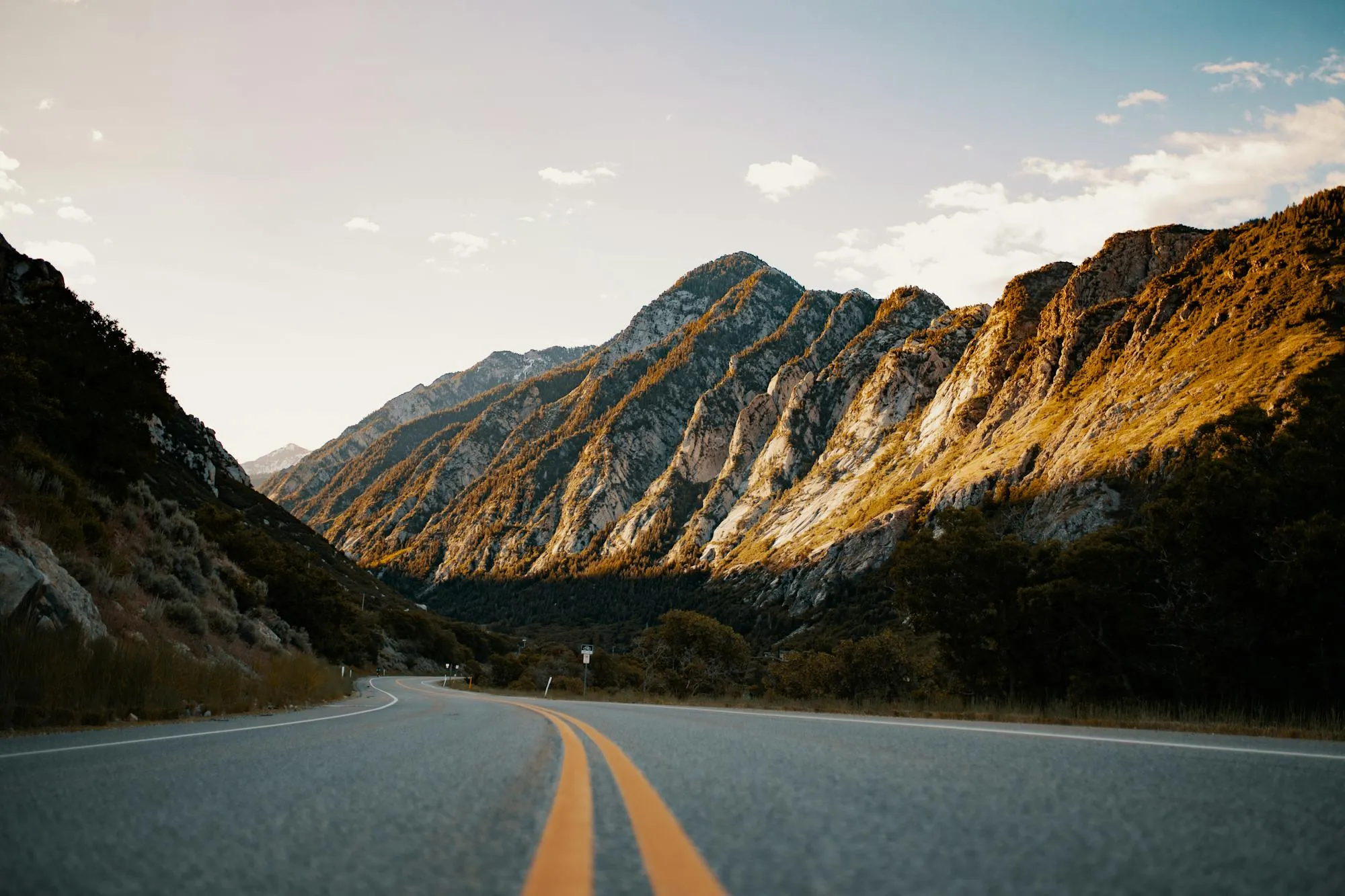
A scenic view of Angeles Crest Highway winding through rugged Southern California canyon terrain. Rocky mountainsides with golden earth tones frame the asphalt road with tight sweeping curves. Double yellow center line visible, sparse vegetation along the shoulders, clear blue sky with white clouds. Daylight, dry conditions. Iconic location for canyon-road enthusiasts.
Josh Sorenson / Pexels

Best retro motorcycle for road trips?

Small towns, two-lane roads and a bike strangers walk across a parking lot to look at. This is that bike. Plan a stop every hour for the seat and the route does the rest.

Made for Acadia National Park · Austin / Handbuilt Motorcycle Show · Blue Ridge Parkway
Best cruiser for Sturgis?

You want sound, presence and something that reads as its own thing in a field of familiar iron. The boxer covers all three, but understand you are buying a roadster, not a low, long cruiser.

Made for A1A — Florida Atlantic Coast · Black Hills / Sturgis Rally Hub · Daytona Main Street / Bike Week

Best motorcycle for Texas Hill Country?

86 lb-ft and a chassis that stays planted suit fast, open sweepers just fine. Tight switchbacks ask for real input from you, because there is 485 lb to move around.

Made for Austin / Texas Hill Country · Twisted Sisters · Austin / Handbuilt Motorcycle Show