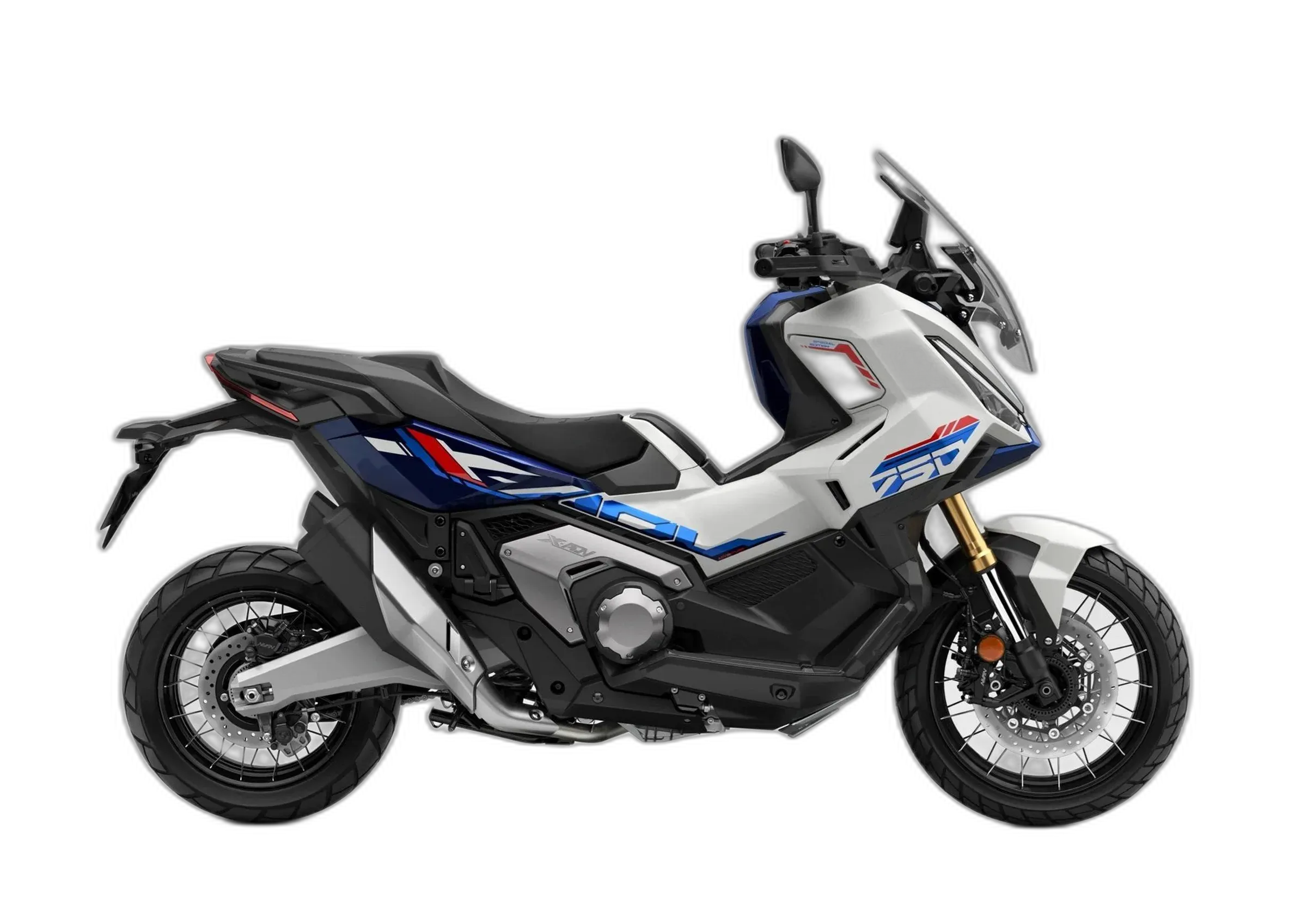


Honda X-ADV (RC 95-SE) — Scooter
Honda press archive

2017–2026 · Scooter · A variant of the X-ADV

X-ADV SE (RC 95-SE)

Differences between the standard X-ADV and the SE

4 / 5 NastyNils Rating · against its class

The Daily Rider That Wanders

The Machine's Character

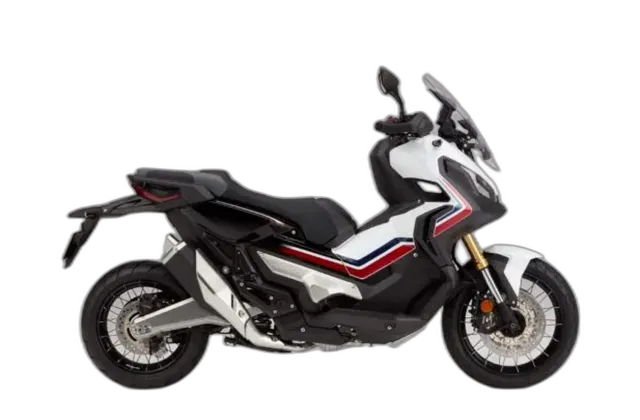
The X-ADV is Honda's answer to a question few would think to ask: what happens when you give a scooter real motorcycle hardware? This generation pairs a 745 cc liquid-cooled parallel twin with a six-speed Dual Clutch Transmission, the only gearbox offered, plus chain final drive, a steel diamond frame, an upside-down fork and a 17-inch front wheel. Output is 59 hp and 51 lb-ft, with the torque peak at 4,750 rpm. Standard equipment includes ABS, traction control, ride modes, a TFT display, smartphone connectivity and a keyless system. That's a serious spec sheet for a scooter!

On paper this hardware is built for everyday duty with room to roam. No clutch lever to work, 65 mpg from a 3.5 gal (13.1 L) tank, an adjustable windscreen and cruise control for the highway stretches: it's a commuter that doesn't stop at the city limits. The numbers also tell you what it isn't. At 525 lb (238 kg) wet with a 32.3 in (820 mm) seat, it's a big, tall machine by scooter standards, and that much weight points to pavement first, not real trails. It suits you if you want motorcycle substance with twist-and-go ease. Classic Honda logic.

Hard Numbers

Spec sheets don't ride bikes, but they set the baseline.

Show full specs & equipment Hide specs & equipment
Key specifications
Power 59 hp (43 kW) @ 6,750 rpm
Torque 51 lb-ft (69 Nm) @ 4,750 rpm
Displacement 745 cc
Engine Parallel twin
Cooling Liquid-cooled
Gearbox 6-speed
Final drive Chain
Fork Upside-down (USD)
Front brake 296 mm
Front tire 120/70-17
Rear tire 160/60-15
Seat height 32.3 in (820 mm)
Wet weight 525 lb (238 kg)
Fuel capacity 3.5 gal (13.1 L)
Fuel economy 65 mpg (US)

Equipment check

Chassis

  • Rear Suspension Adjustable Standard

Comfort

  • Heated Grips Optional
  • Adjustable Windscreen Standard
  • Luggage System Optional

Connectivity

  • TFT Display Standard
  • Smartphone Connectivity Standard
  • USB Charging Port Standard
  • Keyless System Standard

Drivetrain

  • Automatic Shift (DCT / ASA / AMT) Standard

Lighting

  • LED Headlight Standard

Safety

  • ABS Standard
  • Traction Control Standard

What the X-ADV SE Adds — Differences vs the Standard X-ADV

The X-ADV SE (RC 95-SE) builds on the standard X-ADV: the upgraded hardware, the key spec changes and where its character shifts. The full ride, specs, scoring and verdict are all right here on this page.

Equipment the SE adds vs the standard X-ADV

Added
Cruise ControlRide ModesTraction ControlUSB Charging Port

Hard spec differences

SpecStandard X-ADVSEΔ
Power 55 hp 59 hp +4 hp

How the SE shifts the character

Where the SE does more
  • More miles between fuel stops
  • A richer, more connected tech suite
Elevated aerial view of Seattle's downtown skyline looking toward the city core along a dense urban street canyon. A mix of glass-and-steel skyscrapers and mid-rise residential towers fills the frame. A construction crane is active on the left. The street below carries light vehicle traffic flanked by mature street trees.
Josh Hild / Pexels

The Truth on the Street

I've spent years listening to X-ADV riders: in paddocks, at club nights, in owner chats, and in the emails and messages that land in my inbox. Put all of that together and the picture for this bike is consistent. Owners describe a machine that's more fun and more useful than they expected, and they keep naming the same handful of irritations.

Quicker than the numbers suggest

The comment I hear most often is surprise. Riders look at the modest power figure, expect a commuter, and then report swift acceleration and a bike that answers with real enthusiasm when you push it. The twin gets steady praise for pulling with plenty of torque from low revs and staying refined all the way up. The dual-clutch transmission comes up almost as often: owners call it smooth and intuitive, with effortless shifts that take the stress out of traffic. Handling reports point the same way. Riders describe stable, neutral steering that reminds them of a middleweight adventure bike more than a step-through, and a chassis that feels balanced on twisty roads despite its weight. The front brakes get singled out too: powerful and confidence-inspiring. Owners call that a standout for a scooter.

The all-rounder owners actually use

Ask owners what they do with it and the list is long: commuting, shopping, weekend trips. Riders consistently call it a true everyday all-rounder, citing all-day comfort, the helmet-sized compartment under the seat and the optional top box for when that isn't enough. Several point out that built-in storage like this is rare on anything with adventure styling. Build quality is the other steady theme. Owners talk about typical Honda fit and finish and a strong reputation for reliability. It gets used. A lot.

Rough ride, awkward step-over

The most common complaint is ride quality. Riders describe the rear as harsh and choppy, passing sharp bumps and jolts straight through to you on poor surfaces. Getting on and off is the next recurring gripe: the wide floor area and fairly high seat make for an awkward swing of the leg, particularly if you're shorter or wearing heavy gear, and some shorter owners add that they can't flat-foot it at a stop. Weight comes up at walking pace, with owners calling the bike cumbersome to push around a parking lot. Those who tried dirt say the rugged look promises more than the bike delivers: smooth gravel at best. Home mechanics complain about layers of interlocking bodywork that have to come off for an air filter check or accessory wiring, with a real risk of damaging a panel. And the keyless ignition splits opinion: convenient for some, confusing for others, who miss a plain metal key and a manual backup. Mixed feelings there.

Known issues

  • Harsh rear suspension over rough roads

    suspension common

    The firmly sprung and stiffly damped rear shock, combined with the small-diameter rear wheel, delivers a jarring ride over rough roads and sharp-edged bumps. Larger impacts are passed through to the rider rather than absorbed, which is most noticeable on broken pavement and when riding with a passenger or luggage.

  • Build quality inconsistencies on later models

    bodywork rare

    Some owners of the updated (2021+) model report minor quality lapses such as a seat that does not latch securely, panel gaps, and trim pieces coming loose. These appear isolated and may relate to early production runs of the facelifted bike.

The Expert Benchmark

Where this Honda X-ADV pulls ahead of — or falls behind — its rivals on the numbers, and the typical bike in its class on character.

What kind of bike this is — character vs. the class

This bike Class average

Head-to-head: Honda X-ADV vs. its rivals

The 'Should I Buy It?' Score

Forget spec-sheet bragging. Here's who the X-ADV is actually built for.

Aerial photograph of downtown Austin, Texas, showing modern high-rise buildings against a clear blue sky. Urban infrastructure, highways, and parking structures visible in the foreground.
Thomas Balabaud / Pexels

Best motorcycle for Bay Area?

You're the strongest match here. DCT, a TFT display, phone connectivity and a 745 cc twin cover the weekday commute and the weekend ridge roads, and it's a guaranteed conversation starter at the meetup.

Made for Bay Area Ridge Roads · San Francisco / Bay Area · Skyline Boulevard / Alice's Restaurant
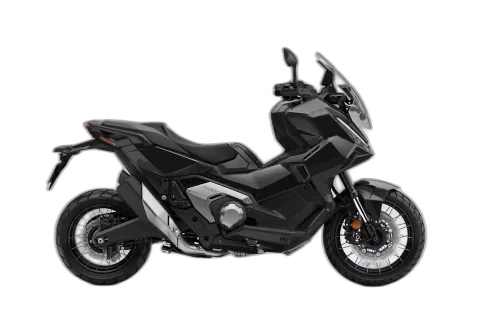
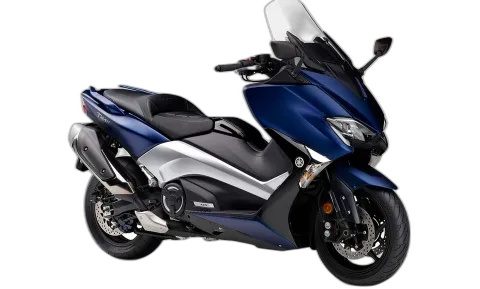
Best scooter for NYC?

A solid fit, not a perfect one. Twist-and-go ease, 65 mpg and a keyless system suit the daily grind, but 525 lb (238 kg) is a lot of scooter for tight parking. Check the ECU recall work has been done.

Made for New York City · Austin · Los Angeles