

KTM 390 Duke (MY2013) — Naked Bike
KTM Press

2013–2016 · Naked Bike · Buyer's Guide

390 Duke (MY2013)

3.5 / 5 NastyNils Rating · against its class

Small Frame, Serious Bite

The Machine's Character

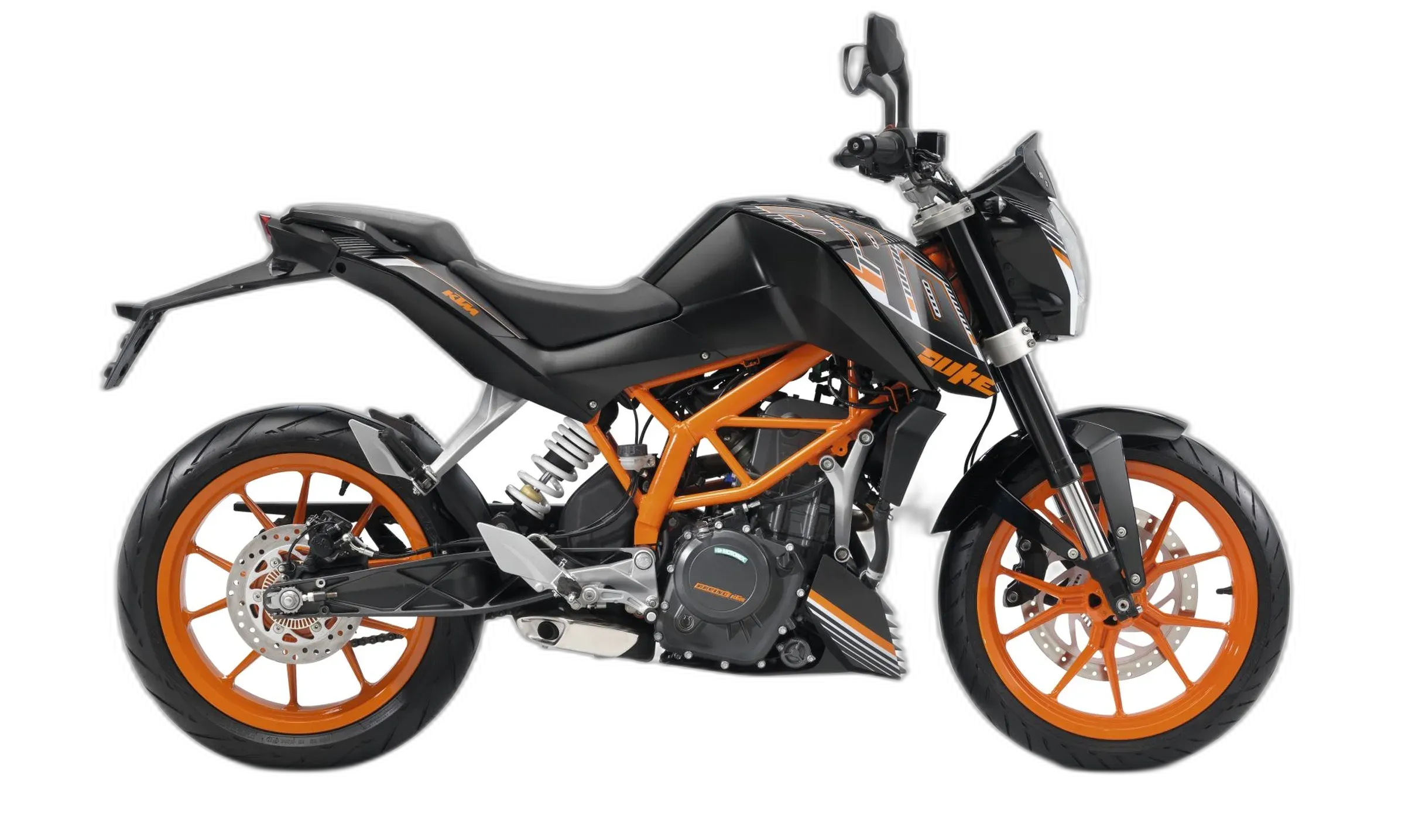
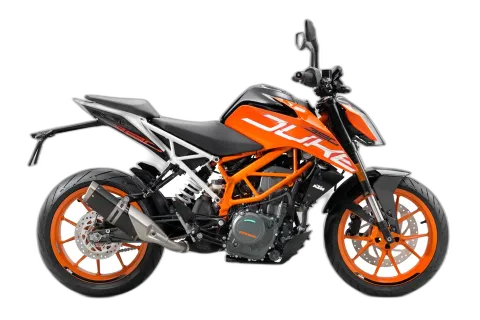
The 390 Duke takes a 373 cc liquid-cooled single, runs it up to 44 hp at 9,500 rpm, and hangs it in a trellis frame that looks like it wandered over from a much more expensive machine. The chassis is tiny, the wheelbase measures 53.8 in (1367 mm), and the whole thing is built around directness rather than polish. What separates this one from the usual small-displacement fare is that nothing feels like the cheap version of something else. The swingarm, the fit and finish, the Metzeler Sportec M5s on the rims, the six-speed gearbox that shifts buttery smooth, gate to gate. ABS is standard and switchable.

Ride it and the picture is simple. Power lives up top and you have to go get it, so you ring the motor out and the bike rewards you for it. Fueling down low is clean enough that town riding never turns into a chore. This is a first bike that a rider with twenty years of seat time can still enjoy, which is rare. The honest part: this generation has a service history worth reading carefully. Bolts back themselves out, the dash fogs up, chains and sprockets wear fast, fans and electrics misbehave, and a minority of units have grenaded gearboxes. Buy on maintenance records, not mileage.

Hard Numbers

Spec sheets don't ride bikes, but they set the baseline.

Show full specs & equipment Hide specs & equipment
Key specifications
Power 44 hp (32 kW) @ 9,500 rpm
Torque 26 lb-ft (35 Nm) @ 7,250 rpm
Displacement 373 cc
Engine Single-cylinder
Cooling Liquid-cooled
Gearbox 6-speed
Final drive Chain
Fork Telescopic
Front brake 300 mm
Front tire 110/70-17
Rear tire 150/60-17
Wheelbase 53.8 in (1367 mm)
Seat height 31.5 in (800 mm)
Fuel capacity 2.9 gal (11 L)
Top speed 100 mph (161 km/h)
Fuel economy 50 mpg (US)

Equipment check

Chassis

  • Rear Suspension Adjustable Standard

Safety

  • ABS Standard

The Voice of Experience

Portrait of NastyNils

The test ride

First thing your hands notice is the clutch. It's a firm pull, and after twenty minutes crawling through traffic, smaller hands will be asking for a break. Everything else up front is easy. The bars sit high and wide, your upper body is relaxed, and the 31.5 in (800 mm) seat puts you over the bike rather than perched on top of it. Roll the throttle and the single sounds like it means it without hammering your spine. Up around 100 mph (161 km/h) the wind hits your chest with nothing to hide behind, because there's no screen fitted from the factory. That's a genuine gap on a highway slog. Six feet and up, the knee bend starts talking to you after an hour or two. The gearbox, though, is flawless. Every shift lands where you aimed it.

Rated point by point — where it earns its keep

My own 0–100 score for this bike against the class, area by area — the marker on each bar is the class average.

Point it at a corner and it's already there. The steering is faster than I expect to be manageable, and my first thought was that a newer rider would get bitten for using it. That isn't what happens. It stays honest right up to what you ask of it, so somebody in their first season reads the sharpness as confidence instead of a threat, while I get an adrenaline hit out of the exact same behavior. Aggressive on paper, forgiving in practice, and that is a hard balance to land.

The trick this bike pulls is how much mischief is available at sane speeds. The front wheel comes up in first without any drama at all, and once that feels normal, second is within reach if you put the practice in. Switch the ABS off and the rear will step out for you as well. That's the part I didn't expect from a machine pitched at newcomers. Hand it to two different riders back to back and you get two completely different motorcycles out of the same hardware.

What you can put your hands on is better than the price suggests. I went over the frame and the swingarm closely and the welds, the finish and the detailing all read like hardware off a considerably more expensive motorcycle. Nothing on this bike feels like the discount version of a good part. My only complaint from the test unit, which was pre-production, was one bolt that worked its way out of the chain guide. Everything else stayed exactly where the factory put it.

There's no corner cut here, and at this price I went looking for one. The ABS behaves like a system somebody actually developed rather than a box ticked for the brochure. It stays calm under hard use, never snatches at the lever, and never barges into a stop I already had under control, so after the first afternoon I stopped thinking about it entirely. And if I want to misbehave on a back road, it switches off. That combination is rarer down here than it should be.

From the waist up I can sit on this bike for hours and never think about it. The bars fall where I want them and the upper body stays relaxed. Below that, if you're taller than average, the legs run out of room and a full day in the saddle turns into work, so I plan shorter hops and more stops rather than pretending otherwise. The tinted deflector that finishes the bike off visually is an accessory, not factory equipment, and I'd tick that box at the time of ordering, because at highway speed the missing coverage is not a cosmetic issue. The clutch is the one control I would change: lighter hands pay for it during long stints in traffic, and other machines at this displacement give you an easier lever. What keeps the whole package civil is the transmission, which shifts clean every single time I ask and takes the friction out of a busy commute.

Wind it out. That's the instruction, and the motor never complains about it. The good stuff lives at the top of the tach and I ride it there without worrying, because the maintenance intervals stay sensible for something that enjoys revs this much. What impressed me more is the behavior in the other direction. Low rpm around town, throttle open, and none of the old single-cylinder ugliness shows up. No surge, no stumble, nothing hammering up through the seat. Somebody did the fueling calibration properly.

Tires are where a bike at this money usually gets quietly cheapened, and it matters more than most riders realize, because the rubber decides how much of a chassis you ever get to use. Not here. Proper Metzeler Sportec M5s come fitted from the factory. That means the first job with a new bike isn't setting money aside to replace junk before you can enjoy the thing. Small line on an equipment list. It changes the entire first season.

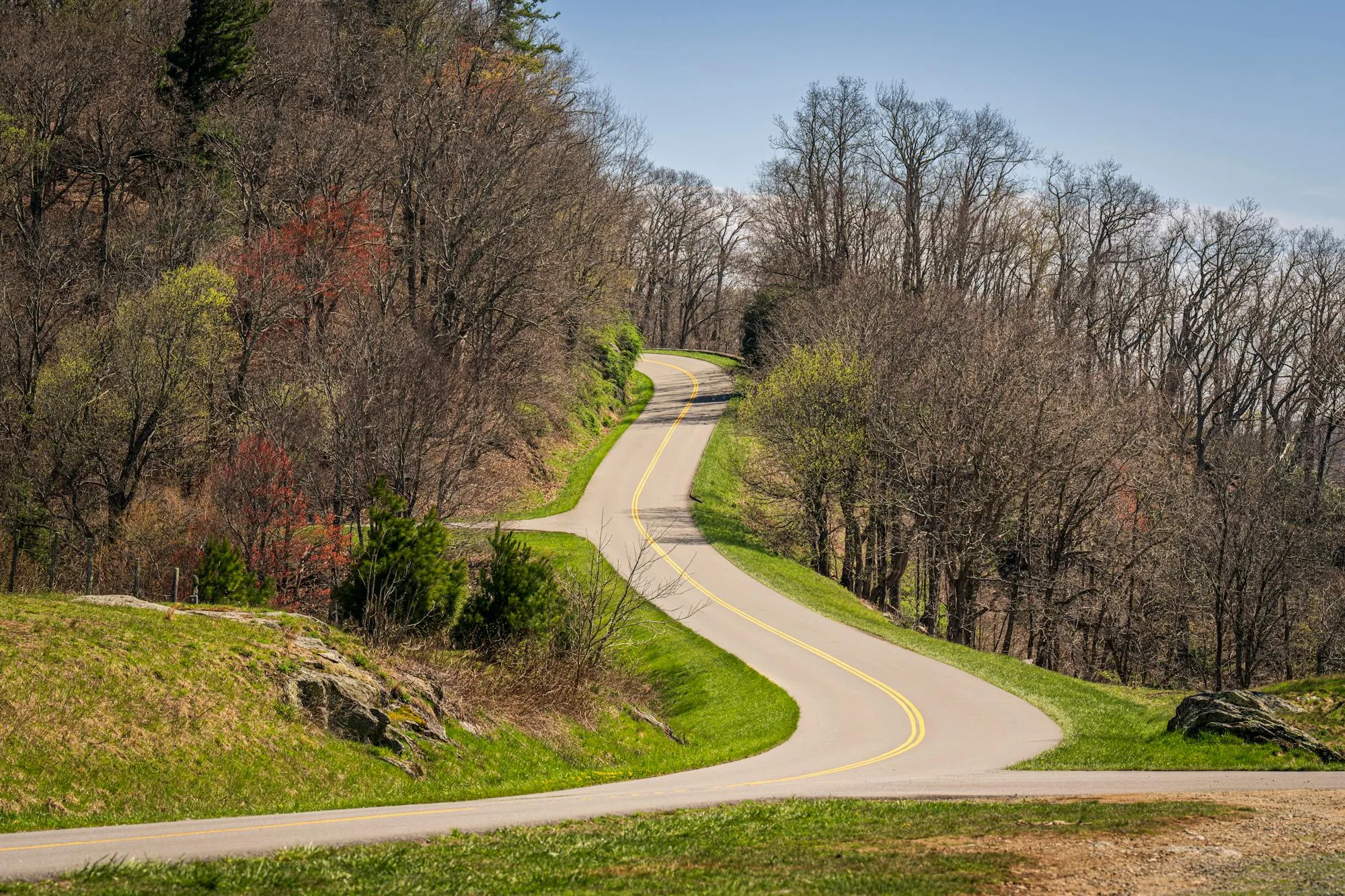
A winding asphalt road descending through the Appalachian Mountains, likely the famous Tail of the Dragon section in Tennessee and North Carolina. Multiple technical right-hand and left-hand curves are visible in this aerial perspective, surrounded by deciduous forest in spring foliage. Clear sunny conditions, well-maintained asphalt with yellow center lines marking the curves.
Mark Stebnicki / Pexels

The Truth on the Street

I've been collecting notes on this bike for years: paddock conversations, club nights, owners cornering me at events, and the messages riders send me directly. The picture that comes back is consistent. Plenty of praise for what the 390 Duke does in the city and on a back road, and steady doubt about how it holds up over time.

Why Owners Love It In Town

Riders come back to the weight and the size before anything else. They describe direction changes that cost almost no effort, gaps in traffic taken without a second thought, and parking that stops being a chore. Narrow and short is how owners keep putting it. The engine is the other constant. They talk about strong drive once it clears 6,000 rpm and a willing thumper character from there on up.

Where Confidence Starts To Slip

Durability is the doubt that keeps surfacing. Oil leaks and electrical faults come up often enough that owners discuss this bike's long-term prospects with real hesitation, and the confidence they've lost is usually the part they mention first. Distance is the second theme: firm suspension and thin padding keep the rides short. A smaller group mentions the throttle coming in abruptly at low speed, mostly when reopening it after a closed throttle.

Known issues

  • Vibrating loose bolts

    chassis occasional

    Bolts, especially the sidestand mounting bolts, tend to vibrate loose; threadlocker is often necessary.

  • Gearbox failures

    drivetrain rare

    A minority of units suffered catastrophic gearbox breakdowns, often requiring full replacement at a cost exceeding the bike's value.

  • Overheating / fan problems

    cooling rare

    Insufficient cooling led to fan failures and high engine temperatures in stop-go traffic, triggering limp mode.

  • Electrical system glitches

    electrics common

    Various sensors and solenoids fail sporadically, leading to warning lights, intermittent starting issues, and erratic behavior. Some owners report complete electrical shutdowns.

  • Stalling when hot or cold

    fuel system occasional

    Difficult hot or cold starting, and occasional engine cut-outs while idling or at low speeds, possibly related to fueling.

  • Condensation in instrument cluster

    electrics occasional

    Moisture often penetrates the analog/LCD dash, fogging the display and potentially damaging electronics.

  • Rapid chain and sprocket wear

    drivetrain common

    The original equipment drive chain wears unusually fast, often requiring replacement well before typical intervals.

  • Engine oil leaks from rocker cover

    engine occasional

    Seepage from the cylinder head cover gasket area is reported, especially around the spark plug recess, requiring re-sealing.

The Expert Benchmark

Where this KTM 390 Duke pulls ahead of — or falls behind — its rivals on the numbers, and the typical bike in its class on character.

What kind of bike this is — character vs. the class

This bike Class average

The shape of the KTM 390 Duke — numbers and character vs. the average Naked Bike

Head-to-head: KTM 390 Duke vs. its rivals

The 'Should I Buy It?' Score

Forget spec-sheet bragging. Here's who the 390 Duke is actually built for.

A scenic view of Angeles Crest Highway winding through rugged Southern California canyon terrain. Rocky mountainsides with golden earth tones frame the asphalt road with tight sweeping curves. Double yellow center line visible, sparse vegetation along the shoulders, clear blue sky with white clouds. Daylight, dry conditions. Iconic location for canyon-road enthusiasts.
Josh Sorenson / Pexels

Best motorcycle for Bay Area?

Small, sharp, and photogenic in that orange trellis way. It threads city traffic easily, gets 50 mpg, and has enough bite on the ridge roads to keep the weekend run interesting.

Made for Bay Area Ridge Roads · San Francisco / Bay Area · Skyline Boulevard / Alice's Restaurant
Best motorcycle for Angeles Crest?

This won't win you a straight line, but the turn-in is instant and the lean clearance is there. On a tight canyon road, carrying momentum on a light bike teaches more than horsepower does.

Made for Angeles Crest Highway · Coronado Trail / US 191 · Highway 1 / Big Sur

Best motorcycle for Tail of the Dragon?

Built for exactly the riding you do: tight, technical, repeat laps of the same road. Light handling and honest feedback let you work on lines instead of wrestling weight.

Made for Back of the Dragon · Blue Ridge Parkway · Cherohala Skyway