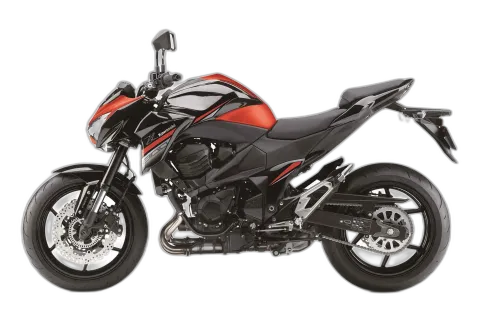

Kawasaki Z750 (MY2004) — Naked Bike
Kawasaki Press

2004–2006 · Naked Bike · Buyer's Guide

Z750 (MY2004)

3.5 / 5 NastyNils Rating · against its class

Superbike DNA, Streetable Package

The Machine's Character

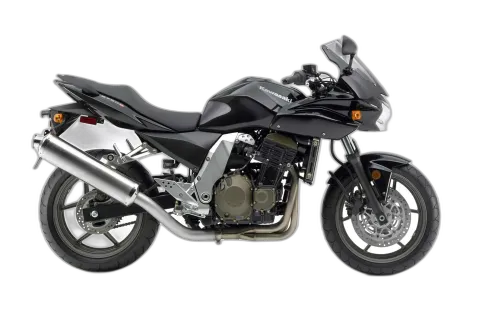
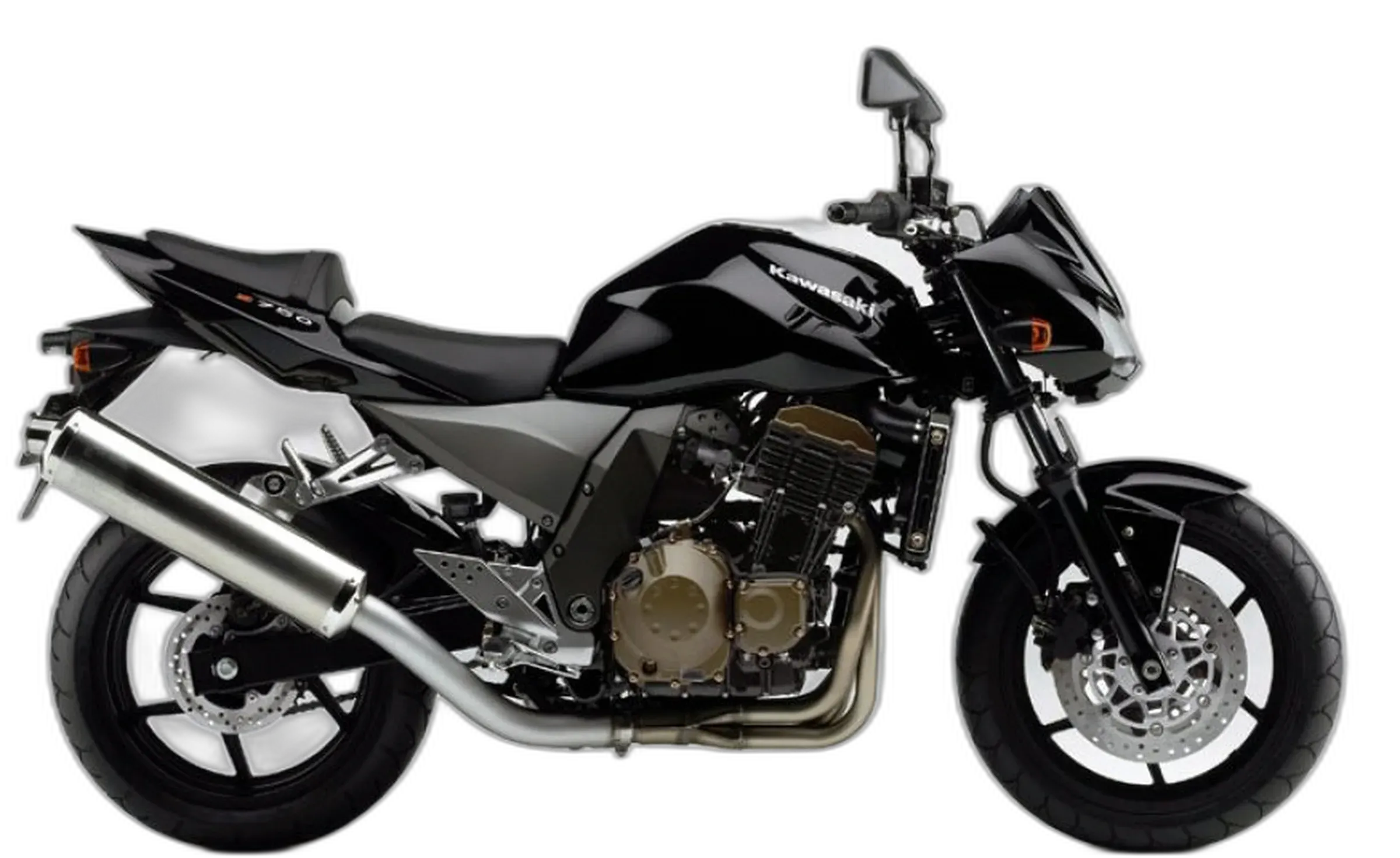
Kawasaki built this Z750 around a 748 cc inline-four with superbike architecture behind it, and the numbers tell you what that means on the road: 110 hp at 10,500 rpm, 55 lb-ft at 8,200 rpm. It wants revs and it pays you back for using them, pulling all the way out to 138 mph. There is nothing sitting between your right hand and the rear tire. No ride modes, no traction control, no ABS. A liquid-cooled four, a six-speed box, a chain, 481 lb wet, and steering geometry sharp enough to make the whole thing feel smaller than it is.

It ages honestly. The engine and running gear hold up, running costs stay genuinely low, and parts and aftermarket support are easy to come by years down the line. This is the bike for a rider who wants real four-cylinder performance on a used-bike budget and does not need a screen full of electronics to enjoy it. The honest caveat is cosmetic rather than mechanical: the steel frame and swingarm corrode, particularly around the headstock and top shock mount, and the standard silencer streaks with surface rust. A Z750 that lived outside through winters will look tired long before it rides tired.

Hard Numbers

Spec sheets don't ride bikes, but they set the baseline.

Show full specs & equipment Hide specs & equipment
Key specifications
Power 110 hp (81 kW) @ 10,500 rpm
Torque 55 lb-ft (75 Nm) @ 8,200 rpm
Displacement 748 cc
Engine Inline-four
Cooling Liquid-cooled
Gearbox 6-speed
Final drive Chain
Fork Telescopic
Front brake 300 mm
Front tire 120/70-17
Rear tire 180/55-17
Seat height 32.1 in (815 mm)
Wet weight 481 lb (218 kg)
Fuel capacity 4.8 gal (18 L)
Top speed 138 mph (222 km/h)
Fuel economy 35 mpg (US)

Equipment check

Chassis

  • Rear Suspension Adjustable Standard
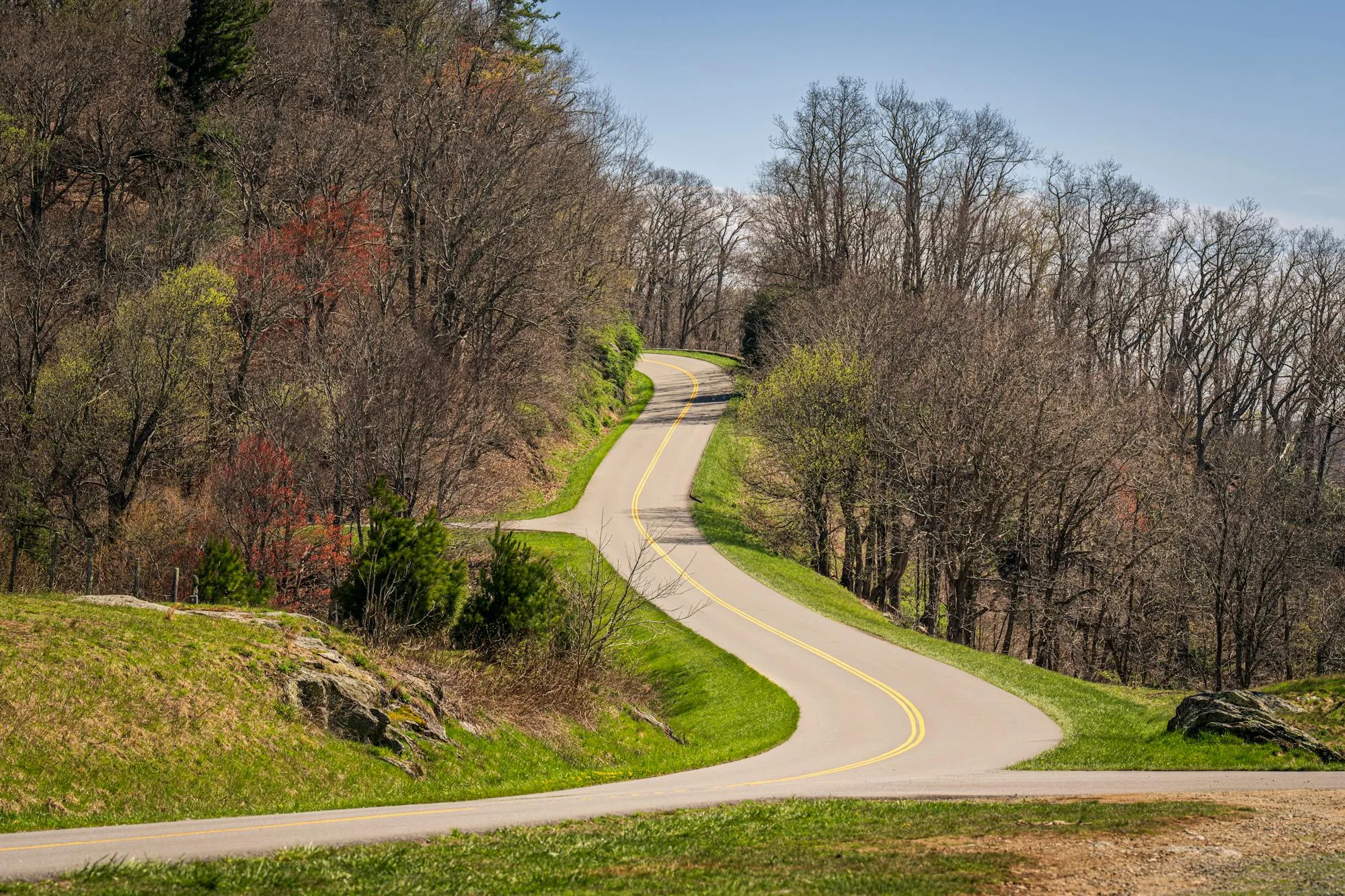
A winding asphalt road descending through the Appalachian Mountains, likely the famous Tail of the Dragon section in Tennessee and North Carolina. Multiple technical right-hand and left-hand curves are visible in this aerial perspective, surrounded by deciduous forest in spring foliage. Clear sunny conditions, well-maintained asphalt with yellow center lines marking the curves.
Mark Stebnicki / Pexels

The Truth on the Street

What follows isn't my own road test. It's what I've heard from Z750 owners over the years: paddock talk, club nights, riders catching me after a demo day, and the messages that land in my inbox from people who've lived with one. The pattern is remarkably consistent. Riders love what the engine and the chassis give them, and they tell you just as quickly where the money was saved.

Riders Buy It For The Engine

The four-cylinder is the thing owners bring up first, every time. They describe a motor that wants to be revved and rewards it with a hard top-end rush, with enough midrange underneath that it never feels peaky. Riders coming off 600s and 650 twins consistently say it simply out-pulls what they had. Close behind that comes the handling: light steering, a chassis that stays planted, and a bike that feels willing on a twisty road rather than something you have to wrestle. The third theme is price. For what it cost, owners felt they were getting far more performance than the money suggested.

Where The Money Was Saved

The suspension draws the most consistent criticism. Riders describe a soft front end with nothing to dial in and a rear that rides harshly, which shows up when the pace picks up or when there's a heavier rider aboard. The seat is the next recurring gripe: narrow and thin, and owners tend to start shifting around after about an hour. Braking comes up too. The front is widely described as short on bite and feel, taking a bit of use before it works properly, though most riders say it does the job at normal road speeds.

Known issues

  • Exhaust can streaking with rust

    exhaust common

    The standard silencer develops surface rust and discoloration, particularly after winter use.

  • Frame and swingarm corrosion

    chassis occasional

    Rust can appear on the steel frame, especially around the headstock and top shock mount, and on the swingarm.

The Expert Benchmark

Where this Kawasaki Z750 pulls ahead of — or falls behind — its rivals on the numbers, and the typical bike in its class on character.

What kind of bike this is — character vs. the class

This bike Class average

The shape of the Kawasaki Z750 — numbers and character vs. the average Naked Bike

Head-to-head: Kawasaki Z750 vs. its rivals

The 'Should I Buy It?' Score

Forget spec-sheet bragging. Here's who the Z750 is actually built for.

A scenic view of Angeles Crest Highway winding through rugged Southern California canyon terrain. Rocky mountainsides with golden earth tones frame the asphalt road with tight sweeping curves. Double yellow center line visible, sparse vegetation along the shoulders, clear blue sky with white clouds. Daylight, dry conditions. Iconic location for canyon-road enthusiasts.
Josh Sorenson / Pexels

Best motorcycle for Angeles Crest?

For Angeles Crest weekends this works: light steering, plenty of lean clearance, and a top end that rewards revs. Accept that you get no traction control and no ABS on cold morning tarmac.

Made for Angeles Crest Highway · Coronado Trail / US 191 · Highway 1 / Big Sur
Best motorcycle for Tail of the Dragon?

On tight Dragon and Cherohala work the Z750 is a good teacher, since the feedback is direct and nothing electronic filters what the tires tell you. The fixed fork limits how far you can fine-tune it.

Made for Back of the Dragon · Blue Ridge Parkway · Cherohala Skyway

Best motorcycle for Texas Hill Country?

Hill Country loops suit it well. Low running costs, 4.8 gallons for real range between towns, and enough engine to keep a fast group honest without turning every ride into an expense.

Made for Austin / Texas Hill Country · Twisted Sisters · Austin / Handbuilt Motorcycle Show