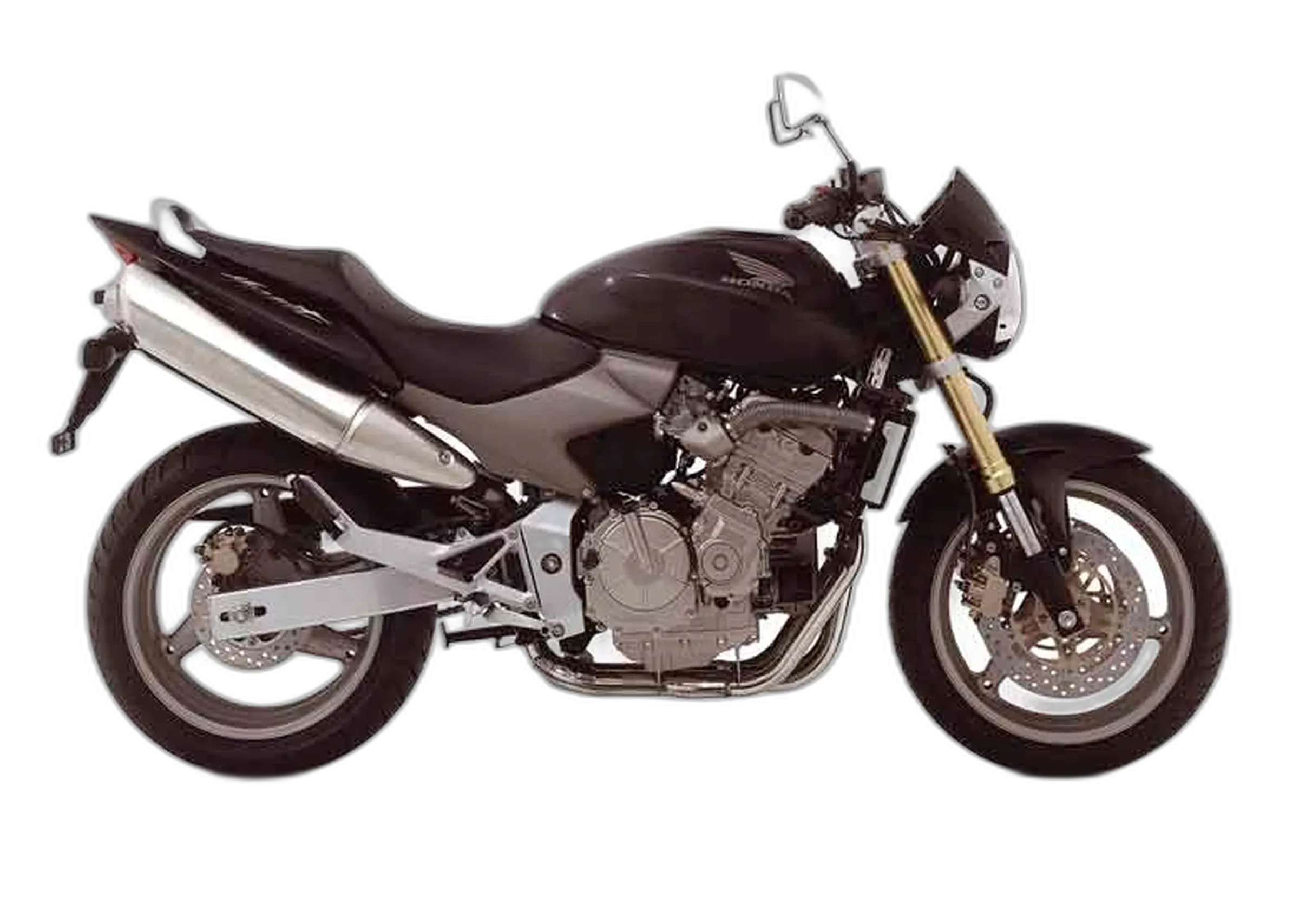

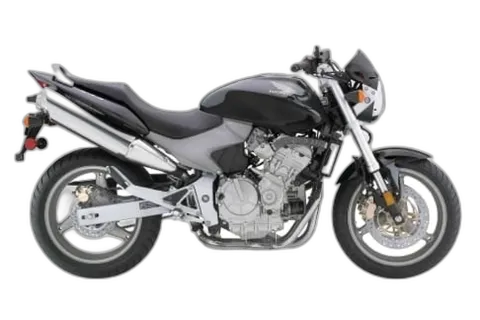
Honda CB600F Hornet (PC36) — Naked Bike
Honda press archive

2002–2006 · Naked Bike · Buyer's Guide

CB600F Hornet (PC36)

3.5 / 5 NastyNils Rating · against its class

Rev It Hard, Ride Easy

The Machine's Character

Honda built the PC36 Hornet around a 599 cc inline-four taken from its supersport line and wrapped it in a chassis built to a price. The result makes 97 hp at 12,000 rpm and 46 lb-ft at 9,500, which tells you exactly where this bike lives. Below 5,000 rpm it is polite and unhurried. The real thrust waits in the last third of the tach, just short of the limiter. Upside-down fork, a 296 mm front disc, 437 lb wet. No ABS, no traction control, no ride modes. What you get is the engine, the chassis, and your right hand.

The seat sits at 31.1 in, the bars are wide, and it changes direction with very little input, so the first ten minutes feel familiar even if you have never ridden a four. Wind pressure handles the speed limiting for you, which is exactly what a naked bike should do. This suits a rider who wants a sharp weekend tool that still survives Monday traffic without drama, and who would rather spend money on tires than on electronics. The honest caveat: the fork has no adjustment of any kind, only the shock takes preload, and on a bike this age the wiring needs checking before the engine does.

Hard Numbers

Spec sheets don't ride bikes, but they set the baseline.

Show full specs & equipment Hide specs & equipment
Key specifications
Power 97 hp (71 kW) @ 12,000 rpm
Torque 46 lb-ft (63 Nm) @ 9,500 rpm
Displacement 599 cc
Engine Inline-four
Cooling Liquid-cooled
Gearbox 6-speed
Final drive Chain
Fork Upside-down (USD)
Front brake 296 mm
Front tire 120/70-ZR17
Rear tire 180/55-ZR17
Wheelbase 55.9 in (1420 mm)
Seat height 31.1 in (790 mm)
Wet weight 437 lb (198 kg)
Fuel capacity 4.5 gal (17 L)
Top speed 142 mph (229 km/h)
Fuel economy 36 mpg (US)

Equipment check

Chassis

  • Rear Suspension Adjustable Standard
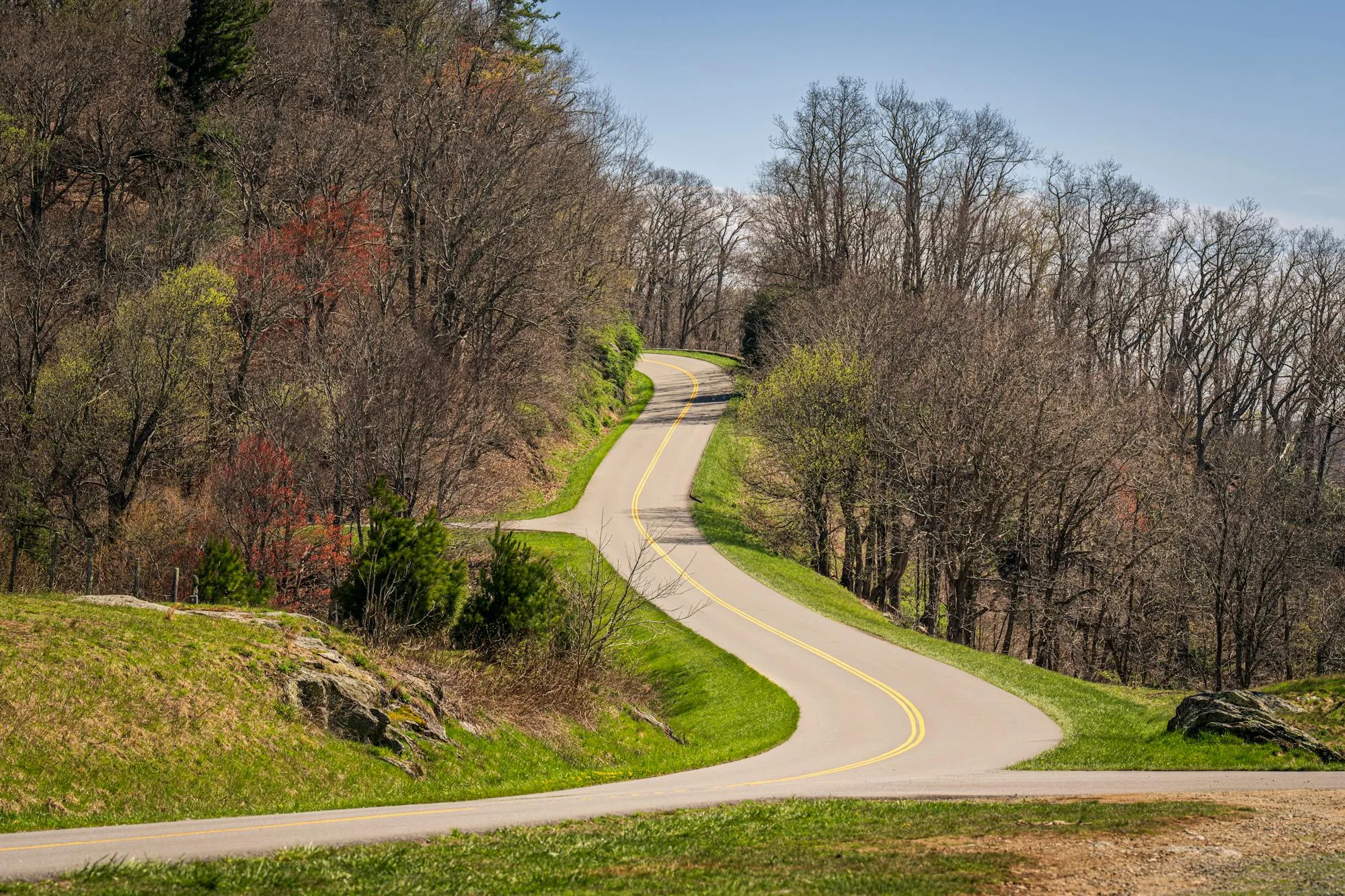
A winding asphalt road descending through the Appalachian Mountains, likely the famous Tail of the Dragon section in Tennessee and North Carolina. Multiple technical right-hand and left-hand curves are visible in this aerial perspective, surrounded by deciduous forest in spring foliage. Clear sunny conditions, well-maintained asphalt with yellow center lines marking the curves.
Mark Stebnicki / Pexels

The Truth on the Street

This picture comes from years of listening: conversations in the paddock, owners comparing notes on club nights, and the steady stream of messages riders send me about their own bikes. On the PC36 Hornet, what riders say is remarkably consistent. They praise how durable the motor is and how little the bike demands of them, and they grumble about the same short list of compromises.

A motor owners stop worrying about

The engine comes up first in almost every conversation. Owners talk about it the way people talk about an old tool that never broke. Bikes with six-figure mileage and no engine rebuild are part of the story. Riders who like to work the tach say it pulls with real enthusiasm above 9,000 rpm. The ones who tinker point out that its CBR roots make it friendly to tuning. Owners also describe it as inexpensive to keep on the road. Service intervals are long, parts are easy to find and cheap, and yearly maintenance bills stay small.

Forgiving enough for anyone

Ask riders about the handling and you hear the word forgiving again and again. Beginners and seasoned riders alike say it asks nothing special of them. Owners use it for everything: the commute, weekend trips and crawling through town. Many call it the one bike that covers all of that.

Where owners feel the compromises

The most common gripe is about that same engine. It wants revs, and below 5,000 rpm owners call it sluggish. Riders who like to cruise at low rpm or potter along at slow speeds find it flat. On 2002–2004 bikes the fork draws complaints for being soft with nothing to adjust, and riders who push hard often recommend progressive springs or a replacement setup. Highway riders mention how exposed they feel with no stock screen. Owners of early models say the tank runs dry sooner than they'd like, with roughly 80 to 125 miles (130–200 km) between stops when ridden hard. The rest of the list is about equipment: no electronic rider aids, preload as the shock's only adjustment, and brakes owners describe as basic.

Known issues

  • Automatic cam chain tensioner failure

    engine common

    The stock automatic cam chain tensioner can wear and fail. Symptom: rattling/clattering when closing the throttle while warm. Widely cited as the most well-known problem of the Hornet series. Aftermarket solutions (manual cam chain tensioners) are common.

  • Radiator fan not engaging; overheating tendency

    cooling occasional

    The thermostat-controlled radiator fan can fail due to a blown fuse (10A under seat), temperature sensor defect, or fan motor failure. Leads to overheating in stop-and-go traffic. Low coolant from neglected maintenance exacerbates the problem.

  • Voltage regulator/rectifier failure

    electrics occasional

    The regulator/rectifier can fail, causing charging problems (battery not charging or overcharging). Symptoms: dead battery, blown bulbs, fluctuating voltage. Heat-related, as it is mounted close to the engine. This is a known cross-generational Honda problem, not specific to the PC36 but documented for it.

  • Sticking float needle valves in carburetors

    fuel system occasional

    The float chamber needle valves can stick, causing excessive fuel consumption or fuel overflow. Occurs particularly after extended storage. Requires carburetor cleaning.

  • Surface corrosion on lower triple clamp

    chassis occasional

    The lower triple clamp is prone to surface corrosion with year-round use and road salt exposure. Not a structural problem, but visually noticeable and progressive if maintenance is neglected.

The Expert Benchmark

Where this Honda CB600F Hornet pulls ahead of — or falls behind — its rivals on the numbers, and the typical bike in its class on character.

What kind of bike this is — character vs. the class

This bike Class average

The shape of the Honda CB600F Hornet — numbers and character vs. the average Naked Bike

Head-to-head: Honda CB600F Hornet vs. its rivals

The 'Should I Buy It?' Score

Forget spec-sheet bragging. Here's who the CB600F Hornet is actually built for.

A scenic view of Angeles Crest Highway winding through rugged Southern California canyon terrain. Rocky mountainsides with golden earth tones frame the asphalt road with tight sweeping curves. Double yellow center line visible, sparse vegetation along the shoulders, clear blue sky with white clouds. Daylight, dry conditions. Iconic location for canyon-road enthusiasts.
Josh Sorenson / Pexels

Best motorcycle for Angeles Crest?

It works in the canyons as long as you keep it in the top half of the tach and accept there is no electronic safety net. Light, honest, quick to turn. You bring the skill and good tires.

Made for Angeles Crest Highway · Coronado Trail / US 191 · Highway 1 / Big Sur
Best motorcycle for Tail of the Dragon?

Tight, repeated corners are where this Hornet earns its keep. It changes direction with almost no effort and leans further than most riders use. Budget for the fork having no adjustment.

Made for Back of the Dragon · Blue Ridge Parkway · Cherohala Skyway

Best motorcycle for Texas Hill Country?

Upright, cheap to run, and comfortable enough for a full Saturday of Hill Country roads. The 4.5 gal tank keeps fuel stops sensible on the long stretches between the good corners.

Made for Austin / Texas Hill Country · Twisted Sisters · Austin / Handbuilt Motorcycle Show