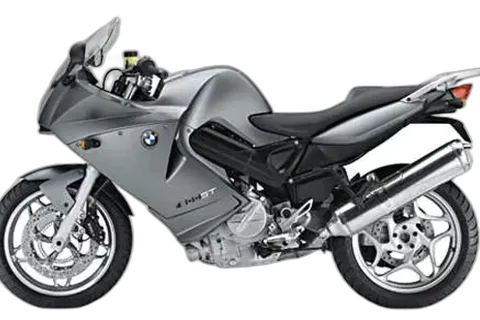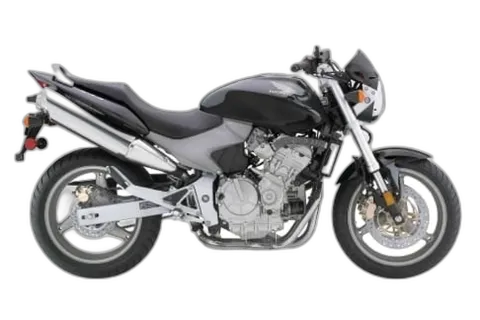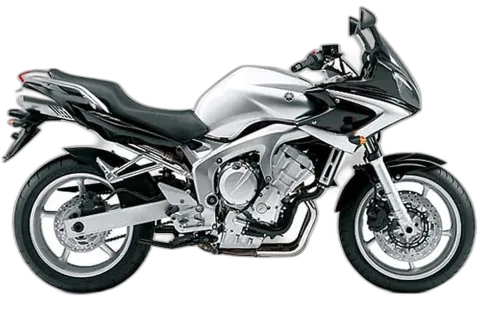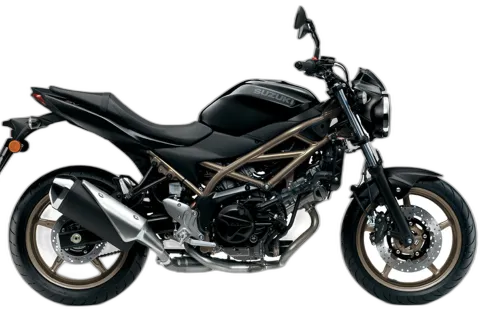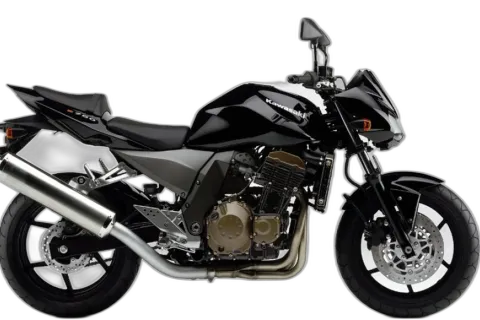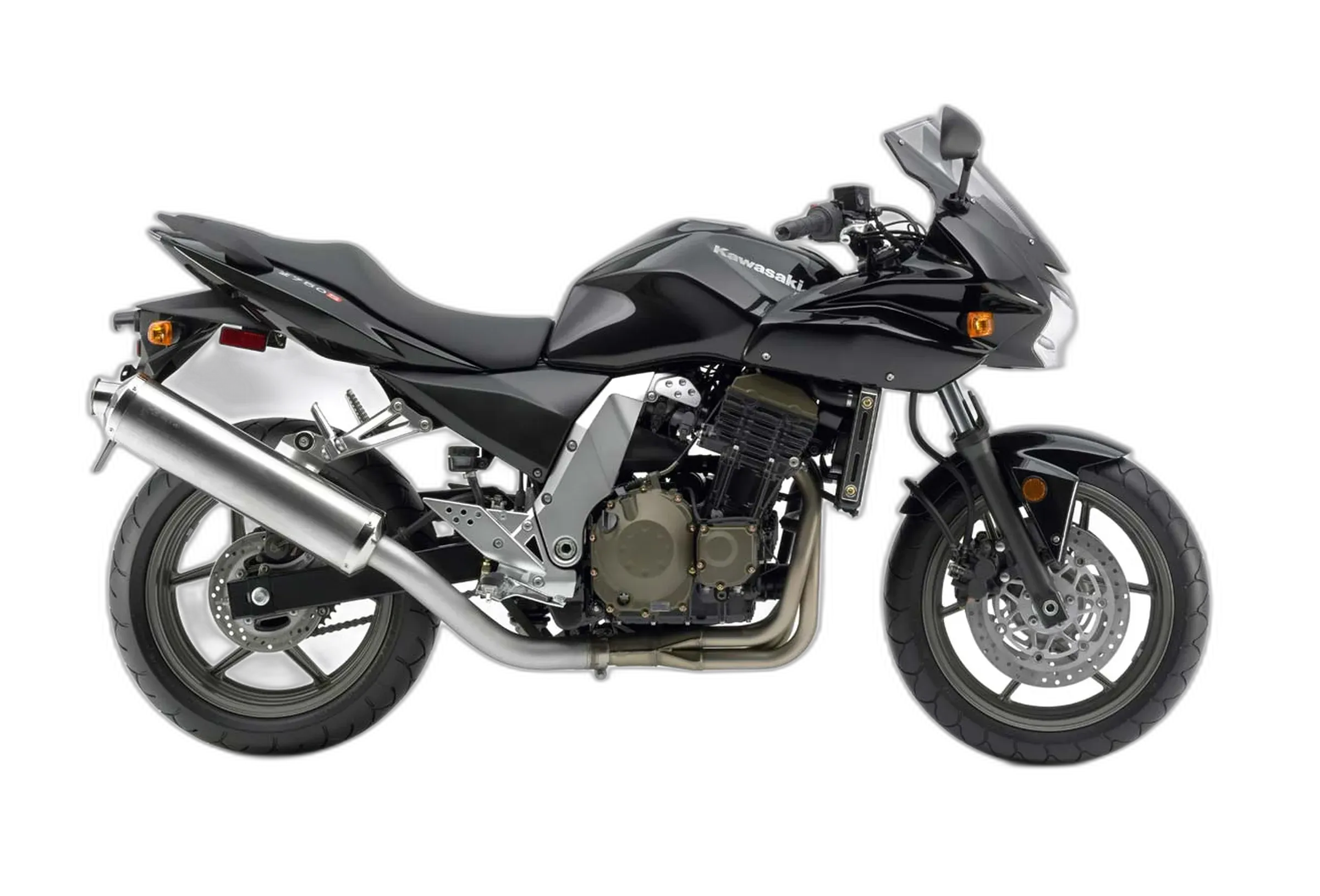

Kawasaki Z 750S (Z750S-MY2005) — Naked Bike
Kawasaki press archive

2005–2006 · Naked Bike · Buyer's Guide

Z 750S (Z750S-MY2005)

3.5 / 5 NastyNils Rating · against its class

Naked Muscle, Fairing Added

The Machine's Character

Kawasaki took the 748 cc inline-four out of the Z750 family, put a small upper fairing and a taller screen in front of it, and left the rest alone. That is the whole idea. You get 110 hp at 10,750 rpm, 55 lb-ft at 8,200 rpm, a six-speed box, chain drive, and no electronics whatsoever: no ABS, no traction control, no ride modes. In its class it sits with riders who wanted naked-bike attitude without eating full wind pressure for two hours on the way out to the good roads.

It rides like a bike built by people who weren't trying to prove anything. 483 lb wet with a 32.1 in seat puts it in ordinary territory for an average-height rider, and nothing about the controls asks for special handling. It ages well where it counts and badly where you can see it. Engine case paint flakes off the crankcase and head, the stock silencer surface rusts, fork stanchions and the shock body spot up after a salted winter. The real caveat is suspension: the fork has no adjustment at all and the rear shock gives you preload to work with, so you set sag out back and live with what the fork does.

Hard Numbers

Spec sheets don't ride bikes, but they set the baseline.

Show full specs & equipment Hide specs & equipment
Key specifications
Power 110 hp (81 kW) @ 10,750 rpm
Torque 55 lb-ft (75 Nm) @ 8,200 rpm
Displacement 748 cc
Engine Inline-four
Cooling Liquid-cooled
Gearbox 6-speed
Final drive Chain
Fork Telescopic
Front brake 300 mm
Front tire 120/70-17
Rear tire 180/55-17
Wheelbase 56.3 in (1429 mm)
Seat height 32.1 in (815 mm)
Wet weight 483 lb (219 kg)
Fuel capacity 4.8 gal (18 L)
Top speed 138 mph (222 km/h)
Fuel economy 35 mpg (US)

Equipment check

Chassis

  • Rear Suspension Adjustable Standard
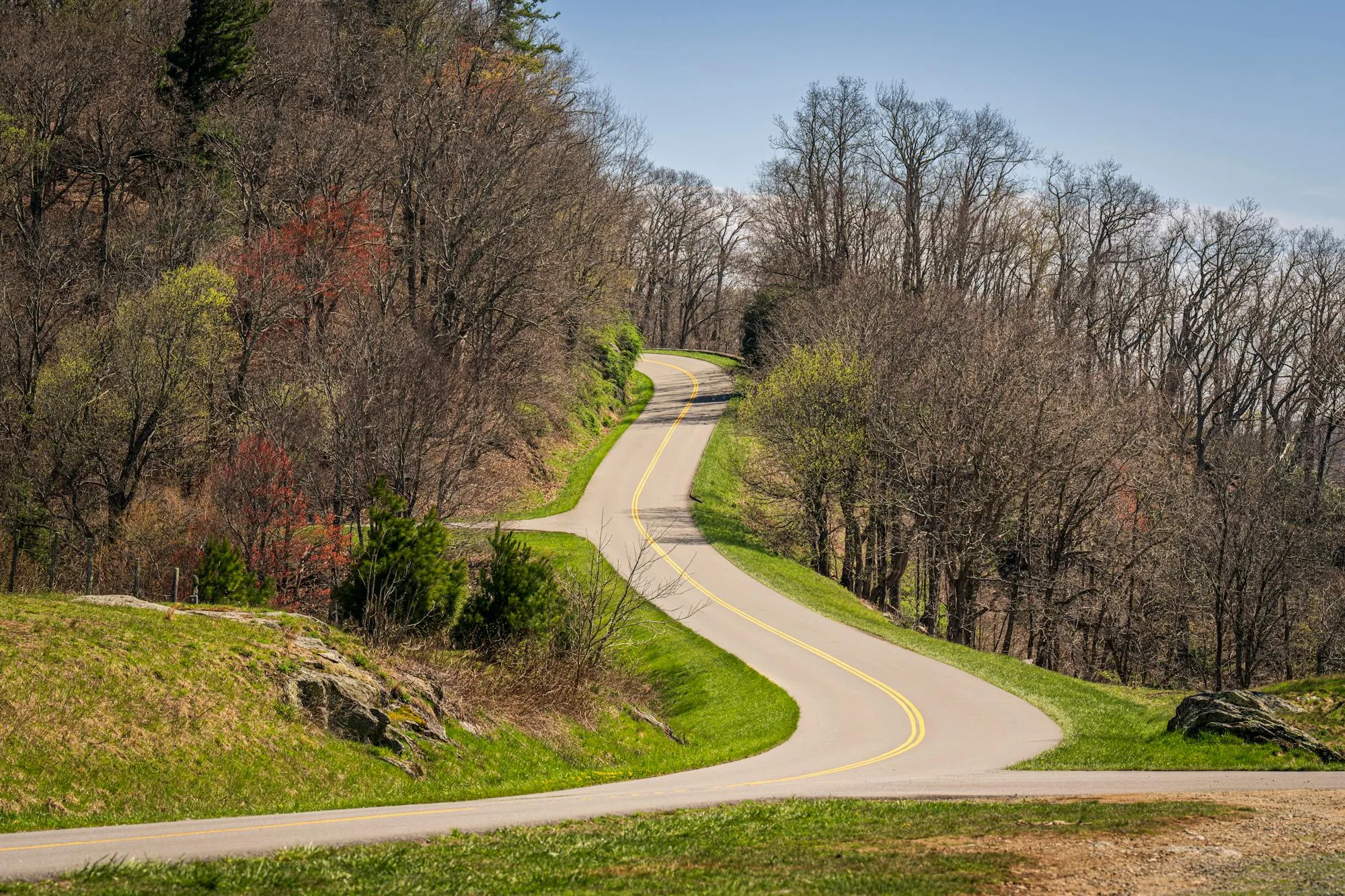
A winding asphalt road descending through the Appalachian Mountains, likely the famous Tail of the Dragon section in Tennessee and North Carolina. Multiple technical right-hand and left-hand curves are visible in this aerial perspective, surrounded by deciduous forest in spring foliage. Clear sunny conditions, well-maintained asphalt with yellow center lines marking the curves.
Mark Stebnicki / Pexels

The Truth on the Street

Two decades of paddock conversations, club-night talk, and messages from owners who write in directly. That is where this comes from. For the Z750S the chatter splits cleanly: riders talk about the engine and the chassis first, then spend just as long on the parts built down to a price.

The motor carries the conversation

The engine is what owners bring up first, and they describe it the same way every time: strong through the middle with no flat spot to ride around, and still pulling hard at the top. Riders stepping up from smaller fours say the difference is bigger than expected. Close behind is the chassis. Owners call it agile and neutral, quick to change direction, and settled enough to carve a good road without unsettling itself.

The parts owners replace first

The recurring gripe is suspension. Riders describe the fork as too soft when pushed and the rear as harsh over bumps, jarring on anything but smooth pavement. Brakes come up almost as often: owners say the front feels underpowered for the bike's pace and needs cleaning through the winter to keep decent feel. After that it's the contact points. The seat goes painful after about an hour, and the mirrors show little enough that many owners fit aftermarket ones.

Known issues

  • Fuel pump clogging and tank rust

    fuel system occasional

    Residues from fuel and internal tank corrosion can clog the fuel pump, leading to inconsistent fuel delivery and hard starting. Storing the bike with a full tank and using fuel stabilizer reduces risk.

  • Ignition coil failures

    electrics occasional

    Cracked or corroded ignition coils can cause misfires, stumbling, or a no-start condition. Regular inspection and replacement of aged coils is advised.

  • Sensor failures on older machines

    electrics occasional

    Various sensors (e.g., TPS, crank position) can fail as the bike ages, leading to running issues, but are easy to access and replace.

  • Loose fairing bolts and vibration-induced buzzing

    bodywork common

    The small fairing can develop an irritating buzz at highway speeds as its mounting bolts work loose over time. Applying thread locker and periodic tightening are necessary.

  • Radiator easily damaged due to exposed mounting

    cooling occasional

    The radiator is quite exposed and vulnerable to stone damage, potentially causing coolant leaks or overheating.

  • Exhaust and suspension corrosion

    bodywork occasional

    The stock silencer is prone to surface rust, and fork stanchions/rear shock body can develop rust spots if not cleaned regularly, especially after winter riding.

  • Flaking paint on engine cases

    bodywork common

    The engine paint is very thin and tends to flake off over time, especially on the crankcase and cylinder head.

The Expert Benchmark

Where this Kawasaki Z 750S pulls ahead of — or falls behind — its rivals on the numbers, and the typical bike in its class on character.

What kind of bike this is — character vs. the class

This bike Class average

The shape of the Kawasaki Z 750S — numbers and character vs. the average Naked Bike

Head-to-head: Kawasaki Z 750S vs. its rivals

The 'Should I Buy It?' Score

Forget spec-sheet bragging. Here's who the Z 750S is actually built for.

A scenic view of Angeles Crest Highway winding through rugged Southern California canyon terrain. Rocky mountainsides with golden earth tones frame the asphalt road with tight sweeping curves. Double yellow center line visible, sparse vegetation along the shoulders, clear blue sky with white clouds. Daylight, dry conditions. Iconic location for canyon-road enthusiasts.
Josh Sorenson / Pexels

Best motorcycle for Angeles Crest?

For Angeles Crest weekends it has the legs and the ground clearance, and the fairing spares you on the freeway slog out of town. Accept that the suspension is basic and no ABS is backing you up.

Made for Angeles Crest Highway · Coronado Trail / US 191 · Highway 1 / Big Sur
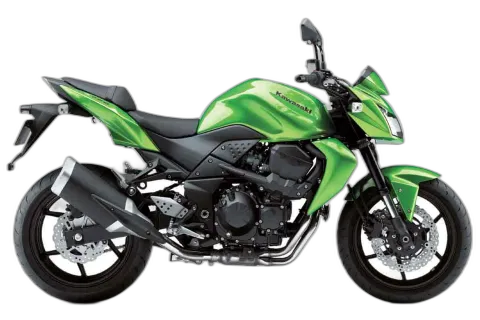
Best motorcycle for Tail of the Dragon?

On tight Appalachian roads it's willing and easy to place, and it rewards clean lines over brute speed. At 483 lb it wants a little more input than a small-bore bike does.

Made for Back of the Dragon · Blue Ridge Parkway · Cherohala Skyway

Best motorcycle for Texas Hill Country?

This is the sweet spot. Enough fairing for the long run out of Austin, enough motor for the Twisted Sisters, and running costs that leave the weekend budget intact.

Made for Austin / Texas Hill Country · Twisted Sisters · Austin / Handbuilt Motorcycle Show