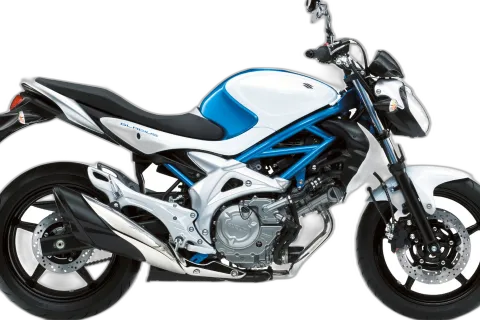
Suzuki SV650 (WVBY) — Naked Bike
Suzuki Press

2003–2008 · Naked Bike · Buyer's Guide

SV650 (WVBY)

Reliable, Flickable, Costs Nothing

The Machine's Character

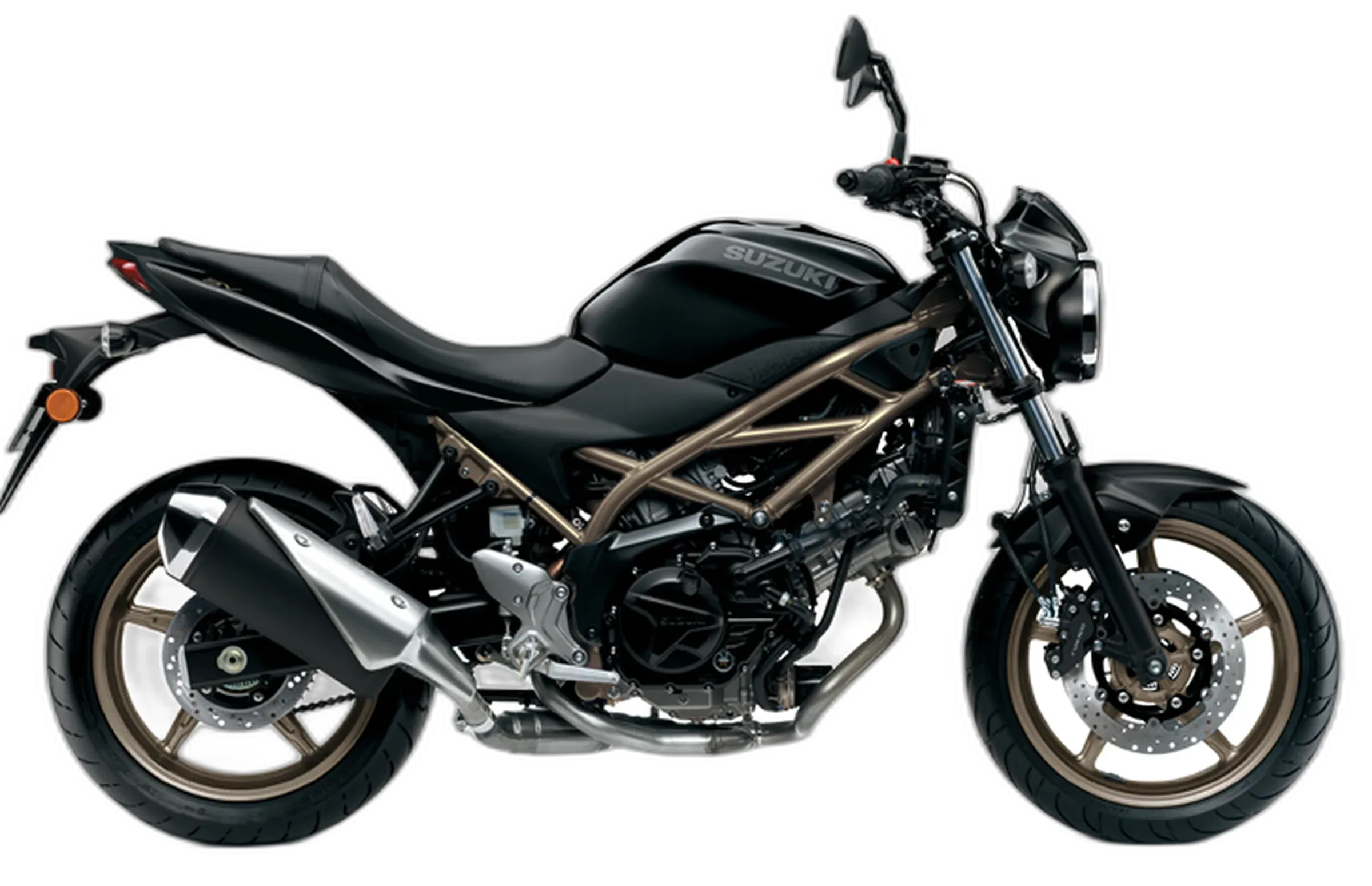
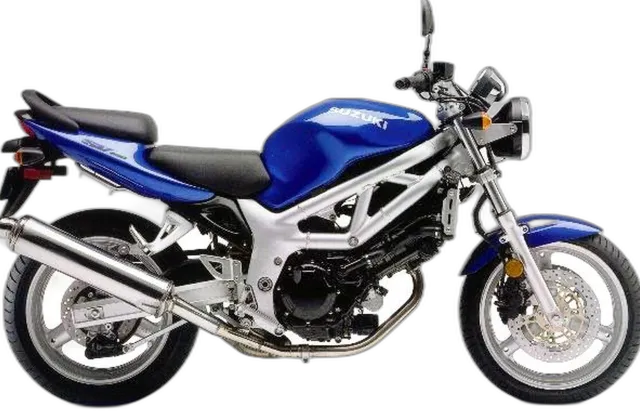
Suzuki built this SV650 around a 645 cc 90-degree V-twin, and that engine is the whole point of the bike. It makes 71 hp at 8,800 rpm and 47 lb-ft at 7,200 rpm, delivered as a rising, uneven pull rather than an ironed-out power curve. Liquid cooling, six speeds, chain drive, 403 lb wet, a 31.5 in seat over a 56.5 in wheelbase. Nothing in the package is exotic. What makes this generation matter is how completely the parts agree with each other, which is why it became the reference point riders use for affordable middleweight nakeds.

On the road it asks almost nothing of you before it gives something back. Steering is light, the reach to the bars is natural, and the bike stays readable at speeds that won't cost you your license. It ages the same way: the engine runs for years on oil changes and chains, and the electrical faults that do turn up are cheap and well understood. The caveat is the equipment list. No ABS, no traction control, and the fork carries no adjustment at all, so you ride inside what the chassis gives you. On California bikes from 2003 to 2006, confirm the fuel tank was replaced under NHTSA recall 06V013000 for the cracking vapor separator bracket.

Hard Numbers

Spec sheets don't ride bikes, but they set the baseline.

Show full specs & equipment Hide specs & equipment
Key specifications
Power 71 hp (52 kW) @ 8,800 rpm
Torque 47 lb-ft (64 Nm) @ 7,200 rpm
Displacement 645 cc
Engine 90° V-twin
Cooling Liquid-cooled
Gearbox 6-speed
Final drive Chain
Front tire 120/60-17
Rear tire 160/60-17
Wheelbase 56.5 in (1435 mm)
Seat height 31.5 in (800 mm)
Wet weight 403 lb (183 kg)
Fuel capacity 4.5 gal (17 L)

Equipment check

Chassis

  • Rear Suspension Adjustable Standard

The Voice of Experience

Portrait of NastyNils

The test ride

Hit the starter and the twin settles into a lumpy, offbeat idle you feel through the tank as much as you hear it. The vibration never fully leaves; it just changes character with revs, a slow pulse through the pegs around town and a busier buzz in the bars once you're rolling. The riding position is upright and narrow between the knees, and the 31.5 in seat is low enough that most riders get both boots flat. There is no fairing, so above 60 mph the wind lands square on your chest, and that pressure is what makes ordinary road speeds feel like an event. Levers and switchgear are light under your hands, the mirrors actually show you something, and after an hour in the saddle nothing has gone numb.

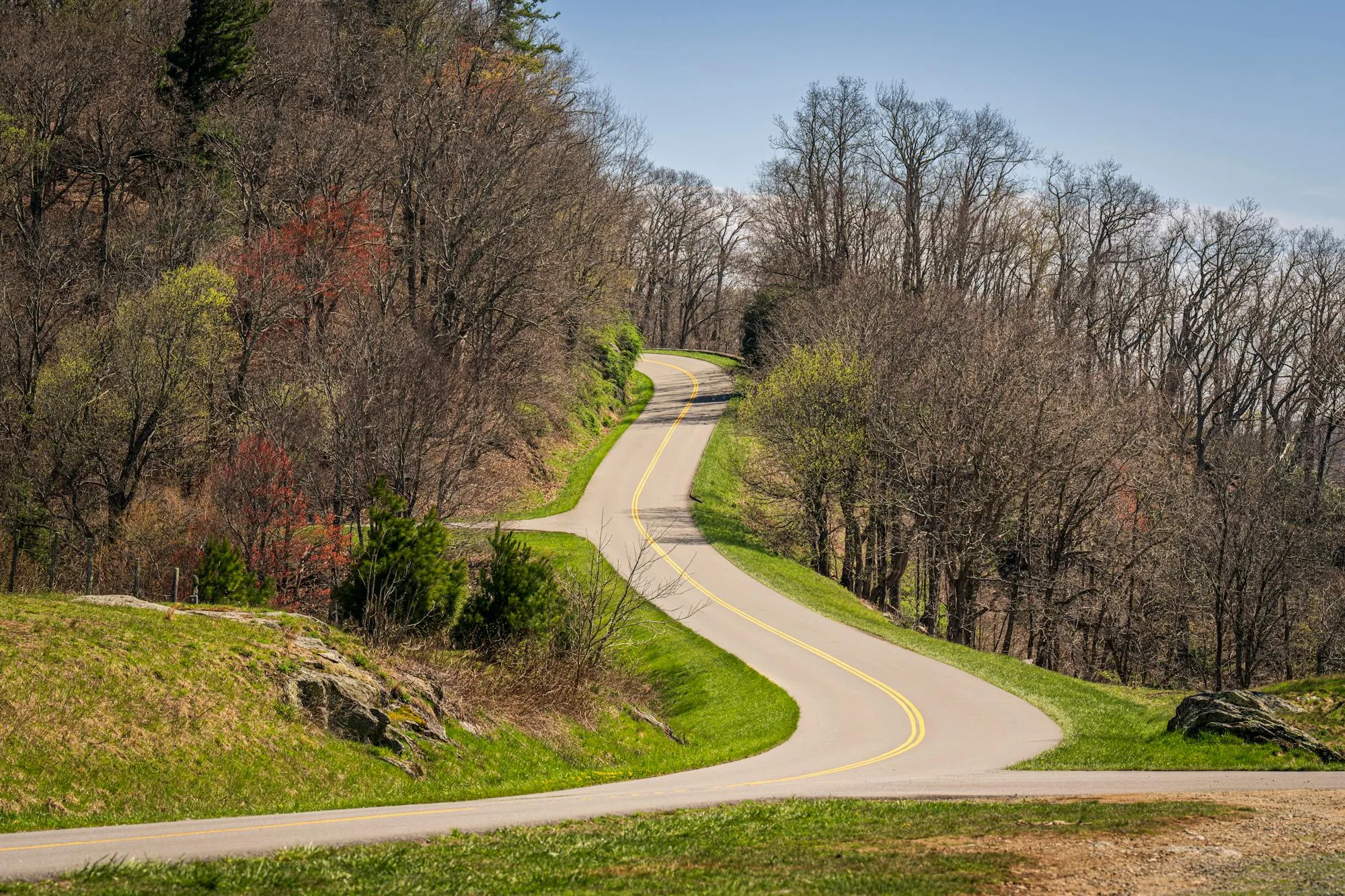
A winding asphalt road descending through the Appalachian Mountains, likely the famous Tail of the Dragon section in Tennessee and North Carolina. Multiple technical right-hand and left-hand curves are visible in this aerial perspective, surrounded by deciduous forest in spring foliage. Clear sunny conditions, well-maintained asphalt with yellow center lines marking the curves.
Mark Stebnicki / Pexels

The Truth on the Street

This one I've been collecting for two decades: paddock talk at track days, club nights, owners catching me at shows, and the messages riders send me directly. The pattern on the SV650 barely moves. Warm agreement on two points, and then the same two complaints, over and over.

What Owners Bring Up First

The V-twin comes up first almost every time. Riders describe a broad, characterful pull that arrives low and keeps going as the revs climb, easy in traffic and still entertaining when they push. Steering draws the same warmth: quick to change line, settled at speed, undemanding at walking pace. Running costs and the ease of doing their own wrenching come next. Plenty tell me it was their first big bike and that they never grew out of it.

The Two Complaints That Repeat

Suspension is the recurring gripe. Riders say it's sprung too soft for a spirited pace or a heavier load, the front dives hard under braking, and the rear moves around when pushed, so many end up replacing it. The brakes get the same note: short on initial bite, fading under hard use, with pads or lines swapped before the pace gets serious.

Known issues

  • Fuel tank weld cracking (California models)

    fuel system rare Recall

    On California-spec SV650s (2003–2006), the bracket for the liquid/vapor separator can crack from vibration, leading to fuel leakage. NHTSA recall 06V013000 required fuel tank replacement.

  • Oil starvation during extended wheelies

    engine rare

    The V-twin's oil pick-up can be starved during prolonged wheelies, potentially leading to bearing damage. This is a risk for stunt riders and not a concern for normal street riding.

  • Green connector wiring chafe

    electrics common

    The wiring harness near the steering head or under the seat can chafe, causing intermittent shorts. The most common failure is the 'green connector'—the ignition switch or main harness plug—which causes sudden loss of power or no-start conditions.

  • Charging system failures

    electrics occasional

    The rectifier/regulator is prone to failure, leading to battery drain, dimming lights, and eventually the bike failing to start. Some models also suffer from stator burnout. Upgrading to a modern MOSFET regulator is a common fix.

  • Front spark plug water ingress

    engine occasional

    The design of the front cylinder’s spark plug recess allows water and debris to accumulate, especially after washing or riding in heavy rain, causing a misfire. Regular cleaning and sealing the drain hole with silicone is a known fix.

The Expert Benchmark

Where this Suzuki SV650 pulls ahead of — or falls behind — its rivals on the numbers, and the typical bike in its class on character.

What kind of bike this is — character vs. the class

This bike Class average

The shape of the Suzuki SV650 — numbers and character vs. the average Naked Bike

Head-to-head: Suzuki SV650 vs. its rivals

The 'Should I Buy It?' Score

Forget spec-sheet bragging. Here's who the SV650 is actually built for.

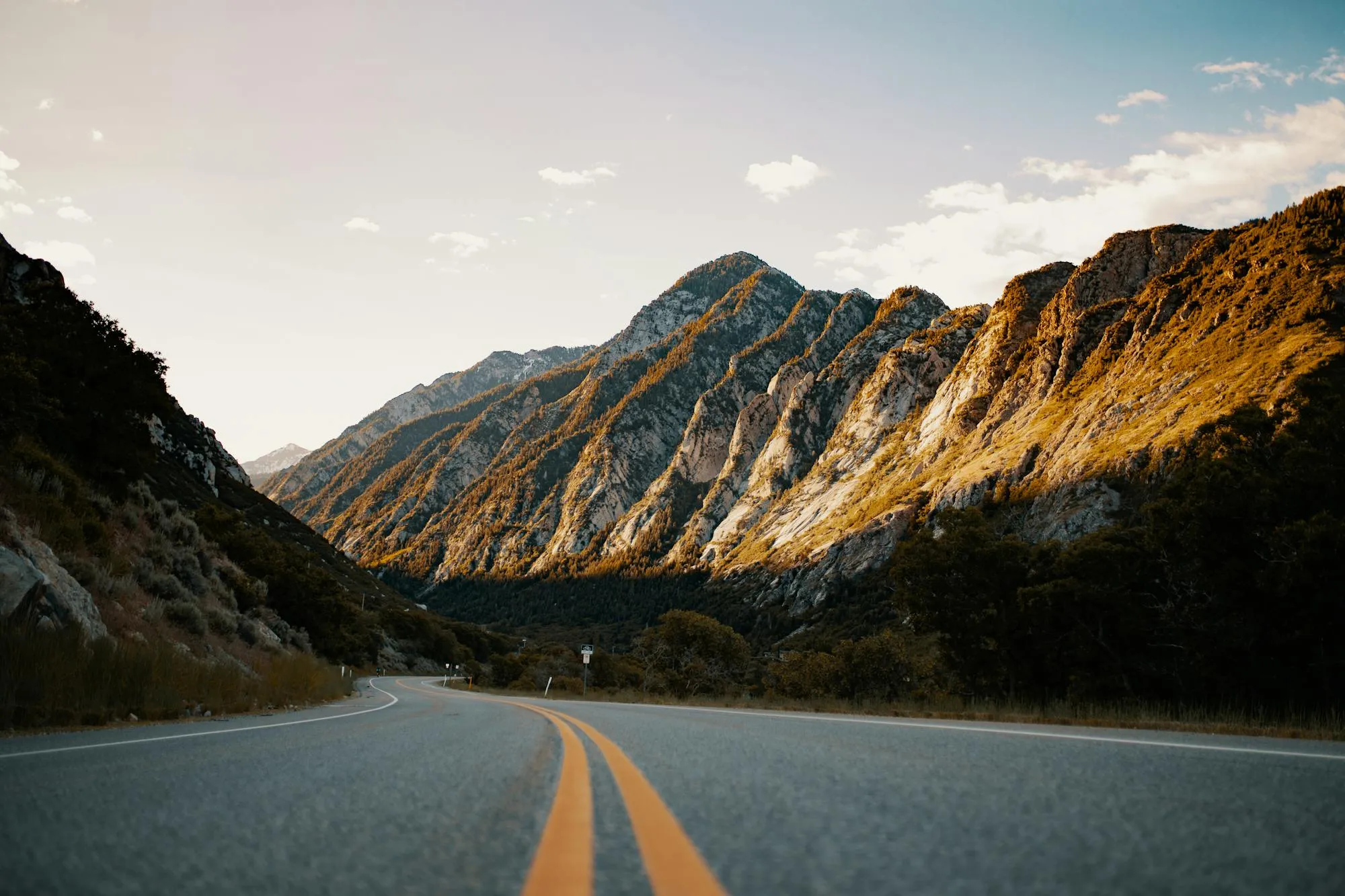
A scenic view of Angeles Crest Highway winding through rugged Southern California canyon terrain. Rocky mountainsides with golden earth tones frame the asphalt road with tight sweeping curves. Double yellow center line visible, sparse vegetation along the shoulders, clear blue sky with white clouds. Daylight, dry conditions. Iconic location for canyon-road enthusiasts.
Josh Sorenson / Pexels

Best motorcycle for Texas Hill Country?

Hill Country roads are long, flowing, and rarely straight, which suits a torquey twin better than a peaky engine. Comfortable enough for the run out of Austin, cheap enough to leave parked midweek.

Made for Austin / Texas Hill Country · Twisted Sisters · Austin / Handbuilt Motorcycle Show
Best motorcycle for Tail of the Dragon?

The Dragon and the Cherohala reward precision more than power, and this is a bike you can run the same corner on twenty times without it punishing a sloppy line. Cheap enough to ride hard all season.

Made for Back of the Dragon · Blue Ridge Parkway · Cherohala Skyway

Best motorcycle for Angeles Crest?

Canyon runs above LA reward a light, honest chassis more than a big power number, and at 403 lb this one steers off your body. Set the rear preload for your weight; the fork gives you nothing to work with.

Made for Angeles Crest Highway · Coronado Trail / US 191 · Highway 1 / Big Sur

What's new versus the previous generation

If you're cross-shopping the older generation, here's what changed.

Suzuki SV650 (MY1999)

Previous generation · 1999–2002

Suzuki SV650 (MY1999)

Light, Honest, Surprisingly Fast

Compare to the previous model →

Alternatives to the Suzuki SV650

If this one isn't quite the fit, these are the bikes worth riding back-to-back against it.