
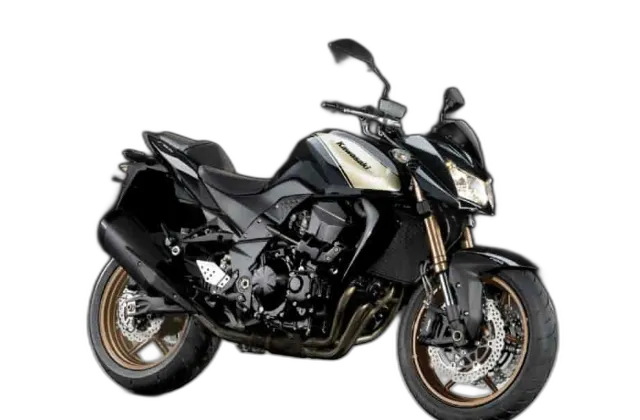
Kawasaki Z 800 (ZR A) — Naked Bike
Kawasaki Press

2013–2017 · Naked Bike · Buyer's Guide

Z 800 (ZR A)

3.5 / 5 NastyNils Rating · against its class

Honest Speed, Zero Drama

The Machine's Character

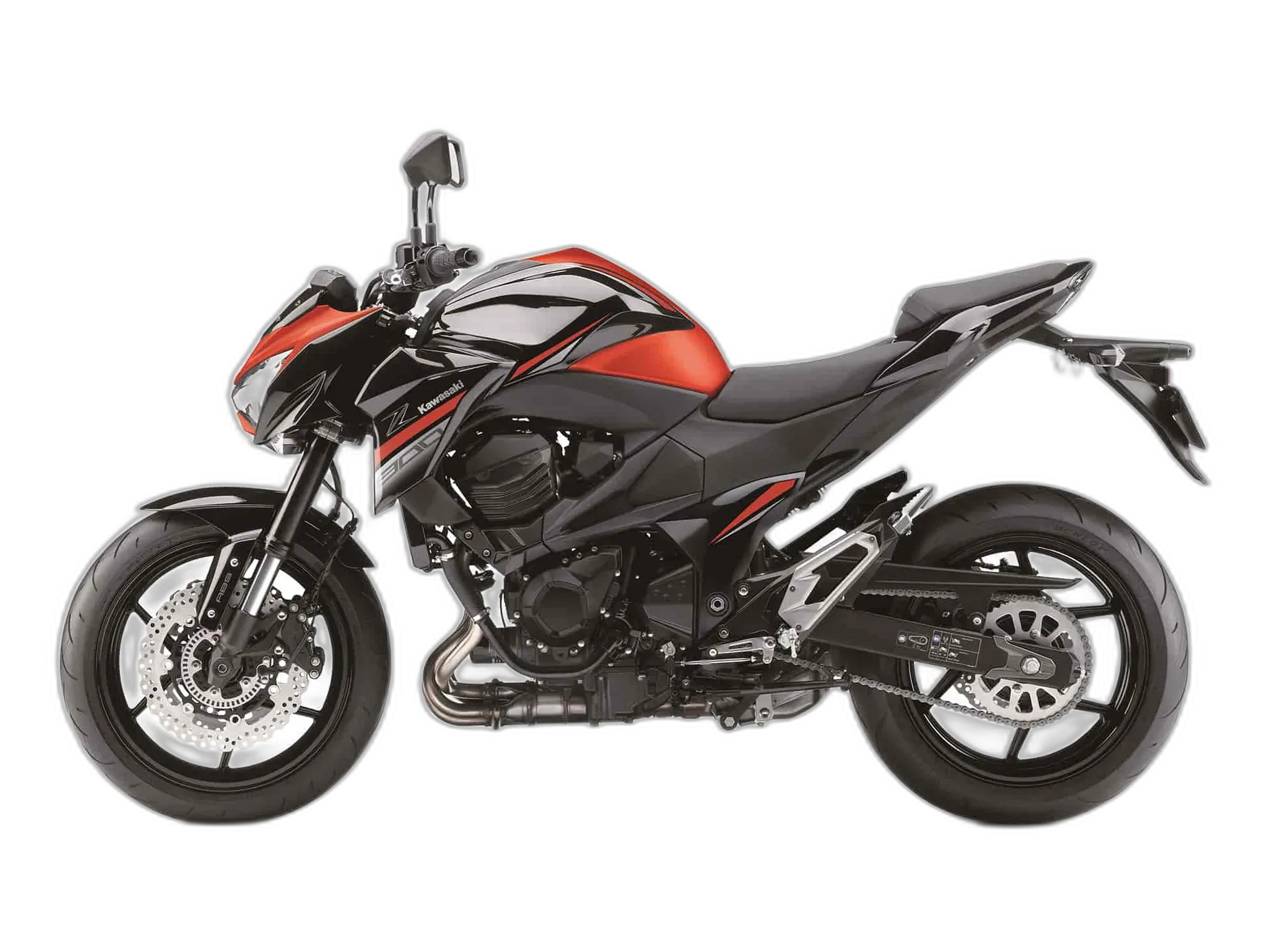
The Z 800 is what a middleweight naked looks like when the engineering budget goes into the motor and the chassis instead of the dashboard. The 806 cc inline-four makes 113 hp at 10,200 rpm and 61 lb-ft at 8,000 rpm, so it pulls with real intent through the midrange and keeps climbing to a genuine 145 mph (233 km/h). A stiff frame with a cast aluminum subframe, an upside-down fork, and adjustable suspension at both ends give it a planted, grown-up feel. No ride modes, no traction control, no screens to scroll. Just a strong four and a chassis that can carry it.

That analog layout is the whole appeal. You lean on your own right wrist and your own eyes, and the bike rewards a rider who already knows what they're doing. It stays composed at speed, holds a line on a long sweeper, and has enough lean clearance to keep going when the road gets serious. Kawasaki built it to last, and the parts that wear are cheap and everywhere. The honest caveat: at 505 lb (229 kg) wet with a 32.8 in (834 mm) seat, this is not a bike you flick around a parking lot, and the real power lives above 7,000 rpm.

Hard Numbers

Spec sheets don't ride bikes, but they set the baseline.

Show full specs & equipment Hide specs & equipment
Key specifications
Power 113 hp (83 kW) @ 10,200 rpm
Torque 61 lb-ft (83 Nm) @ 8,000 rpm
Displacement 806 cc
Engine Inline-four
Cooling Liquid-cooled
Gearbox 6-speed
Final drive Chain
Fork Upside-down (USD)
Front brake 310 mm
Front tire 120/70-17
Rear tire 180/55-17
Seat height 32.8 in (834 mm)
Wet weight 505 lb (229 kg)
Fuel capacity 4.5 gal (17 L)
Top speed 145 mph (233 km/h)

Equipment check

Chassis

  • Front Suspension Adjustable Standard
  • Rear Suspension Adjustable Standard

Safety

  • ABS Optional
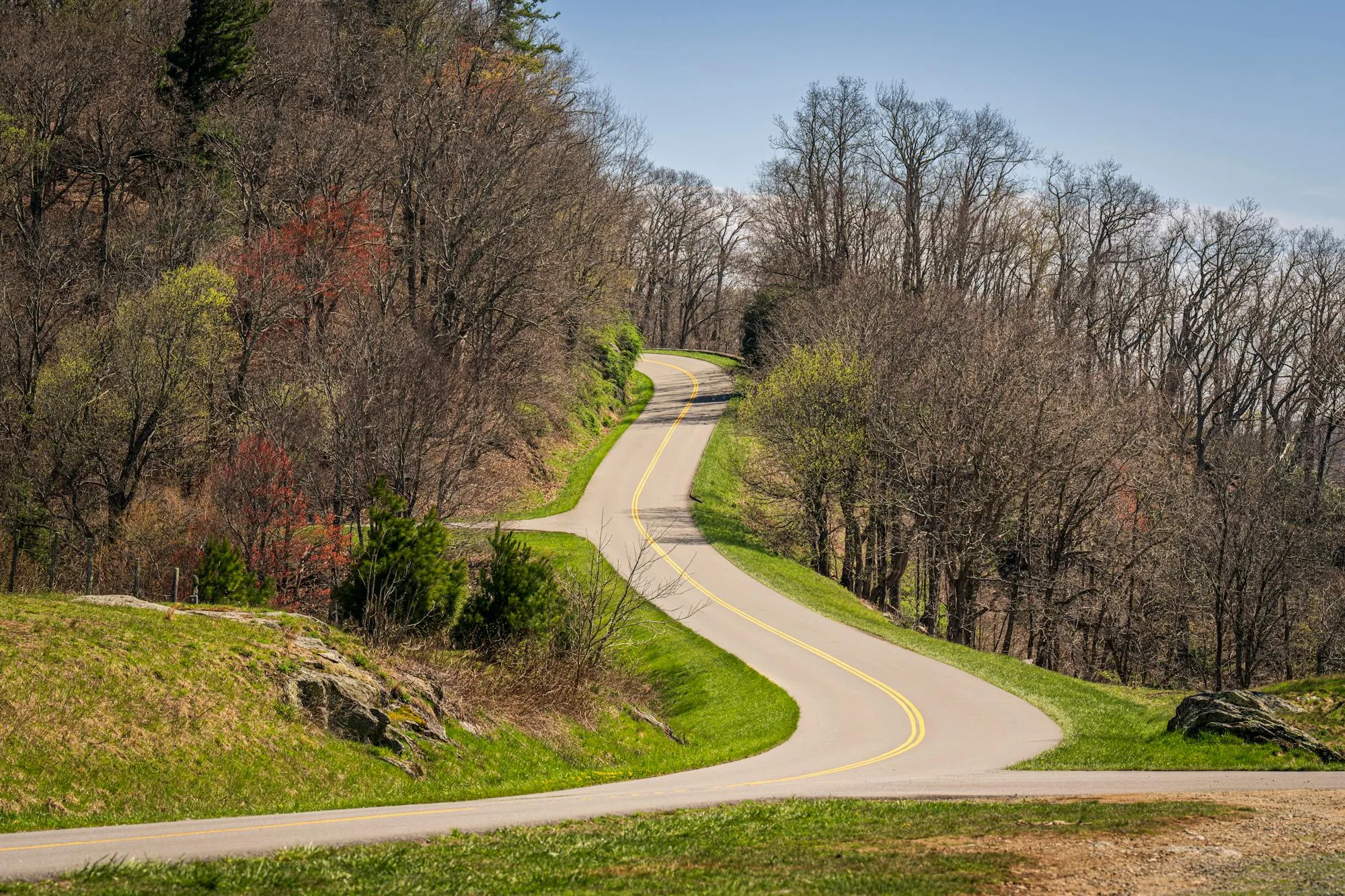
A winding asphalt road descending through the Appalachian Mountains, likely the famous Tail of the Dragon section in Tennessee and North Carolina. Multiple technical right-hand and left-hand curves are visible in this aerial perspective, surrounded by deciduous forest in spring foliage. Clear sunny conditions, well-maintained asphalt with yellow center lines marking the curves.
Mark Stebnicki / Pexels

The Truth on the Street

None of what follows comes from my own logbook. It's the running conversation I've had with Z 800 owners over the years: talk in paddocks, chats at club nights, and the messages that arrive in my inbox from people living with one. The pattern holds steady. The motor and the ride quality are what riders bring up unprompted, and the gripes are the same handful every time.

What Owners Keep Coming Back To

The engine leads every conversation. Riders describe power that's there from low revs and keeps building, with an eagerness at the top of the range and clearly more shove on hand than the Z750 many of them stepped off. Ride quality is the other constant. Owners talk about a plush, controlled feel over rough surfaces that settles the bike and builds trust. Comfort follows close behind, with the wide bars and neutral seat drawing praise across a range of body types and taller riders especially content. Price comes up too: many say they paid less than rivals asked and never felt it.

The Gripes That Keep Repeating

Weight dominates the complaints. Riders say it shows up in quick changes of direction and tight corners, though most add that it disappears once the bike is over on its side. Vibration through the bars and pegs at higher revs is the next recurring theme, and owners call it tiring on long days. Wind protection draws steady criticism, with a bigger screen a common fix. The missing gear indicator and a fuel gauge nobody quite trusts finish the list.

The Expert Benchmark

Where this Kawasaki Z 800 pulls ahead of — or falls behind — its rivals on the numbers, and the typical bike in its class on character.

What kind of bike this is — character vs. the class

This bike Class average

The shape of the Kawasaki Z 800 — numbers and character vs. the average Naked Bike

Head-to-head: Kawasaki Z 800 vs. its rivals

The 'Should I Buy It?' Score

Forget spec-sheet bragging. Here's who the Z 800 is actually built for.

A scenic view of Angeles Crest Highway winding through rugged Southern California canyon terrain. Rocky mountainsides with golden earth tones frame the asphalt road with tight sweeping curves. Double yellow center line visible, sparse vegetation along the shoulders, clear blue sky with white clouds. Daylight, dry conditions. Iconic location for canyon-road enthusiasts.
Josh Sorenson / Pexels

Best motorcycle for Angeles Crest?

For Angeles Crest and the rest, the Z 800 has the lean clearance and the composure you need. Just know it's a physical bike, and there's no traction control catching your mistakes.

Made for Angeles Crest Highway · Coronado Trail / US 191 · Highway 1 / Big Sur
Best motorcycle for Tail of the Dragon?

On the Dragon and Cherohala, the feedback is honest and the chassis tells you what the front tire is doing. The weight costs you a little in the tightest hairpins.

Made for Back of the Dragon · Blue Ridge Parkway · Cherohala Skyway

Best motorcycle for Texas Hill Country?

It handles the long slab out of Austin better than most nakeds, then wakes up on the Twisted Sisters. Wind pressure will tire you on a full day, so plan your stops.

Made for Austin / Texas Hill Country · Twisted Sisters · Austin / Handbuilt Motorcycle Show

What's new versus the previous generation

If you're cross-shopping the older generation, here's what changed.

Kawasaki Z 750R (Z750R-MY2011)

Previous generation · 2011–2013

Kawasaki Z 750R (Z750R-MY2011)

Reliable Middleweight, Honest Fun

Compare to the previous model →

Alternatives to the Kawasaki Z 800

If this one isn't quite the fit, these are the bikes worth riding back-to-back against it.

Any price note compares both bikes at the same age — the youngest age both have on the used market — against this Kawasaki Z 800. “cheaper/pricier” is what that bike costs second-hand, not how worn it is.