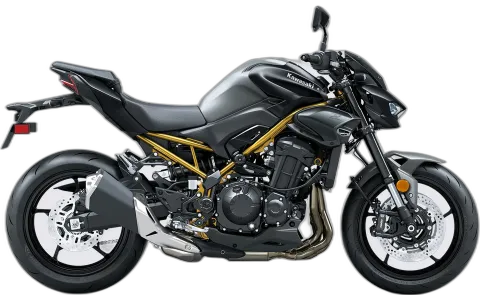
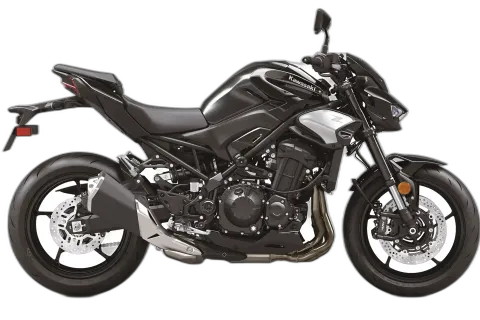
Kawasaki Z900 (MY2017) — Naked Bike
NastyNils / Kawasaki press archive

2017–2019 · Naked Bike · Buyer's Guide

Z900 (MY2017)

Speed With Nothing Wasted

The Machine's Character

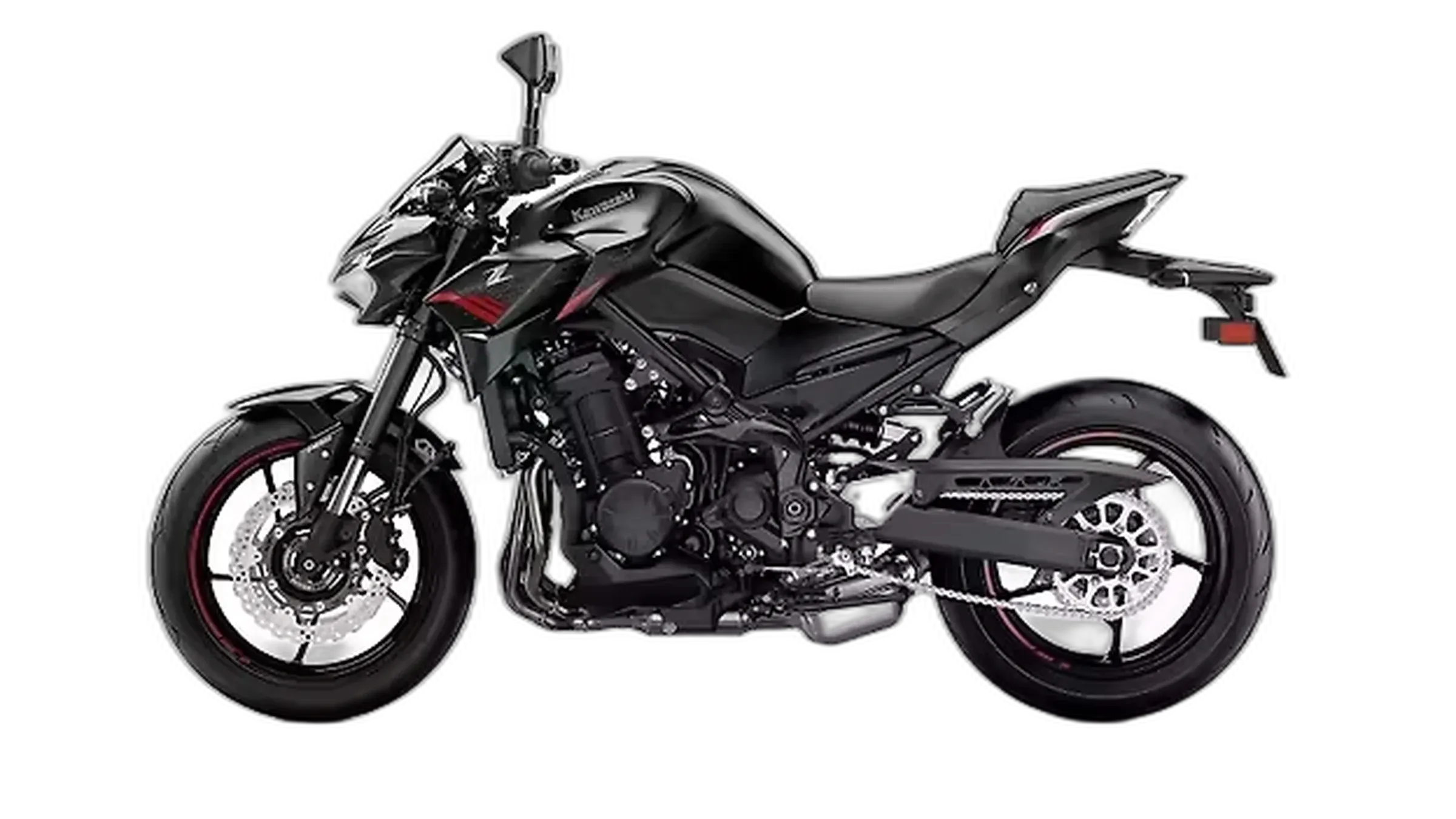
The Z900 is built around a 948 cc inline-four that lives for revs, finding a meaty midrange and really coming alive past 6,000 rpm. With 125 hp and 73 lb-ft running through a light steel trellis frame, it tips the scales at just 463 lb wet, and that low mass defines the whole bike. Kawasaki aimed it squarely at the no-nonsense all-rounder buyer: aggressive streetfighter styling, honest performance, and a price that undercut most of its rivals. It replaced the Z800 with more power, less weight, and sharper lines, and it reads as a genuine step up rather than a facelift.

On the road it rewards you for keeping the revs up, where throttle response turns smooth and progressive above roughly 4,000 rpm. Below that, lean emissions mapping makes for snatchy, on-off fueling, and that low-speed jerkiness is the bike's most honest flaw. The engine itself has a reputation for going the distance, so this is a naked you can buy used with reasonable confidence. The accessible 31.3-inch seat and easy steering suit riders stepping up to a midweight as much as experienced hands who want a straightforward, sporty street bike. Just know it leans on chassis and engine, not rider aids.

Hard Numbers

Spec sheets don't ride bikes, but they set the baseline.

Show full specs & equipment Hide specs & equipment
Key specifications
Power 125 hp (92 kW) @ 9,500 rpm
Torque 73 lb-ft (99 Nm) @ 7,700 rpm
Displacement 948 cc
Engine Inline-four
Bore × stroke 73.4 × 56 mm
Compression 10.8:1
Cooling Liquid-cooled
Fuel system EFI (throttle body)
Gearbox 6-speed
Final drive Chain
Frame Steel trellis
Fork Upside-down (USD)
Front tire 120/70ZR17
Rear tire 180/55ZR17
Wheelbase 57.1 in (1450 mm)
Seat height 31.3 in (795 mm)
Wet weight 463 lb (210 kg)
Fuel capacity 4.5 gal (17 L)
Top speed 149 mph (240 km/h)
Fuel economy 43 mpg (US)

Equipment check

Chassis

  • Front Suspension Adjustable Standard
  • Rear Suspension Adjustable Standard

Drivetrain

  • Slipper Clutch Standard

Safety

  • ABS Standard

The Voice of Experience

Portrait of NastyNils

The test ride

Swing a leg over and the 31.3-inch seat puts most riders flat-footed, so the 463-pound mass never feels intimidating at a standstill. Get rolling and the bike flicks side to side with almost no effort, light on its feet through quick direction changes. The inline-four sings a hard metallic note as the revs climb, and you'll catch a faint tick from the timing chain area at idle, more obvious because there's no fairing to muffle it. Past 62 mph the bars buzz enough to numb your palms on a long stretch, the one real penalty of an unfaired four. The gearbox wants a firm, deliberate boot, especially hunting for sixth above 6,000 rpm where it can slot a false neutral. Lean it hard and there's plenty of clearance before anything touches down.

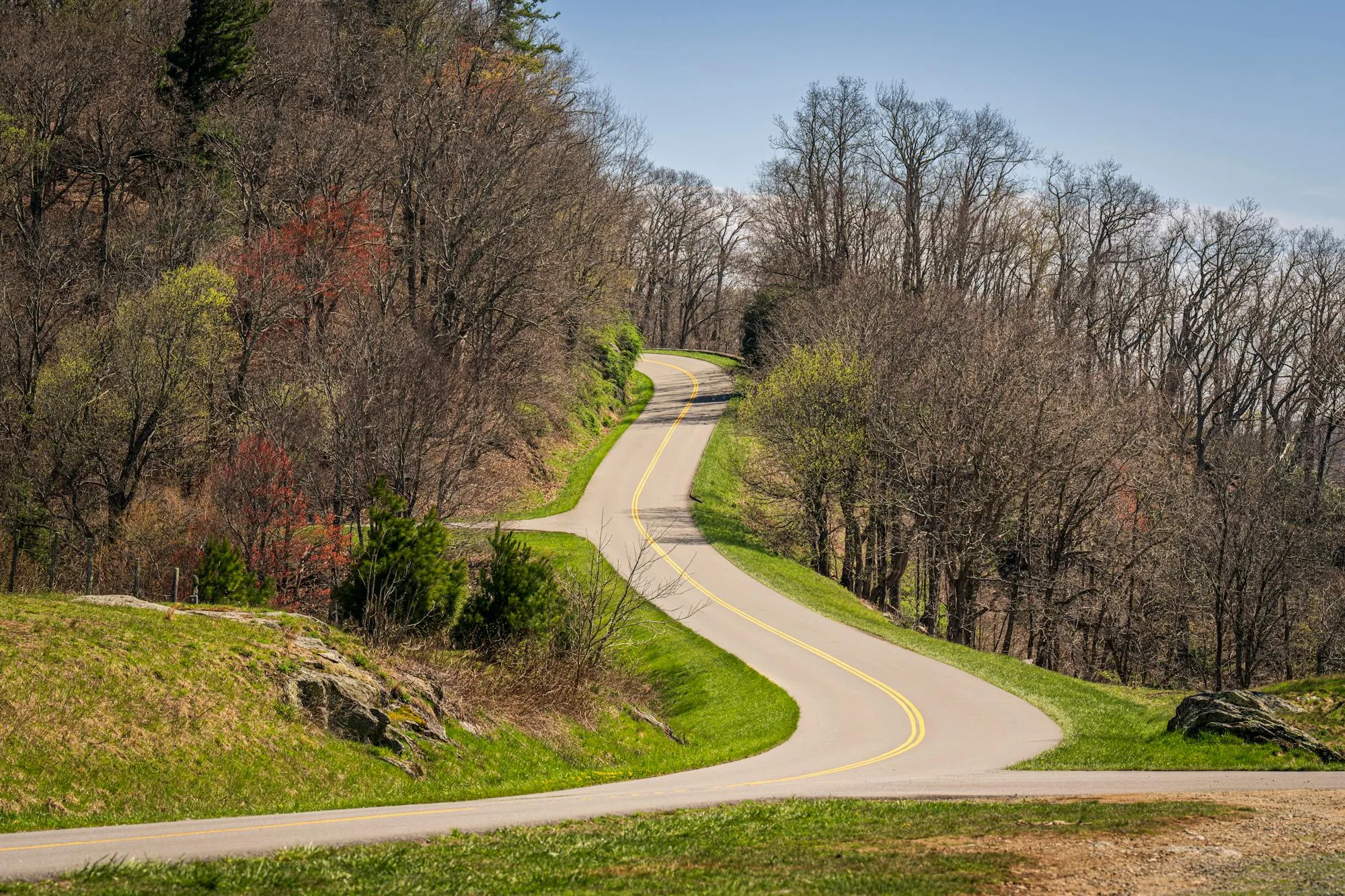
A winding asphalt road descending through the Appalachian Mountains, likely the famous Tail of the Dragon section in Tennessee and North Carolina. Multiple technical right-hand and left-hand curves are visible in this aerial perspective, surrounded by deciduous forest in spring foliage. Clear sunny conditions, well-maintained asphalt with yellow center lines marking the curves. No motorcycle or rider visible in the frame.
Mark Stebnicki / Pexels

The Truth on the Street

None of this comes from a press launch. It's what I've collected over years from the comments under my videos, the back-and-forth on forums, paddock conversations, and the steady stream of emails riders send me asking what they're getting into. For the Z900 the feedback settles in one place: owners treat it as plain, fair value that covers a wide range of riding, and their criticism bunches around comfort and a short feature list.

The case owners keep making

Riders keep circling back to the value equation. They got four-cylinder muscle, suspension adjustable at both ends, and a clutch that softens hard downshifts, all for a price that sat under most of the field, and that is the reason named most often for choosing one. The running costs back the feeling: service comes around only at long intervals, the bills stay reasonable, the original drivetrain parts go a long way, and fuel economy is easy for a four-cylinder. The motor earns its own affection for pulling cleanly through the midrange and turning eager and vocal as it spins up. Owners credit how many jobs it covers, equally at ease commuting, chasing a backroad on the weekend, or turning the odd track-day lap. The Sugomi styling keeps drawing approval, its stance on the road named often as part of the appeal. And the long-haul dependability comes up steadily, the kind of track record owners cite as a reason they trust it over the years.

Comfort is the recurring sore spot

By a wide margin, the seat takes the heaviest fire. The word riders reach for is hard, with narrow close behind, a dead feeling creeping in after an hour or so and a constant nudge forward toward the tank. What passes for a passenger perch draws almost unanimous scorn, helped along by the lack of anything to hold. Cover real distance and the wind becomes the story, since an unfaired bike gives you nothing to hide behind at pace, so a bolt-on screen is a common first purchase. Bigger riders bring up legroom, finding the seat-to-peg span pinched. The bars add their own tax on long days, passing along a vibration that leaves hands tingling.

What it leaves out, and the rough edges

The thinner spec sheet is the second theme. Riders tally up what is not there: no traction control or ride modes, no quickshifter, and a part-analog instrument cluster instead of a full screen, a list they raise most when measuring it against more recent machines. Down low, the fueling draws its own steady note for an abrupt, on-off feel in the bottom gears. The transmission collects mention too, for the odd missed shift and false neutral when you snatch quick upshifts, and for a heavy clunk dropping into first. One group is more specific: heavier solo riders and those running two-up find the rear shock soft and out of adjustment range for the load.

Known issues

  • Rear Shock Mounting Bore Becomes Oval

    suspensionoccasional

    The mounting holes of the rear shock linkage on the frame can elongate and become oval under load when the shock absorber bottoms out. This compromises damping function and can cause riding instability. Root cause: insufficient material thickness at the linkage mounting point, combined with the stock shock absorber's tendency to bottom out when loaded.

  • Rear Brake Line and ABS Sensor Cable May Chafe Against Tire

    brakesoccasional

    During factory assembly, the rear brake line and wheel speed sensor cable may be incorrectly routed, causing them to chafe against the rear tire. This can damage the brake line (reduced braking performance) or sever the ABS sensor cable (ABS failure).

  • ABS Hydraulic Unit Contaminated with Aluminum Shavings

    brakesoccasional

    The ABS hydraulic unit may become contaminated with aluminum shavings during manufacturing due to a defective machining fixture that shaves the ABS pump housing. This can cause the front or rear wheel to lock up during braking.

  • Front ABS Engages Too Early

    brakesoccasional

    The Nissin ABS unit activates prematurely, particularly on the front brake, during hard braking. The ABS cannot be disabled on 2017–2019 models. This reduces rider confidence during aggressive braking and trail-braking maneuvers. Multiple professional testers and owners confirm the issue.

  • False Neutrals, Especially Between 5th and 6th Gear

    drivetraincommon

    The transmission occasionally misses shifts, especially during rapid upshifts above approximately 6,000 rpm. Most commonly reported between 5th and 6th gear, but also between 2nd and 3rd gear. Incomplete clutch disengagement exacerbates the problem. Downshifts are described as "clunky." Design-related, not an isolated defect.

  • Snatchy Throttle Response / Jerky low-RPM fueling

    fuel systemoccasional

    The Z900 exhibits jerky, on-off throttle response at low RPMs and speeds, particularly in 1st and 2nd gear. The bike bucks and surges when holding a constant low speed. The cause is emissions-compliant ECU tuning, not a mechanical defect. The problem is exacerbated by the closed secondary throttle plates at low RPMs.

  • Ticking Noise from Timing Chain Area

    engineoccasional

    Audible ticking from the timing chain area, particularly noticeable because the Z900 is a naked bike. Slight ticking is considered normal (metal-to-metal contact from the automatic timing chain tensioner). In rare cases, the automatic tensioner fails and the noise becomes pronounced. The very quiet stock exhaust makes mechanical engine noises more prominent.

  • Handlebar Vibrations at Highway Speeds

    chassiscommon

    Noticeable handlebar vibrations above 62 mph cause hand numbness on longer rides. The bike's unfaired design and inline-four engine contribute to this issue. The stock handlebar is considered undersized for the motorcycle. Numerous aftermarket handlebar weight solutions are available.

  • Turn Signal Bracket Rubber Inserts Become Brittle and Break

    bodyworkcommon

    The rubber inserts that hold the stock turn signals in the body become brittle and break, causing the turn signals to hang loose on their wires. Vibration and UV radiation accelerate the wear. OEM replacement turn signals also fail within 1-2 years. Affects multiple Kawasaki models, not just the Z900.

  • Surface Rust on Stock Steel Fasteners

    bodyworkoccasional

    Stock steel fasteners and hardware develop surface rust, especially brake caliper bolts and exposed hardware. Kawasaki uses standard steel fasteners instead of stainless steel or coated alternatives.

The Expert Benchmark

Where this Kawasaki Z900 pulls ahead of — or falls behind — its rivals on the numbers, and the typical bike in its class on character.

What kind of bike this is — character vs. the class

This bike Class average

The shape of the Kawasaki Z900 — numbers and character vs. the average Naked Bike

Head-to-head: Kawasaki Z900 vs. its rivals

The 'Should I Buy It?' Score

Forget spec-sheet bragging. Here's who the Z900 is actually built for.

A scenic view of Angeles Crest Highway winding through rugged Southern California canyon terrain. Rocky mountainsides with golden earth tones frame the asphalt road with tight sweeping curves. Double yellow center line visible, sparse vegetation along the shoulders, clear blue sky with white clouds. Daylight, dry conditions. No motorcycle or rider visible. Iconic location for canyon-road enthusiasts.
Josh Sorenson / Pexels

Best motorcycle for Angeles Crest?

For weekend canyon runs this is an easy yes: light steering, deep lean clearance, and strong midrange carry real pace on the Crest. You'll just live with snatchy low-speed fueling in LA traffic.

Made for Angeles Crest Highway · Coronado Trail / US 191 · Highway 1 / Big Sur

Best motorcycle for Tail of the Dragon?

On tight, technical twisties the light chassis and quick turn-in reward clean lines over brute speed, exactly your game. The non-defeatable ABS biting early is the one thing that'll nag you when you brake deep.

Made for Back of the Dragon · Blue Ridge Parkway · Cherohala Skyway

Best motorcycle for Texas Hill Country?

It fits the Hill Country brief: comfortable seat reach, willing midrange for sweepers, and a price that leaves room for the BBQ stop. Highway bar buzz on the long slab between roads is the trade.

Made for Austin / Texas Hill Country · Twisted Sisters · Austin / Handbuilt Motorcycle Show

Alternatives to the Kawasaki Z900

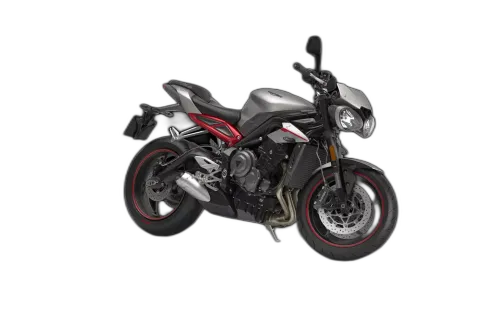
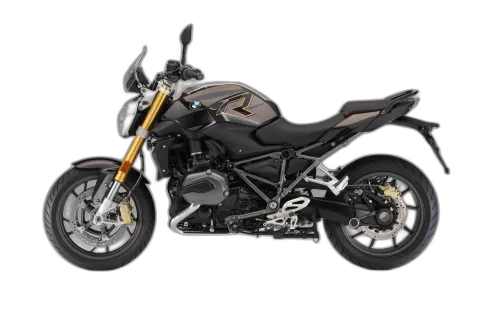
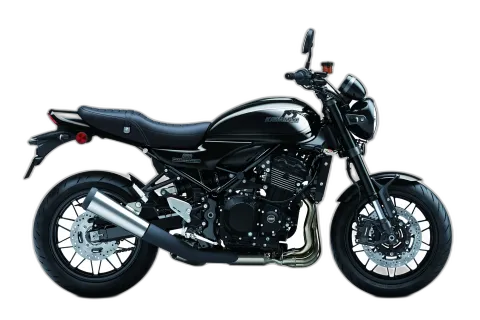
If this one isn't quite the fit, these are the bikes worth riding back-to-back against it.

Any price note compares both bikes at the same age — the youngest age both have on the used market — against this Kawasaki Z900. “cheaper/pricier” is what that bike costs second-hand, not how worn it is.