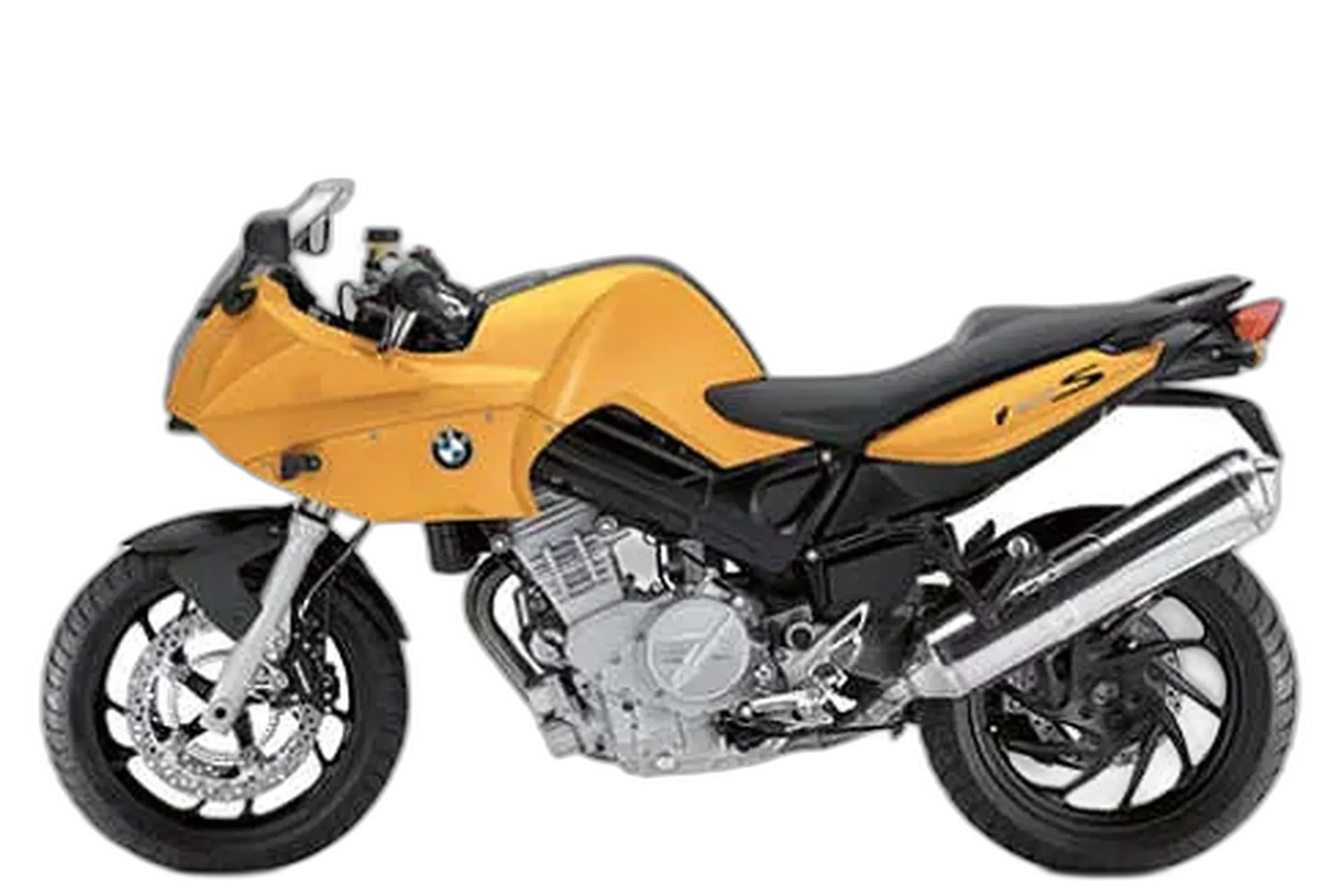
BMW F 800 S (MY2006) — Sport Tourer
BMW Press

2006–2010 · Sport Tourer · Buyer's Guide

F 800 S (MY2006)

Agile Twin, Surprisingly Civil

The Machine's Character

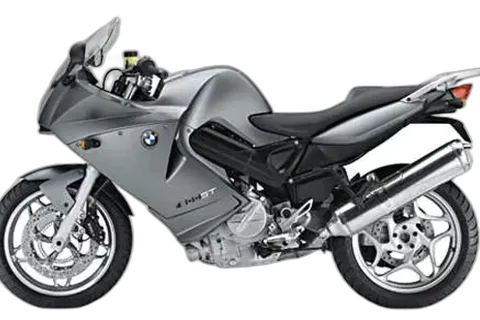
The F 800 S is a middleweight sport tourer built around a Rotax-made 798 cc parallel twin that makes 86 hp at 8,000 rpm and 63 lb-ft at 5,800 rpm. It has real drive from the middle of the rev range and still wants to be revved out, which is not how most touring twins behave. A steel trellis frame carries the fuel under the seat, so the mass sits low and central instead of up high between your knees. Belt final drive removes chain upkeep from ownership. Heated grips come standard; ABS was on the options list.

At 450 lb wet with a 32.3 in seat, this is a bike you ride rather than manage, and the character holds up over years because there is little on it to go exotic. It suits the rider who wants a half day of curves and a real ride home, not a garage project. The honest caveat sits in the suspension. The fork has no adjustment of any kind, and the rear shock gives you preload only, so a heavy rider with luggage runs out of setup options quickly. Early bikes are also noisier than they should be.

Hard Numbers

Spec sheets don't ride bikes, but they set the baseline.

Show full specs & equipment Hide specs & equipment
Key specifications
Power 86 hp (63 kW) @ 8,000 rpm
Torque 63 lb-ft (86 Nm) @ 5,800 rpm
Displacement 798 cc
Engine Parallel twin
Cooling Liquid-cooled
Gearbox 6-speed
Final drive Belt
Fork Telescopic
Front brake 320 mm
Front tire 120/70-17
Rear tire 180/55-17
Wheelbase 57.5 in (1460 mm)
Seat height 32.3 in (820 mm)
Wet weight 450 lb (204 kg)
Fuel capacity 4.2 gal (16 L)

Equipment check

Chassis

  • Rear Suspension Adjustable Standard

Comfort

  • Heated Grips Standard

Safety

  • ABS Optional

The Voice of Experience

Portrait of NastyNils

The test ride

Thumb the starter cold on a pre-2009 bike and the first impression is acoustic: a hard mechanical clatter off the cylinders that sounds worse than it is and fades as heat comes into the engine. BMW changed internals for 2009-on bikes, so a quiet one is not a myth. Once rolling, the belt takes the driveline noise out of the picture and leaves you with a flat, purposeful twin beat under the tank that never turns into a drone. The riding position is a half crouch, weight on your hands but not hanging off them, and the 32.3 in seat gives most riders a flat foot at lights. Vibration is present through the bars and pegs and stays honest rather than numbing. The 4.2 gal tank under the seat is something you feel in how still the bike sits, not in how it looks.

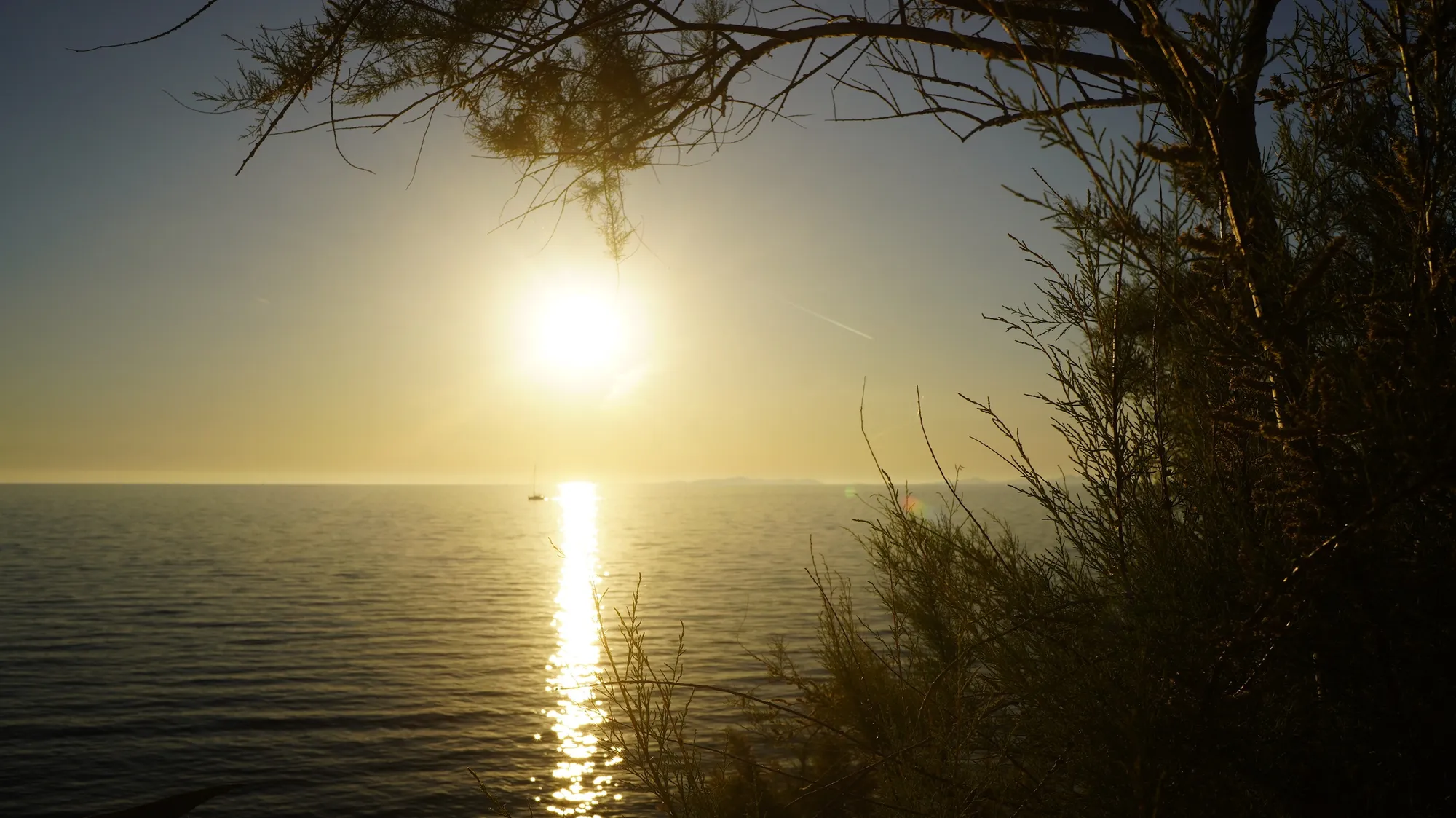
Sunset over the Adriatic Sea near Primosten, Croatia. Golden hour light bathes calm water in warm tones, with a small sailboat on the distant horizon. Rocky vegetation frames the right foreground. Clear skies and gentle conditions.

The Truth on the Street

What follows isn't a spec sheet reading. It comes from years of talking to riders at rallies and club nights, listening to owners at fuel stops, and reading the messages people send me about bikes they actually live with. On the F 800 S, the community lands in a consistent place: the engine and the low-maintenance driveline earn steady praise, while the noise and the finish draw the complaints.

What Owners Keep Coming Back To

The parallel twin gets the most consistent praise. Riders describe a broad, usable spread of torque with a top end that keeps pulling, so the bike feels relaxed and willing depending on how you ride it. Close behind sits the belt drive. Owners bring it up again and again: nothing to lubricate, rarely anything to adjust, clean and quiet in daily use. Many also rate the chassis among the best-handling middleweights of its time, and a smaller group points to the fit and finish as proof BMW took the details seriously.

Where The Complaints Cluster

Piston slap on pre-2009 bikes is the single most repeated gripe. Owners call it intrusive, especially cold, though they rarely tie it to actual failure. Corrosion is the next theme: exposed Torx fasteners and engine paint suffer under salt and moisture unless you stay on top of protective treatment. Sportier riders find the fork soft and report weeping seals, with re-valving and seal work common enough that it comes up regularly. Some owners also mention snatchy fueling below 3,000 rpm that makes heavy traffic awkward.

Known issues

  • Rear wheel bearing failure (2007-2009 recall)

    chassis occasional Recall

    Incorrect tolerances can cause the rear wheel drive bearing and axle to wear, leading to handling instability. BMW recalled the 2007-2009 F800S and ST for inspection and free replacement of the bearing and axle if necessary.

  • Excessive piston slap (pre-2009 models)

    engine common

    Noisy clatter from the cylinders, most noticeable when the engine is cold. BMW acknowledged the issue and made internal changes for 2009-on models. While usually not terminal, the noise is a common owner complaint and can affect resale confidence.

  • Engine stalling in hot weather

    engine occasional

    Some owners report random engine cut-outs when riding in high ambient temperatures or slow traffic. The issue is often traced to pinched air-bleed hoses or a faulty idle actuator.

The Expert Benchmark

Where this BMW F 800 S pulls ahead of — or falls behind — its rivals on the numbers, and the typical bike in its class on character.

What kind of bike this is — character vs. the class

This bike Class average

The shape of the BMW F 800 S — numbers and character vs. the average Sport Tourer

Head-to-head: BMW F 800 S vs. its rivals

The Long-Haul Verdict

Forget spec-sheet bragging. Here's who the F 800 S is actually built for.

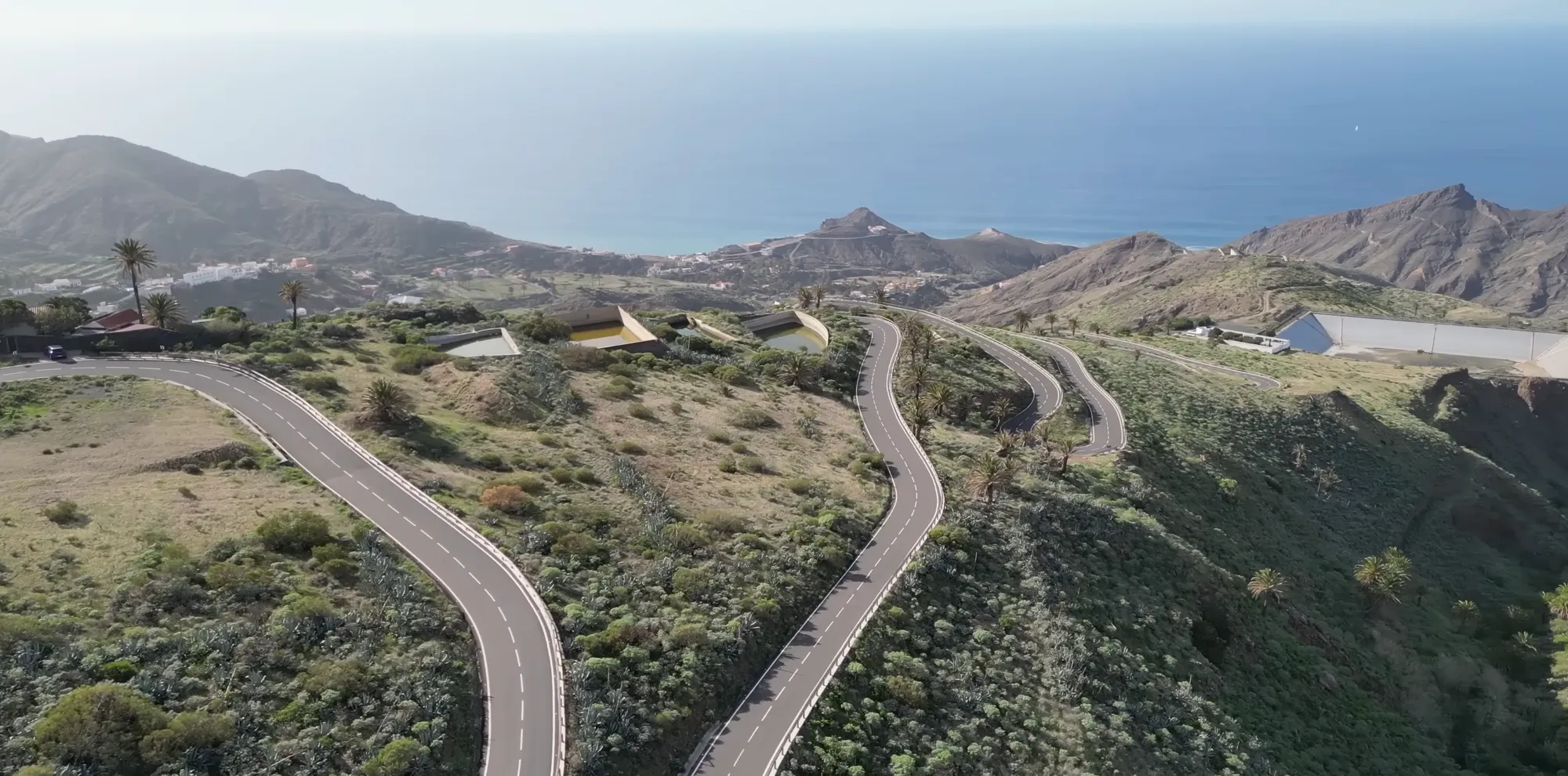
Aerial view of a winding asphalt road cutting through volcanic terrain on La Gomera, Canary Islands. The road curves through sparse green vegetation with rocky volcanic peaks visible in the background and a settled valley to the left. Clear lane markings, dry climate, partly cloudy sky.

Best motorcycle for Tail of the Dragon?

If you repeat the same Appalachian corners to sharpen technique, this bike gives clear feedback and forgives mistakes. Just budget for the suspension, because the stock setup has no adjustment to chase.

Made for Back of the Dragon · Blue Ridge Parkway · Cherohala Skyway

Best motorcycle for Highway 1?

This is your bike. It covers 200 to 400 mile days on scenic routes without beating you up, keeps the curves entertaining, and the belt drive means fewer chores between trips.

Made for Black Hills · Blue Ridge Parkway · Cherohala Skyway

Best motorcycle for Angeles Crest?

Quick and composed enough for canyon runs at a real pace, with lean clearance to spare. If you push hardest at the front end, the non-adjustable fork will be the limit you meet first.

Made for Angeles Crest Highway · Coronado Trail / US 191 · Highway 1 / Big Sur