Aprilia Shiver 750 (MY2007) — Naked Bike
NastyNils / Aprilia Press

2007–2018 · Naked Bike · Buyer's Guide

Shiver 750 (MY2007)

Italian Twin, Forgiving Soul

The Machine's Character

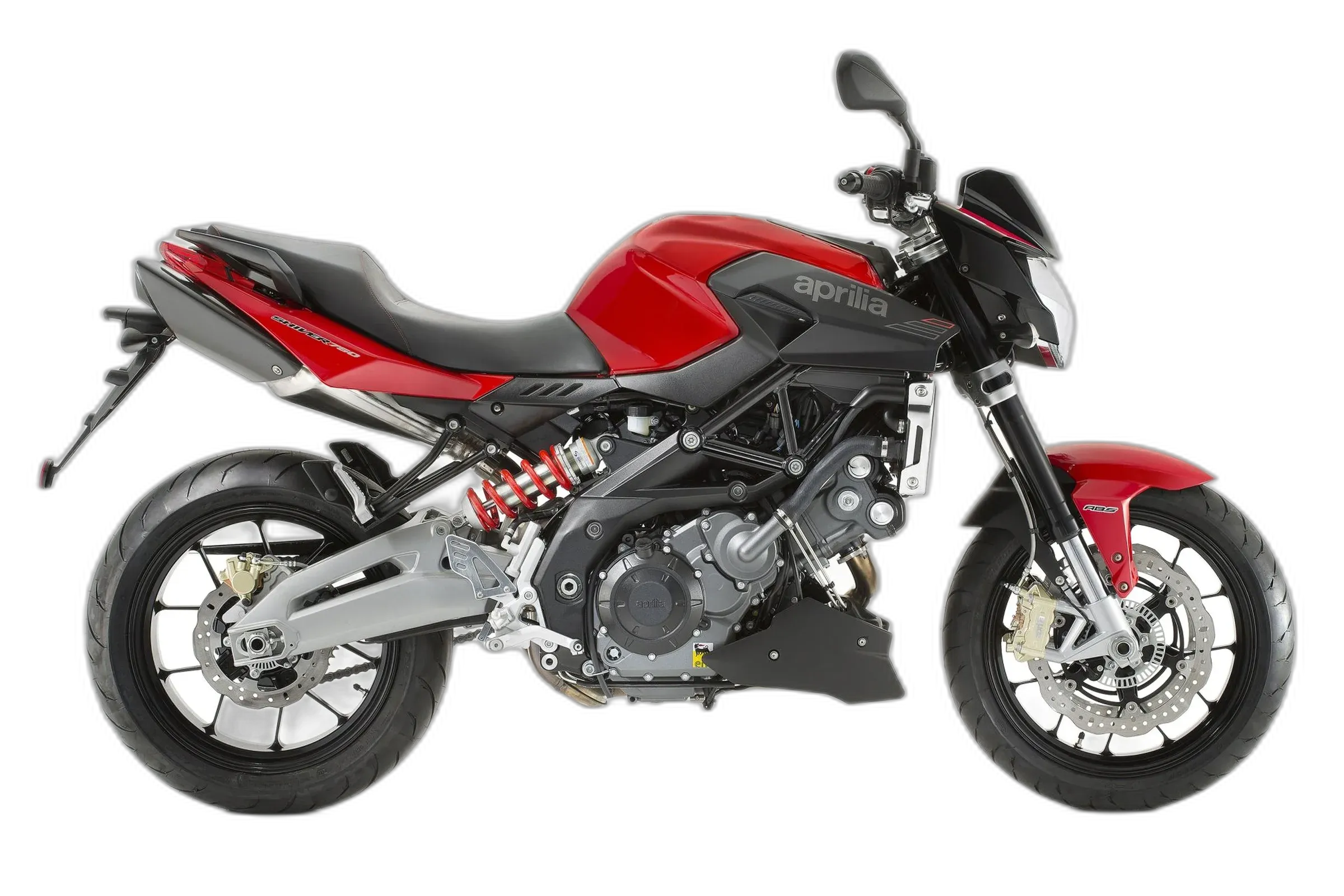
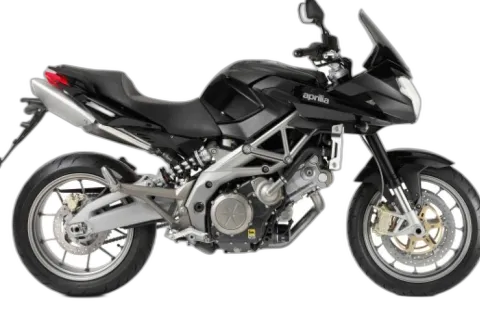
The Shiver 750 runs Aprilia's own 90-degree V-twin, a charismatic 750cc engine making 95 hp and 58 lb-ft that pulls with rising urgency rather than a flat shove. Ride-by-wire feeds selectable modes, and the cast-and-trellis chassis on its upside-down fork keeps the bike light and willing to turn. In a class that often chases maximum aggression, this one sits deliberately on the friendly side. It's the Italian middleweight naked built around accessibility and character first, with the bite kept usable instead of intimidating.

On the road it stays soft and compliant, never demanding perfect technique, and there's enough lean clearance to carry real pace through a mountain pass. It ages like a usable everyday machine rather than a garage queen, though the cooling system's plastic T-piece can turn brittle with the years and is worth a look on any used bike. This is the pick for a rider who wants character and confidence over a razor front end. The honest caveat: it isn't the sharpest tool in the naked class, and past a short freeway run the wind load will have you wanting a windshield.

Hard Numbers

Spec sheets don't ride bikes, but they set the baseline.

Show full specs & equipment Hide specs & equipment
Key specifications
Power 95 hp (70 kW) @ 9,000 rpm
Torque 58 lb-ft (79 Nm) @ 7,250 rpm
Displacement 750 cc
Engine 90° V-twin
Cooling Liquid-cooled
Gearbox 6-speed
Final drive Chain
Fork Upside-down (USD)
Front brake 320 mm
Front tire 120/70-17
Rear tire 180/55-17
Seat height 31.9 in (810 mm)
Wet weight 450 lb (204 kg)
Fuel capacity 4.0 gal (15 L)
Top speed 130 mph (209 km/h)
Fuel economy 33 mpg (US)

Equipment check

Chassis

  • Rear Suspension Adjustable Standard

Safety

  • ABS Optional
  • Ride Modes Standard

The Voice of Experience

Portrait of NastyNils

The test ride

Thumb the starter and the V-twin has genuine acoustic presence, one of the better-sounding middleweights when you wind it out. The riding position is upright and roomy, the bars fall to hand without a stretch, and slow city traffic barely asks anything of you. Spin it up and it sits calm and planted at speed, comfortable enough that you forget you're working. The surprise comes on a long day in the hills: hammer the passes and the tank still reaches into proper touring range, far better than the engine's appetite suggests at a glance. The one physical reminder of its price point is the air. Sit on the highway for any length of time and the wind pushes hard at your chest, and that's the part of the day that wears on you before anything else does.

Rated point by point — where it earns its keep

My own 0–100 score for this bike against the class, area by area — the marker on each bar is the class average.

The chassis leans toward forgiveness over aggression. The springs sit on the soft side, which means a few sloppy inputs won't unsettle it as you carry speed through a string of bends, and there's enough ground clearance to commit to lean before anything starts dragging. What it won't hand you is precision at the limit. Riders hunting crisp front-end feedback and a knife-edge turn-in will sense the chassis was tuned for confidence rather than sharpness.

Few bikes spread themselves this evenly across jobs. I've taken it onto a track day for nothing but fun, pointed it at a mountain road where the corners became the best part of the ride, and threaded it through ordinary town duty without complaint. What stands out is that none of those roles feels like a compromise made to suit the others. It stays equally rewarding whatever I throw at it.

The electronics are what make this twin so easy to get along with. Left to its own devices a V-twin tends to lurch when you're clumsy with the throttle, but the ride-by-wire smooths those transitions so a rushed roll-on or a hasty roll-off never bites back. I noticed it most with riders who haven't yet learned to read a twin's manners. The motor quietly covers for them instead of punishing the mistake.

Comfort here is less about plushness and more about how little the bike asks of you. The seat sits low and the power stays gentle, so the machine bends to fit the rider instead of the other way around. That makes it genuinely welcoming. My one real reservation is the open cockpit. Once the speedo climbs out on the freeway, the air load builds steadily, and I'd want a screen fitted before pointing it at a full day.

What earns my trust here is the fuel range, and it caught me off guard. I rode a sustained Alpine loop with the passes worked hard and almost no gentle cruising, the kind of session that usually has me watching the gauge. Instead the consumption stayed low enough to stretch a single tank well into touring distance. For a bike pushed that hard, that's a genuinely useful result and one of its quieter strengths.

In the city this bike just gets out of its own way. Roll through slow traffic and it sits calm and planted, never twitchy, never asking me to babysit the throttle to keep things smooth. That low-speed composure is rarer than it sounds. Plenty of middleweights turn fidgety the moment the pace drops to walking speed, and this one stays relaxed enough that a busy commute never feels like work.

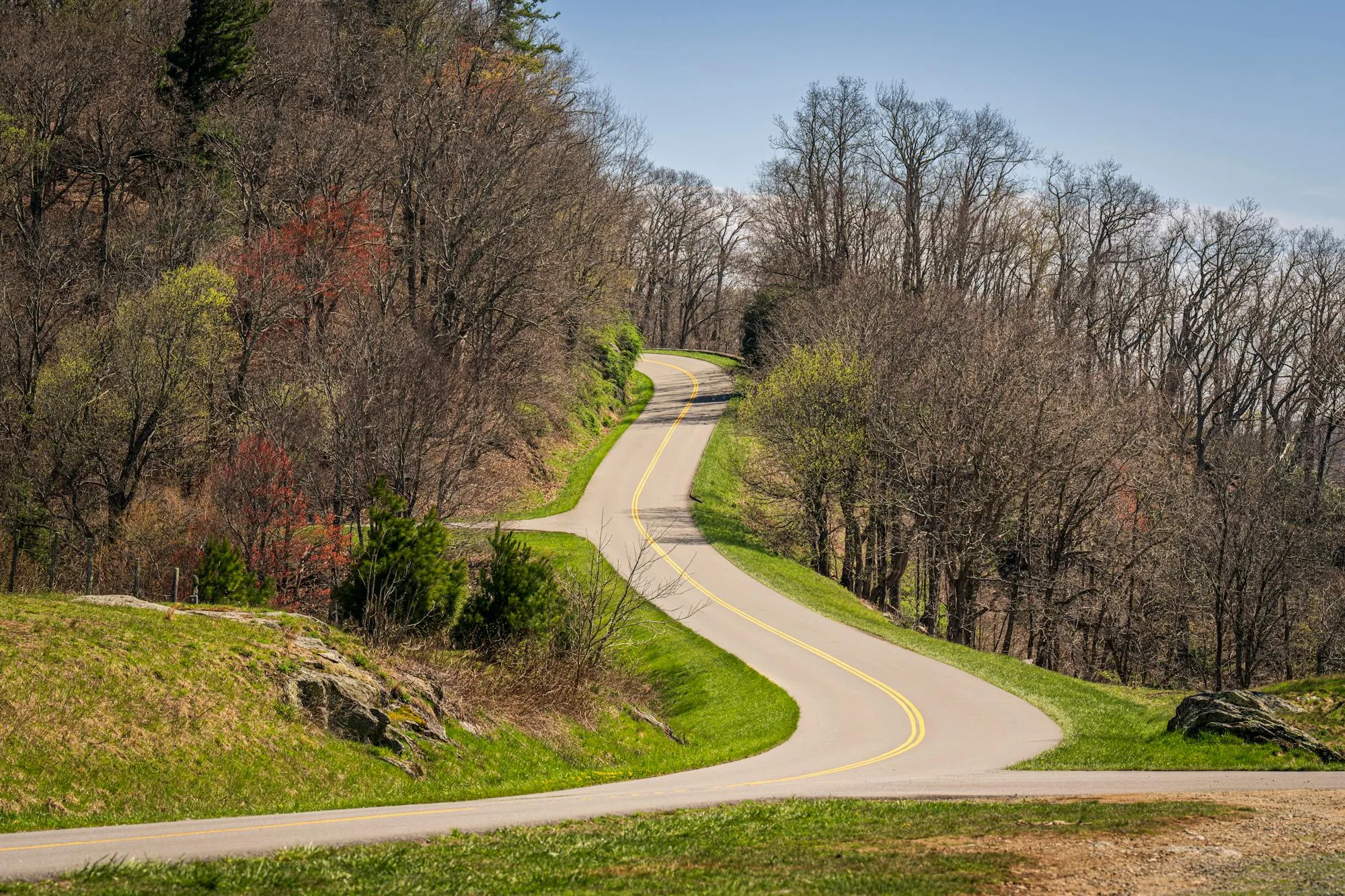
A winding asphalt road descending through the Appalachian Mountains, likely the famous Tail of the Dragon section in Tennessee and North Carolina. Multiple technical right-hand and left-hand curves are visible in this aerial perspective, surrounded by deciduous forest in spring foliage. Clear sunny conditions, well-maintained asphalt with yellow center lines marking the curves.
Mark Stebnicki / Pexels

The Truth on the Street

I've spent years gathering what Shiver owners tell me, in garage conversations, on rides alongside them, and in the notes riders send me directly. Sorted out, the chatter takes a clear shape: real fondness for the bike's character, set against a short list of practical gripes that keep coming back.

What owners keep praising

The engine wins the warmest words. Riders love the punchy low-end and the free-revving top-end rush, backed by a deep exhaust note they praise most under load. The three selectable throttle maps earn steady approval too, since they genuinely change how the bike responds across Sport, Touring, and Rain. Owners admire the Italian streetfighter styling, rate the cornering as competent enough to chase quicker bikes through the twisties, and single out the roomy upright seat that carries a wide range of riders through a full day.

The gripes that keep surfacing

The complaints stay consistent and practical. The loudest is jerky throttle at small openings low in the rev range, which makes smooth town riding harder than it should be. Many also flag the short fuel range and the frequent stops it forces on a longer ride. A few note tight steering lock that makes slow maneuvering awkward.

Known issues

  • Rear wheel lock-up potential (2014-2015 models)

    drivetrainrareRecall

    A manufacturing defect on the gearbox output shaft could cause the sprocket fastener to loosen, potentially locking the rear wheel. Subject to NHTSA recall 15V-007.

  • Coolant T-connection breakage

    coolingoccasional

    The plastic T-piece in the cooling system can become brittle and crack over time, leading to coolant loss and potential overheating.

  • Starter switch/relay problems on early models

    electricsoccasionalRecall

    Early production Shiver 750s (2007–2009) were subject to a starter relay recall; failing switches could cause intermittent starting or no‑start conditions.

  • Faulty MAP/speed sensors after exposure to water

    electricsoccasional

    The manifold absolute pressure (MAP) sensor and/or speed sensor can fail when exposed to heavy rain or pressure washing, causing poor running or erratic speedometer readings.

The Expert Benchmark

Where this Aprilia Shiver 750 pulls ahead of — or falls behind — its rivals on the numbers, and the typical bike in its class on character.

What kind of bike this is — character vs. the class

This bike Class average

The shape of the Aprilia Shiver 750 — numbers and character vs. the average Naked Bike

Head-to-head: Aprilia Shiver 750 vs. its rivals

The 'Should I Buy It?' Score

Forget spec-sheet bragging. Here's who the Shiver 750 is actually built for.

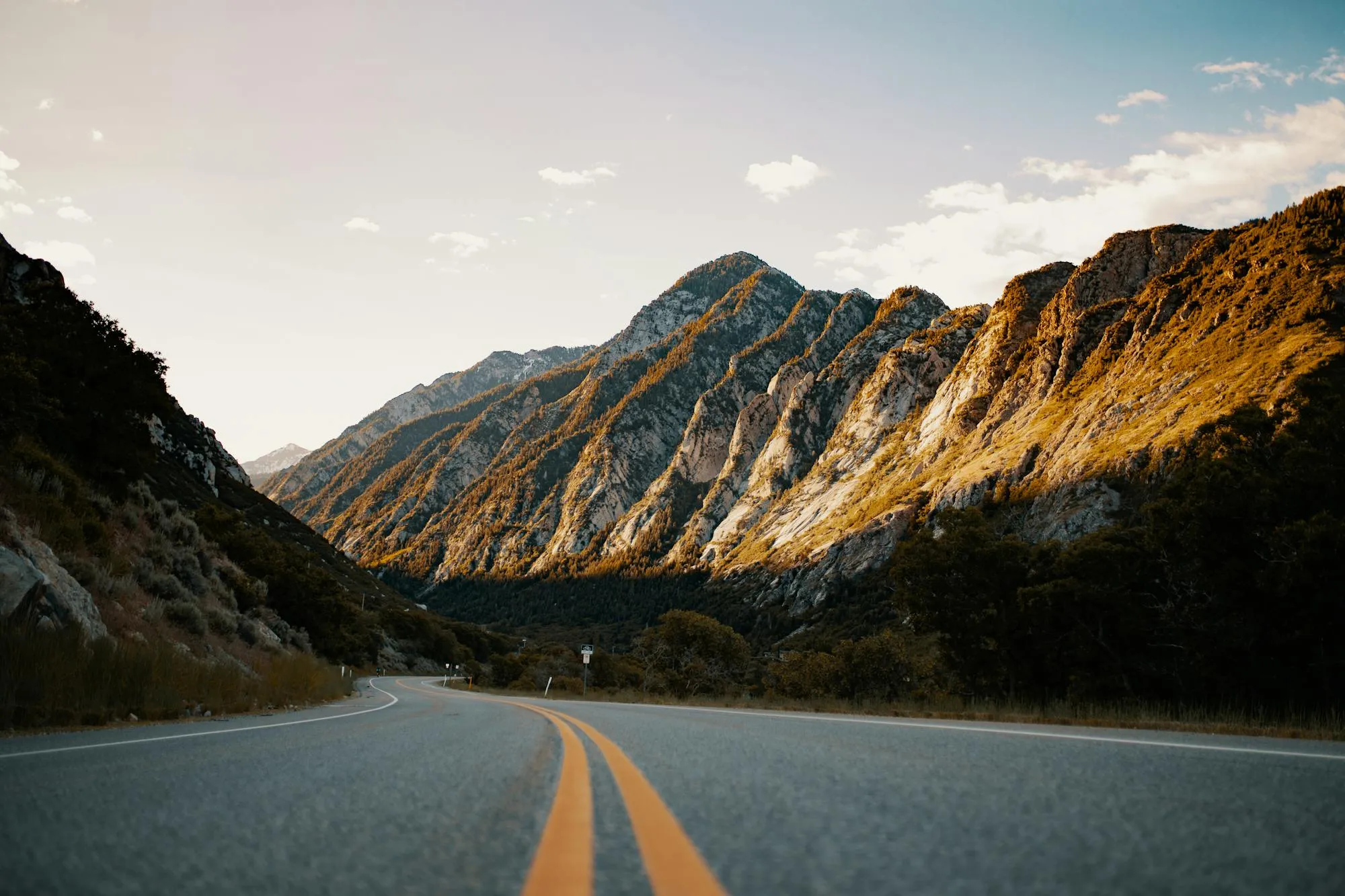
A scenic view of Angeles Crest Highway winding through rugged Southern California canyon terrain. Rocky mountainsides with golden earth tones frame the asphalt road with tight sweeping curves. Double yellow center line visible, sparse vegetation along the shoulders, clear blue sky with white clouds. Daylight, dry conditions. Iconic location for canyon-road enthusiasts.
Josh Sorenson / Pexels

Best motorcycle for Texas Hill Country?

Built for exactly your kind of weekend. It's comfortable and fun across the Twisted Sisters, easy in town after, and the tank stretches far enough between stops. Fit a windshield for the longer freeway legs.

Made for Austin / Texas Hill Country · Twisted Sisters · Austin / Handbuilt Motorcycle Show
Best motorcycle for Tail of the Dragon?

If you ride the Dragon and Blue Ridge to sharpen technique, this fits. Accessible handling and real lean clearance reward clean lines and won't punish mistakes, though it favors flow over a knife-edge front.

Made for Back of the Dragon · Blue Ridge Parkway · Cherohala Skyway

Best motorcycle for Angeles Crest?

Honest answer: if you want a razor weapon for Angeles Crest, this isn't quite it. It's friendly, fun, and forgiving, but the front end won't deliver the laser precision a hard canyon pace demands.

Made for Angeles Crest Highway · Coronado Trail / US 191 · Highway 1 / Big Sur

Alternatives to the Aprilia Shiver 750

If this one isn't quite the fit, these are the bikes worth riding back-to-back against it.

Any price note compares both bikes at the same age — the youngest age both have on the used market — against this Aprilia Shiver 750. “cheaper/pricier” is what that bike costs second-hand, not how worn it is.