Yamaha XT250 (DG17J) — Enduro
NastyNils / Yamaha Press

2008–2017 · Enduro · Buyer's Guide

XT250 (DG17J)

Bulletproof Simplicity, Zero Excuses

The Machine's Character

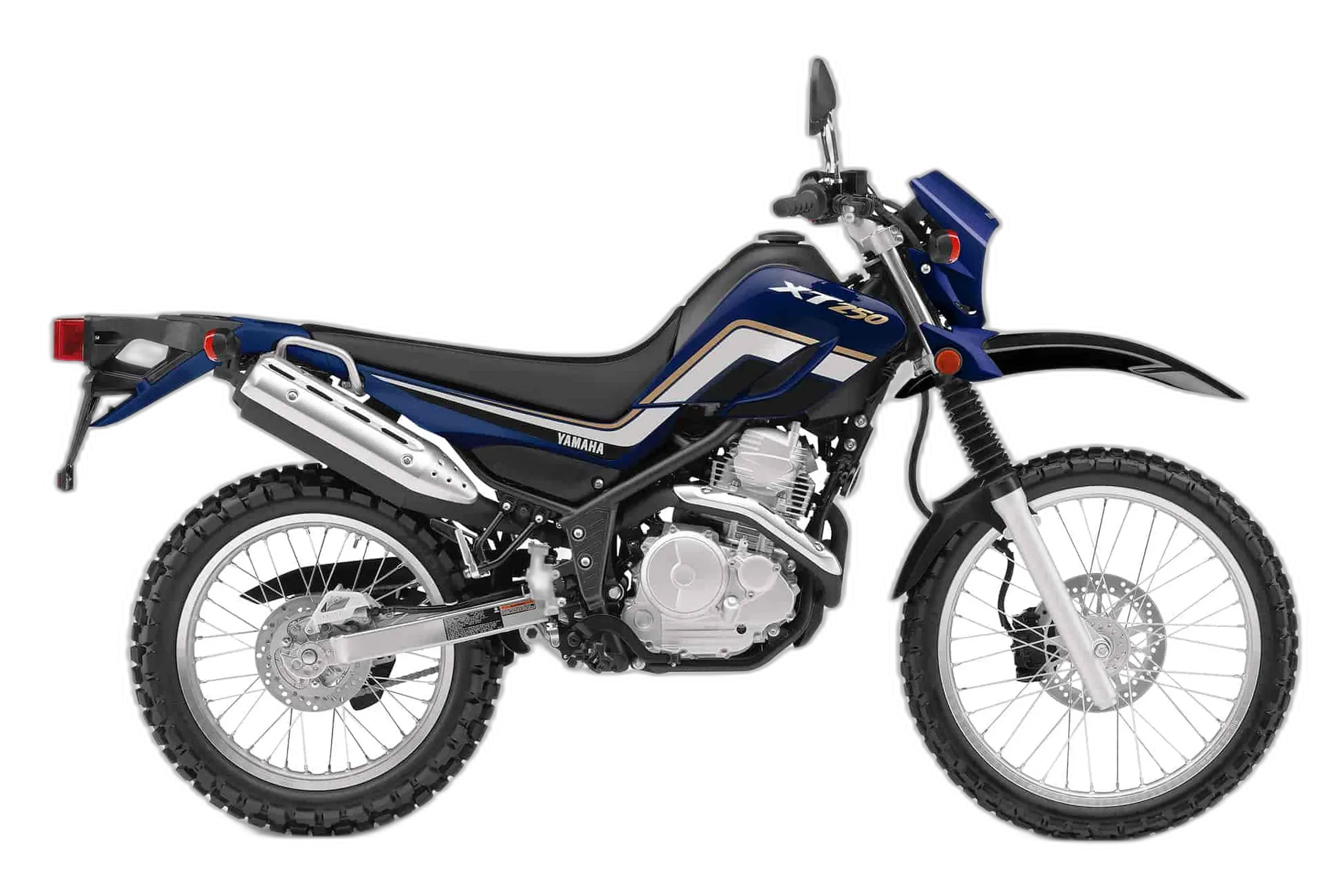
The XT250 is built around one idea: a 249 cc air-cooled single that never asks more of you than you have to give. Nineteen horsepower at 7,500 rpm and 14 lb-ft at 6,500 sounds modest on paper, and it is, but the flywheel weight and long-legged five-speed mean the motor pulls from near idle without snapping or stalling when the trail turns technical. There is no ride mode, no traction control, no ABS. A carburetor, a chain, a telescopic fork. In a class that keeps chasing motocross hardware in enduro clothing, this one stayed a genuine dual-sport.

The 291 lb (132 kg) wet weight sits low enough that a 32.0 in (813 mm) seat and 11.2 in (284 mm) of ground clearance never feel like a threat, and the 2.75-21 front with a 120/80-18 rear gives it real dirt geometry rather than a styling exercise. It ages the way an air-cooled Yamaha single is supposed to age: 73 mpg, cheap consumables, service you can do on a garage floor. Who it is for is honest and narrow. Riders who want trails, fire roads, and town errands. The caveat is equally honest: 75 mph (121 km/h) is the ceiling, and highway miles are a chore, not a mission.

Hard Numbers

Spec sheets don't ride bikes, but they set the baseline.

Show full specs & equipment Hide specs & equipment
Key specifications
Power 19 hp (14 kW) @ 7,500 rpm
Torque 14 lb-ft (19 Nm) @ 6,500 rpm
Displacement 249 cc
Engine Single-cylinder
Cooling Air-cooled
Gearbox 5-speed
Final drive Chain
Fork Telescopic
Front tire 2.75-21
Rear tire 120/80-18
Wheelbase 53.6 in (1361 mm)
Ground clearance 11.2 in (284 mm)
Front travel 8.9 in (226 mm)
Rear travel 7.1 in (180 mm)
Seat height 32.0 in (813 mm)
Wet weight 291 lb (132 kg)
Fuel capacity 2.6 gal (9.8 L)
Top speed 75 mph (121 km/h)
Fuel economy 73 mpg (US)

Equipment check

Chassis

  • Rear Suspension Adjustable Standard

The Voice of Experience

Portrait of NastyNils

The test ride

The first thing you notice is how quiet it is mechanically, and how much of the engine you feel through the pegs rather than the bars. There is a warm, dry thump under you that never turns harsh, even holding revs on a graded road. The bars are wide, the seat is flat and firm, and the whole cockpit is narrow enough that standing up happens without thinking about it. Your knees find the tank, your feet find the pegs, and nothing pushes back. At 50 mph on pavement the mirrors blur slightly and the motor sits in a steady, unbothered hum. Legs down, feet out, dabbing through a rutted section, it stays light on its feet and utterly patient. Nothing about this bike is trying to impress you. That is the point.

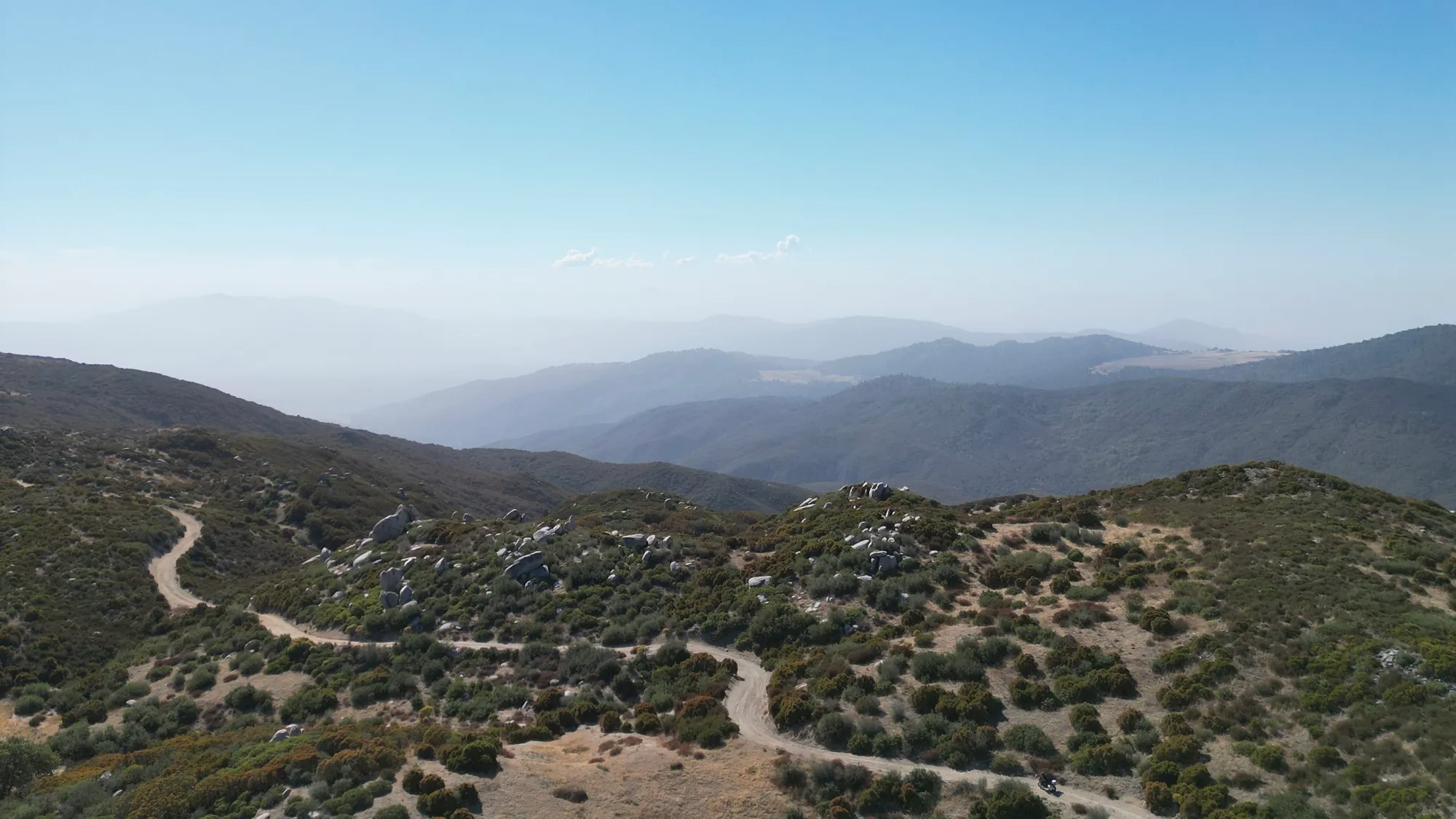
Aerial drone view of Palomar Divide Road winding through chaparral-covered mountain ridges in San Diego County. Multiple S-curve sections descend through sparse vegetation with distant valley views visible in the haze. Gravel and packed-earth surface.

The Truth on the Trail

Two decades of listening adds up. Riders write in, they talk in parking lots and at trailheads, they trade notes in owner threads and long email chains, and over the years the XT250 chatter has settled into a pattern that barely moves. The praise is consistent and the complaints are consistent, and the two rarely argue with each other.

What owners keep coming back to

Three things surface again and again. The power delivery is described as unintimidating: smooth, predictable, with enough low-end pull for relaxed trail work, which is why so many riders hand this bike to beginners. The reliability comes up just as often. Owners talk about trouble-free miles and a machine that simply keeps going. And the low weight gets mentioned in every context that matters, from filtering through town to picking the bike up after a spill to threading tight singletrack. A smaller group adds the fuel economy, and the range it buys them out in the backcountry.

Where the goodwill runs out

The gripes are narrower and quieter. Some owners want a sixth gear; without it, sustained highway speeds mean high revs and a buzzy ride. Others say the suspension is set up for comfort and light trails, and bottoms out once the terrain gets rough. A few mention the seat: thin padding, cramped legroom for taller riders, and discomfort creeping in after roughly 25 road miles.

Known issues

  • Lean carburetor jetting from factory (2008-2012 models)

    fuel systemoccasional

    Carbureted XT250s leave the factory with very lean jetting, causing rough idle, hesitation, and low-speed surging. The issue is present from new and widely resolved by rejetting or adding an aftermarket jet kit.

The Expert Benchmark

Where this Yamaha XT250 pulls ahead of — or falls behind — its rivals on the numbers, and the typical bike in its class on character.

What kind of bike this is — character vs. the class

This bike Class average

Head-to-head: Yamaha XT250 vs. its rivals

The 'Should I Buy It?' Score

Forget spec-sheet bragging. Here's who the XT250 is actually built for.

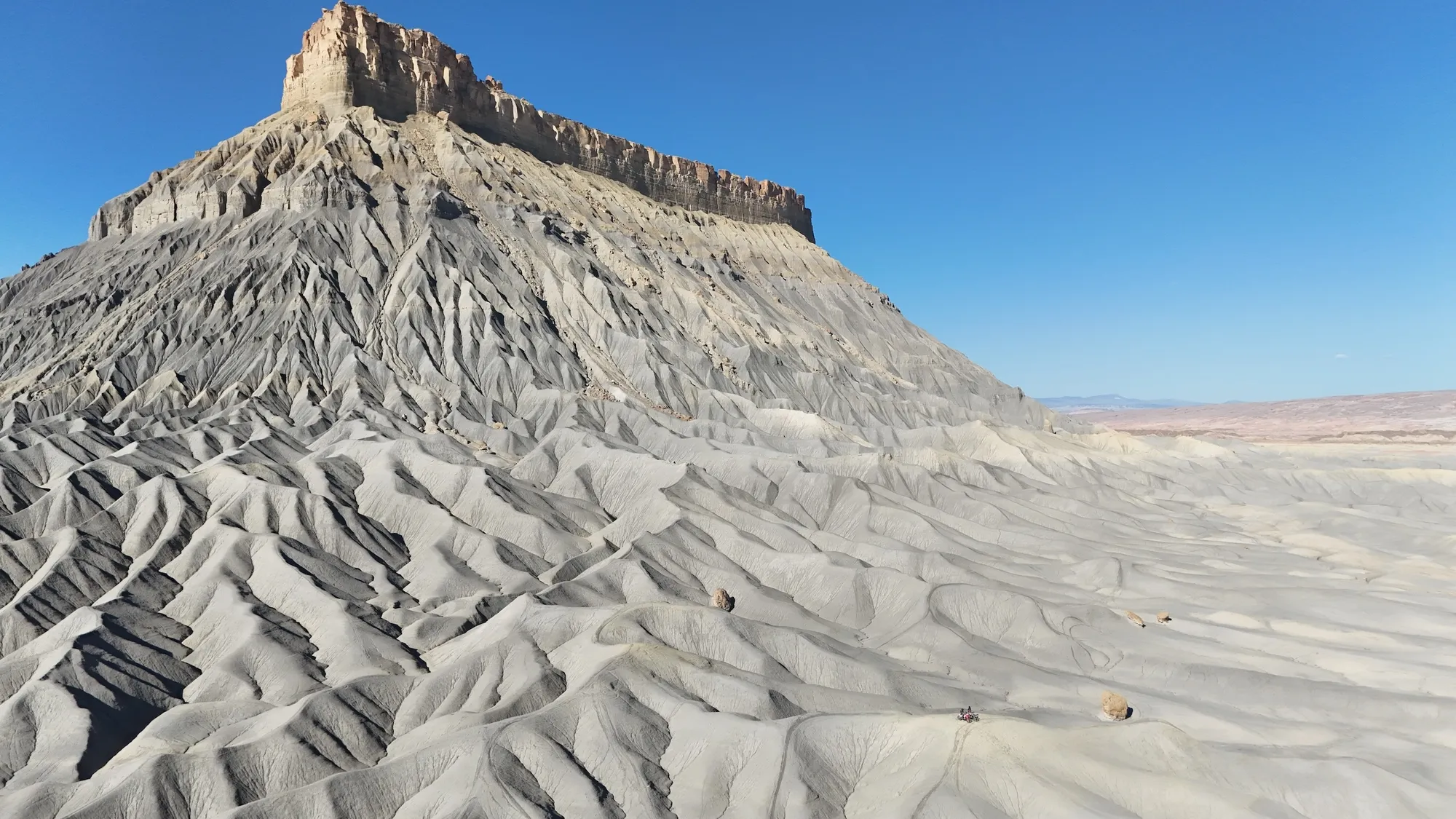
Factory Butte in Utah's high desert badlands, captured in daylight under clear blue sky. The formation's distinctive multi-colored strata and steep erosional gullies dominate the frame. Arid terrain with minimal vegetation stretches across the foreground and background. Typical American Southwest landscape.
NastyNils / Nastynils.com

Best motorcycle for BDR routes?

The dirt sections would be easy. The 2.6 gal tank and 75 mph ceiling are not BDR logistics, though. This is a day-trip bike, not a multi-day route machine.

Made for AZBDR — Arizona Backcountry Discovery Route · California BDR South · COBDR — Colorado Backcountry Discovery Route
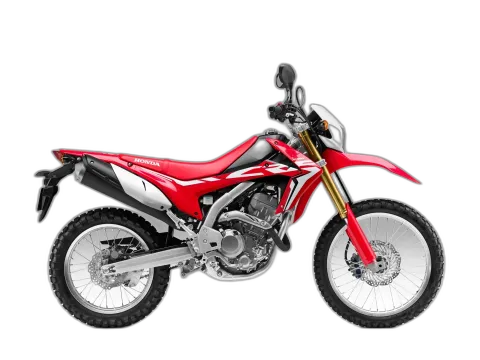
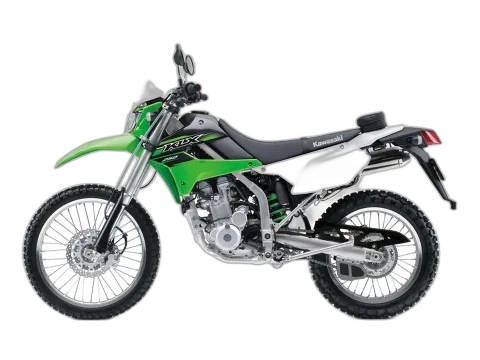
Alternatives to the Yamaha XT250

If this one isn't quite the fit, these are the bikes worth riding back-to-back against it.

Any price note compares both bikes at the same age — the youngest age both have on the used market — against this Yamaha XT250. “cheaper/pricier” is what that bike costs second-hand, not how worn it is.