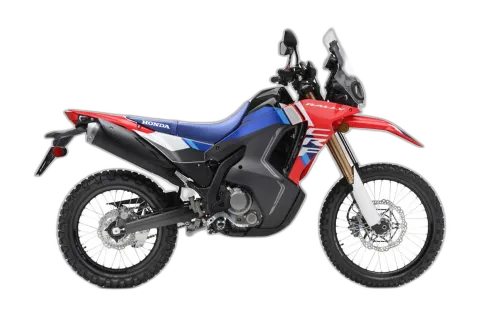
Honda CRF250L (MD38) — Enduro
NastyNils / Honda press archive

2012–2020 · Enduro · Buyer's Guide

CRF250L (MD38)

Buy It, Ride It, Forget It

The Machine's Character

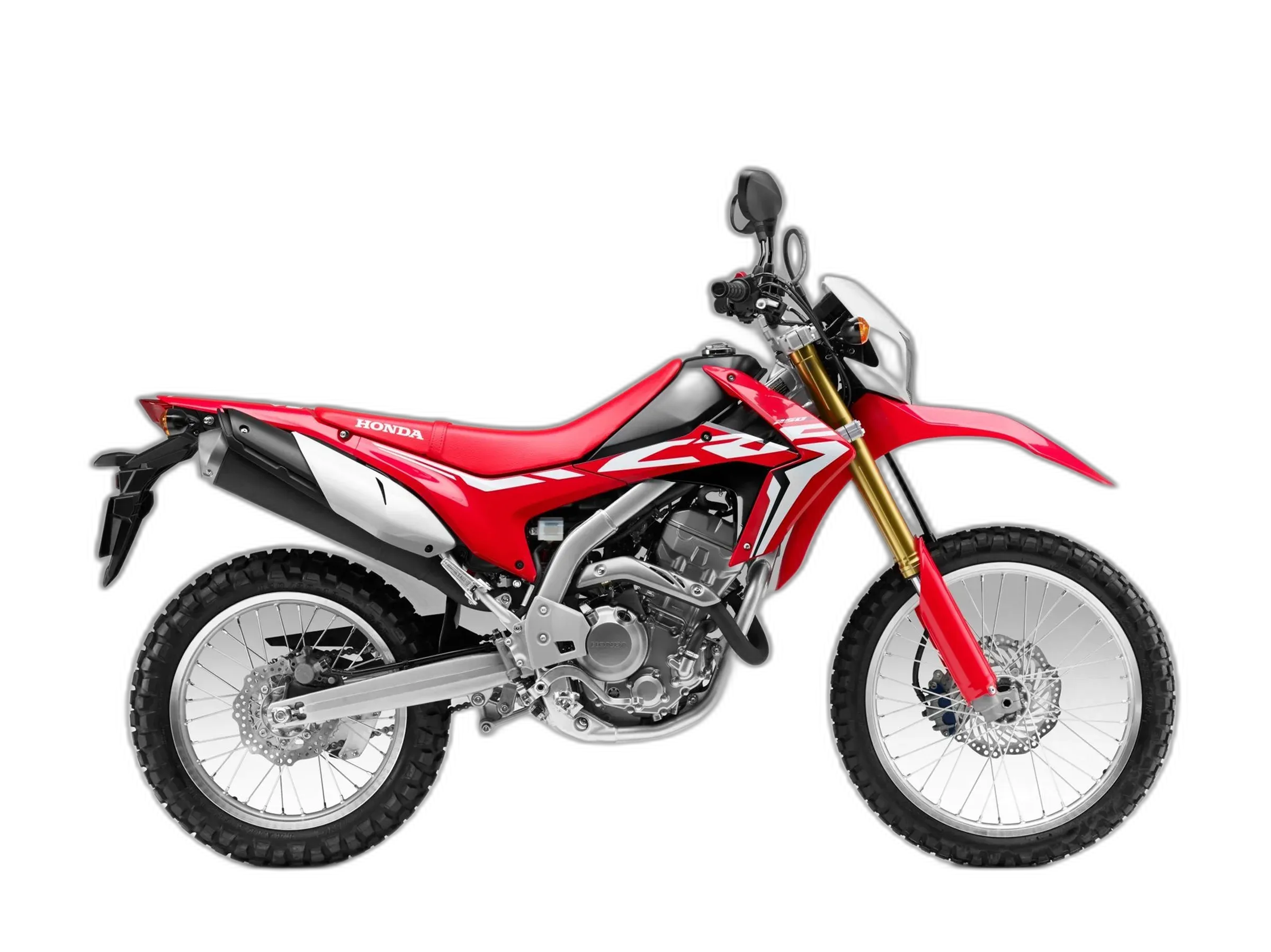
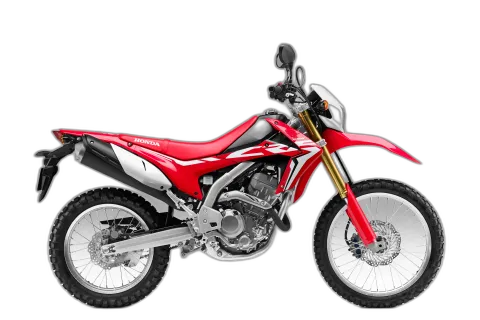
The CRF250L is built around a 249 cc liquid-cooled single that makes 25 hp at 8,500 rpm and 17 lb-ft at 7,000 rpm, and Honda tuned it to be useful rather than impressive. Power arrives in a steady, tractable stream, which is exactly what the enduro brief asks for: enough flywheel to keep the engine turning when the front wheel is picking its way over rock, and gearing long enough that you are not constantly hunting the box. A 21-inch front wheel and a 120/80-18 rear sit under 10.0 in of ground clearance. This is a proper dual-sport chassis with a friendly engine bolted into it.

Suspension is the part people argue about. There is 9.8 in of front travel and 9.4 in at the rear, but the fork carries no adjustment at all and the shock offers preload only. Honda set the springs soft, which makes the bike plush on broken pavement and forgiving on easy trail, and which also means it packs down when you push hard through rough ground. At 317 lb wet with a 34.4 in seat, it is manageable rather than featherweight. Buy it if you want a bike that starts every morning, runs 8,000-mile service intervals, and asks almost nothing of you. It will not reward aggression.

Hard Numbers

Spec sheets don't ride bikes, but they set the baseline.

Show full specs & equipment Hide specs & equipment
Key specifications
Power 25 hp (18 kW) @ 8,500 rpm
Torque 17 lb-ft (23 Nm) @ 7,000 rpm
Displacement 249 cc
Engine Single-cylinder
Cooling Liquid-cooled
Gearbox 6-speed
Final drive Chain
Front tire 3.00-21
Rear tire 120/80-18
Ground clearance 10.0 in (255 mm)
Front travel 9.8 in (250 mm)
Rear travel 9.4 in (240 mm)
Seat height 34.4 in (875 mm)
Wet weight 317 lb (144 kg)
Fuel capacity 2.0 gal (7.7 L)
Top speed 70 mph (113 km/h)
Fuel economy 78 mpg (US)

Equipment check

Chassis

  • Rear Suspension Adjustable Standard

The Voice of Experience

Portrait of NastyNils

The test ride

First thing you notice is how little the bike demands. The single thrums rather than hammers, and vibration through the pegs and bars stays polite right up to where the engine runs out of interest. Sitting on it, the 34.4 in seat is tall enough to feel like a real dirt bike and narrow enough that a five-nine rider gets a boot down without ceremony. The bars are wide, the controls are light, and the whole machine feels smaller under you than 317 lb suggests. On pavement at 55 to 60 mph the motor is buzzing but honest, and it will hold 70 mph if you ask, though there is nothing left after that. What stays with you after a long day is the absence of fatigue. Nothing bites, nothing surprises, nothing wears you out.

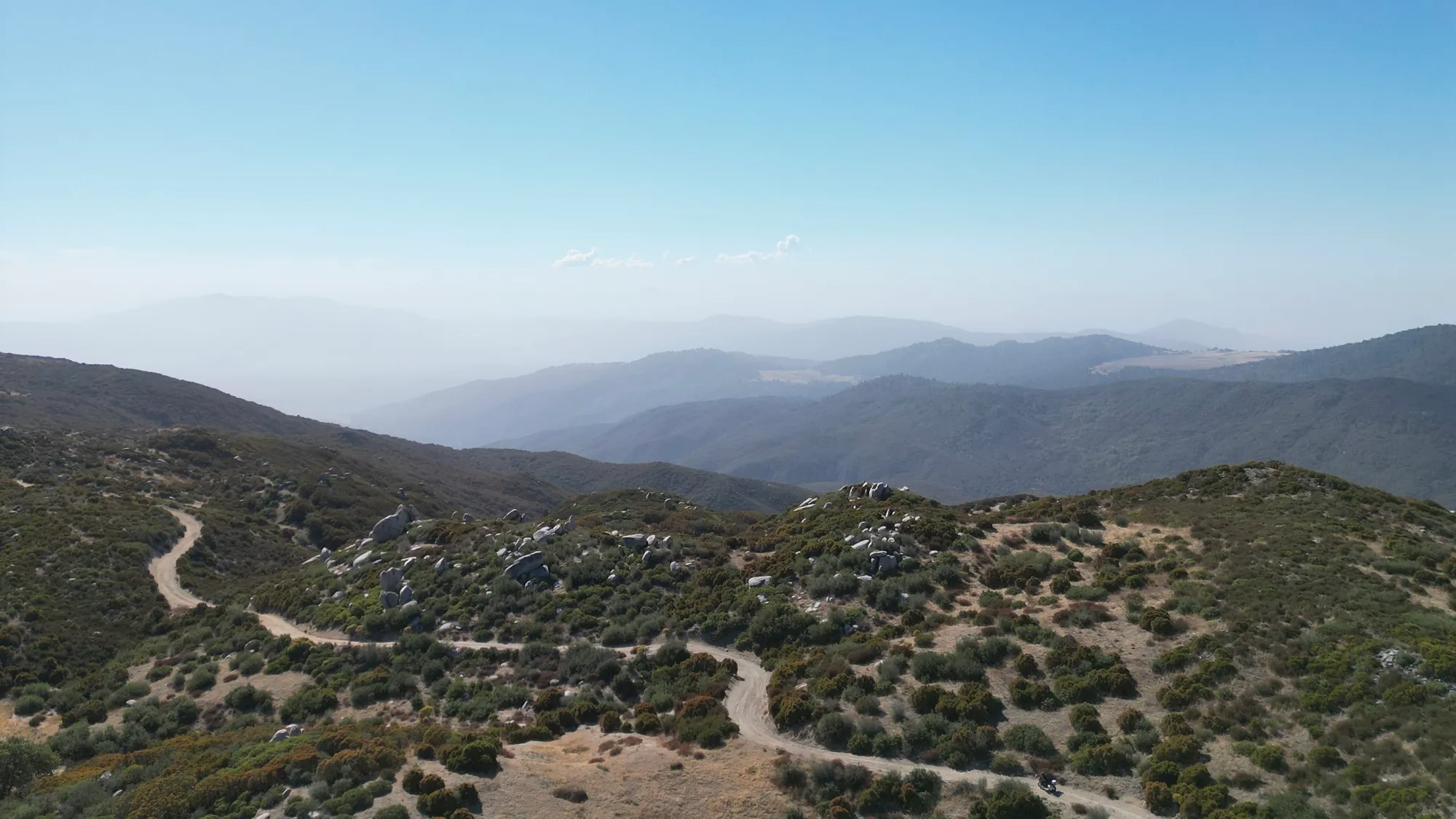
Aerial drone view of Palomar Divide Road winding through chaparral-covered mountain ridges in San Diego County. Multiple S-curve sections descend through sparse vegetation with distant valley views visible in the haze. Gravel and packed-earth surface.

The Truth on the Trail

What follows did not come from a test schedule. It came from years of standing around in parking lots, reading owner threads I never posted in, and opening messages from riders who tell me their mileage before they tell me their name. On the CRF250L that chatter is unusually consistent. Riders describe a bike they stopped worrying about, and a short list of parts they replaced anyway.

The Bike They Stopped Worrying About

Two things come up in nearly every conversation. Riders of every build talk about a machine that goes where they point it, in ruts and in traffic, without asking much of them. And it keeps running. Owners describe long, uneventful ownership, service that comes around rarely, and fuel bills they barely notice. Newer dirt riders single out the throttle: soft enough that a clumsy hand costs nothing when the going gets technical.

What Owners Change Anyway

The suspension leads the complaints. It feels plush on road and comes apart when the trail turns serious, and firmer springs are the usual answer. Riders who spend time on pavement describe an engine near its ceiling, giving up ground on climbs and in wind. Range disappoints, so bigger tanks get fitted. The seat, several owners say, turns hard inside an hour.

Known issues

  • Starter relay (magnetic switch) recall (2013–2015)

    electricsrareRecall

    NHTSA recall 15V439000: certain 2013–2015 CRF250L units (among other Honda models) were recalled because the starter relay (magnetic switch) could fail, potentially preventing the engine from starting or causing intermittent starting problems. A separate 2018 CRF250L campaign (18V630000) covered a wiring-harness issue.

The Expert Benchmark

Where this Honda CRF250L pulls ahead of — or falls behind — its rivals on the numbers, and the typical bike in its class on character.

What kind of bike this is — character vs. the class

This bike Class average

Head-to-head: Honda CRF250L vs. its rivals

The 'Should I Buy It?' Score

Forget spec-sheet bragging. Here's who the CRF250L is actually built for.

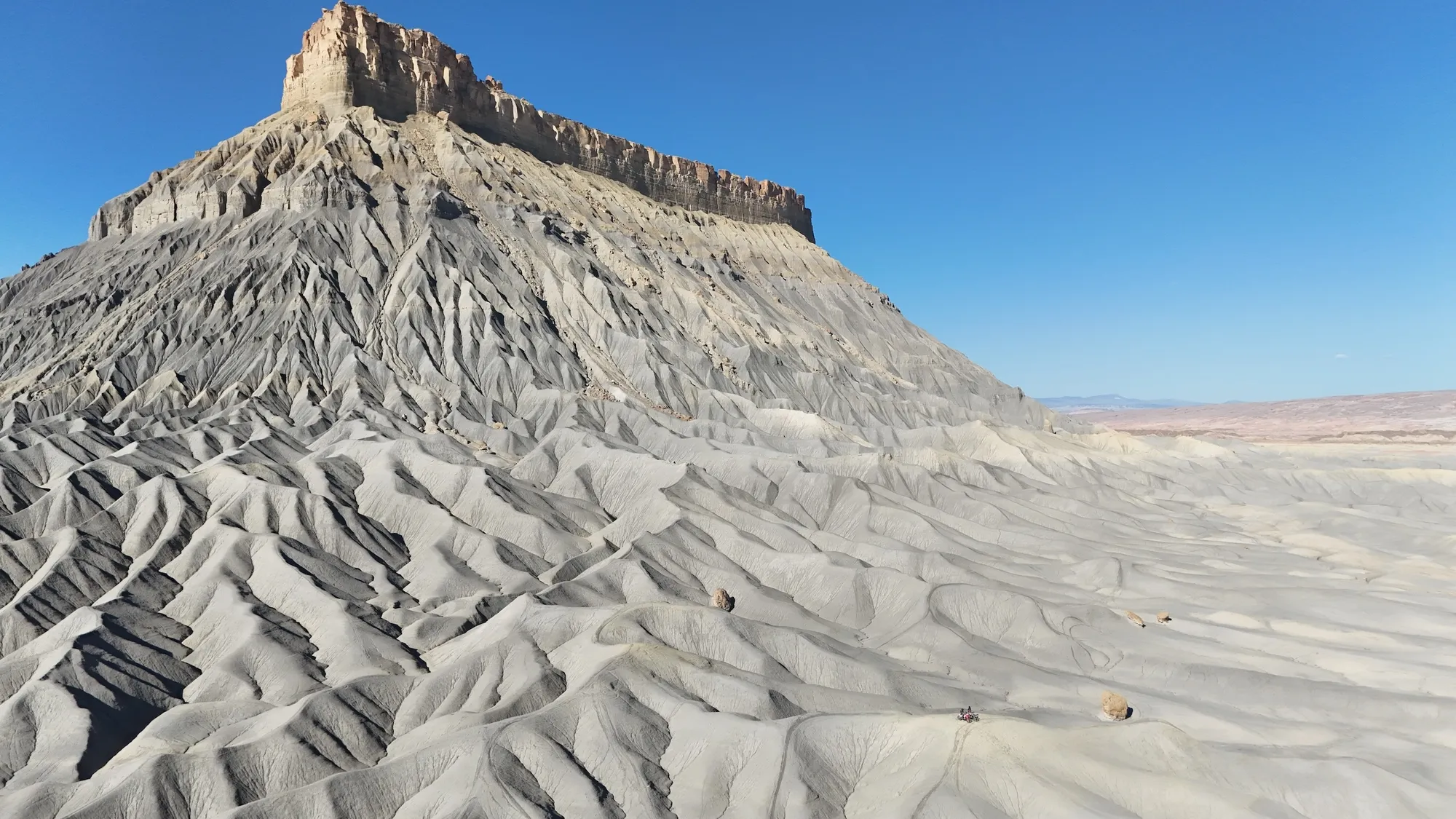
Factory Butte in Utah's high desert badlands, captured in daylight under clear blue sky. The formation's distinctive multi-colored strata and steep erosional gullies dominate the frame. Arid terrain with minimal vegetation stretches across the foreground and background. Typical American Southwest landscape.
NastyNils / Nastynils.com

Best motorcycle for Moab?

For picking a line up slickrock at walking pace, the tractable engine and 10.0 in of clearance work beautifully. Push the pace across whooped-out desert and the soft, unadjustable fork will tell you to slow down.

Made for Bar M / Kane Creek · Imperial Sand Dunes · Johnson Valley OHV Area
Best motorcycle for BDR routes?

It will survive a BDR and cost almost nothing doing it. But 2.0 gal of fuel and a 70 mph ceiling turn every highway transfer and remote fuel stop into a logistics problem you did not have before.

Made for AZBDR — Arizona Backcountry Discovery Route · California BDR South · COBDR — Colorado Backcountry Discovery Route

Alternatives to the Honda CRF250L

If this one isn't quite the fit, these are the bikes worth riding back-to-back against it.

Any price note compares both bikes at the same age — the youngest age both have on the used market — against this Honda CRF250L. “cheaper/pricier” is what that bike costs second-hand, not how worn it is.