Kawasaki KLX 250 (KLX250-MY2009) — Enduro
NastyNils / Kawasaki press archive

2009–2017 · Enduro · Buyer's Guide

KLX 250 (KLX250-MY2009)

Quiet, Light, Bulletproof Enduro

The Machine's Character

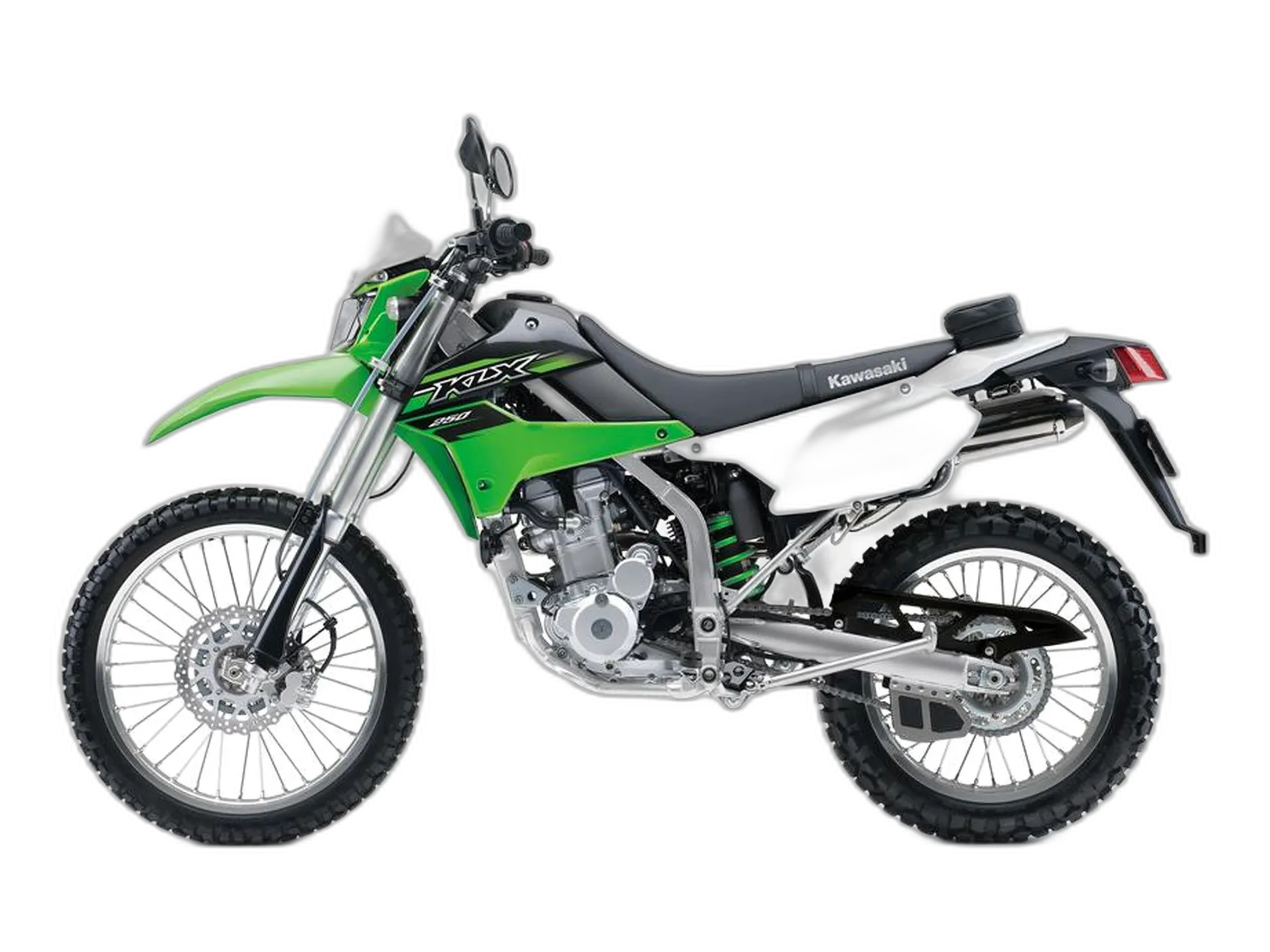
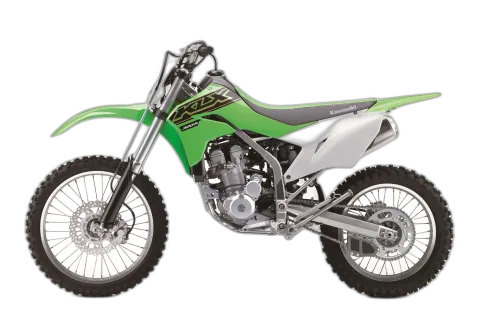
The KLX 250 is a lightweight dual-sport built around a liquid-cooled 249cc single that makes 22 hp through a carburetor and a wide six-speed gearbox. At 304 lb wet it's feathery, and the steel-tube frame, upside-down fork, and long suspension travel give it real trail credentials without pricing itself out of reach. What sets this generation apart is honesty: the 22 hp on the title is the power the engine actually makes, with no detuning to slip past noise or emissions rules. It's a true street-legal enduro you can ride to the trailhead and back under its own steam.

It rides like something you can lean on. Maintenance is straightforward, running costs stay low, and the bike shrugs off a hard day without complaint. This is a machine for the rider who values getting home over chasing lap times, equally happy threading city traffic or working a technical trail at a sensible pace. The honest caveat: there's modest power here, and it asks you to manage momentum rather than muscle through. Long loose climbs find the ceiling fast, and the highway is no place to linger. Ride it for what it is and it rarely lets you down.

Hard Numbers

Spec sheets don't ride bikes, but they set the baseline.

Show full specs & equipment Hide specs & equipment
Key specifications
Power 22 hp (16 kW) @ 7,500 rpm
Torque 15 lb-ft (20 Nm) @ 7,000 rpm
Displacement 249 cc
Engine Single-cylinder
Bore × stroke 72 × 61.2 mm
Compression 11:1
Cooling Liquid-cooled
Fuel system Carburetor
Gearbox 6-speed
Final drive Chain
Frame Steel tube
Fork Upside-down (USD)
Front brake 250 mm
Rear brake 220 mm
Front tire 80/100-21
Rear tire 100/100-18
Ground clearance 11.6 in (295 mm)
Front travel 10.0 in (254 mm)
Rear travel 9.1 in (231 mm)
Seat height 35.0 in (890 mm)
Wet weight 304 lb (138 kg)
Fuel capacity 2.0 gal (7.5 L)
Top speed 70 mph (113 km/h)
Fuel economy 60 mpg (US)

Equipment check

Chassis

  • Front Suspension Adjustable Standard
  • Rear Suspension Adjustable Standard

The Voice of Experience

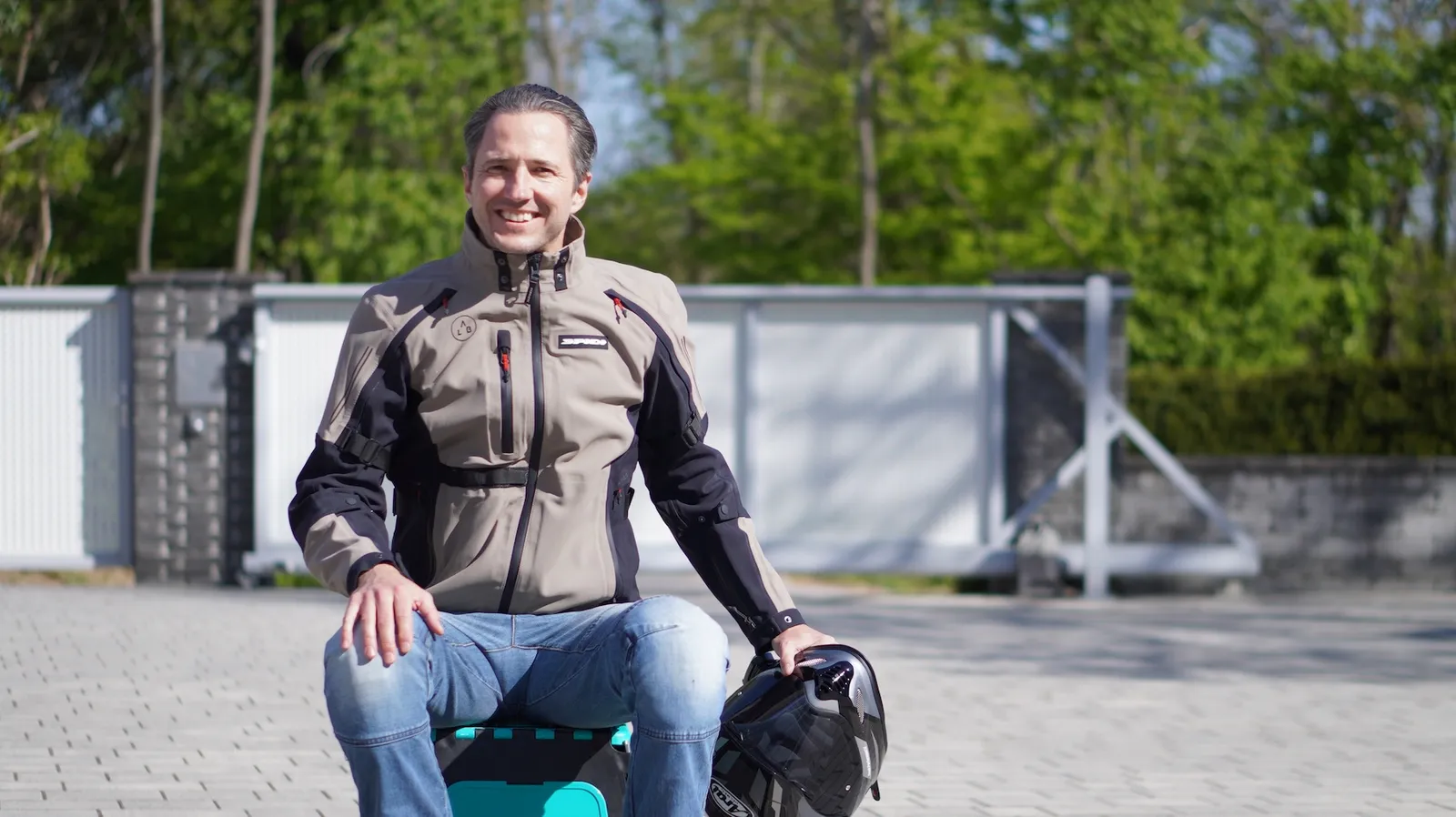
Portrait of NastyNils

The test ride

First thing you notice is how little noise it makes. The exhaust barely registers, and on soft forest floor you leave almost nothing behind, so people you pass on the trail wave instead of stepping aside. The seat sits tall at 35.0 in, but the bike feels so light underneath you that the height stops mattering once you're rolling. In ruts and over small surface breaks the chassis stays planted and tracks where you pointed it, where stiffer competition hardware would get nervous. Get your speed up and it starts to float rather than fight, settled and secure even when the ground turns rough. And it tells you honestly when an obstacle is a size too big, so you always know how hard you can lean on it before things get out of hand.

Rated point by point — where it earns its keep

My own 0–100 score for this bike against the class, area by area — the marker on each bar is the class average.

My read on durability comes from a full enduro loop with every piece of the street-legal hardware still attached. I pushed through the whole thing and nothing backed out, nothing rattled itself loose, no bracket gave up on me. Hosed it down at the end and it could have passed for untouched. For a bike carrying all that road equipment into real off-road work, that result tells me plenty about how it's put together.

On broken, rutted ground I trust this chassis completely. Where sharper competition hardware starts hunting and darting over the same ruts and surface breaks, the KLX holds my line and lets me loosen my grip. The compromise lives in the stock rubber. It reaches for grip on dirt and asphalt both and never fully delivers on either; lean on it hard through a paved corner and the front lets go earlier than I'd like. Anyone logging real pavement miles should put new tires at the top of the list.

The brakes are one of the few parts of this bike that refuse to compromise. On pavement they're firm and confident, and the moment I drop into dirt they turn progressive and easy to meter out. I never feel like I've set them up for one surface at the expense of the other. They just do their job wherever I am, which on a machine built to cross between the two is exactly what I want from them.

I like that this single is honest about itself. Whatever the figure says, that's what arrives at the rear wheel, with nothing held back to satisfy a noise or emissions inspector. What it asks in return is that I keep it spinning. In deep, loose stuff a sustained climb finds the limit quickly, and lighting up a serious obstacle from a standstill is genuinely hard work. Carry speed and it rewards me; let it bog down and I'm walking it through.

Capability here isn't about brute force, it's about access. Because the bike runs so quietly and leaves the soft ground behind it largely undisturbed, doors open that a louder machine slams shut. Places where the noise and the looks used to make me uneasy are suddenly back in play, and the folks I cross paths with greet me instead of clearing out of the way. It stays honest at the edge, too. When a feature is one notch beyond what I've got, the bike says so plainly, and that candor is exactly what lets me keep probing without tipping into trouble.

What keeps me reaching for this bike around town is how little it asks of me. It starts when I ask it to, slips through gaps in traffic, and shrugs off curbs and urban clutter without a flinch. I never fret about where to leave it. The factory road gear is real gear too: an ignition lock, a locking fuel cap, a helmet lock at the tail, all worth their weight when I park at the trailhead and walk off. The catch is the freeway, where I'm pinned in with the trucks and run out of road on any long uphill.

Comfort on this bike is something it earns with speed. At a crawl it doesn't feel like much, but once I've got pace up on the trail the whole thing seems to lift and settle under me, riding the rough stuff instead of arguing with it. The faster and looser the ground gets, the more planted and at ease I feel in the seat. It's a machine that wants to be ridden along, and it looks after me best when I do.

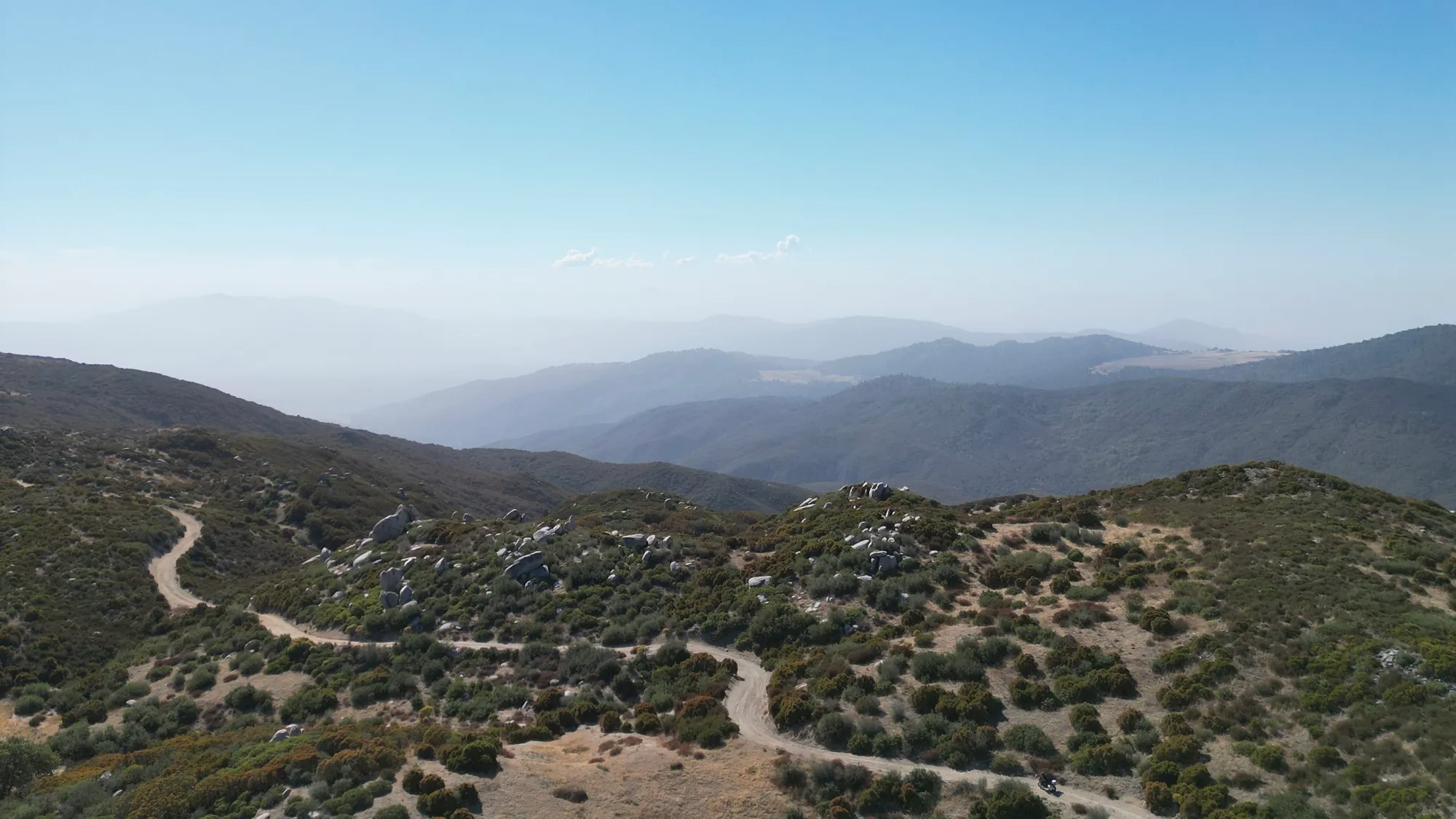
Aerial drone view of Palomar Divide Road winding through chaparral-covered mountain ridges in San Diego County. Multiple S-curve sections descend through sparse vegetation with distant valley views visible in the haze. Gravel and packed-earth surface.

The Truth on the Trail

What follows isn't my own test of the KLX 250. It's the picture that's built up over years of listening to riders: long forum threads, paddock conversations, owner chats, and the steady stream of emails and messages that land in my inbox. The pattern on this one holds steady. Owners value it as a light, willing dual-sport that earns its keep through everyday versatility and low running costs, with a couple of honest limits they keep flagging.

The do-it-all that sips fuel

The praise that surfaces most is range of use paired with running costs. Riders treat the KLX as a genuine jack-of-all-trades, equally content on back roads, on forest trails, or stitched through town. What seals it for many is the economy: owners regularly report around 60 mpg, which keeps the cost of all that riding pleasantly low.

Where harder use shows the limits

Push it hard and a different account comes back. Riders who ride aggressively, or who carry more weight, report the suspension running out of travel and bottoming harshly under real off-road load. A smaller, recurring grumble is the finish: boot rubs and light trail contact scuff the paint and plastics sooner than owners would like.

Known issues

  • Fuel tank may leak at spot welds

    bodyworkcommonRecall

    NHTSA recall: on 2009‑2010 models, the fuel tank can develop leaks at the weld seams, posing a fire risk.

  • Front brake line kinking

    brakesrare

    Improper routing of the front brake line from the factory can cause it to kink when the fork compresses, leading to a locked front brake and crashes.

  • Shift star pin breakage (2009‑specific)

    drivetrainrare

    Reported on some 2009 models: pins on the shift star can shear off after a left‑side crash, causing gear‑selection problems.

  • Automatic cam‑chain tensioner premature wear

    engineoccasional

    The factory ACCT can fail to maintain proper tension, leading to a noisy chain and the need for replacement around 10,000–15,000 miles.

  • Carbureted cold‑start hard‑starting

    fuel systemoccasional

    The CV carburetor is notoriously finicky in cold weather, requiring a precise choke/throttle ritual and extended warm‑up before the bike will idle cleanly.

The Expert Benchmark

Where this Kawasaki KLX 250 pulls ahead of — or falls behind — its rivals on the numbers, and the typical bike in its class on character.

What kind of bike this is — character vs. the class

This bike Class average

Head-to-head: Kawasaki KLX 250 vs. its rivals

The 'Should I Buy It?' Score

Forget spec-sheet bragging. Here's who the KLX 250 is actually built for.

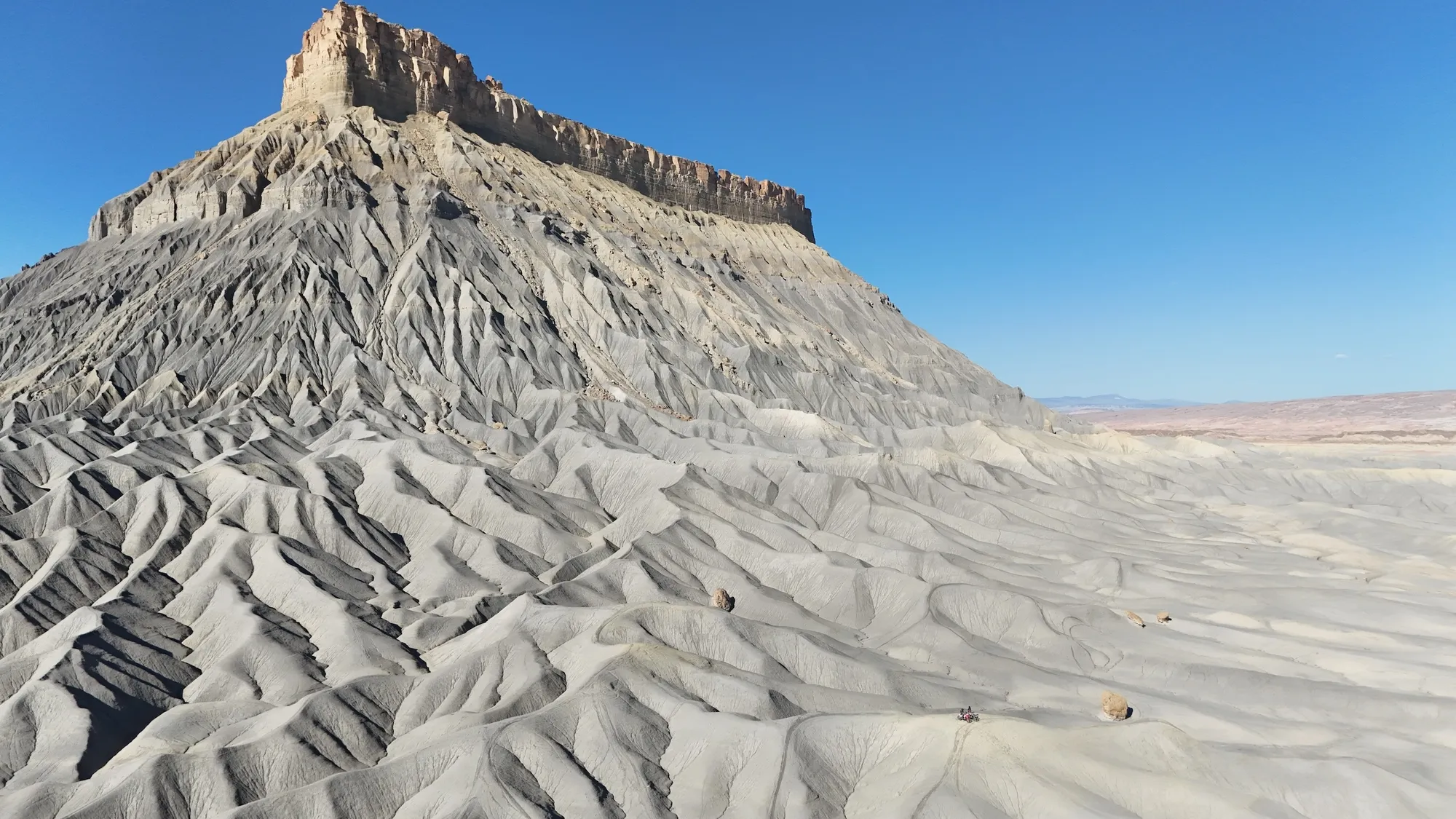
Factory Butte in Utah's high desert badlands, captured in daylight under clear blue sky. The formation's distinctive multi-colored strata and steep erosional gullies dominate the frame. Arid terrain with minimal vegetation stretches across the foreground and background. Typical American Southwest landscape.
NastyNils / Nastynils.com

Best motorcycle for Moab?

If your day is technical slickrock and tight sections at a sensible pace, this light, honest trail bike fits well. Just know the modest power and small 2.0-gal tank cap your range, so think day-trips, not multi-day desert hauls.

Made for Bar M / Kane Creek · Imperial Sand Dunes · Johnson Valley OHV Area
Best motorcycle for BDR routes?

You're planning real backcountry routes, and this 249 single sits below the middleweight capacity you want. It handles the technical bits, but the small tank and weak highway legs make the long connector miles a chore.

Made for AZBDR — Arizona Backcountry Discovery Route · California BDR South · COBDR — Colorado Backcountry Discovery Route

Alternatives to the Kawasaki KLX 250

If this one isn't quite the fit, these are the bikes worth riding back-to-back against it.

Any price note compares both bikes at the same age — the youngest age both have on the used market — against this Kawasaki KLX 250. “cheaper/pricier” is what that bike costs second-hand, not how worn it is.